

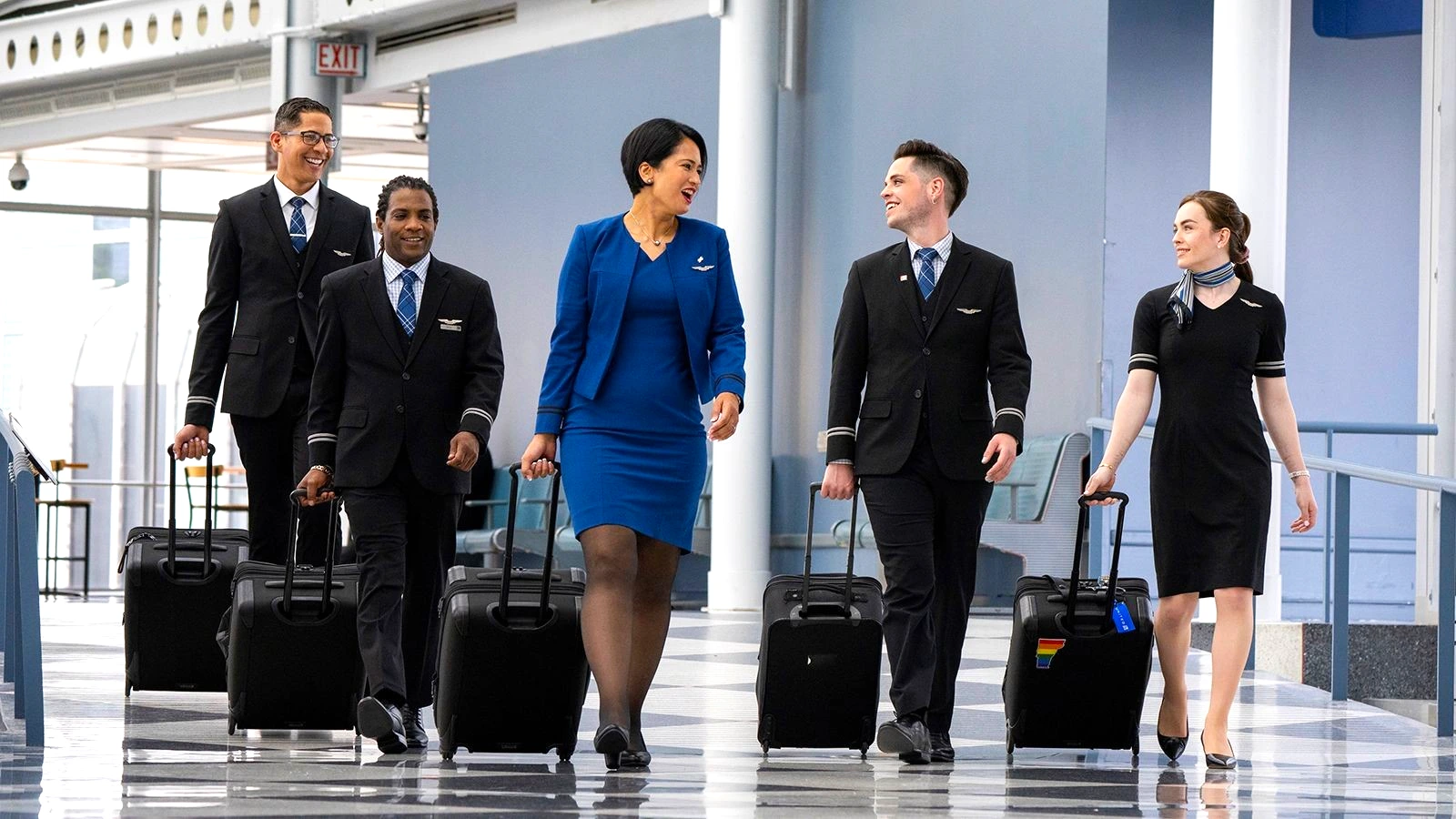
CHICAGO— United Airlines (UA) is warning flight attendants that they could face termination for manipulating the carrier’s trip-trading system to secure pay protection while avoiding work.
The warning targets a practice known as “conflict trading,” in which crew members pick up trips despite knowing that an existing delay could prevent them from operating the new assignment.
The issue affects United’s flight attendants across its network, with the airline now employing nearly 30,000 crew members under its recently ratified collective bargaining agreement with the Association of Flight Attendants-CWA (AFA-CWA).
The new agreement includes major pay and scheduling changes, making the rules surrounding trip trading particularly significant.
United Airlines Targets Trip Trading
United allows flight attendants to trade, drop and pick up trips through its internal scheduling system.
The system gives crew members flexibility to manage their schedules, while contractual pay-protection provisions can preserve compensation when operational disruptions prevent them from completing an assigned trip.
The airline is concerned that some employees are using advance knowledge of delays to exploit that system.
A flight attendant could pick up a trip scheduled for the following day while already working a flight affected by a rolling delay.
If the delay later creates a conflict with the required rest period, the system may remove the employee from the newly acquired trip while preserving the associated pay.
The employee can therefore receive protected compensation without operating the trip.
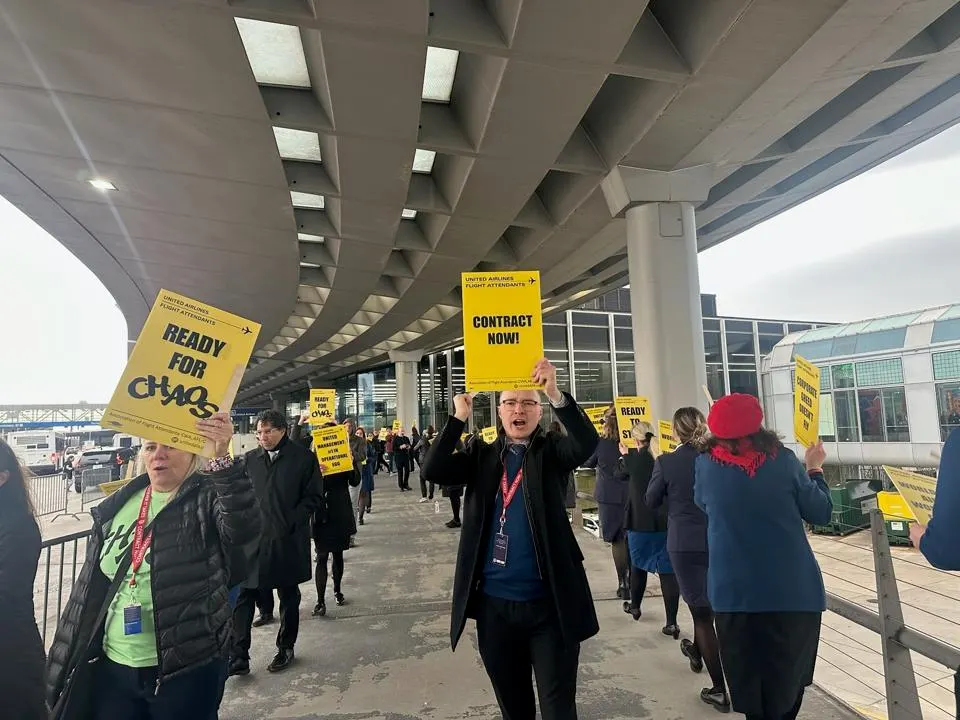
Delays Create Pay Conflict
The practice becomes possible because operational information can sometimes reach employees before scheduling systems are updated. United says employees must not use information about impending delays or cancellations to obtain a financial advantage.
The airline has warned that crew members must have both the intent and ability to operate a trip when they trade into it, PYOK flagged.
United considers deliberately creating a conflict through advance knowledge of a delay an impermissible practice rather than a legitimate scheduling trade.
The warning is significant because United’s contract contains detailed provisions governing open-time trades and scheduling flexibility.
Contract language allows certain open-time trades close to departure when operational conditions permit, but the airline maintains that employees cannot use those provisions to engineer a paid day off.
Termination Remains Possible
United says violations can result in discipline, including termination, and points to arbitration decisions as support for its position.
The carrier is therefore treating conflict trading as more than a scheduling disagreement and is warning employees that deliberate manipulation could have serious employment consequences.
The dispute also fits into United’s broader effort to police the trip-trading system.
The airline has previously taken action against flight attendants accused of improperly trading desirable international trips, while other U.S. airlines have faced similar disputes over how much freedom crew members should have when exchanging assignments.
United’s new contract, which was ratified in May 2026, provides nearly 30,000 flight attendants with a 31% average initial wage increase, boarding pay and $741 million in retroactive compensation.
With compensation and scheduling rules undergoing major changes, the carrier appears determined to ensure that those provisions are used within the limits of the agreement.
Stay tuned with us. Further, follow us on social media for the latest updates.
Join us on Telegram Group for the Latest Aviation Updates. Subsequently, follow us on Google News
