

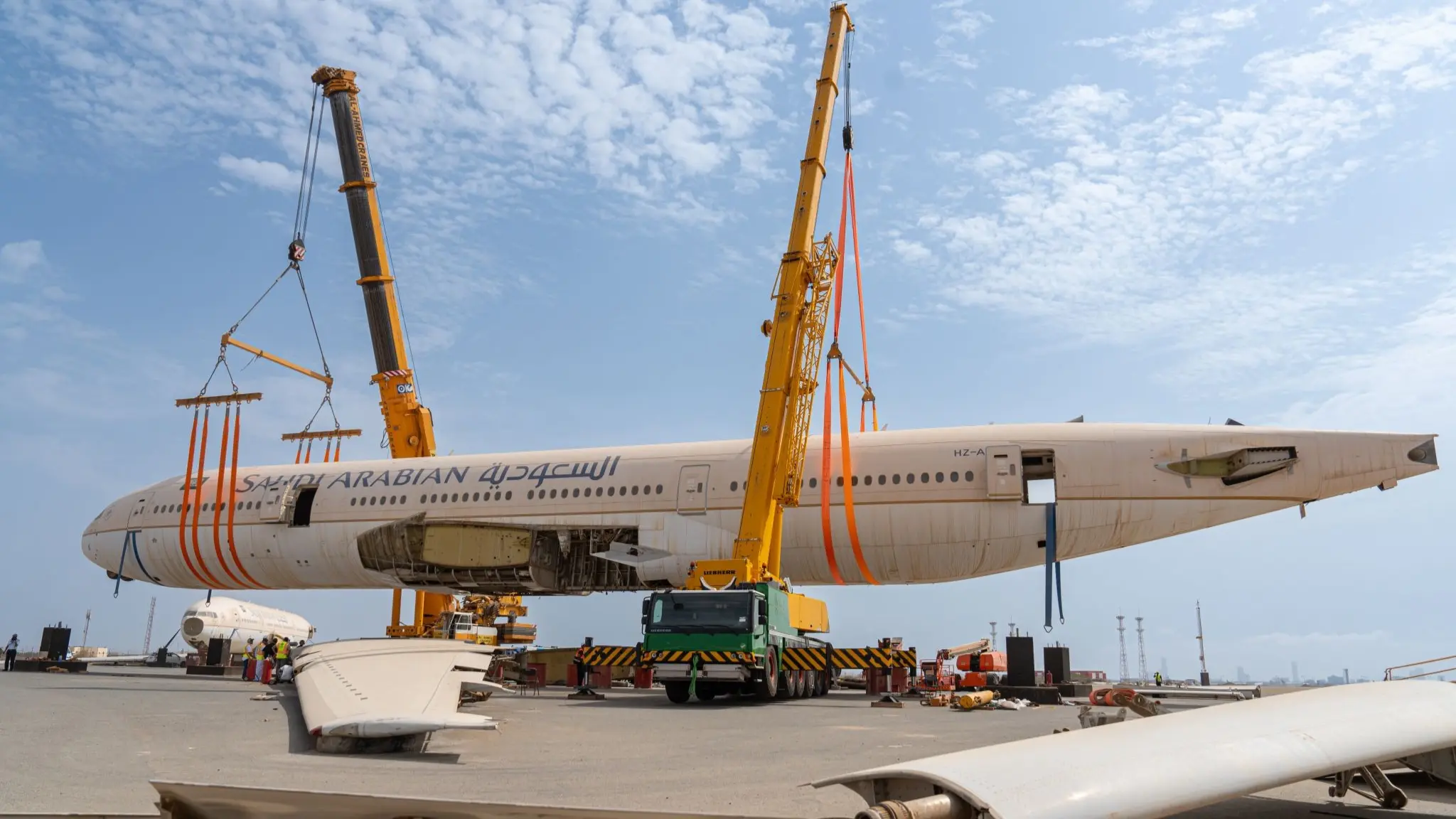
PARIS— TARMAC Aerosave will dismantle more than 10 Airbus A320neo and Boeing 737 MAX family aircraft for AerFin before the end of 2026, as demand for newer-generation aircraft parts continues to rise.
The program will recover engines, landing gear, cabin equipment and other components for the aviation aftermarket.
The latest teardown program highlights how supply-chain pressure is changing the economics of aircraft retirement.
TARMAC Aerosave, which has a major facility near Tarbes-Lourdes-Pyrénées Airport (LDE), will use a dedicated process for AerFin to recover serviceable material from aircraft that are still relatively young by normal commercial aviation standards.
More Jets Set For Teardown
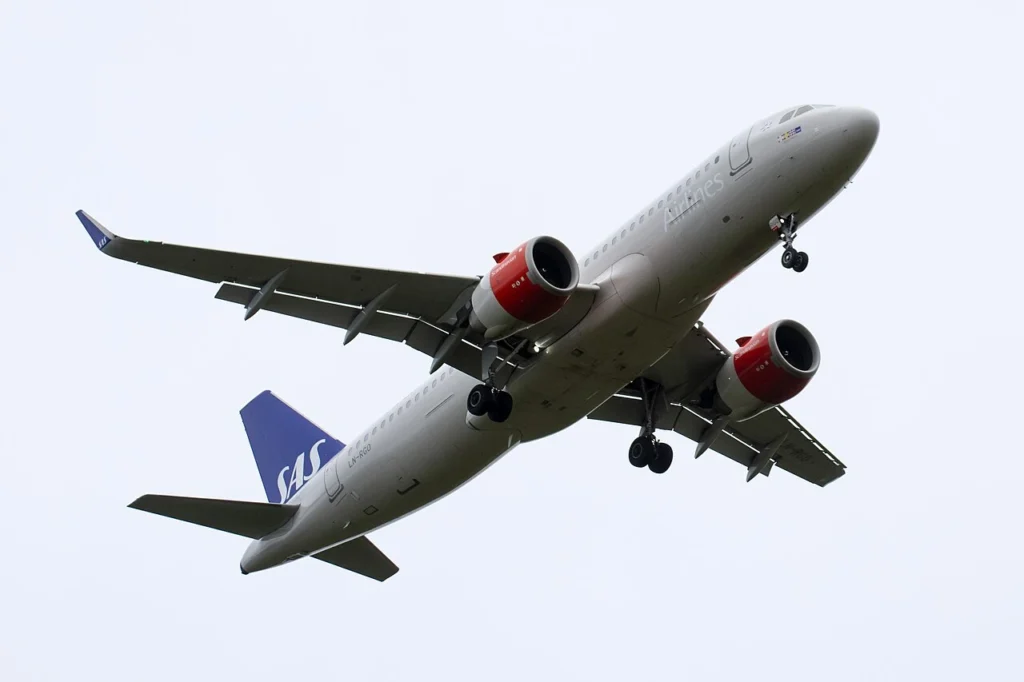
TARMAC Aerosave will process more than 10 new-generation narrowbody aircraft for AerFin during the remaining months of 2026.
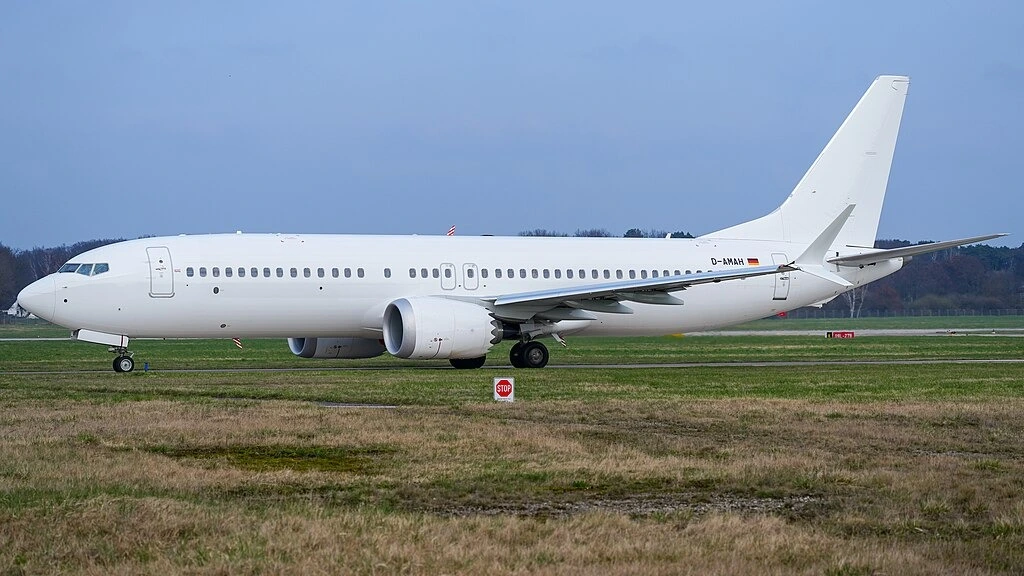
The aircraft will include both A320neo family jets and 737 MAX family aircraft, providing components for operators, lessors and maintenance providers.
The two companies have worked together for about a decade, but the latest arrangement expands their dismantling activities as AerFin seeks additional used serviceable material.
TARMAC has created a dedicated production line covering cabin and landing gear removal, alongside teams responsible for recovering priority and standard components.
The program follows a broader increase in early aircraft teardowns across the aftermarket. AerFin has already dismantled multiple A320neos, with each aircraft producing roughly 1,200 to 1,400 serviceable components that can return to the supply chain.
Parts Demand Drives Market
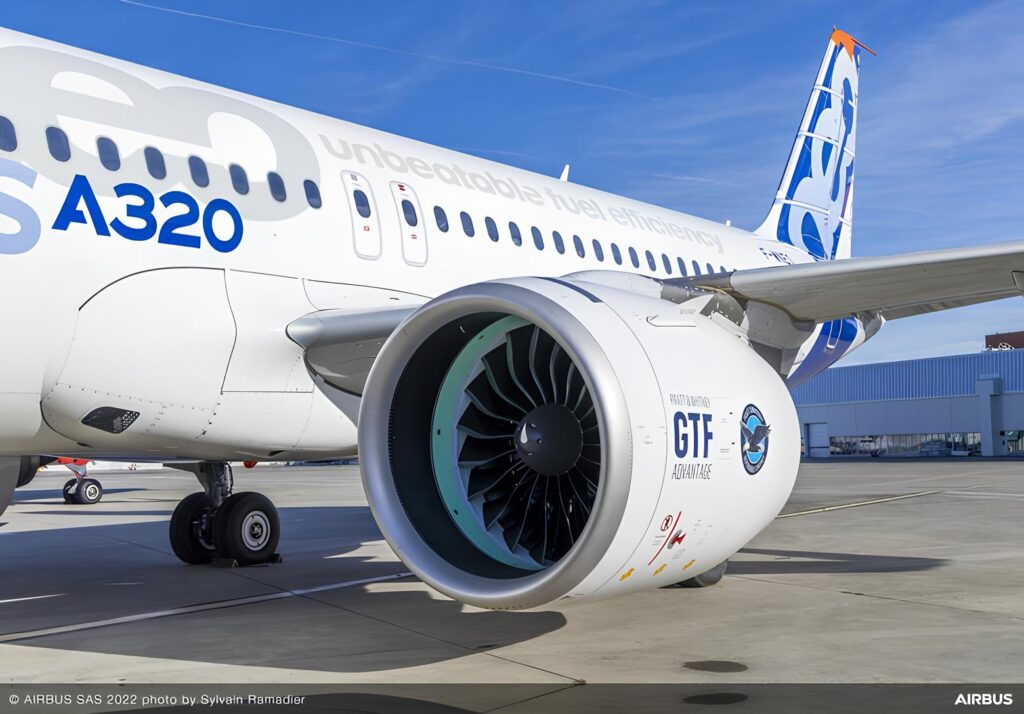
The A320neo has become particularly important to the aftermarket as its global fleet expands while manufacturers and suppliers face continuing production and maintenance constraints.
AerFin said earlier this year that eight A320neo teardowns had generated more than 9,000 high-demand components for its worldwide inventory.
Those recoveries include major structural assemblies, nacelles, auxiliary power units, landing gear, rotables and consumables.
Pratt & Whitney-powered A320neos have also supplied sought-after engines, adding further value to aircraft selected for dismantling.
The trend is notable because some A320neos entering the teardown market are only a few years old. Two former Spirit Airlines A320neos, aged about three and four years, were among the young aircraft recycled in 2026, illustrating how valuable components can influence asset decisions.
2027 Projects Already Planned
TARMAC and AerFin are not limiting the expanded relationship to 2026. Additional dismantling projects are already being prepared for 2027, indicating that demand for newer-generation used serviceable material is expected to remain significant.
Aircraft recycling also allows operators to access components without waiting for new production.
TARMAC’s process involves qualified personnel removing components according to maintenance procedures, documenting recovered parts and managing repair or recertification where required, Simple Flying flagged.
For AerFin, the expanding teardown pipeline provides another source of parts for the growing A320neo and 737 MAX fleets.
For TARMAC, it adds another large-scale dismantling program as the aviation industry increasingly relies on recovered components to ease aftermarket supply pressures.
Stay tuned with us. Further, follow us on social media for the latest updates.
Join us on Telegram Group for the Latest Aviation Updates. Subsequently, follow us on Google News
