


FORT WORTH- American Airlines (AA) is nearing a decision on a new widebody aircraft order of up to 65 jets to replace its aging Boeing 777-200ER fleet. The aircraft are expected to arrive during the 2030s, with Boeing and Airbus both still in contention.
The order could reshape American Airlines’ long-haul fleet strategy as the carrier faces a relatively small widebody backlog compared with Delta Air Lines and United Airlines. Potential candidates include the Boeing 787 and Airbus A330neo, while the larger Airbus A350 and Boeing 777X appear less likely.
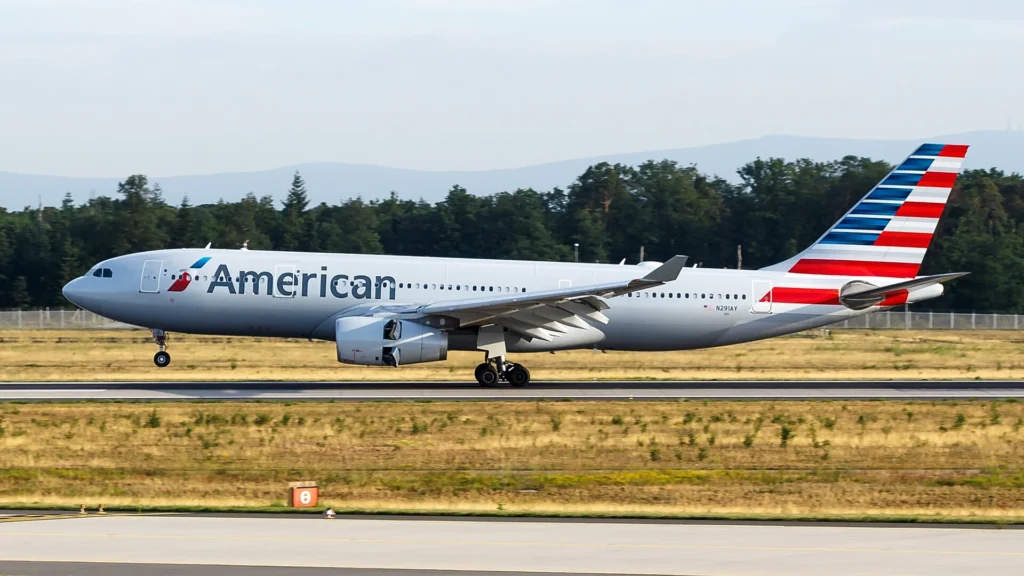
American Airlines Moves Closer to New Widebody Decision
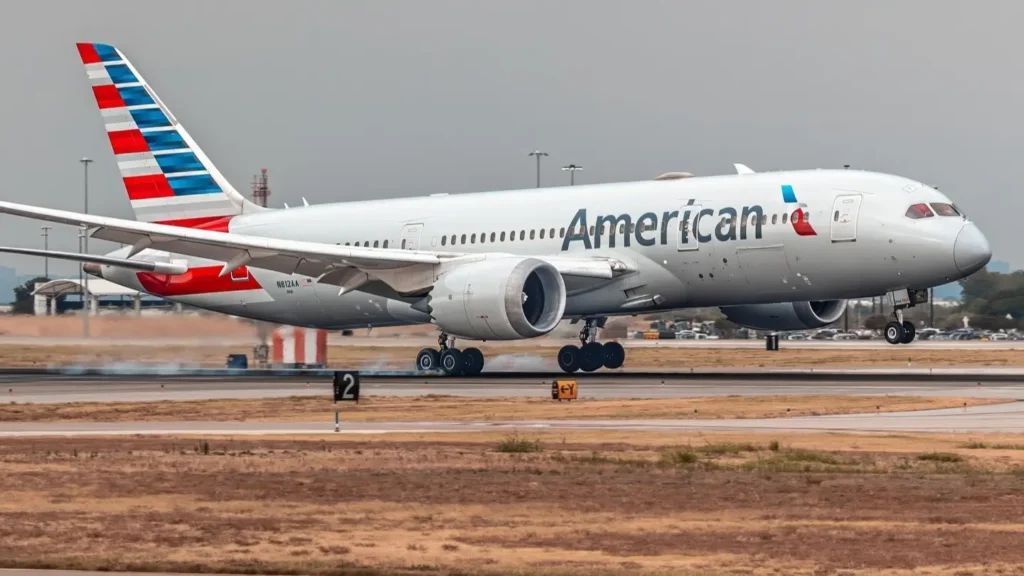
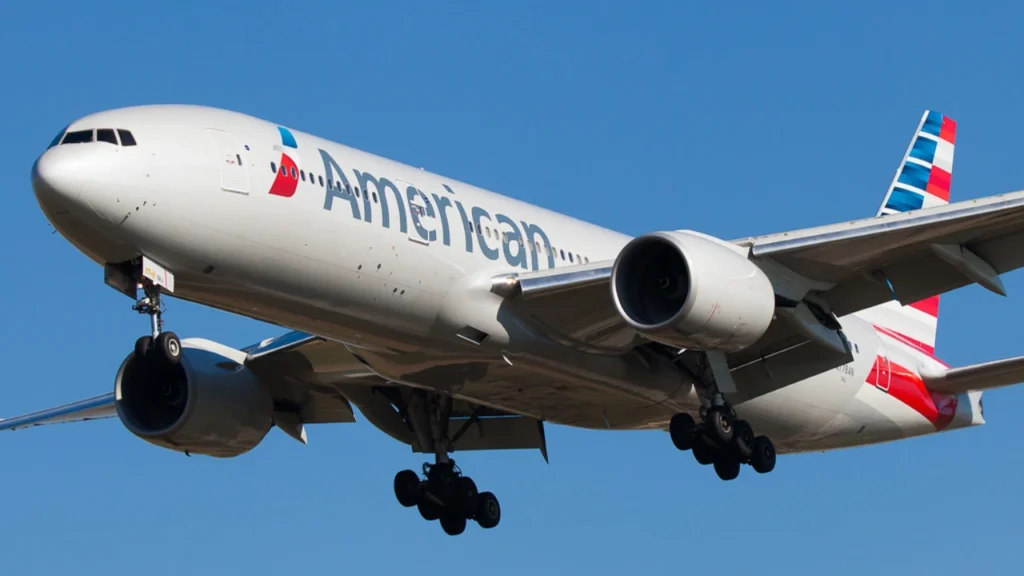
American Airlines operates one of the smaller widebody order books among the three largest US carriers. The airline currently has 67 Boeing 777 aircraft, including 47 777-200ERs and 20 777-300ERs, alongside 70 Boeing 787s consisting of 37 787-8s and 33 787-9s.
Its existing widebody order book contains only 19 additional Boeing 787-9 aircraft. That compares with 78 widebody aircraft on order at Delta Air Lines (DL) and 135 at United Airlines (UA).
The difference is significant because widebody aircraft require years of planning and production lead time. A relatively small order book can therefore limit an airline’s ability to expand or refresh its long-haul network quickly.
American is now understood to be in the final stages of deciding on a new widebody order. According to comments reported by FlightGlobal, executives described the process as being in the seventh or eighth inning, indicating that a decision could be relatively close.
The carrier is considering up to 65 aircraft, primarily to replace its Boeing 777-200ER fleet. The figure represents an upper limit and could include a combination of firm orders and options rather than 65 firm aircraft.
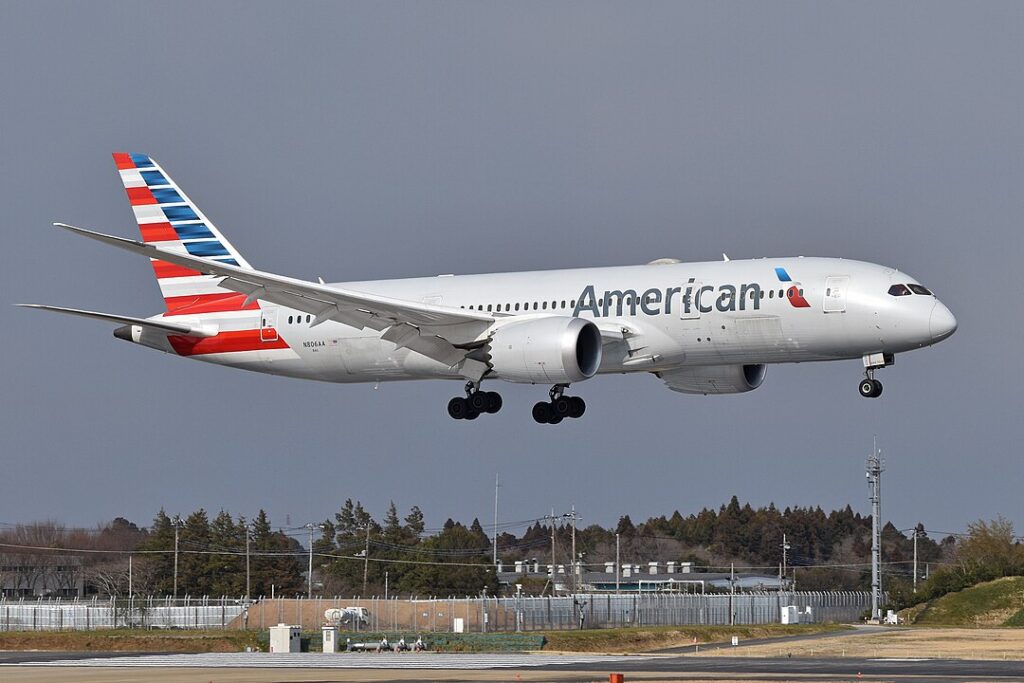
Deliveries Expected in the 2030s
The new aircraft are expected to be delivered during the 2030s. That timeline reflects the substantial order backlogs facing both Airbus and Boeing for popular widebody models.
American is also continuing to invest in some of its existing Boeing 777-200ER aircraft, including cabin upgrades and connectivity improvements. This indicates that the type is likely to remain part of the fleet for several more years while the replacement program progresses.
The carrier’s decision could therefore influence its long-haul capacity well beyond the current decade.
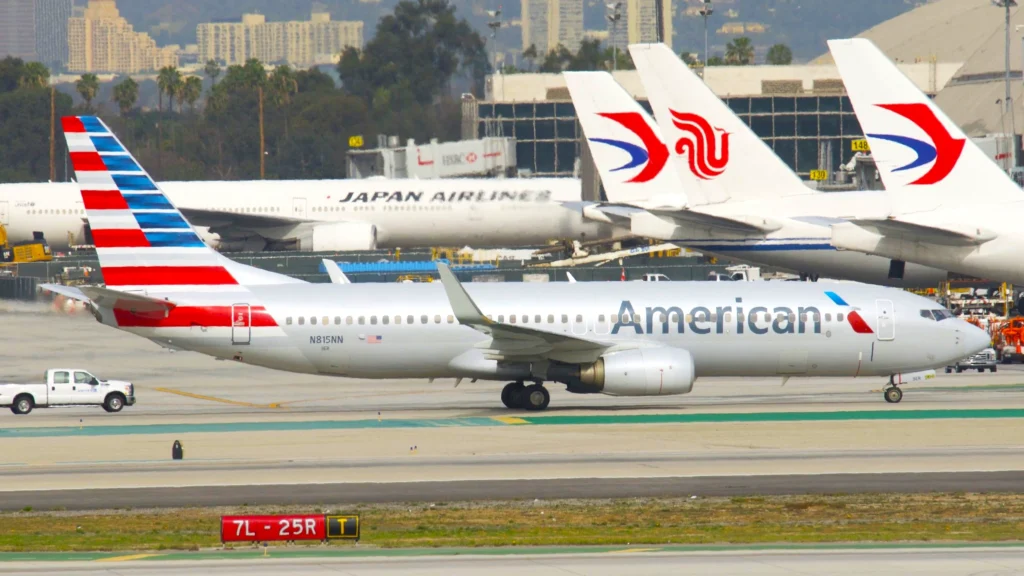
Boeing and Airbus Both Remain in the Race
American Airlines currently operates an all-Boeing widebody fleet, making Boeing a natural candidate for the replacement order.
The airline already has experience with the 787 family and has 19 Boeing 787-9s remaining on order. Continuing with the 787 would simplify fleet commonality, training, maintenance, and pilot requirements.
However, Airbus has an opportunity to break into American’s widebody fleet with a competing aircraft. The potential order could therefore become an important contest between the two manufacturers.
Four widebody families are relevant to the decision: the Airbus A330neo, Airbus A350, Boeing 777X and Boeing 787.
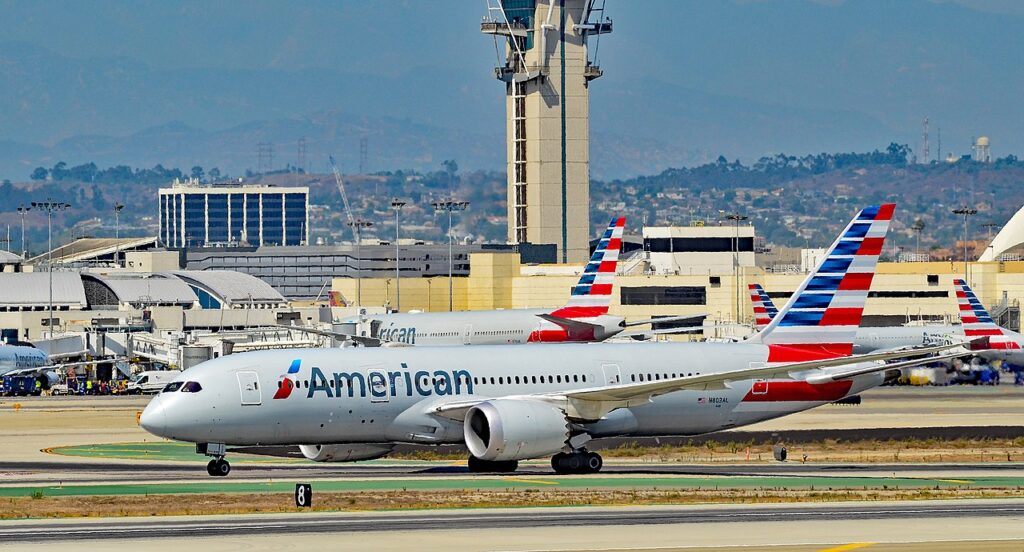
Boeing 787-10 Offers a Familiar Solution
The Boeing 787 appears to be one of the most logical choices for American. The airline already operates both the 787-8 and 787-9, giving it an established operational base with the family.
The 787-10 could also provide additional capacity while retaining the efficiency and commonality associated with the 787 platform.
The 787-10 has attracted orders from other major airlines, including Delta. However, aircraft availability remains an important consideration, with new deliveries extending into the 2030s.
For American, that long timeline may not necessarily be a major obstacle because the replacement program itself is focused on aircraft arriving in the next decade.
The larger issue is whether American wants to increase its exposure to a higher-capacity aircraft. The airline has generally emphasized smaller long-haul aircraft rather than adding very large widebody types.
Airbus A330-900neo Emerges as a Wild Card
The Airbus A330-900neo could provide American with an alternative to simply expanding its Boeing 787 fleet.
The A330neo is smaller and generally less expensive than some larger widebody alternatives. It also has the potential advantage of earlier availability compared with aircraft facing longer production backlogs.
An Airbus widebody order would also represent a major strategic shift because American currently operates an all-Boeing widebody fleet.
American Chief Commercial Officer Nat Pieper is another factor in the discussion. Before joining American, Pieper spent about a decade at Delta Air Lines, including time as vice president of fleet strategy and transactions.
Delta has become a significant A330neo operator, making Pieper’s previous fleet experience relevant to American’s current decision. His background does not confirm that American will select the A330neo, but it provides context for why the aircraft remains a credible option.
A350 and 777X Appear Less Likely
The Airbus A350 and Boeing 777X are also available to American in theory, but both present challenges under the airline’s current widebody strategy.
The A350 is larger than American’s existing 787-9 fleet and comes with higher acquisition and operating costs. Its capacity may also be greater than what American wants for many of its long-haul markets.
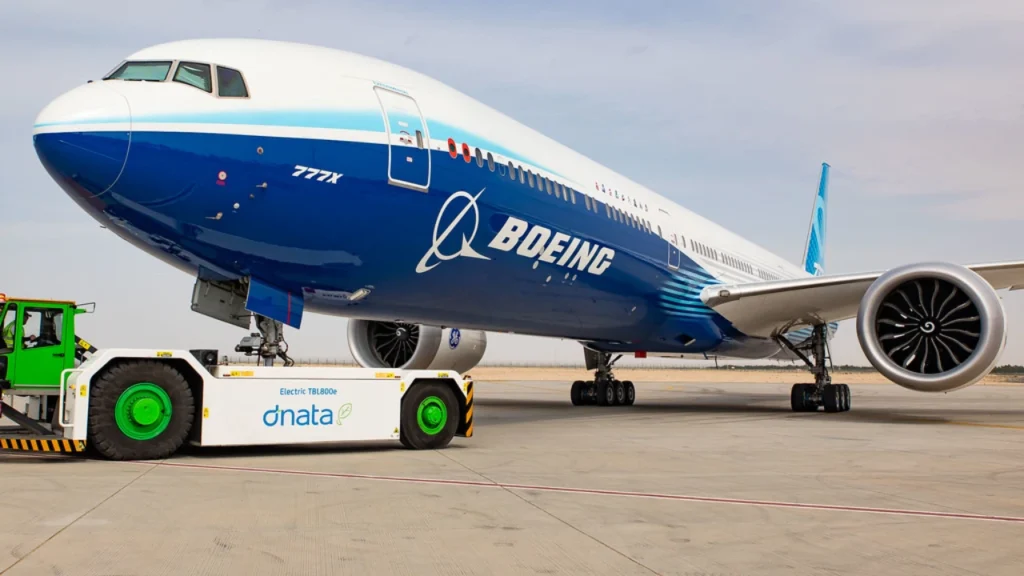
The Boeing 777X faces an additional issue because the aircraft has yet to enter commercial service and remains in the certification and development process.
The 777X would also represent a very large widebody investment at a time when American appears focused on aircraft with more moderate capacity.
As a result, the 777X and A350 appear less aligned with the carrier’s stated preference for lower-capacity long-haul aircraft.
American Faces a Widebody Fleet Strategy Decision
American’s current fleet structure reflects several major changes in its long-haul strategy over the past decade.
The airline retired its Boeing 757s, Boeing 767s and Airbus A330s earlier than many industry observers expected. Its former US Airways Airbus A330 fleet was also removed from service during the pandemic period rather than being retained as part of the long-term fleet.
That left American increasingly dependent on its Boeing 777 and 787 fleets for long-haul operations.
The carrier has maintained a comparatively young overall fleet, but fleet age alone does not determine passenger experience. American has increasingly focused on cabin upgrades, connectivity and onboard amenities as it works to improve the product offered across its network.
The new widebody order will therefore have implications beyond simply replacing older aircraft. It will determine which aircraft family becomes a major part of American’s international fleet during the 2030s.
What Aircraft Could American Order?
The Boeing 787-10 remains the straightforward option because American already operates the 787 family and has existing 787-9 orders.
The Airbus A330-900neo, however, could become the more unexpected choice if American wants a somewhat smaller and potentially more readily available aircraft while also controlling acquisition costs.
The A350 and 777X appear less compatible with American’s current preference for moderate-capacity long-haul aircraft.
Until American formally announces the order, the final aircraft mix remains unconfirmed. The airline’s comments indicate that the decision is approaching, with deliveries expected to begin during the 2030s.
Bottom Line
American Airlines is nearing a major widebody fleet decision that could involve up to 65 aircraft to replace its Boeing 777-200ERs. Boeing and Airbus remain in contention, with deliveries expected during the 2030s.
The Boeing 787-10 is the most obvious choice because of American’s existing 787 fleet, while the Airbus A330-900neo could provide a credible alternative. The larger A350 and 777X appear less likely based on American’s preference for lower-capacity long-haul aircraft.
Stay tuned with us. Further, follow us on social media for the latest updates.
Join us on Telegram Group for the Latest Aviation Updates. Subsequently, follow us on Google News
