

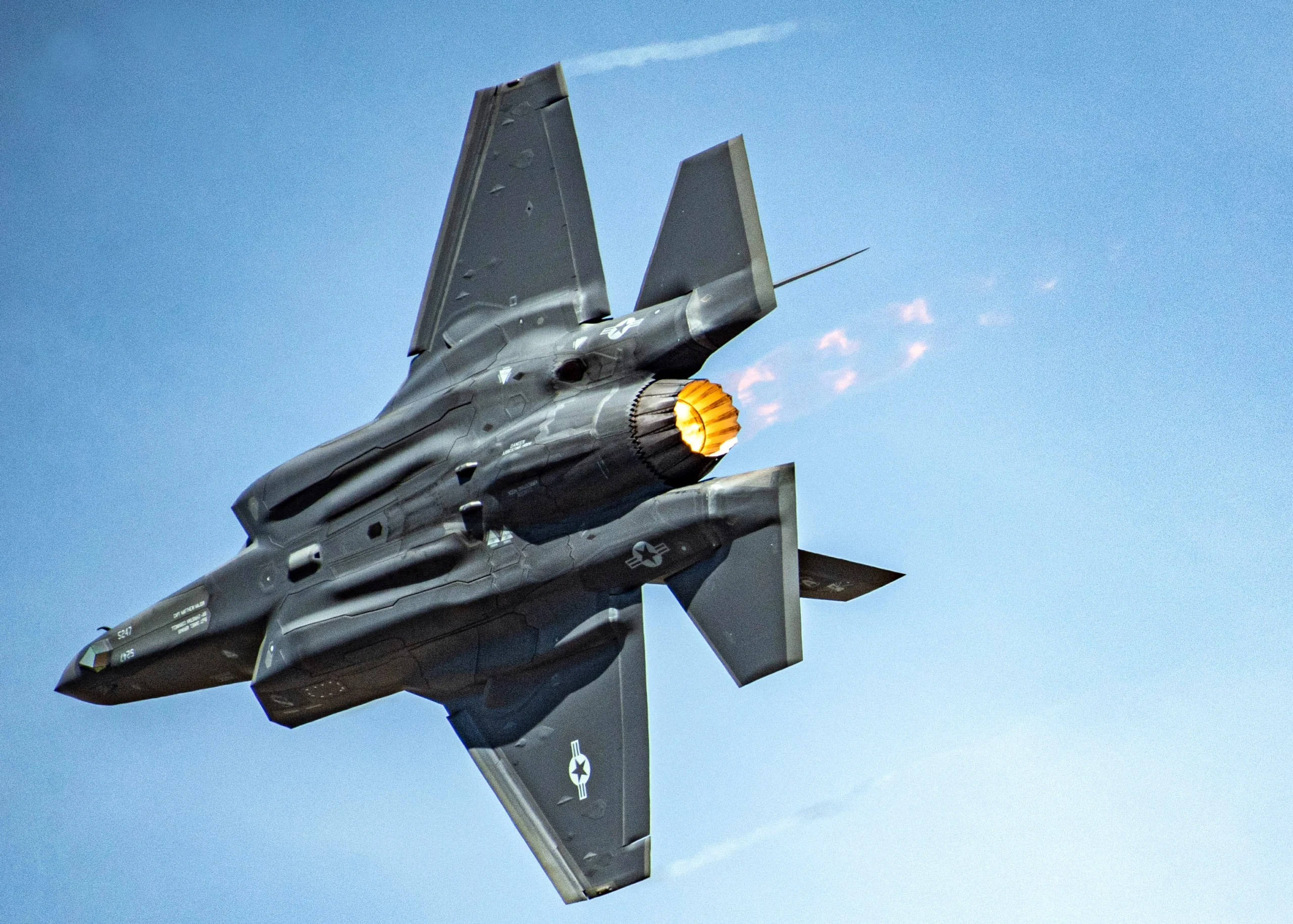
MONTGOMERY- The 187th Fighter Wing, known as the Red Tails, tested its ability to generate and sustain F-35A Lightning II combat power during Operation Tuskegee Thunder at Montgomery Regional Airport (MGM), also known as Dannelly Field, in Alabama.
The exercise placed the wing in a simulated Pacific operating environment, where airmen faced degraded communications, chemical threats, unmanned aircraft systems, simulated attacks, and casualties while continuing F-35A operations.
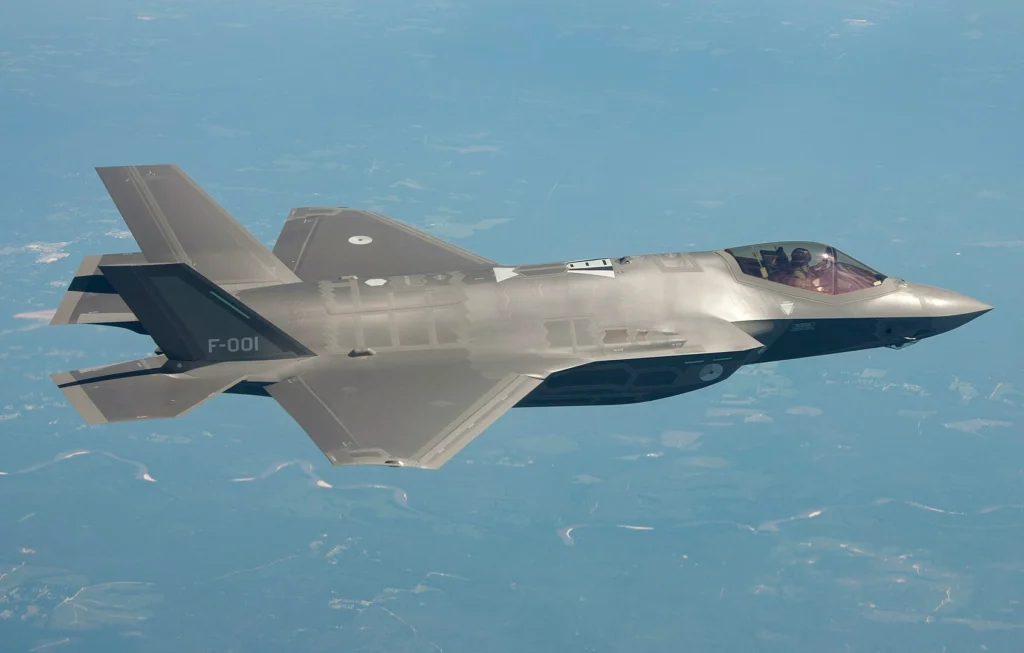
Red Tails Put F-35A Readiness to the Test
Operation Tuskegee Thunder took place from August 12 to 14 alongside the 187th Fighter Wing’s combat readiness inspection. The exercise was designed to evaluate whether the wing could continue producing combat airpower under conditions that could disrupt normal operations.
Airmen carried out offensive and defensive counter-air missions while responding to changing threats across the installation. The training focused on more than aircraft operations, requiring personnel to protect the force, maintain command and control, respond to casualties, and keep aircraft available for missions.
The inspection marked a major milestone in the 187th Fighter Wing’s transition to the F-35A mission. The wing is expected to provide fifth-generation fighter capability as part of the total force supporting joint operations.
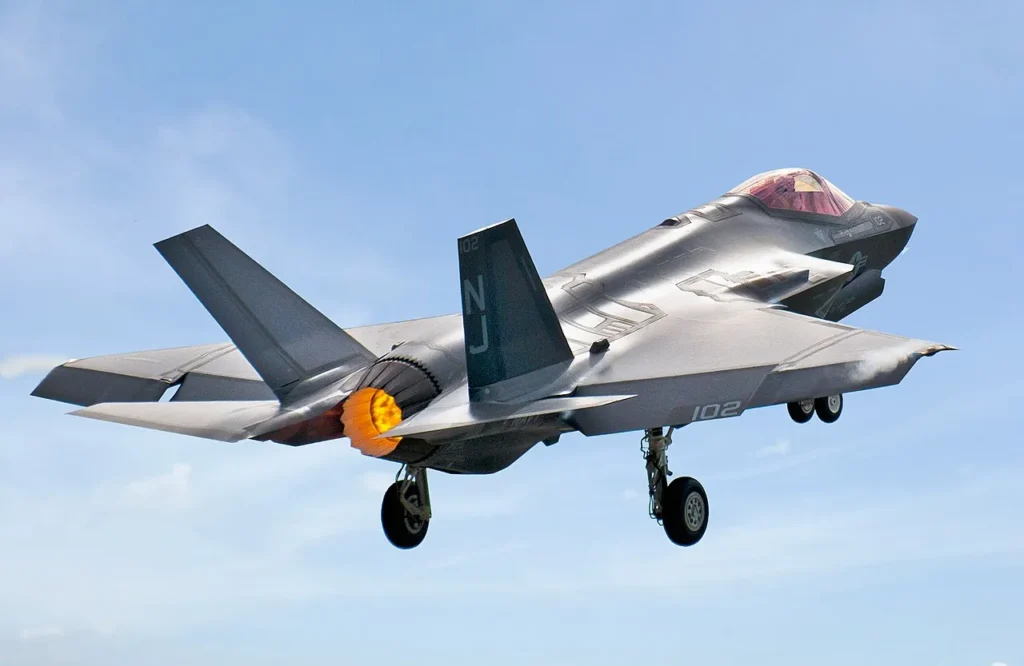
Simulated Attacks Challenge Wing Operations
The exercise introduced multiple disruptions intended to test how quickly personnel could adapt.
Airmen dealt with simulated attacks, degraded communications, chemical threats, unmanned aircraft systems, and casualties. Situation changes were announced throughout the exercise, while simulated live-fire tests added additional pressure.
When primary communication methods became unavailable, units moved to alternate, contingency, and emergency communication procedures. These actions allowed command and control functions to continue while other mission activities remained underway.
Security personnel also confronted simulated gate runners and ground attacks. Medical teams responded to mass-casualty scenarios, while Army partners supported simulated medical evacuations.
The training required personnel to continue the mission even after responding to threats. Pilots still had to fly, maintainers had to keep aircraft ready, and support personnel had to protect the equipment and infrastructure needed to sustain operations.
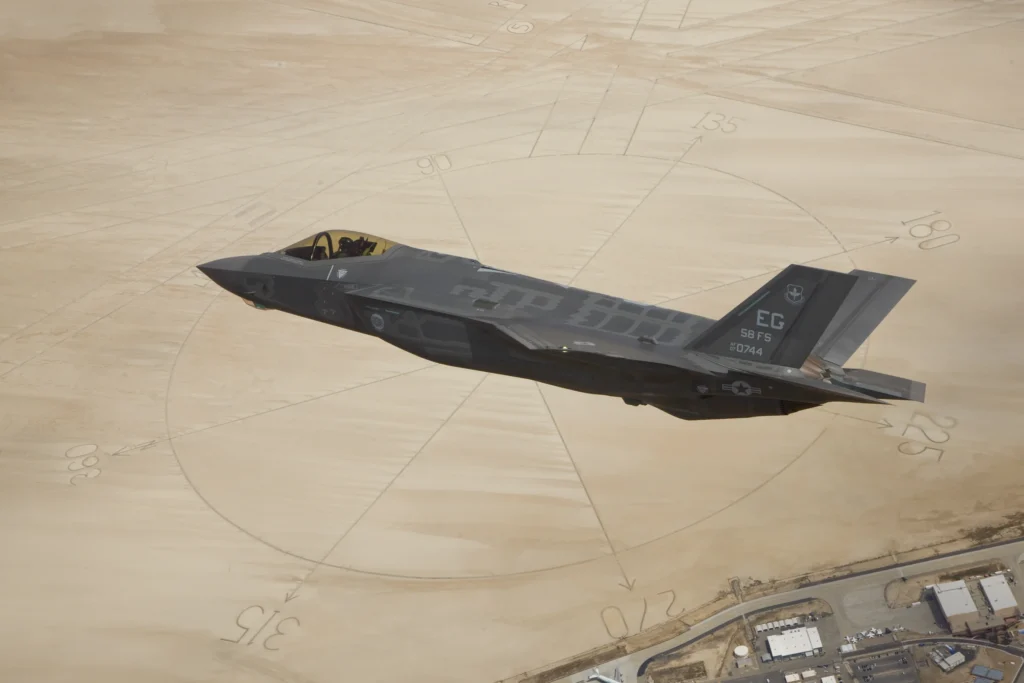
F-35 Transition Drives Training Focus
The 187th Fighter Wing received its first F-35As at Dannelly Field in December 2023, beginning its transition from the F-16 Fighting Falcon.
Receiving the aircraft was only one part of the conversion. The wing also needed to train personnel and establish the processes required to operate and sustain the F-35A in demanding conditions.
Since receiving the aircraft, the Red Tails have participated in large-force exercises, conducted nighttime training, and practiced operations from distributed locations.
The wing supported Exercise Resolute Force Pacific in 2025, moving personnel and equipment to support distributed operations across the Pacific region.
Earlier in 2026, the wing continued this approach during Exercise Sentry South 26-2. F-35s operated from Dannelly Field while a small maintenance team worked from a forward location.
These exercises helped the wing develop experience in sustaining F-35 operations when personnel, aircraft, and maintenance resources are distributed across multiple locations.
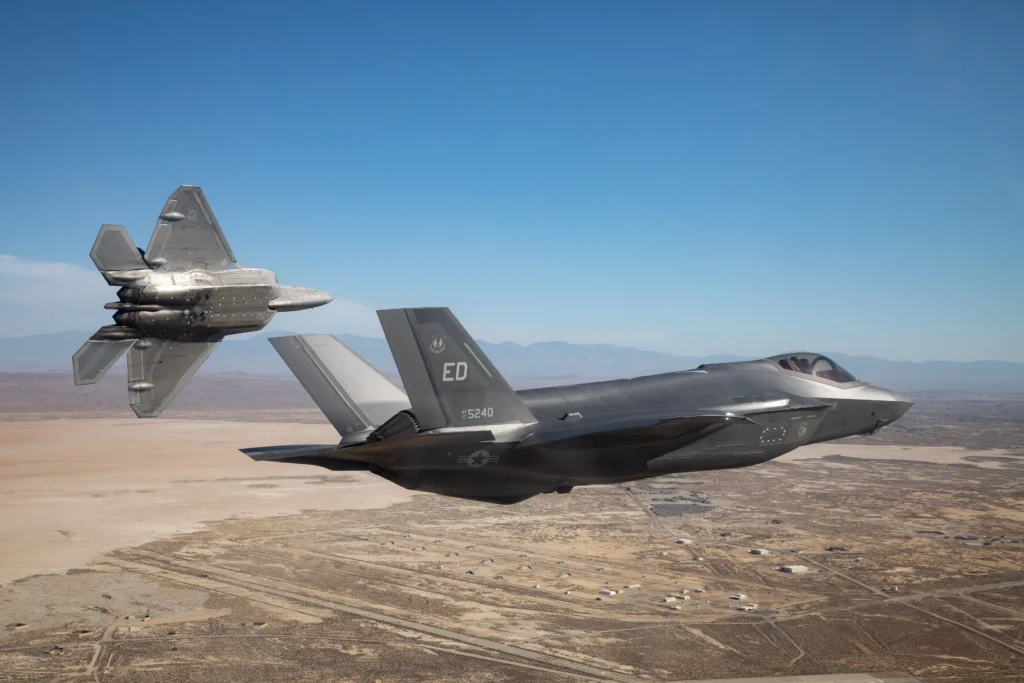
Entire Wing Supports F-35 Combat Power
Operation Tuskegee Thunder demonstrated that F-35 readiness depends on more than pilots and aircraft.
Pilots and operations personnel planned and executed missions, while maintainers generated aircraft for flight operations. Security forces protected the installation, logisticians moved personnel and equipment, communications specialists maintained information flow, and medical personnel handled simulated casualties.
The exercise also required personnel at different operating sites to work toward the same F-35 mission.
Air Force Lt. Col. Martin Smith, an F-35 pilot assigned to the 187th Fighter Wing, said operating a fifth-generation fighter in a contested environment requires the entire wing to contribute to the mission.
The exercise therefore focused on maintaining command and control, protecting personnel and equipment, adapting to changing conditions, and continuing to generate combat airpower.
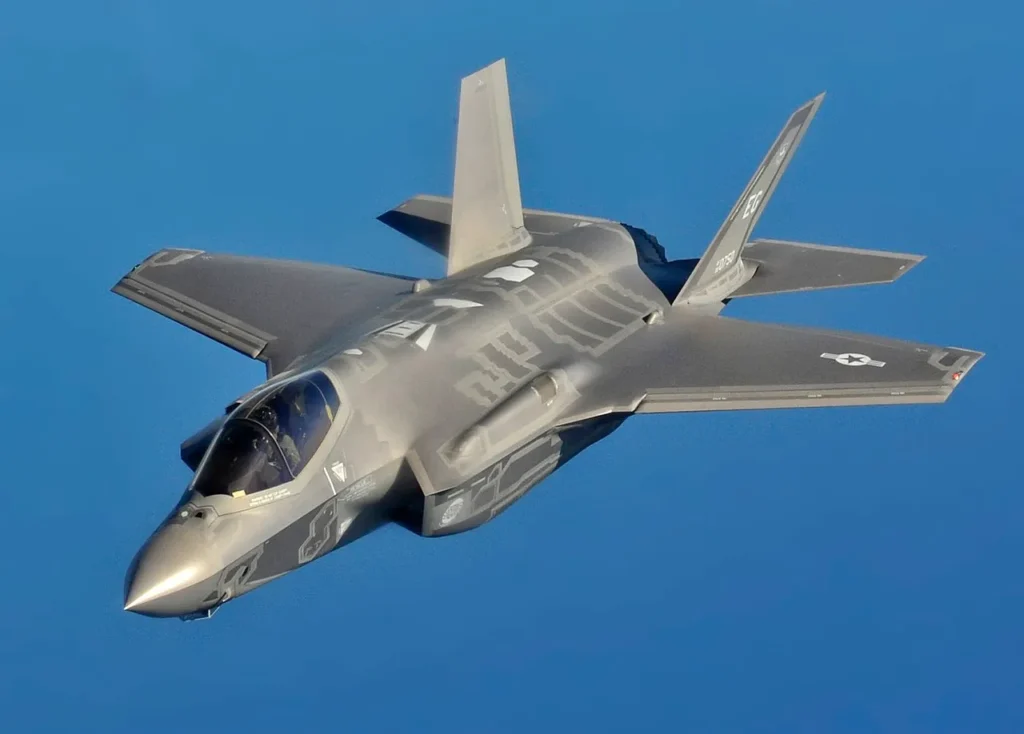
Training Builds F-35 Operational Resilience
The Red Tails used Tuskegee Thunder to practice responses to problems that could affect real-world operations.
Smith noted that real combat conditions may involve fatigue, communication failures, and unexpected changes. The exercise gave airmen an opportunity to work through those challenges before facing them during an actual operation.
The training also reinforced the importance of keeping aircraft airborne despite disruptions across the installation. Aircraft generation remained linked to maintenance, logistics, security, communications and medical support.
Col. John D. Caldwell, commander of the 187th Fighter Wing, said the exercise demonstrated that readiness ultimately depends on the airmen responsible for sustaining operations under difficult conditions.
The latest inspection represents another step in the wing’s multi-year transition to the F-35A. By combining aircraft operations with installation defense, contingency communications, distributed operations, and casualty response, the Red Tails tested the broader system required to keep fifth-generation combat airpower available.
Stay tuned with us. Further, follow us on social media for the latest updates.
Join us on Telegram Group for the Latest Aviation Updates. Subsequently, follow us on Google News
