

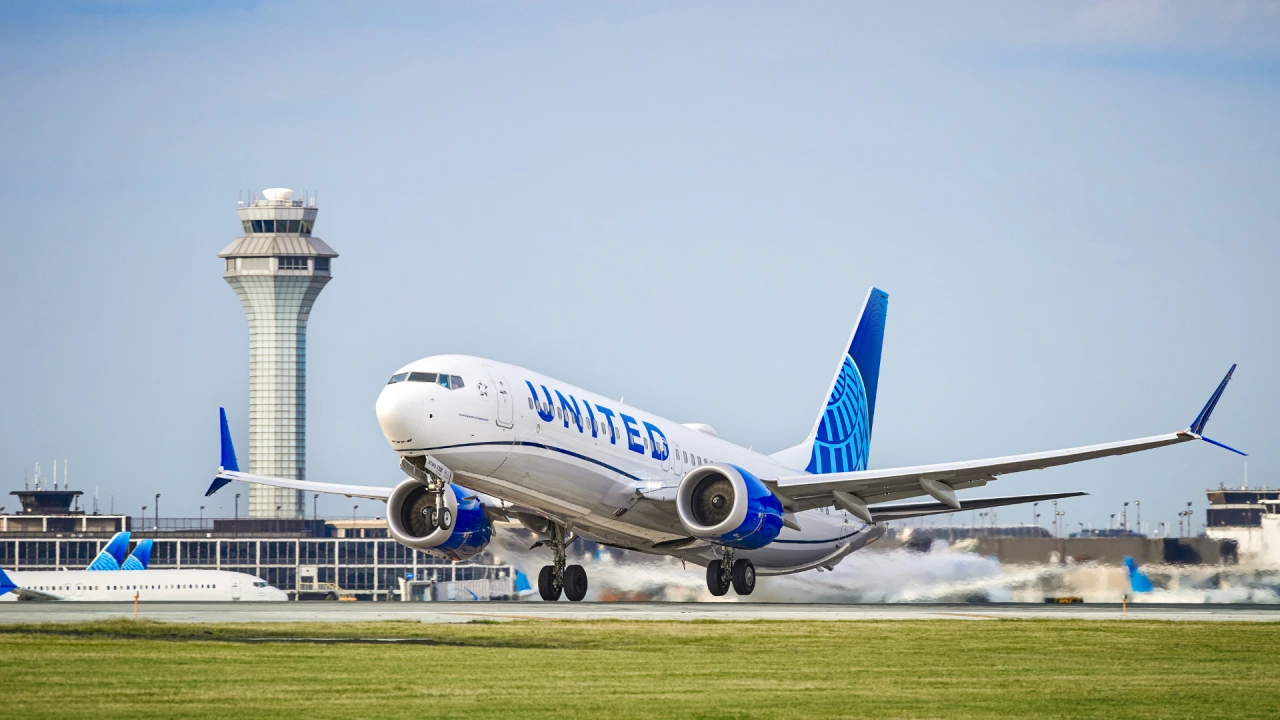
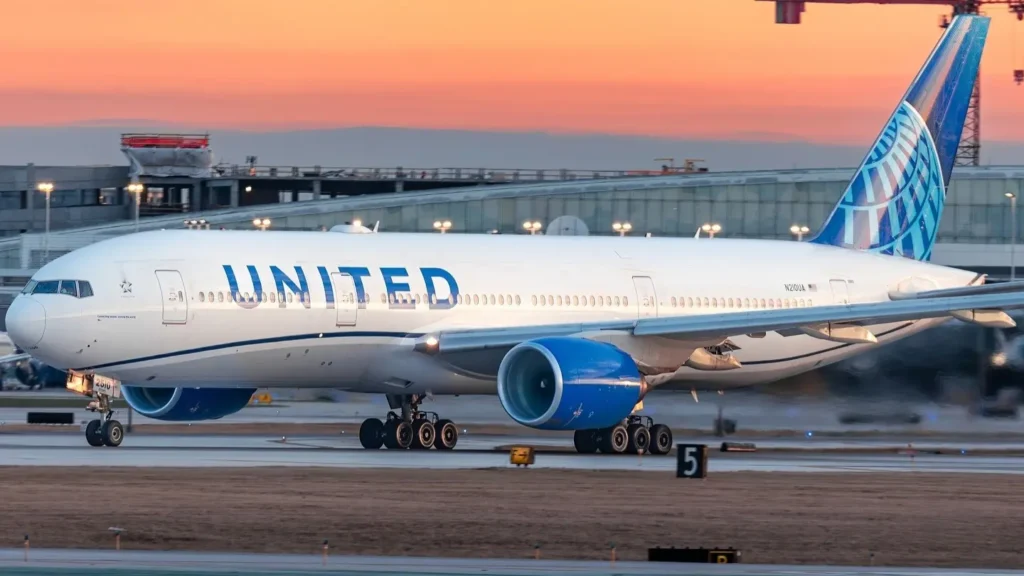
CHICAGO- United Airlines (UA) has launched a new mobile app feature that lets eligible customers rebooked after a disruption stand by for up to 3 earlier flights while keeping their existing confirmed reservation.
The feature gives disrupted passengers another way to reach their destination sooner. Chicago is among the airports where the airline’s expanding digital tools are particularly relevant during irregular operations.
United Expands Standby Options During Disruptions
United introduced the new feature on September 1, 2026, describing it as an industry-first mobile app capability. Passengers who are rebooked onto a later flight after a disruption can now add themselves to the standby list for as many as 3 earlier United flights.
The key difference is that customers do not have to give up their confirmed booking simply to try for an earlier departure. United keeps the later reservation in place while the passenger waits for an available seat on one of the selected earlier flights.
The process is designed to reduce the need for passengers to repeatedly check the app. United monitors seat availability on the selected flights and sends a text message when a seat becomes available.
The passenger can then decide whether to move to the earlier flight or retain the original confirmed itinerary.
Jennifer Schwierzke, United’s Vice President of Customer Operations, Strategy & Execution, said the feature allows customers to keep their confirmed itinerary while standing by for three additional flights. She said the airline will monitor availability and alert customers when a seat becomes available.
Change Matters to Non-Revenue Travelers
The new function could create another challenge for non-revenue, or non-rev, staff travelers who rely on standby space to reach their destinations.
A non-rev traveler may already be competing for seats that become available close to departure. Under the new system, a revenue passenger whose original flight was disrupted can retain a confirmed reservation while also seeking an earlier flight.
When a seat opens on that earlier service, the passenger can take it before the opportunity reaches the normal standby pool.
For staff travelers, this can make last-minute seat availability less predictable. A seat that appears open shortly before departure may no longer remain available if an eligible disrupted passenger moves onto the flight.
The feature does not eliminate non-rev standby, but it adds another source of demand for seats that become available during irregular operations.
That distinction is important because airline employees traveling on space-available benefits generally depend on residual capacity after revenue passengers and other higher-priority travelers have been accommodated.
United Already Uses Automatic Rebooking
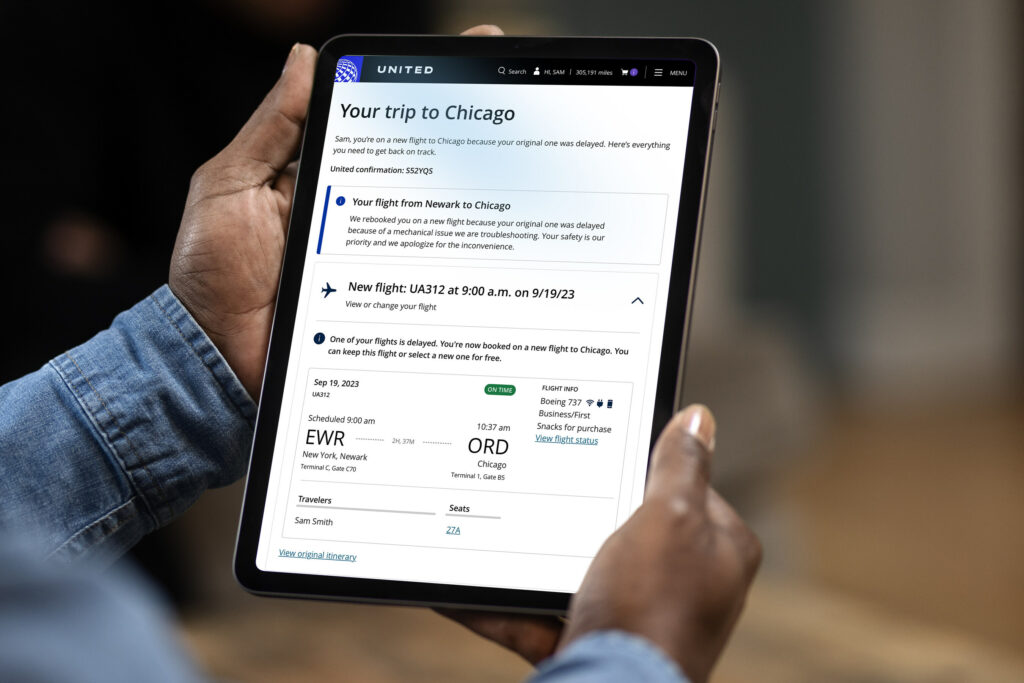
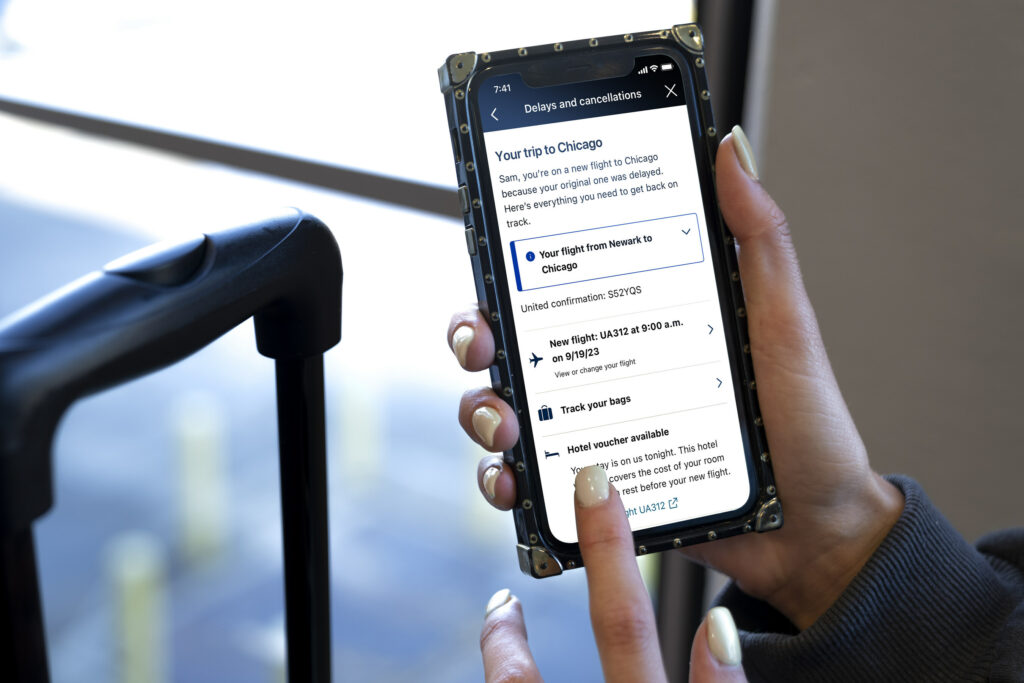
United already provides automatic rebooking during significant disruptions, including cancellations and major delays.
The airline’s existing recovery tools are designed to move customers onto available alternatives without requiring them to wait for an airport agent.
The new standby function adds flexibility to that process. Instead of choosing between a confirmed later flight and an uncertain attempt to move earlier, eligible customers can keep the confirmed option while pursuing up to 3 earlier departures.
United’s broader disruption tools also include assistance with eligible meal and hotel vouchers, checked-bag tracking and other self-service functions that reduce the need for customers to visit a service desk.
United’s Mobile App Keeps Expanding
The standby update is part of a broader push by United to move more travel and disruption management into its mobile app.
Recent app capabilities include real-time checked-bag tracking, personalized connection assistance and additional travel information designed to help passengers navigate airports and changing itineraries.
United has also developed tools that provide connection directions, estimated walking times and updated flight information.
ConnectionSaver is another major part of the airline’s digital recovery system. The technology can identify passengers with tight connections and, when operationally feasible, allow a departing aircraft to wait briefly for customers who have a realistic chance of reaching the gate.
United has also added real-time information around delays, weather and airport navigation. These features aim to give passengers more information without requiring them to contact an agent for every change.
PYOK also highlighted United’s growing reliance on app-based tools as the airline continues to expand its digital travel experience.
Virtual Gate Reduces Gate Crowding
United’s virtual gate feature is another recent addition to the app.
Instead of requiring passengers to remain beside the physical gate waiting for their boarding group to be announced, the feature provides real-time updates on the group currently boarding. A progress bar also shows how many passengers have already boarded.
The objective is to give customers more freedom to move away from crowded gate areas while still receiving timely boarding information. United included the feature in its Travel section alongside other day-of-travel tools.
More Than 85% of United Customers Use the App
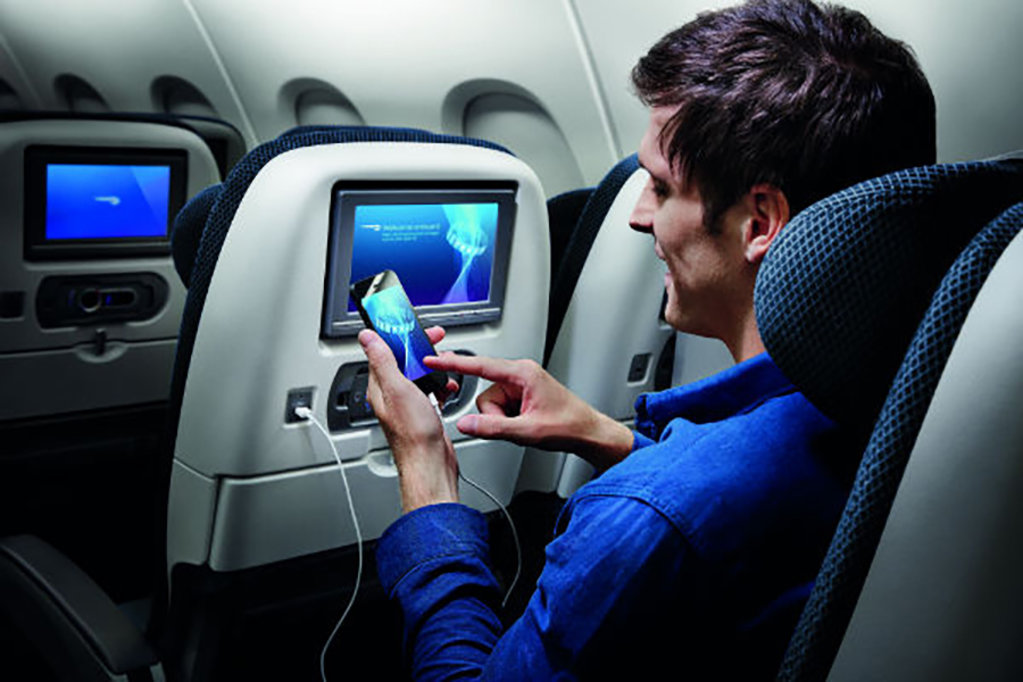
United’s latest announcement said more than 85% of its customers use the airline’s mobile app on the day they travel. The figure shows how central the app has become to United’s customer-service strategy.
The figure is slightly higher than the more than 84% usage rate United reported in December 2025, when the airline detailed other app upgrades including its virtual gate and real-time bag tracker.
United is rolling out the new standby feature ahead of the 2026 Labor Day travel period. The airline expects more than 3.4 million customers to fly between September 3 and September 8, about 300,000 more than during the comparable period a year earlier.
Ryanair’s App Strategy Has Also Changed
The original comparison with Ryanair requires an update because the airline’s boarding-pass policy has changed.
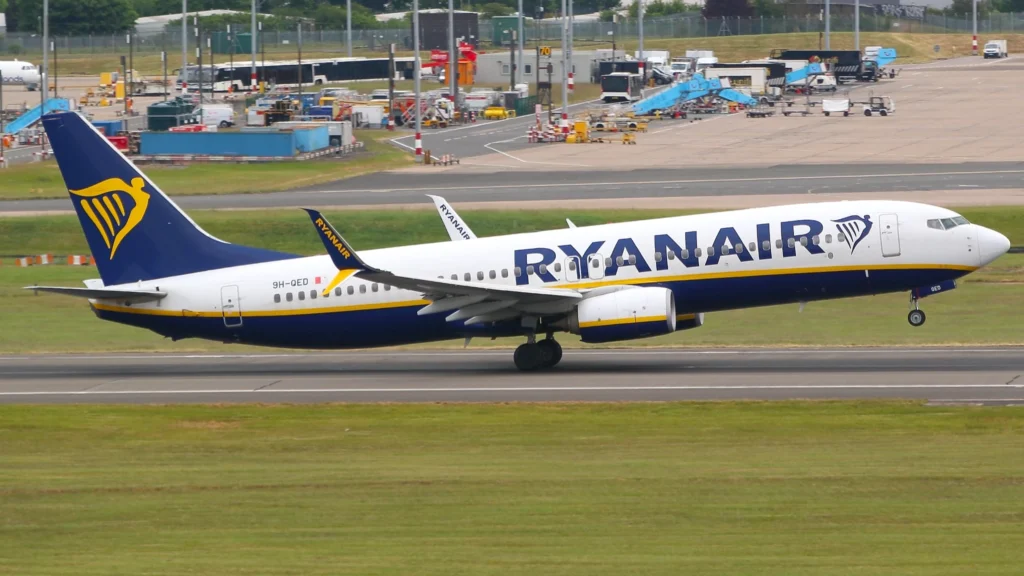
Ryanair moved to 100% digital boarding passes on November 12, 2025. Passengers are expected to complete online check-in and access their digital boarding pass through the Ryanair app. Customers who arrive without completing online check-in can still face an airport check-in fee.
Ryanair also states that passengers who have already checked in online but cannot present a digital boarding pass can receive assistance at the airport without an additional charge in applicable situations.
Passengers without a smartphone or tablet can also receive a free boarding pass at the airport after completing online check-in.
That policy means the older comparison suggesting that Ryanair still routinely prints paper boarding passes for passengers who completed online check-in is no longer accurate. The airline’s current model is strongly centered on its digital boarding pass system.
Standby Competition
United’s new tool changes the balance between confirmed passengers recovering from disruptions and travelers competing for last-minute space.
For a disrupted customer, the benefit is straightforward: an earlier flight can become an option without sacrificing the security of the existing confirmed reservation.
For non-rev travelers, however, the same process can reduce the number of seats that remain available at the final stage of the boarding process. The operational effect will depend on passenger demand, available inventory, and United’s standby priorities, but the feature clearly gives eligible disrupted customers another mechanism for accessing earlier flights.
The broader trend is equally significant. United continues to shift disruption management from airport service counters to automated digital systems.
As more passengers use those tools, standby inventory can be influenced earlier and more dynamically through the airline’s app rather than only through traditional airport processes.
Stay tuned with us. Further, follow us on social media for the latest updates.
Join us on Telegram Group for the Latest Aviation Updates. Subsequently, follow us on Google News
