

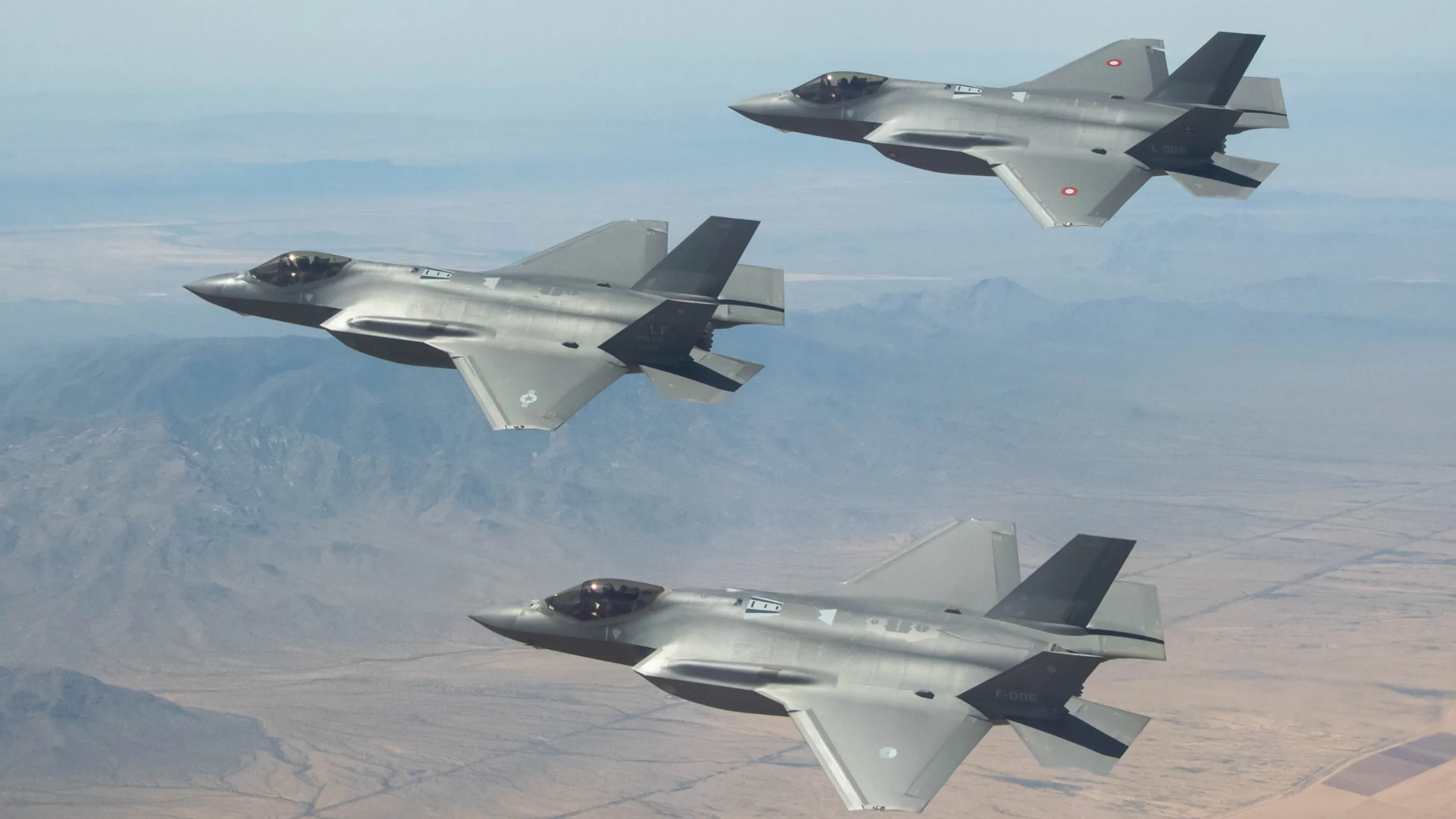
ARLINGTON- The Pentagon now projects the F-35 Joint Strike Fighter program will cost about $536.3 billion to develop and procure, up from $485.2 billion in the previous estimate. Its total lifecycle cost, however, has fallen to roughly $1.93 trillion from $2.06 trillion.
The program is operated by the US Air Force, Marine Corps and Navy. The 3 variants are the F-35A, F-35B and F-35C.
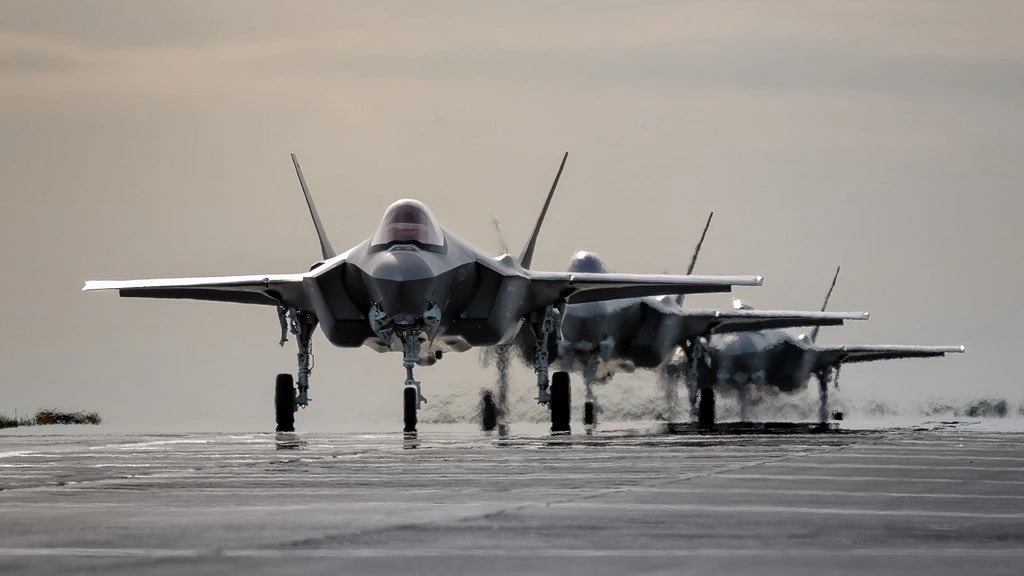
F-35 Program Lifetime Estimate Falls Below $2 Trillion
The Pentagon’s latest Modernized Selected Acquisition Report (MSAR), covering 2025, shows a major split in the F-35 program’s financial outlook. Acquisition costs have increased, while the projected cost to operate and sustain the aircraft over its full service life has declined.
The Pentagon estimates that acquiring all planned F-35 aircraft will cost about $536.3 billion, including development and procurement. That compares with $485.2 billion in the previous MSAR published in 2024, an increase of about $51 billion.
At the same time, the estimated total lifecycle cost has dropped from $2.06 trillion to approximately $1.93 trillion. The figures are adjusted for inflation to estimate costs in the year the spending occurs, so they should not be read as simple nominal-dollar totals.
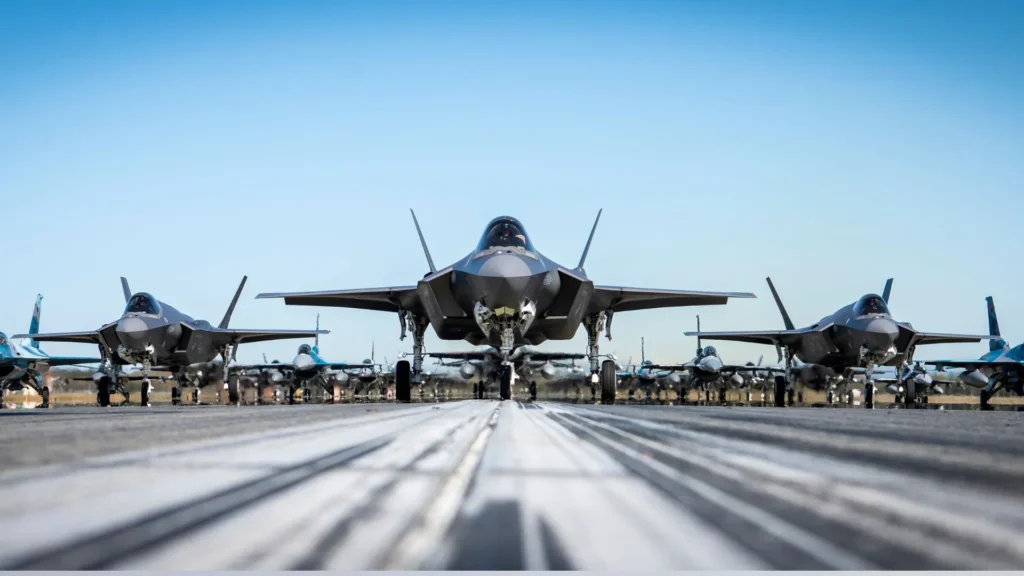
Why Acquisition Costs Have Increased?
The F-35 Joint Program Office confirmed that the latest acquisition estimate is higher because of increases in both development and procurement costs.
About $19 billion of the roughly $51 billion increase is linked to higher development costs for the aircraft and its engine. Another $32 billion comes from higher procurement costs, including additional spare parts intended to improve weak readiness rates and the purchase of an advanced radar.
Delays affecting the advanced radar have also forced the Pentagon to accept some aircraft without the intended nose-mounted sensor, adding another complication to the program’s procurement and modernization effort.
Lockheed Martin, which builds the aircraft, said the latest MSAR reflects the program’s move into full-rate production, renewed high-volume development deliveries and continued international growth.
The company also said the focus has shifted toward major modernization, fleet readiness and control of long-term sustainment and integration costs.
Pratt & Whitney, the RTX subsidiary that supplies the F-35 engine, referred an inquiry about the cost increase to the Defense Department’s F-35 Joint Program Office.
Breaking Defense has also reported on the F-35 program’s changing cost estimates and modernization challenges.
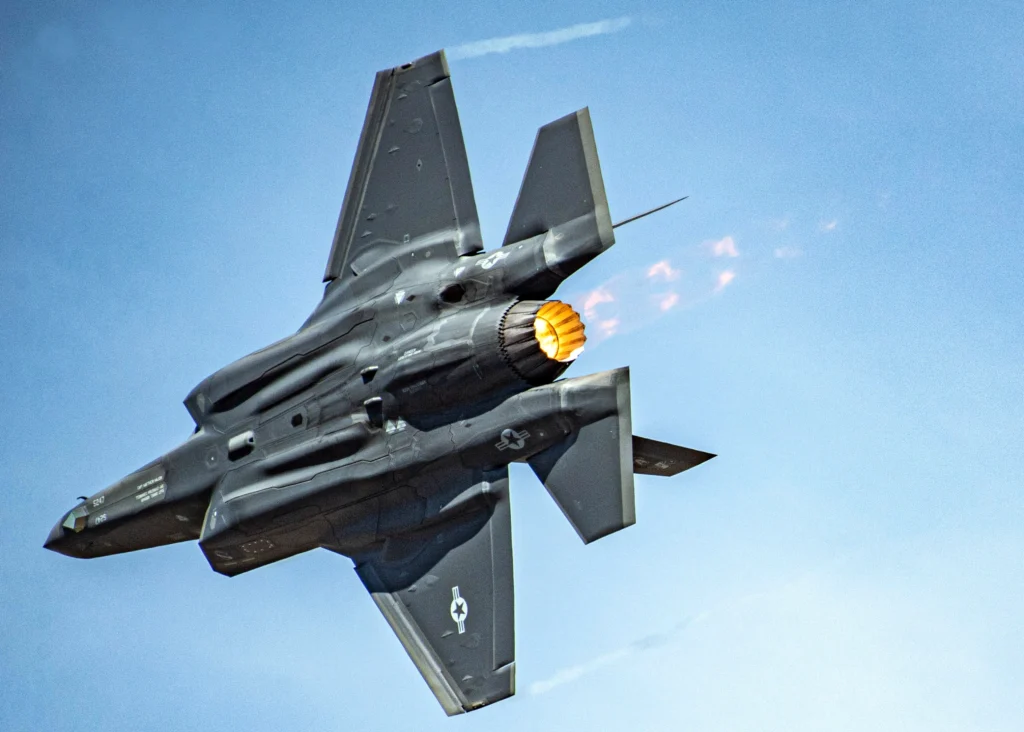
Lifetime Cost Is Now $1.93 Trillion
The lifecycle estimate covers far more than the aircraft’s purchase price. It includes expected spending on fuel, staffing, operations, maintenance, sustainment and future upgrades over roughly 6 decades.
Because those costs extend far into the future, the $1.93 trillion figure remains an estimate based on changing assumptions. Pentagon planners can revise it when expectations for material prices, manpower, operating requirements or modernization change.
The latest MSAR also credits “affordability initiatives” with helping lower anticipated costs. Changes in projected material and manpower expenses also affect the overall calculation.
The decline therefore does not mean the F-35 has become cheaper to operate in every category. It means the Pentagon’s current assumptions produce a lower total lifecycle projection than the previous estimate.

Three F-35 Variants
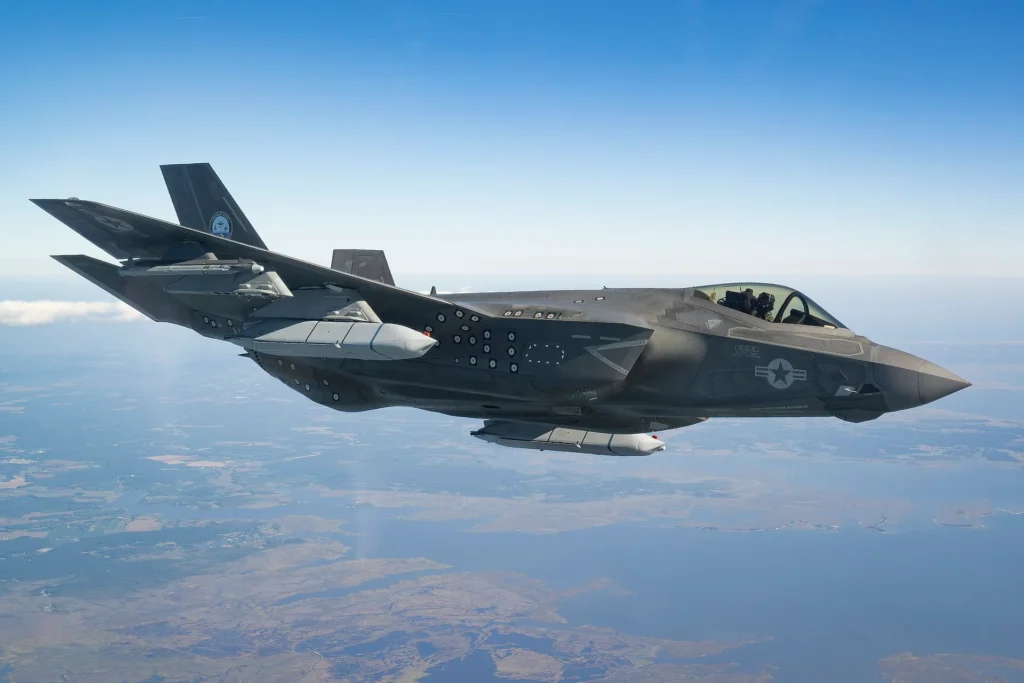
The F-35 program covers 3 variants built for different operating environments.
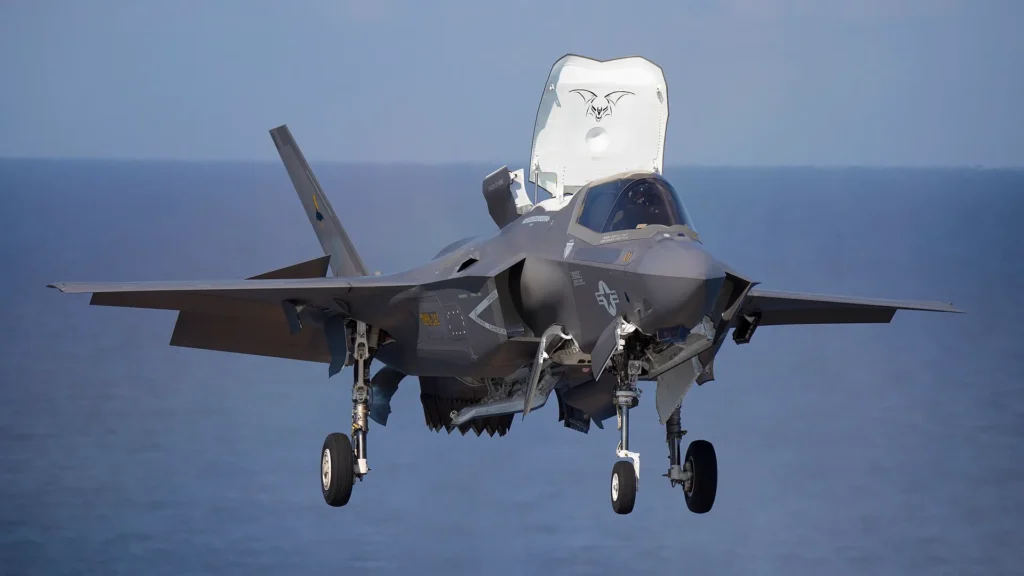
The F-35A is the conventional takeoff and landing version used by the Air Force. The F-35B provides short takeoff and vertical landing capability for the Marine Corps. The F-35C is the carrier-capable variant operated by the Navy and Marine Corps.
Lockheed Martin produces the aircraft, while Pratt & Whitney supplies its engine. The program also has 19 international customers in addition to the United States, giving the aircraft a large global user base.
Block 4 Adds Modernization Challenge
The Pentagon is pursuing several major upgrades to the F-35. One effort focuses on improving the engine, while another is intended to provide a new power and thermal management system to address the aircraft’s cooling requirements.
The broader Block 4 modernization program is designed to add new capabilities but has faced significant cost and schedule problems. The effort is over budget and years behind schedule, according to officials.
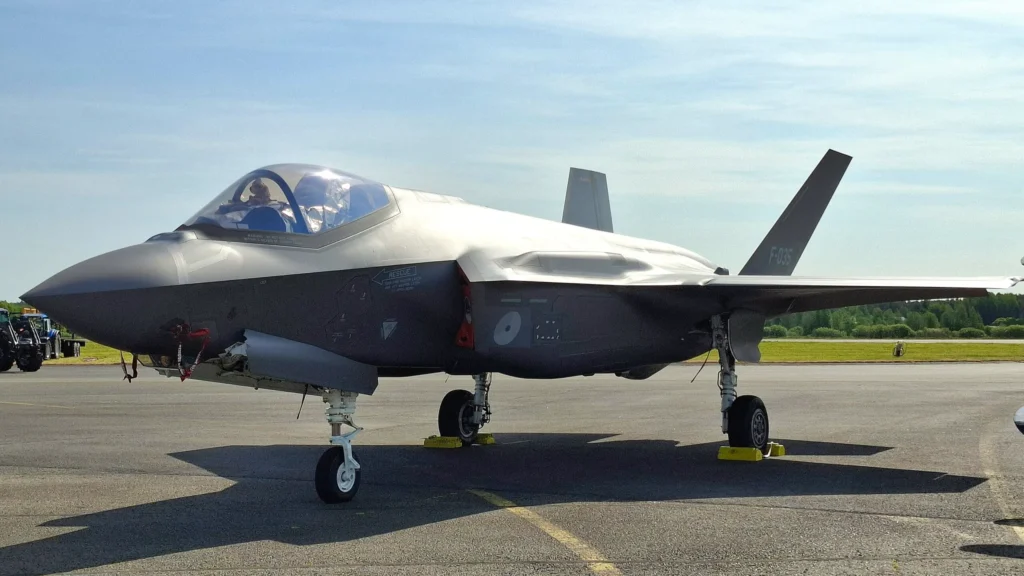
Block 4 depends on a new computing backbone known as Technology Refresh 3, or TR-3. The system has still not received combat certification, and aircraft delivered with the affected configuration over the past two years have consequently been restricted to training use.
Future Operations
The Pentagon’s lifecycle projection is not fixed. New assumptions, operational demands and changes in the aircraft’s planned service life can alter the total in future MSARs.
The latest report uses data from 2025, meaning it does not include the full effect of the high operational tempo of F-35s during the ongoing war against Iran.
That limitation could make future estimates different as more recent operational experience enters the Pentagon’s calculations.
The projected service life of the F-35A has also changed. The 2023 MSAR expected the variant to operate through 2088, while the latest MSAR projects F-35A operations through 2083.
A shorter assumed operating period can reduce projected fuel, personnel, maintenance and sustainment spending.
How $2 Trillion Figure Changed
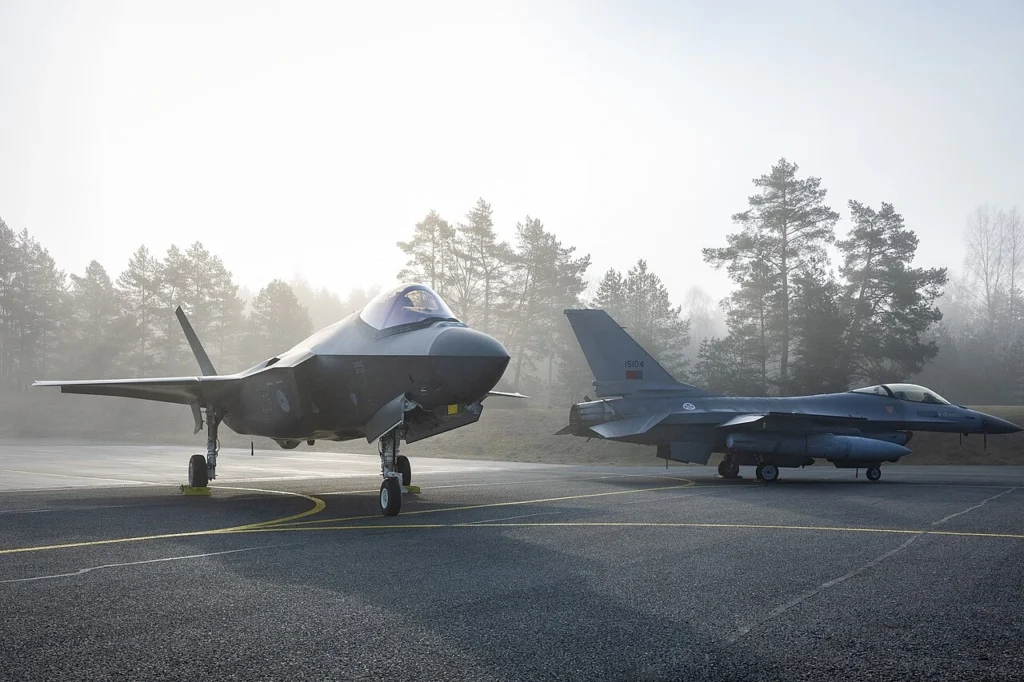
The F-35 previously crossed the $2 trillion threshold in a 2024 Government Accountability Office review.
The GAO reported that the Defense Department expected acquisition and sustainment costs to exceed $2 trillion, with long-term sustainment representing a major share of the total.
The earlier estimate was also influenced by expectations that the aircraft would remain in service through 2088. The latest Pentagon projection uses a shorter F-35A operating period and incorporates revised cost assumptions, helping bring the lifecycle total below $2 trillion.
The latest figure should therefore be viewed as a moving planning estimate rather than a final bill. Costs can change as production, modernization, operations and fleet assumptions are updated.
What Latest Numbers Show
The latest F-35 figures do not eliminate the program’s enormous financial burden. They show that acquisition cost and lifecycle cost can move in different directions.
The Pentagon now expects to spend more to develop and procure the planned fleet, largely because of higher development expenses, additional procurement requirements, spare parts and advanced equipment.
Yet revised assumptions about long-term operations and affordability have lowered the projected lifetime total to about $1.93 trillion.
The Pentagon’s own MSAR cautions against treating the $2 trillion figure as the full measure of the program’s value. It points to global demand and argues that the aircraft’s value proposition should be considered alongside its cost.
Stay tuned with us. Further, follow us on social media for the latest updates.
Join us on Telegram Group for the Latest Aviation Updates. Subsequently, follow us on Google News
