

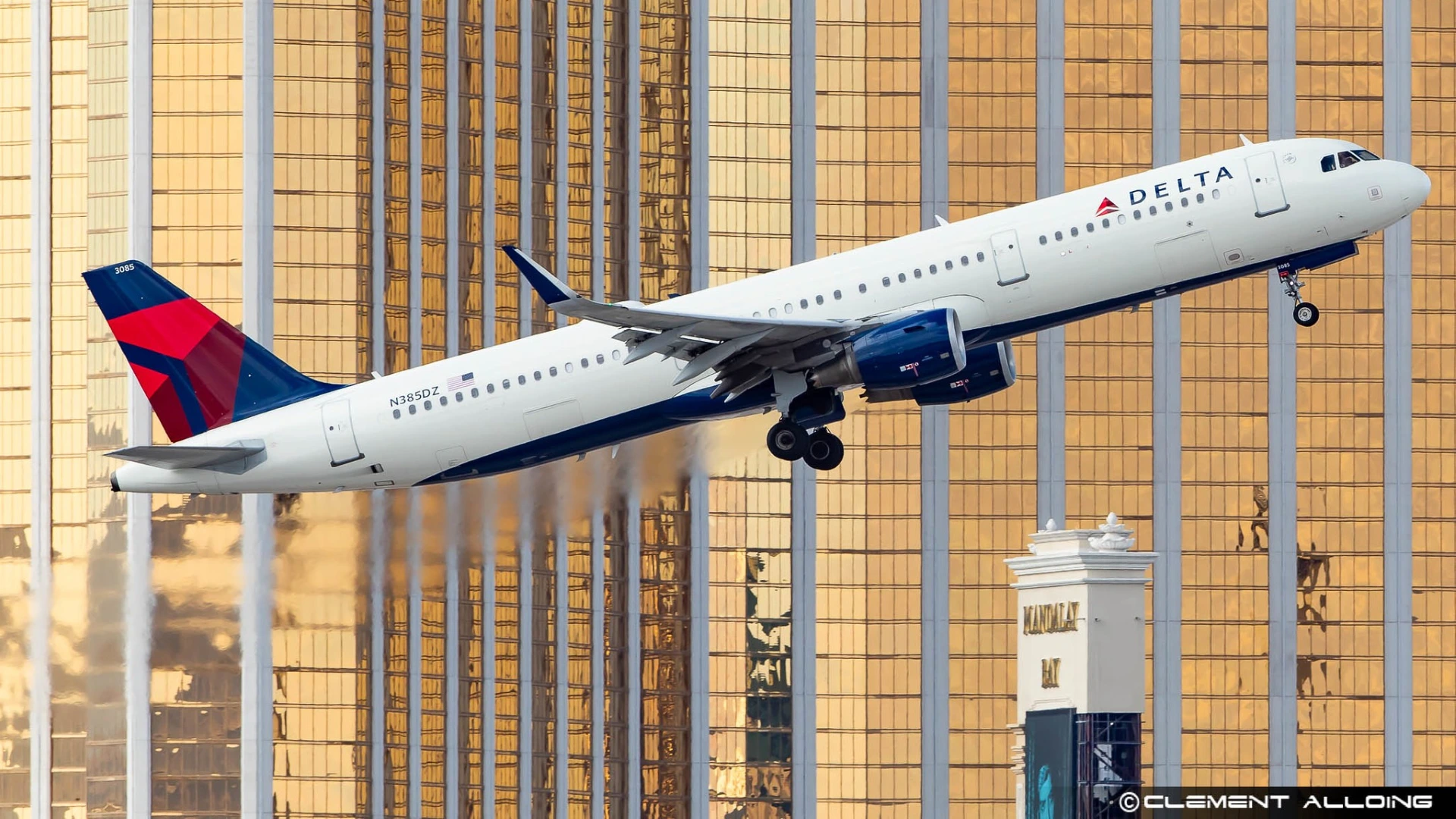
ATLANTA- Delta Air Lines (DL) faced a customer-service problem at Southwest Florida International Airport (RSW) on August 29 after Delta Flight 749 diverted from its scheduled route between Los Angeles (LAX) and Tampa (TPA) because of thunderstorms.
The Airbus A321neo later continued to Tampa, but some passengers were unable to reboard after leaving the secure area.
Passengers said a flight attendant directed them to Carousel 7 to collect their checked bags.
Those who followed the reported instruction found that TSA screening at RSW had closed, leaving them landside while the aircraft departed for Tampa with their luggage still onboard.
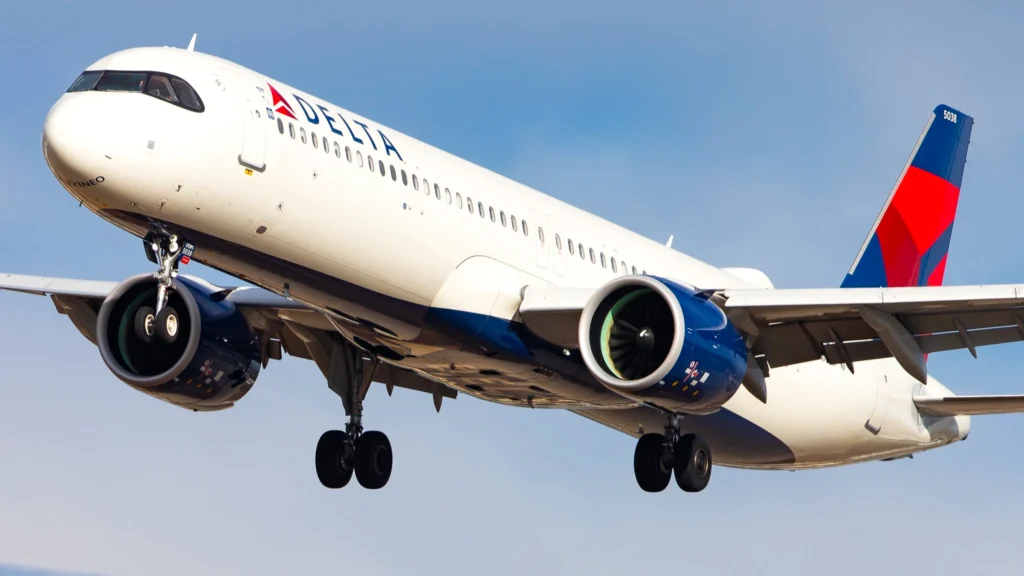
Delta Flight 749 Diverts to Fort Myers
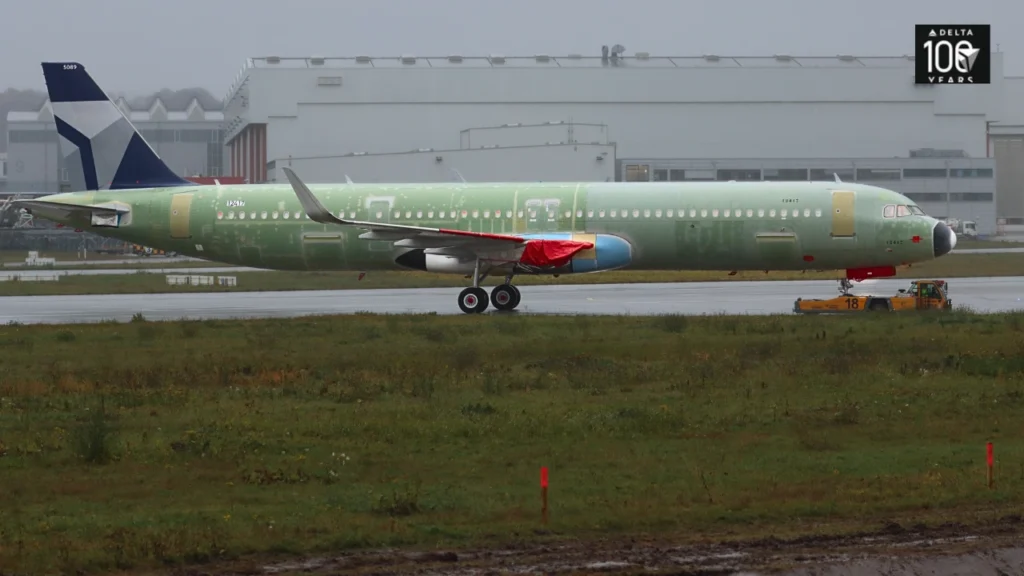
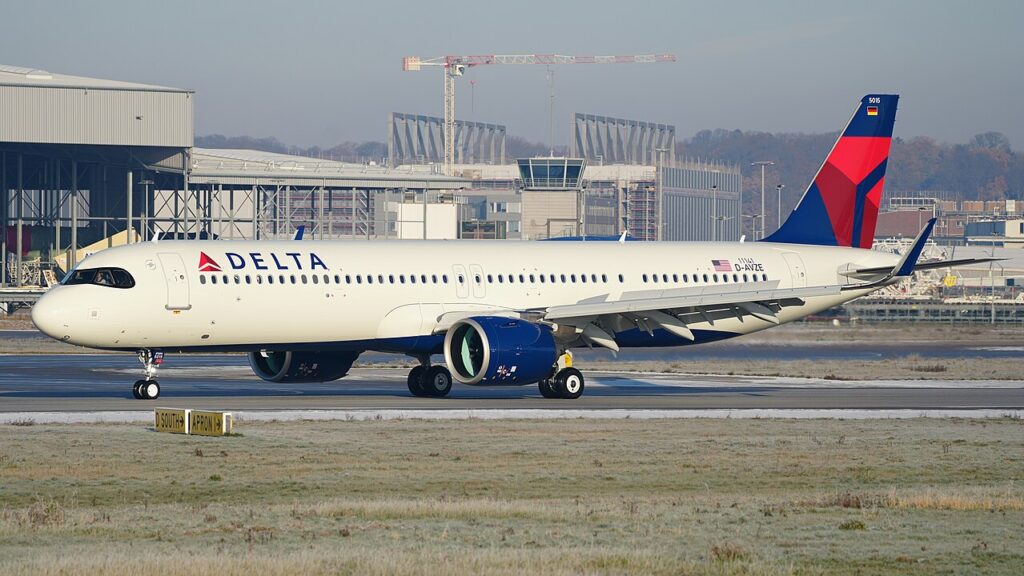
Delta Flight 749 was scheduled to depart LAX at 10:26 AM and arrive at TPA at 6:20 PM on Saturday, August 29. The aircraft actually departed Los Angeles at approximately 10:54 AM and was an Airbus A321neo registered N589DT.
As the flight approached Tampa, thunderstorms disrupted operations at the airport. Flight-tracking data shows the aircraft entered holding patterns northwest of Tampa before diverting to Fort Myers. It landed at Southwest Florida International Airport (RSW) at about 7:09 PM.
Weather conditions around Tampa were particularly difficult during the period. Reports cited heavy thunderstorms, low visibility and strong wind gusts in the Tampa area, preventing the aircraft from completing its planned arrival at TPA.
The diversion did not become the final destination for the flight. Delta later resumed the service from Fort Myers, with the aircraft departing RSW at approximately 9:14 PM and reaching Tampa at 9:36 PM.
The flight therefore completed the final leg to its original destination roughly 2 hours after landing at Fort Myers.
Passengers Say They Were Told to Collect Their Bags
The major problem developed after the aircraft landed at Fort Myers.
Passenger Randi Hipper said she was among the first travelers to deplane. According to her account, a flight attendant instructed passengers to go to baggage claim and gave them a specific carousel number, Carousel 7, to collect their checked luggage.
Hipper said some passengers remained near the gate while others followed the reported instruction and went to baggage claim.
She later said the instruction was explicit and that the passengers who followed it included people seated toward the front of the aircraft.
The distinction became critical when Delta decided to continue Flight 749 to Tampa.
Passengers who stayed inside the secure area were reportedly able to remain at or return to the gate and board the aircraft when it was ready to depart. Those who had gone to baggage claim were already on the public side of the terminal and could not return to the gate once the TSA checkpoint had closed.
Hipper also disputed suggestions that she had simply misunderstood a general instruction. In comments following the incident, she maintained that the flight attendant had clearly identified Carousel 7 and said other passengers had followed the same direction.
TSA Closure Prevented Passengers From Returning
The airport’s security layout explains why the passengers could not simply walk back to the aircraft.
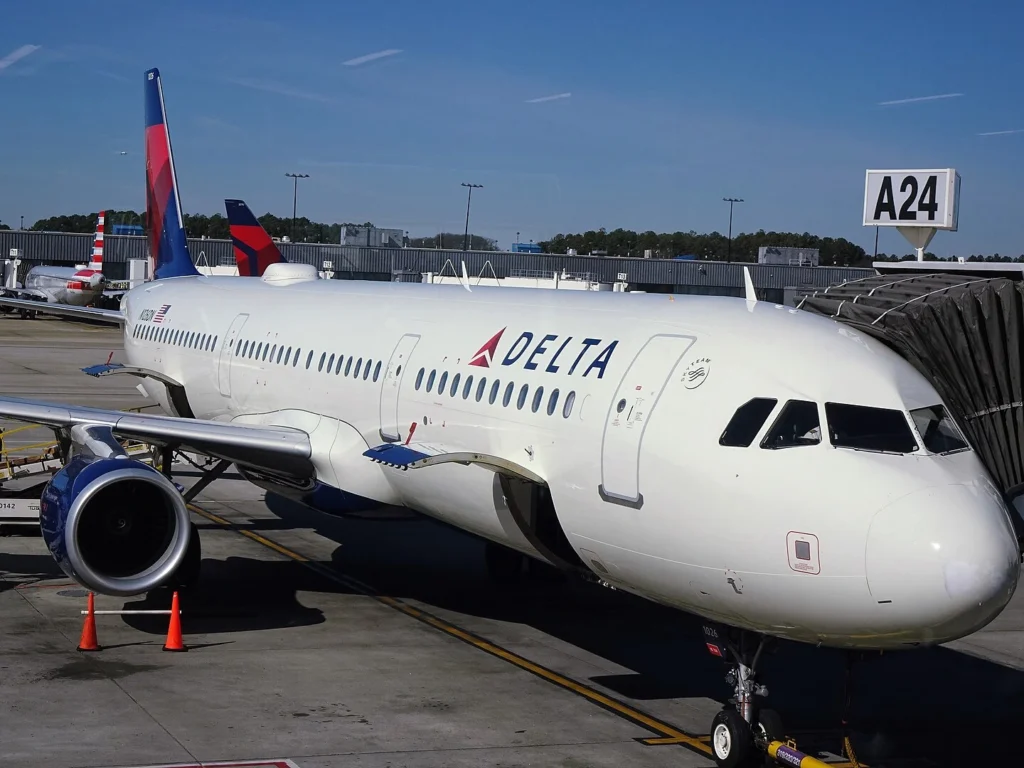
Southwest Florida International Airport separates its concourses from the public terminal through TSA screening. Delta operates from Concourse C, and passengers must clear security to access the concourse. Baggage claim is located on the public side of the terminal.
RSW states that its TSA checkpoints remain open until approximately 30 minutes before the last scheduled flight departure from each concourse.
The airport also states that checkpoints will not remain open after midnight and that passengers on delayed flights must clear security within the applicable operating window.
In this case, the aircraft arrived at RSW after 7:00 PM and did not depart again until after 9:00 PM. That timing meant passengers who had moved into baggage claim could lose access to the secure area before Delta resumed the flight.
The incident therefore turned on the difference between being airside at the gate and being landside at baggage claim. Passengers in the secure area still had access to the aircraft. Those outside security could not re-enter once TSA screening had closed.
Passengers Were Left Behind
The most unusual aspect of the incident was that the passengers and their checked bags reportedly ended up in different locations.
The aircraft continued to Tampa with the checked luggage belonging to passengers who had gone to baggage claim.
Those passengers remained at Fort Myers after losing access to the departure area. Hipper said she was stranded without a hotel or other accommodation while the aircraft continued to Tampa.
According to the passenger account, a substantial portion of the aircraft remained near the gate and was able to continue the journey. The exact number of passengers affected has not been independently established in the available reporting.
The situation also meant that affected travelers faced the added problem of being separated from their checked possessions. Their luggage had continued to Tampa even though they had not.
Why Responsibility and Compensation Are Unclear
The central question is whether the affected passengers should be treated as travelers who voluntarily left the aircraft or as passengers who followed instructions from Delta personnel.
That distinction matters because an airline can have different obligations depending on how and why a passenger left the secure area. In this case, the affected passengers can argue that they did not independently choose to abandon the flight. They say they were directed to collect their bags by a flight attendant.
The available information does not establish whether the baggage instruction reflected the crew’s understanding of the diversion plan at that moment, whether the operating plan changed afterward, or whether there was a misunderstanding in the communication between the crew and passengers.
The available reports also do not establish the final amount of compensation, reimbursement or other assistance that Delta may provide to the affected travelers.
Diversions and Transportation
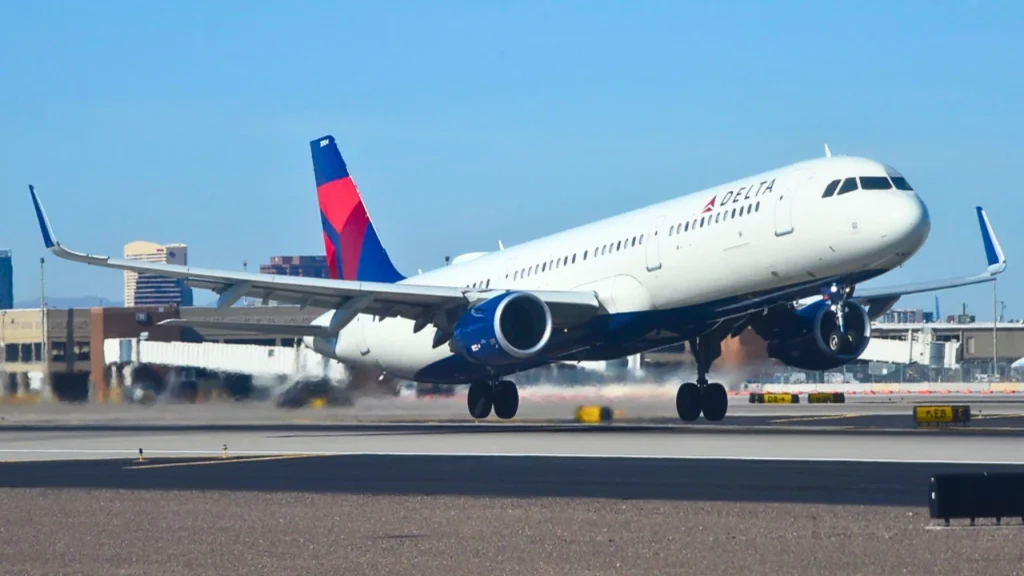
Delta’s Contract of Carriage states that the airline will generally transport passengers whose travel is interrupted to their ticketed destination on the next available Delta flight, subject to the terms of the applicable contract. It also allows Delta, at its discretion and subject to the circumstances, to arrange travel on another carrier or by ground transportation.
Delta has a specific provision for ground transportation when a flight diverts between airports within designated metropolitan city groups. The listed Florida group includes Orlando (MCO), Tampa (TPA), Daytona Beach (DAB), Melbourne (MLB) and Sarasota-Bradenton (SRQ).
That matters because the normal city-group ground transportation provision does not place Fort Myers and Tampa in the same designated group under Delta’s published contract.
Fort Myers is roughly 110 miles from Tampa, so the remaining ground journey was significant even though both airports serve Southwest Florida and the Tampa Bay region. The lack of a direct Fort Myers-to-Tampa Delta flight further complicated the options for passengers left behind.
Delta’s contract also states that, when a qualifying delay is not caused by force majeure, certain hotel and other amenities may apply after specified delay periods. However, the same contract excludes such additional amenities when the disruption results from force majeure, which includes weather conditions or acts of God.
Because this diversion was caused by severe weather, the exact scope of Delta’s duty to provide hotel accommodation or other expenses cannot be determined solely from the general delay provisions.
DOT Issue Is More Complicated
US Department of Transportation rules distinguish between involuntary denied boarding and other situations involving delayed passengers.
DOT’s denied-boarding rules generally apply to oversold flights and do not automatically govern every situation in which a traveler is unable to board after a delay or operational disruption.
The affected passengers’ potential argument is that they did not voluntarily leave the flight in the ordinary sense.
They say they left the secure area because airline personnel instructed them to retrieve their bags. Whether that distinction changes Delta’s obligations would depend on the facts, the applicable contract and how the incident is ultimately handled.
The available reporting does not show a final regulatory or legal determination assigning responsibility to Delta, TSA or the passengers.
Public Explanation at Publication
The absence of a response also means the passenger account remains the primary explanation for why some travelers ended up outside security while others remained at the gate and continued to Tampa, Simple Flying reported.
| Time | Event |
|---|---|
| 10:26 AM | Scheduled departure from Los Angeles International Airport (LAX) |
| 10:54 AM | Actual departure of Delta Flight 749 from LAX |
| 6:20 PM | Scheduled arrival at Tampa International Airport (TPA) |
| Around 7:09 PM | Flight diverts and lands at Southwest Florida International Airport (RSW) |
| Around 9:14 PM | Aircraft departs RSW for Tampa |
| 9:36 PM | Aircraft lands at TPA |
For publication purposes, the distinction should remain clear: the weather diversion and flight movements are independently documented, while the details about the flight attendant’s instruction and the number of passengers left behind are based primarily on passenger testimony and reporting.
Stay tuned with us. Further, follow us on social media for the latest updates.
Join us on Telegram Group for the Latest Aviation Updates. Subsequently, follow us on Google News
