

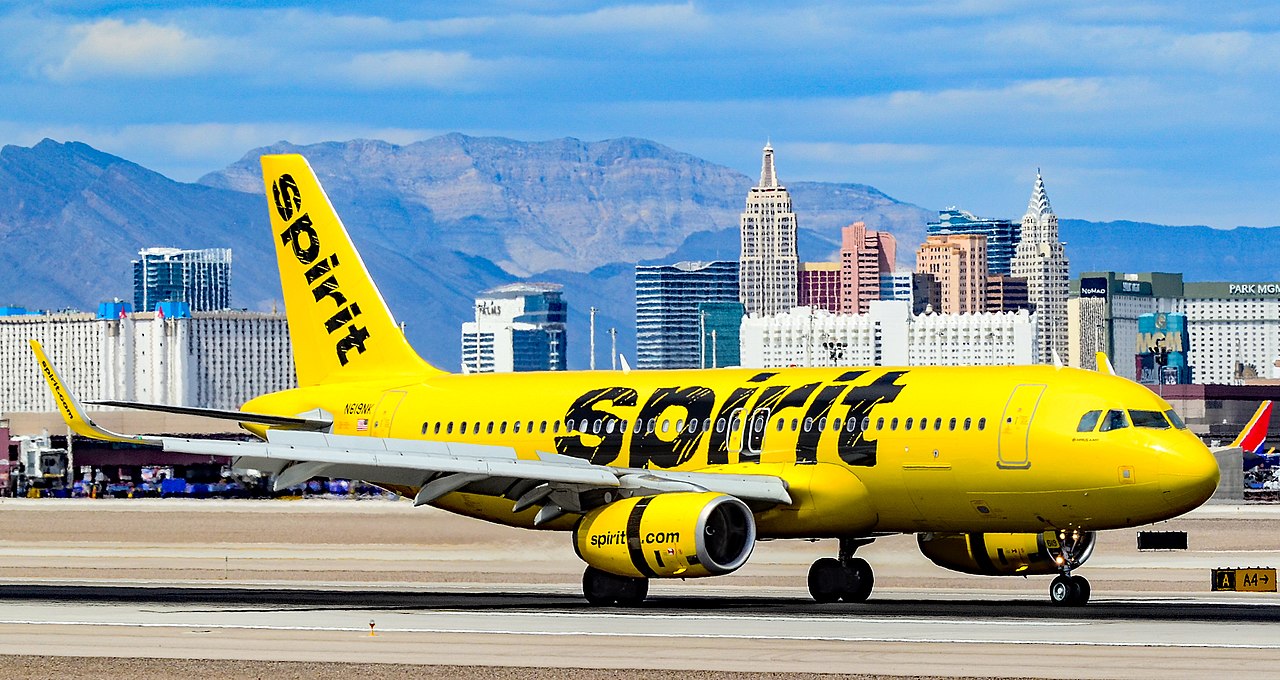
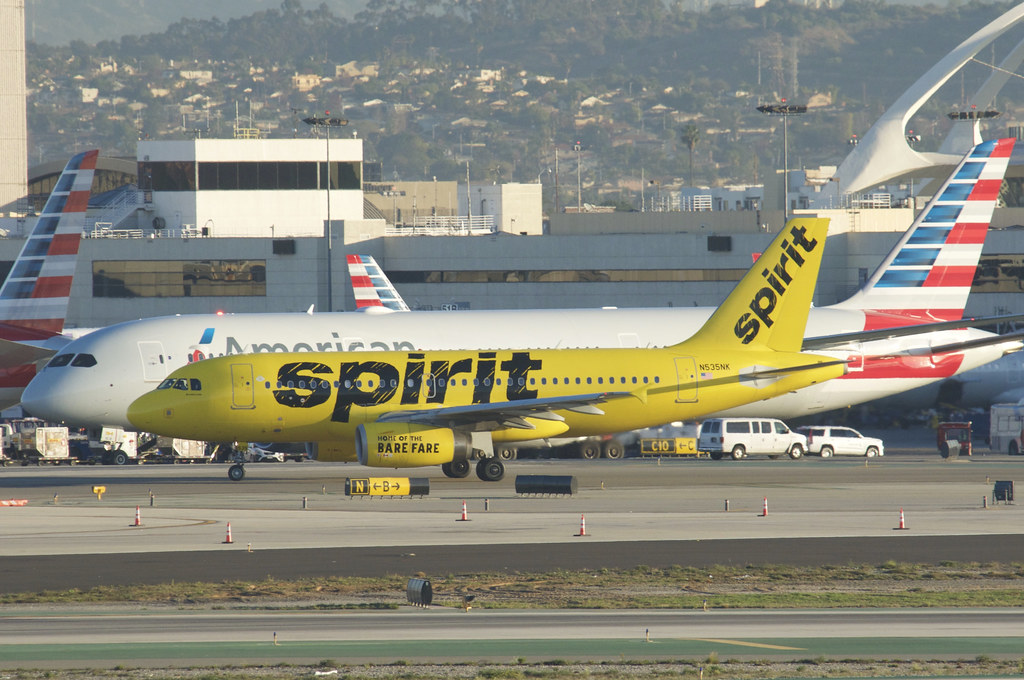
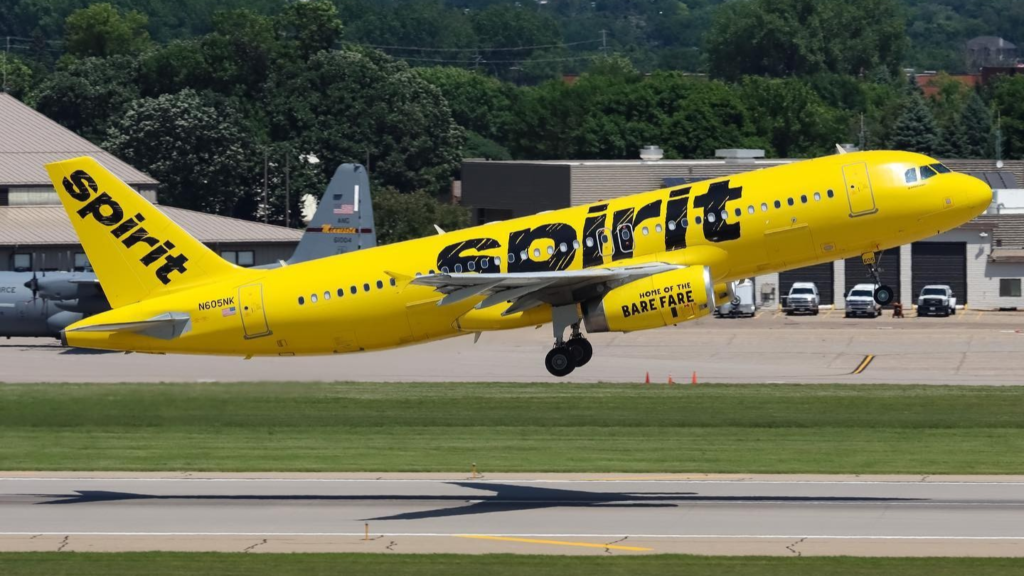
DETROIT- Spirit Airlines (NK) passenger John Charles Robinson avoided a potential 10-year prison sentence after pleading guilty to making a false b*mb threat against Spirit Airlines Flight 2145 at Detroit Metropolitan Wayne County Airport (DTW).
Robinson made the threat after arriving too late to board the scheduled flight to Los Angeles International Airport (LAX). According to PYOK, the incident triggered a law enforcement response, aircraft searches, passenger screening and an investigation that ultimately identified Robinson as the caller.
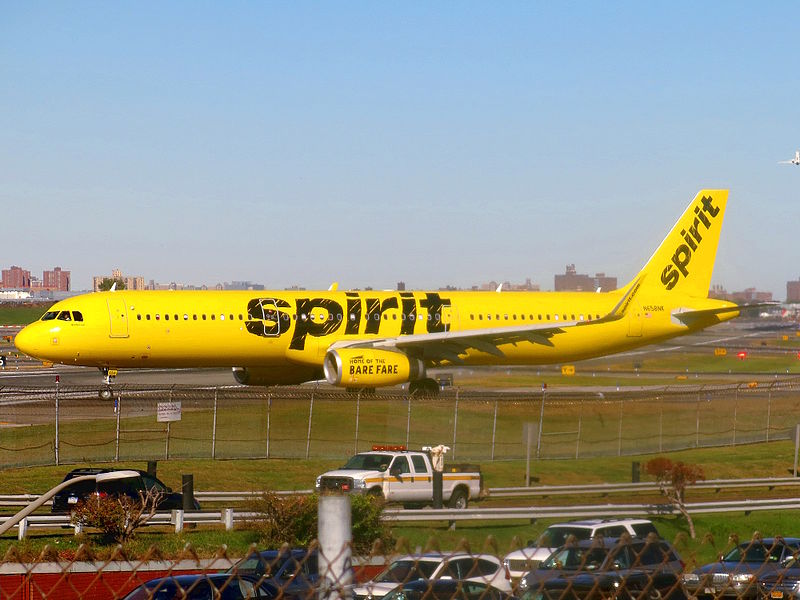
Spirit Airlines B*mb Threat Triggered
Robinson, from Lynwood, California, was booked to travel on an early-morning Spirit Airlines flight from Detroit Metropolitan Wayne County Airport (DTW) to Los Angeles International Airport (LAX) on June 5, 2025.
He woke up late and rushed through Detroit Metro Airport in an attempt to reach the gate before the scheduled 7 a.m. departure. However, the jetway doors and gate had already closed by the time he arrived.
A gate agent informed Robinson that the next available Spirit Airlines flight to Los Angeles would not depart until 6:30 p.m. He therefore faced a wait of almost 12 hours.
Instead of waiting for the later flight, Robinson contacted Spirit Airlines’ reservation line and claimed that he had information about Flight 2145.
He falsely warned the reservations agent that someone intended to b*mb the airport and said the alleged suspect would carry a b*mb through the Transportation Security Administration (TSA) checkpoint.
Robinson also claimed that the device would not be detectable and asked the airline not to allow Flight 2145 to board.
The reservations agent remained on the phone with Robinson for approximately 16 minutes. During the call, law enforcement agencies were alerted and officers moved to stop the flight.
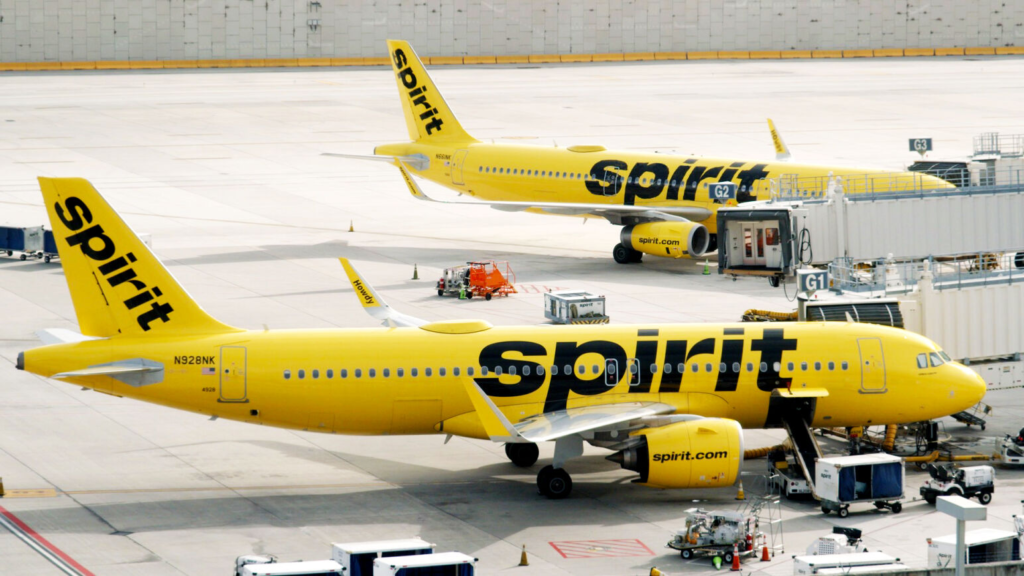
Flight 2145 Was Searched After False Threat
The b*mb threat immediately prompted a major security response at Detroit Metropolitan Wayne County Airport (DTW).
Passengers were removed from the aircraft and searched as authorities investigated the threat. B*mb detection dogs were also deployed to inspect the aircraft for possible explosives.
Investigators then obtained an emergency court order to access cellphone records associated with the threatening call.
Those records quickly connected the phone number to Robinson. Investigators also discovered that the individual behind the call was booked as a passenger on the same Spirit Airlines flight.
The discovery significantly narrowed the investigation and established a direct connection between the threat and the passenger who had failed to board.
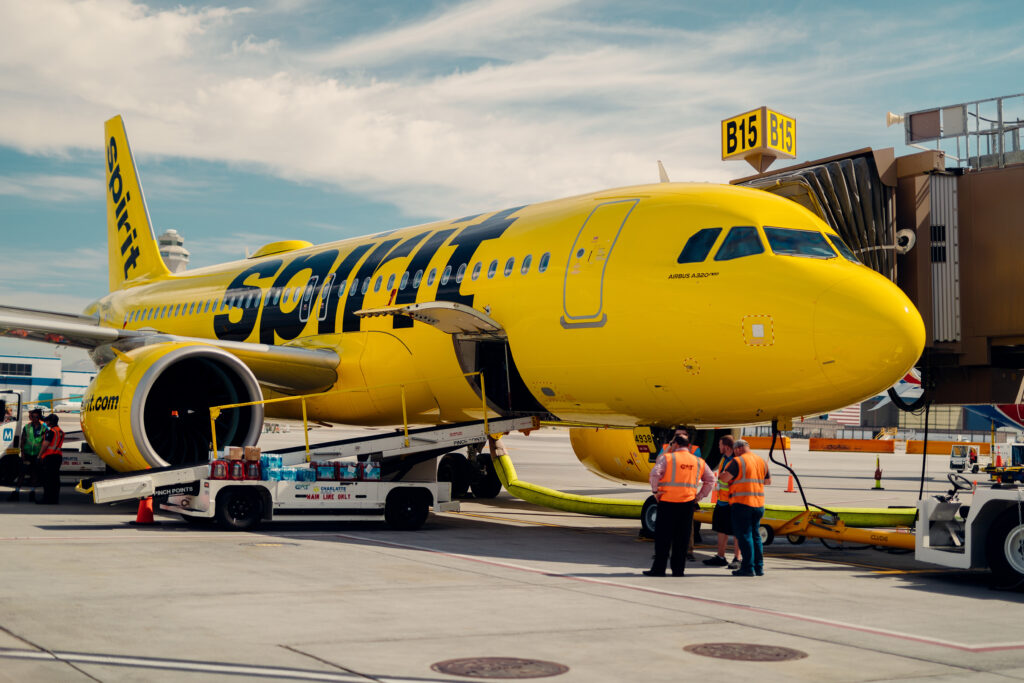
Robinson Returned to Detroit Airport and Was Arrested
Robinson had already left Detroit Metro Airport when investigators identified him as the caller.
He later returned to the airport the same day, apparently intending to take the 6:30 p.m. Spirit Airlines flight to Los Angeles.
Instead, police officers were waiting for him at the gate and took him into custody.
Robinson initially denied making the threat. He later admitted to officers that he had called Spirit Airlines and falsely reported the b*mb threat because he wanted to delay Flight 2145 and gain an opportunity to board it.
The admission provided investigators with his stated motive for making the threat.
Passenger Pleads Guilty to False B*mb Threat
The case carried the possibility of a lengthy federal prison sentence, with Robinson facing up to 10 years behind bars for the offense.
His defense attorney later told the court that Robinson had undertaken voluntary community service and written letters of apology to passengers and crew members affected by the incident.
Robinson pleaded guilty earlier this year to reporting a false b*mb threat.
District Judge Terrence G. Berg sentenced him this month to three years of probation rather than a prison term.
Probation Includes Treatment and Testing Requirements
The three-year probation sentence includes mandatory participation in a mental health treatment plan.
Robinson must also undergo substance abuse testing as part of the court-ordered conditions.
The sentence brings the criminal case to a conclusion without a prison term, despite the serious operational and security consequences caused by the false threat.
The incident demonstrates how a single false security report can trigger extensive procedures involving an airline, airport authorities, law enforcement officers, security personnel and passengers.
Stay tuned with us. Further, follow us on social media for the latest updates.
Join us on Telegram Group for the Latest Aviation Updates. Subsequently, follow us on Google News
