

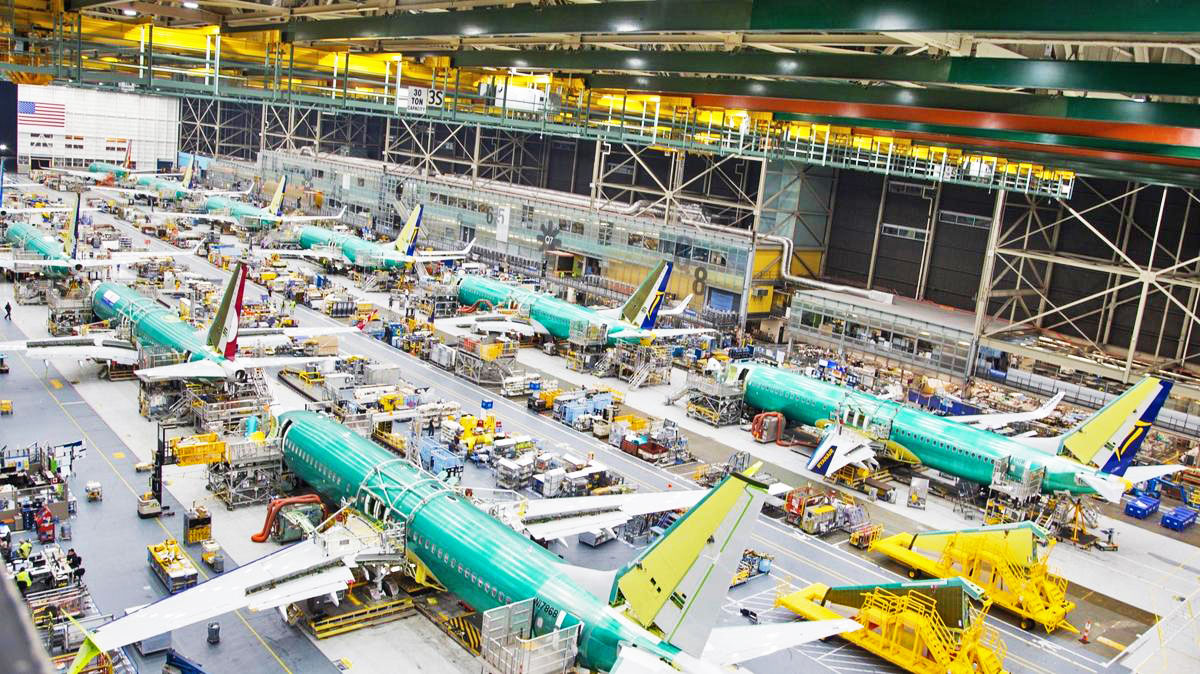
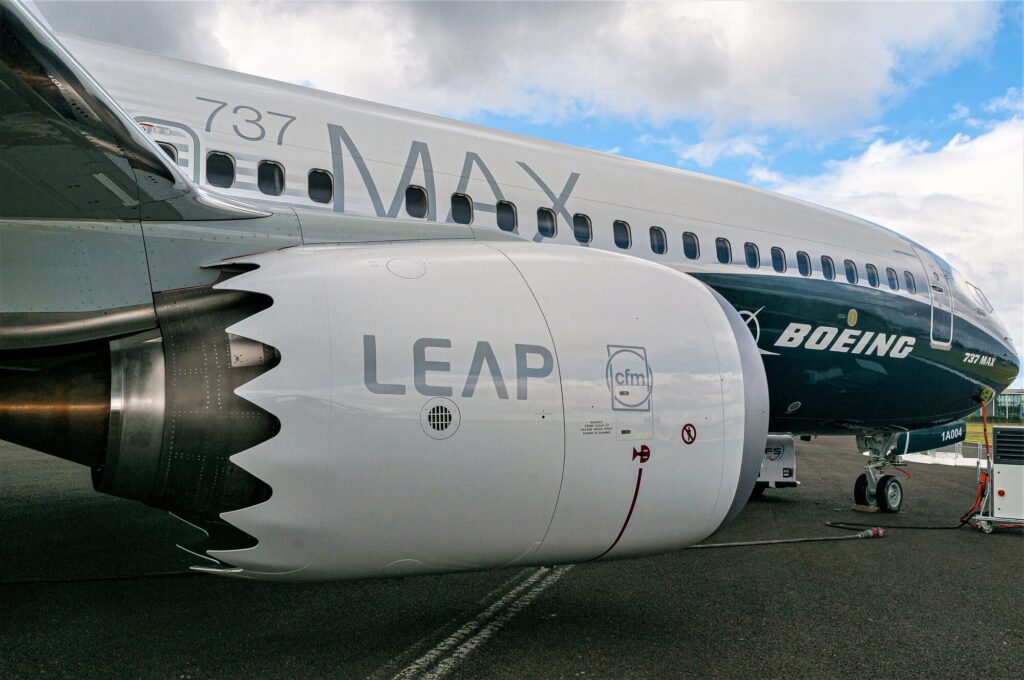
ARLINGTON- Boeing is increasing 737 output toward 47 aircraft per month, while SPEEA-represented engineers and technical workers have authorized a potential strike.
Boeing’s production recovery is gaining momentum, but the labor dispute creates a new risk for factory support, aircraft deliveries and certification.
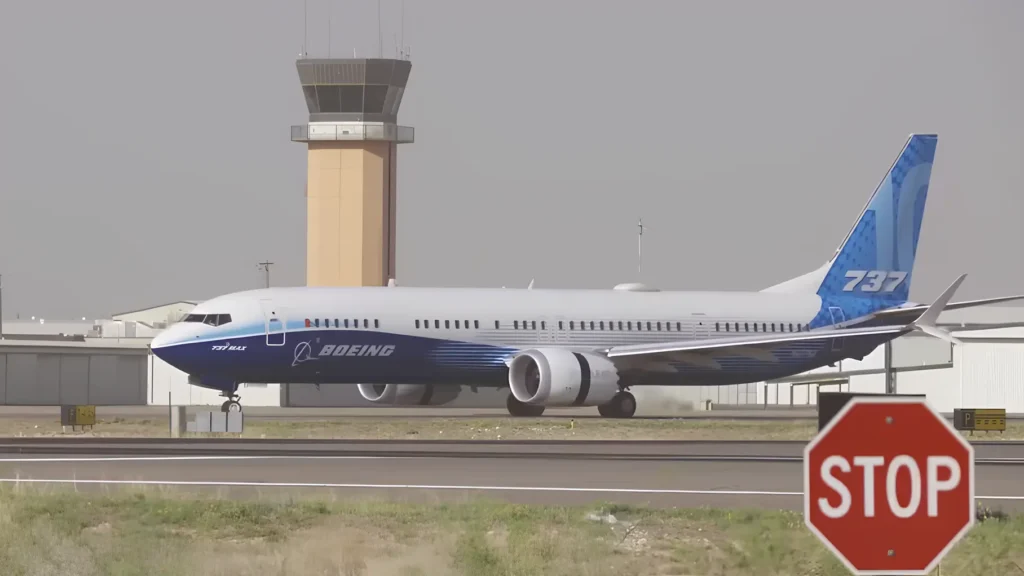
Boeing’s 737 Recovery Faces a Critical Labor Deadline
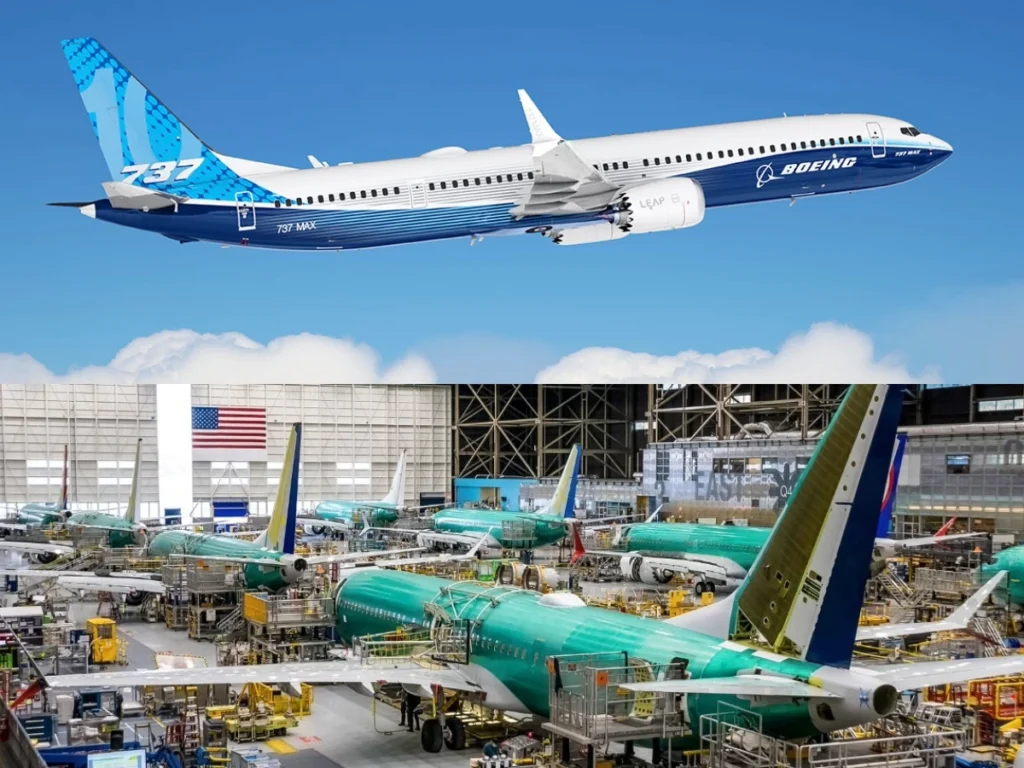
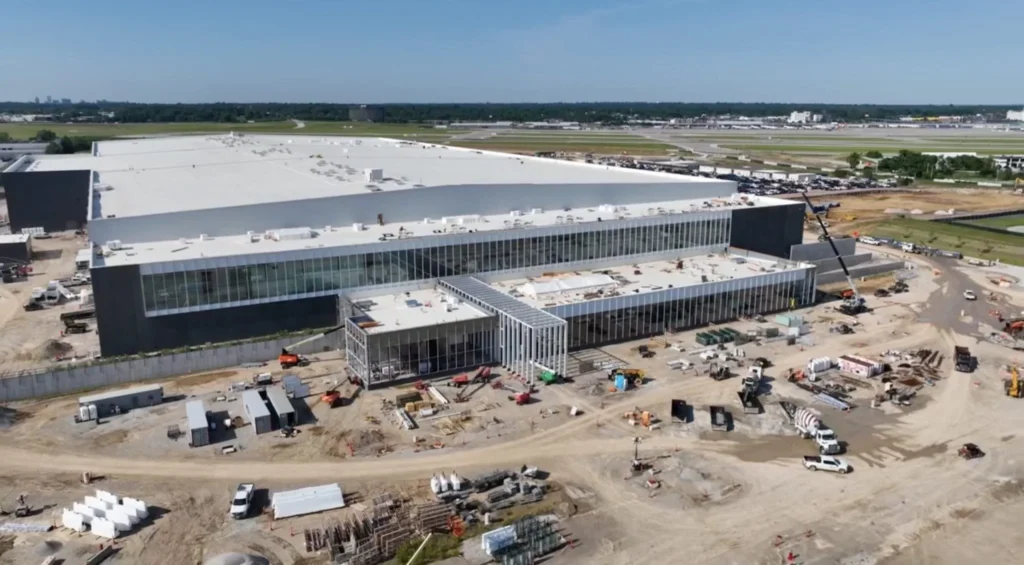
Boeing is entering a crucial phase of its commercial aircraft recovery. The 737 program began transitioning toward a production rate of 47 aircraft per month in the second quarter of 2026, and Boeing activated low-rate initial production on its new 737 North Line in Everett in July. The line represents the first time the 737 has been built outside Renton in more than 50 years.
The North Line is designed to increase production capacity and improve stability as Boeing raises output. Boeing says Renton is stabilizing at Rate 47, after which the Everett line will support additional builds needed to reach Rate 52 and beyond.
That increase matters because Boeing has strong demand but still faces the challenge of turning its backlog into delivered aircraft at a consistent rate.
Commercial Airplanes ended the second quarter with a backlog of more than 6,200 airplanes valued at a record $597 billion. Boeing’s total company backlog reached $715.3 billion.
Boeing delivered 171 commercial airplanes in the second quarter of 2026, compared with 150 in the same period of 2025, an increase of 14%.
The 737 accounted for much of that improvement. Boeing delivered 129 737s in the second quarter, compared with 104 a year earlier. For the first 6 months of 2026, 737 deliveries reached 243, up from 209 in the same period of 2025.
The improvement also supported stronger financial results. Boeing’s second-quarter revenue increased 8% year over year to $24.6 billion.
Operating cash flow reached $1.36 billion, while free cash flow was about $0.6 billion, compared with negative $200 million in the second quarter of 2025.
Boeing still remains unprofitable. The company reported a second-quarter GAAP net loss of $428 million and a non-GAAP core loss of $0.76 per share, although the core loss narrowed from $1.24 per share a year earlier.
Its balance sheet also remains under pressure. Boeing had $45.9 billion in consolidated debt at the end of the quarter, compared with $20 billion in cash and marketable securities. Debt therefore remained more than twice the company’s cash and marketable securities.
The numbers show why production and delivery execution remain central to Boeing’s recovery. Customer demand is substantial; the challenge is producing and delivering aircraft efficiently enough to meet that demand.
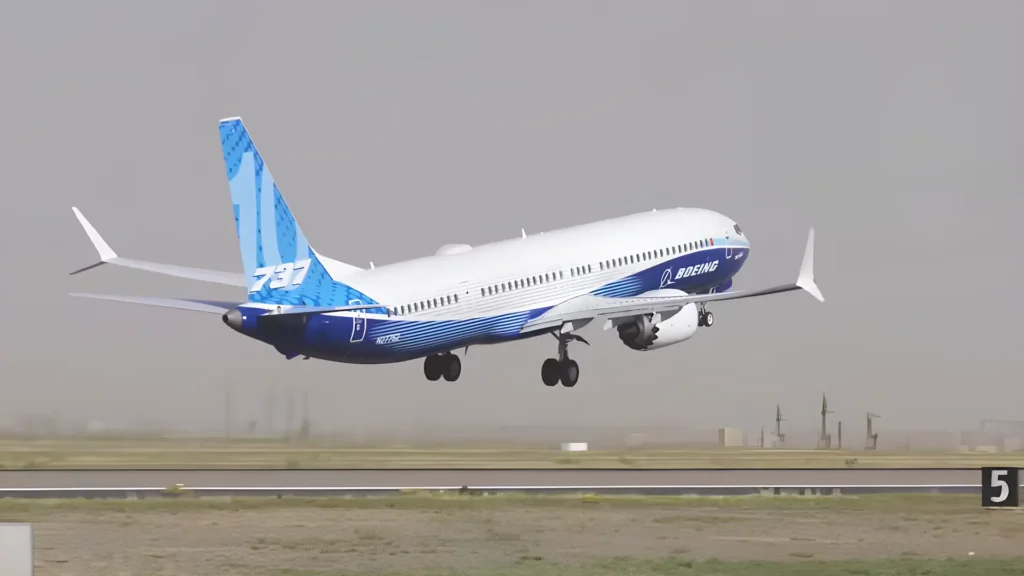
Why 47 Per Month Rate Matters
The move to 47 aircraft per month follows a period of regulatory restrictions and production instability.
After the January 2024 door-plug accident involving an Alaska Airlines 737-9 MAX, the Federal Aviation Administration restricted Boeing’s 737 production rate to 38 aircraft per month.
The FAA later approved higher production levels, allowing Boeing to move toward 42 aircraft per month before the company received approval to begin its transition to Rate 47 in 2026.
Boeing’s current ramp therefore represents a major step from the production environment that followed the 2024 incident. The company is trying to increase output while maintaining safety, quality, manufacturing discipline and regulatory compliance.
Boeing has also described improvements in its safety, quality and supply-chain processes as important foundations for future production-rate increases.
Everett North Line Expands Future Capacity
The North Line gives Boeing additional space to expand 737 production without relying entirely on the existing Renton facility.
Boeing began work on the line after announcing the project in 2023. In July 2026, the company officially opened the facility and began production of 737 MAX aircraft in Everett. Boeing says the facility will support future rate increases after low-rate initial production and other regulatory and compliance work are completed.
The expansion is strategically important because Boeing can use the North Line to provide the incremental aircraft needed to move from Rate 47 toward Rate 52 and higher. That makes engineering support, manufacturing readiness and production stability especially important as the ramp accelerates.
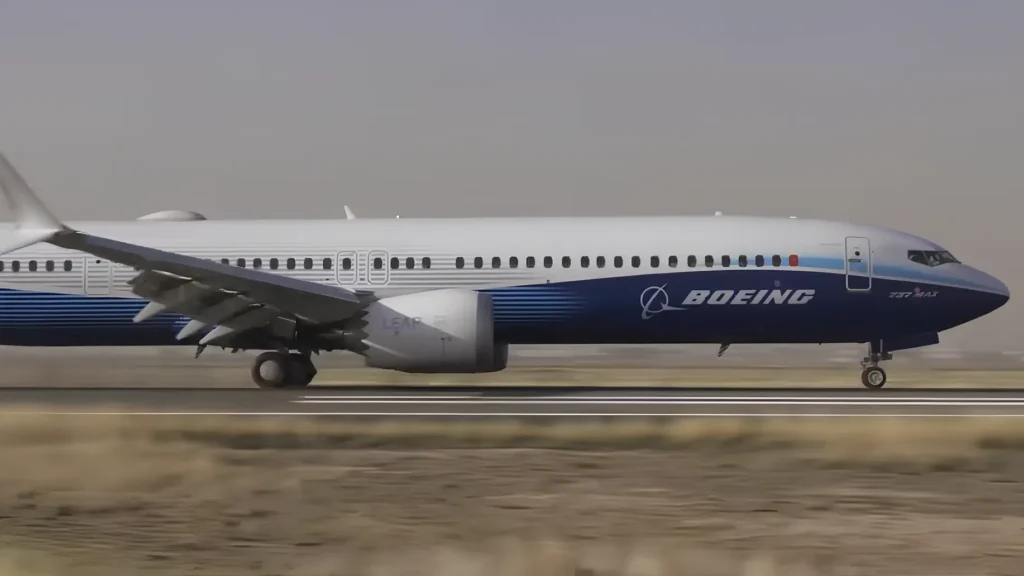
SPEEA Workers Authorize a Potential Strike
The production story now intersects with a major labor dispute.
On August 21, 2026, Boeing’s two SPEEA bargaining units rejected the company’s proposed contracts by wide margins. The Professional Unit voted 64.25% to reject the offer, while the Technical Unit voted 71.87% against it.
The strike authorization votes were even stronger. The Professional Unit approved strike authorization by 87.82%, while the Technical Unit approved it by 89.71%.
SPEEA represents approximately 17,000 Boeing engineers and technical employees. The union’s bargaining units include workers whose technical expertise supports Boeing’s engineering, manufacturing and certification activities.
The contracts expire at midnight on October 6, 2026. A strike cannot begin while the current agreements remain in effect, making October 7 the earliest possible start date for a work stoppage.
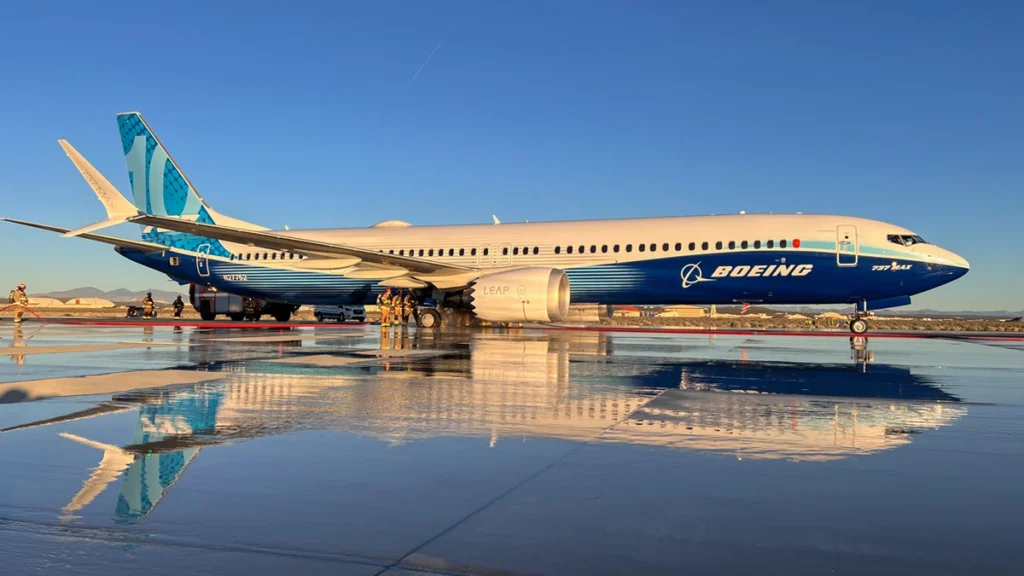
Engineers’ Strike
SPEEA members do not assemble Boeing aircraft. The factory workforce responsible for aircraft assembly is represented by a different union.
That distinction means a SPEEA strike would not necessarily shut down Boeing’s 737 assembly lines in the same direct way that the 2024 machinists’ strike did.
The operational risk would instead come from the technical work surrounding production. Engineers and technical specialists support manufacturing operations, resolve production issues, assist with aircraft deliveries and contribute to certification programs.
That support becomes especially important as Boeing moves toward higher 737 production rates. A factory can continue physical assembly while facing delays in engineering decisions, technical problem solving or certification-related work.
The Motley Fool also highlighted the conflict between Boeing’s faster production ambitions and the labor uncertainty facing its engineering and technical workforce.
Certification Creates an Additional Risk
The dispute arrives while Boeing is working through important aircraft certification programs.
As of July, Boeing said certification flight testing had been completed for both the 737-7 and 737-10. The company continued to anticipate certification in 2026 and first deliveries in 2027 for both variants.
A strike would not automatically stop certification, but it could reduce the engineering capacity available to address technical findings, documentation, testing and other certification requirements.
That matters particularly for the 737-10, Boeing’s largest 737 MAX variant, because the aircraft remains part of the company’s broader effort to expand and modernize its single-aisle product lineup.
The same labor risk extends beyond the 737 program. Reuters reported that a SPEEA work stoppage could also delay certification work involving the 777-9, another aircraft program that Boeing expects to advance toward first delivery in 2027.
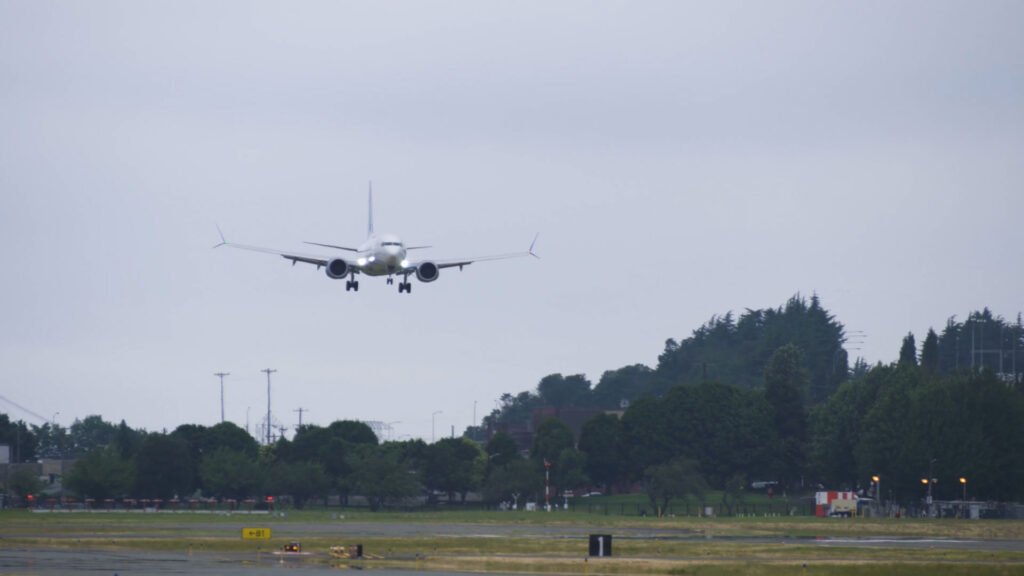
Boeing Is Preparing for Possible Strike
Boeing has already activated contingency planning.
Following the August 21 vote, the company said it was implementing a strike contingency plan and preparing for possible disruption. Boeing said the objective was to maintain business continuity while preserving safety and quality.
The company has also posted contractor positions for engineering and technical roles. Reuters reported that the job postings represented another indication that Boeing was preparing for a potential work stoppage. SPEEA criticized the move, while Boeing said it remained focused on reaching an agreement.
The preparations do not mean a strike is certain. They show that Boeing is treating the risk as significant enough to plan for operational continuity ahead of the contract deadline.
Contract Talks Set to Resume
The union and Boeing are continuing negotiations before the October deadline.
After the August 21 vote, SPEEA surveyed members to identify the changes they wanted in a revised offer. Reuters reported that nearly 13,000 members responded to the survey. The leading priorities included larger and immediate guaranteed wage increases, stronger performance-based raises and improved annual cost-of-living adjustments.
Boeing and SPEEA negotiators are scheduled to resume talks on August 31, 2026. Both sides have indicated that they want to reach a new agreement before the current contracts expire.
The remaining negotiating period is therefore important. A settlement would eliminate the immediate strike threat and reduce uncertainty around engineering support for Boeing’s production and certification programs.

Recent Precedent
Boeing experienced a far more direct production disruption in 2024 when more than 32,000 machinists went on strike.
That work stoppage began in September 2024 after union members rejected a tentative agreement and lasted more than seven weeks before a new contract ended the strike.
The SPEEA situation is different because engineers and technical workers do not perform the same assembly functions as machinists. However, the earlier strike demonstrates how quickly labor disputes can become significant operating risks for Boeing.
The current dispute is also occurring while Boeing is trying to demonstrate that its higher 737 production rate can be sustained. Any disruption to the engineering organization could therefore affect a recovery plan that depends on more than factory labor alone.
Boeing’s Stock Adds Investor Dimension
The labor dispute also matters to Boeing shareholders because the company’s valuation assumes continued progress in its recovery.
Boeing shares closed at $209.82 on August 28, 2026, according to historical market data. The stock’s 52-week range was $176.77 to $254.35, placing the August 28 close about 17.5% below the 52-week high.
The stock had also declined during the period surrounding the SPEEA vote. Shares closed at $214.20 on August 21, then fell to $209.82 by August 28.
Boeing’s price-to-sales ratio was approximately 1.74 in late August, based on market data available around August 25.
That valuation matters because Boeing is still reporting losses despite improving deliveries, cash flow, and backlog. Continued progress in production and delivery therefore remains important to the investment case.
A disruption to engineering support would not automatically make Boeing’s recovery fail. It would, however, add another variable to a recovery that already depends on production discipline, certification progress, financial improvement and supply-chain execution.
Investors and Industry Should Watch
The most important near-term issue is whether Boeing and SPEEA can reach a contract agreement before October 6.
Three developments deserve particular attention.
First, Boeing needs to demonstrate that its 737 production ramp toward Rate 47 can continue without sacrificing safety or quality.
Second, the company needs sufficient engineering and technical capacity to support manufacturing, deliveries and certification work.
Third, the labor negotiations must produce an agreement that addresses SPEEA members’ concerns before the strike authorization turns into an actual work stoppage.
Boeing enters the negotiations with substantial customer demand and an expanding production system. It also enters them with significant debt, ongoing net losses and a recovery story that depends on sustained execution.
The next several weeks will determine whether the labor dispute remains a negotiating issue or becomes an operational problem.
Conclusion
Boeing’s 737 program is moving toward a production rate of 47 aircraft per month, while the new Everett North Line is adding capacity for future increases toward Rate 52 and beyond. Second-quarter deliveries also show measurable improvement, with 129 737s delivered compared with 104 a year earlier.
At the same time, SPEEA members have rejected Boeing’s contract proposals and authorized a strike by overwhelming margins.
Because the affected engineers and technical workers support production, deliveries and certification, a prolonged work stoppage could disrupt Boeing’s recovery even without immediately stopping aircraft assembly.
The contracts expire at midnight on October 6, 2026. With negotiations resuming on August 31, Boeing has a limited window to resolve the dispute and protect the production and certification progress that its recovery now depends on.
Stay tuned with us. Further, follow us on social media for the latest updates.
Join us on Telegram Group for the Latest Aviation Updates. Subsequently, follow us on Google News
