

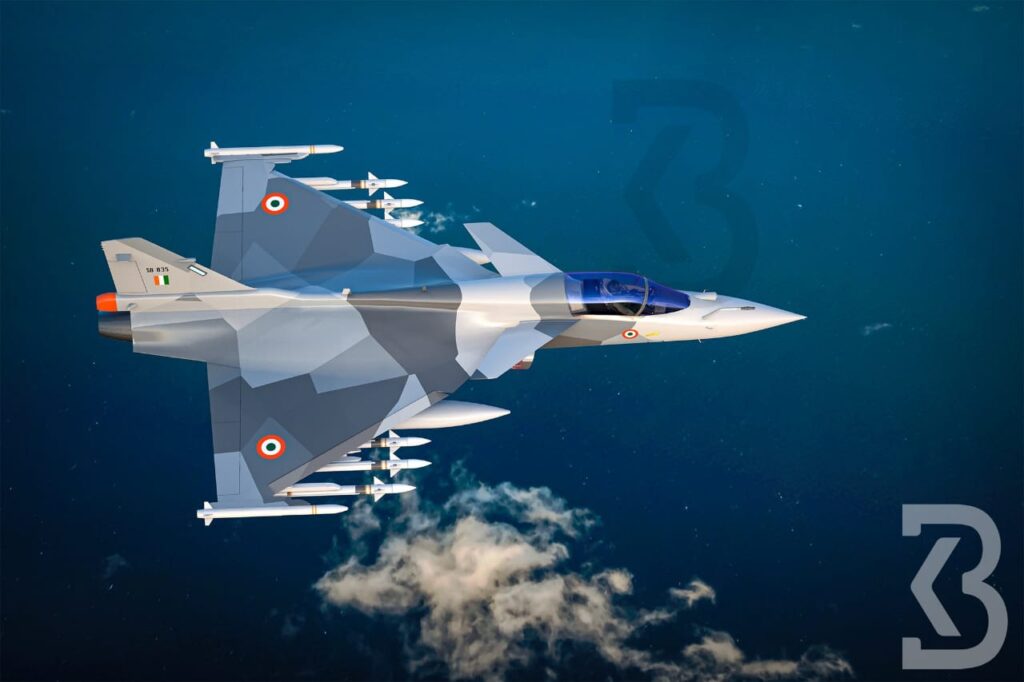
NEW DELHI— India’s push to develop a homegrown fighter engine has intensified as Britain’s Rolls-Royce and France’s Safran compete to support the country’s next-generation Advanced Medium Combat Aircraft (AMCA) program.
The competition centers on India’s ambition to develop a high-thrust engine for the AMCA Mk2 while gaining the technology needed to reduce its long-standing dependence on foreign powerplants.
Rolls-Royce has now strengthened its proposal through a partnership with Reliance Industries, while Safran is pursuing a separate arrangement with India’s state-run Gas Turbine Research Establishment (GTRE).
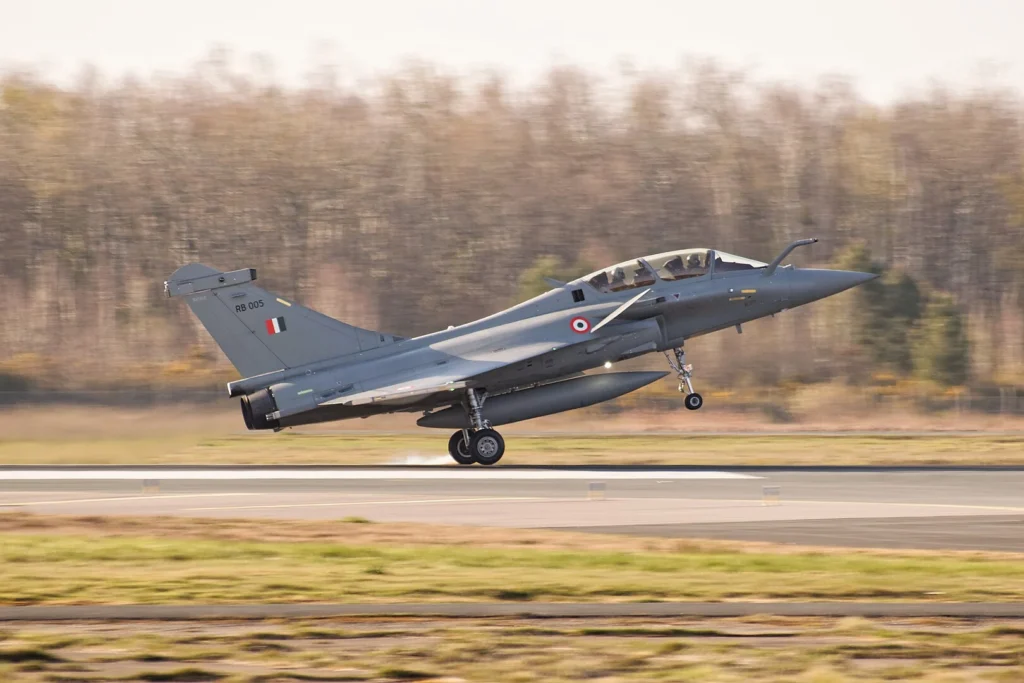
India Eyes New Engine for Homegrown Fighter Jet
Rolls-Royce and Reliance Industries announced their strategic intent on August 14 to jointly pursue the design, development, manufacture and delivery of an indigenous combat engine for the AMCA program.
The proposed partnership would also explore an Aerospace Gas Turbine Complex in India, intended to create capabilities spanning engine design, development, manufacturing, testing, production and long-term support.
The move gives Rolls-Royce a broader industrial proposition as India seeks more than an assembled foreign engine.
The British company has previously offered full technology transfer and Indian ownership of intellectual property as part of its proposal for the AMCA engine.
Rolls-Royce has also outlined an ambitious development schedule, with an engine core test targeted for 2030, a first flight targeted for 2034, and production potentially beginning in 2036 if an agreement is concluded by the end of 2026, Defense News flagged.

Safran Targets AMCA Mk2
Safran has separately proposed developing a new high-thrust fighter engine with GTRE, which operates under India’s Defence Research and Development Organisation (DRDO).
The French company’s proposal focuses on transferring critical propulsion technologies to India while jointly developing the engine.
Discussions have involved issues including technology transfer, intellectual property, development costs and future export rights.
India wants the eventual powerplant to deliver roughly 120 kilonewtons of thrust for the AMCA Mk2. The aircraft’s initial variants are expected to use the American General Electric F414 engine, making the indigenous engine program particularly important for later production aircraft.
Safran’s proposal has already progressed through discussions with Indian authorities, although negotiations over the scope of technology transfer and industrial participation remain important to the final decision.
India Seeks Engine Independence
India has struggled for decades to develop a fighter engine capable of powering a frontline combat aircraft.
Its indigenous Kaveri engine program did not achieve the performance required for the Tejas fighter, leaving Indian-built fighters dependent on foreign powerplants.
The AMCA engine competition therefore represents a major opportunity to establish domestic expertise in one of the most difficult areas of aerospace engineering.
For India, the decision will involve more than selecting an engine manufacturer. The country is seeking access to advanced technologies covering areas such as hot-section components, turbines, materials, manufacturing and engine testing.
The Rolls-Royce and Safran proposals also reflect different industrial partnerships, with one involving Reliance and the other centered on GTRE.
Whichever proposal India selects could influence the country’s ability to design, manufacture and support advanced fighter engines for future military aircraft.
Stay tuned with us. Further, follow us on social media for the latest updates.
Join us on Telegram Group for the Latest Aviation Updates. Subsequently, follow us on Google News
