

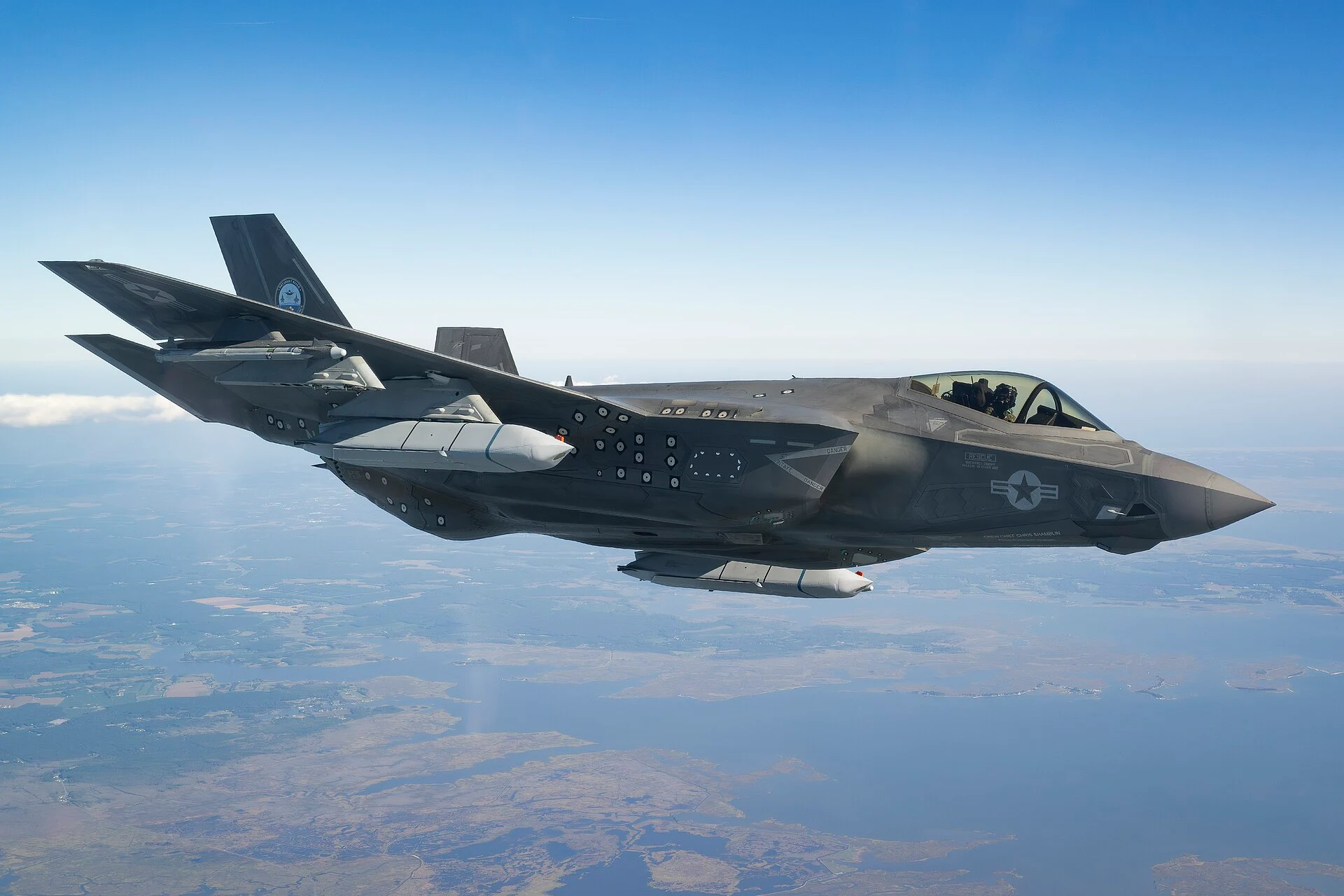
AMADORA- Portugal is considering the Lockheed Martin F-35A Lightning II to replace its aging F-16 fighter fleet. During his October 8, 2026, visit to Lisbon, US Secretary of State Marco Rubio promised a “very competitive” American offer after arriving at Lisbon Airport (LIS).
Portuguese Foreign Minister Paulo Rangel confirmed that Lisbon is seriously considering the proposal but remains open to European alternatives. The decision will shape the Portuguese Air Force’s combat capabilities, defense spending and international military partnerships for decades.
Strategic Stakes Behind Portugal’s Fighter Replacement
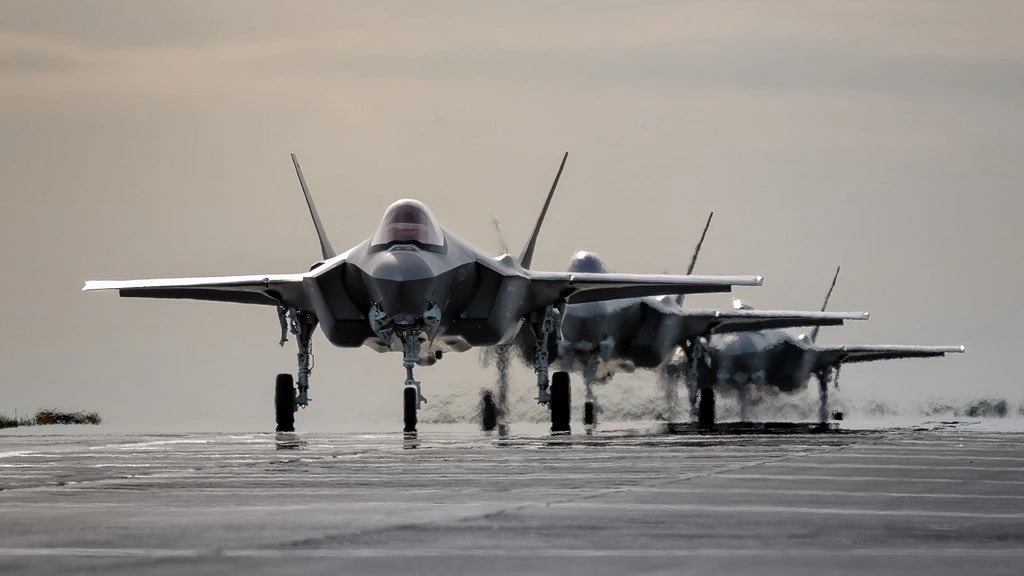
Portugal’s fighter competition extends beyond the selection of a new aircraft. The country must determine whether to continue modernizing its fourth-generation F-16s or acquire a fifth-generation fighter with advanced stealth, sensor integration and electronic warfare capabilities.
The F-35A faces competition from the Eurofighter Typhoon, Dassault Rafale and Saab Gripen E. Each option presents a different combination of operational performance, procurement costs, industrial benefits and strategic relationships.
Rangel emphasized that Portugal would make its decision according to the national interest. Although Lisbon has not formally launched a replacement tender, the competing proposals are already drawing high-level political and industrial attention.
Portugal’s F-16 Fleet and History
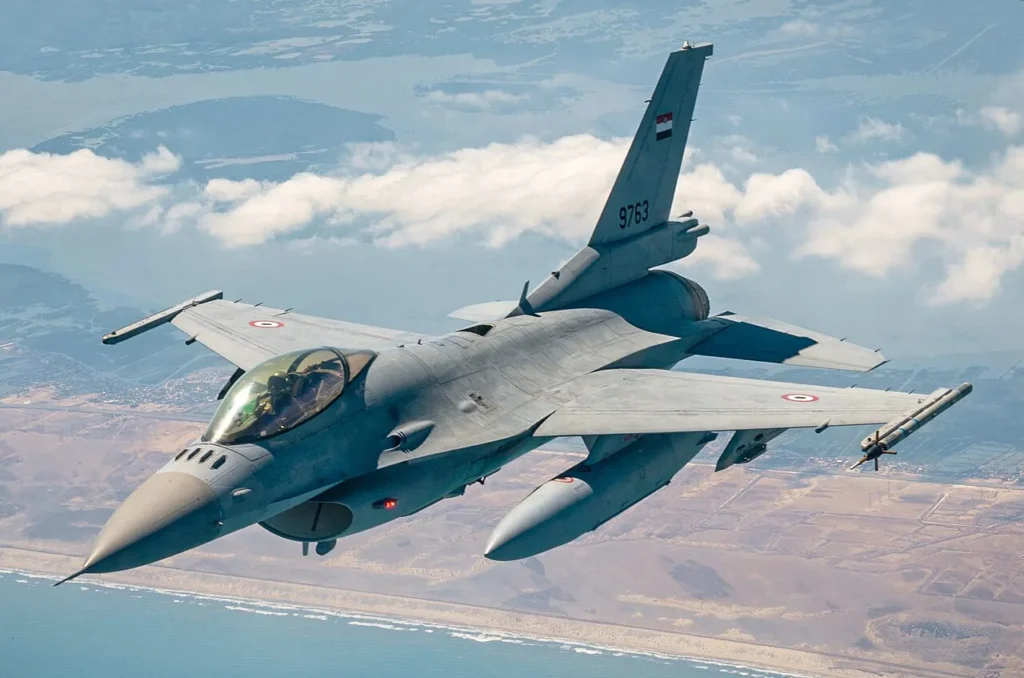
The Portuguese Air Force, officially known as the Força Aérea Portuguesa (FAP), acquired 45 F-16A/B Block 15 aircraft through the Peace Atlantis I and II programs.
These purchases established the country’s modern fighter capability and supported its expanding commitments to NATO operations.
Initial F-16 Deliveries and Squadron Formation
Portugal received its first 20 aircraft beginning in 1994. These were new-build F-16A/B Block 15OCU fighters, comprising 17 single-seat F-16As and 3 two-seat F-16Bs. The aircraft equipped Esquadra 201, known as the “Falcões.”
A second batch arrived in 1999 and consisted of 25 former US Air Force F-16A/B Block 15OCU aircraft. This group included 21 single-seat F-16As and four two-seat F-16Bs.
Several aircraft were intended to replace losses or provide spare airframes, while the transferred aircraft had accumulated approximately 3,000 flight hours.
Portugal subsequently carried out an extensive modernization program to bring these aircraft to the F-16AM/BM configuration. The improvements enhanced their avionics, mission systems and weapons capabilities. In broad capability terms, the modernized fighters were described as comparable to the U.S. Air Force’s F-16C/D Block 50/52 aircraft, although their configurations were not identical.
Esquadra 301, known as the “Jaguares,” became operational with its upgraded aircraft in 2005. Esquadra 201 received its upgraded F-16s in 2011.
Current Fleet and Romania Transfers
The Portuguese F-16 fleet has continued to receive incremental improvements since the initial modernization program. Its configuration has progressed through several mission-software standards, while new equipment has expanded the aircraft’s operational capabilities.
Reporting by TWZ lists 25 modernized F-16AM/BMs in Portugal’s current fleet, comprising 21 single-seat aircraft and four two-seat aircraft based at Monte Real Air Base, also known as BA5.
However, Reuters reported on October 8, 2026, that Portugal was considering replacing 28 upgraded F-16M fighters. The reports do not explain the difference, so the precise inventory should be confirmed against official Portuguese figures before publication.
Portugal also transferred 12 former F-16s to Romania under an agreement signed in 2013. Deliveries took place in 2016 and 2017, and Romania ordered 5 additional aircraft in 2019. These transfers formed part of the wider movement of Portugal’s former fighters into other European air forces.
F-16 Upgrades and Limits
Portugal’s F-16AM/BM fleet remains capable of performing multirole combat missions, but maintaining its relevance against increasingly advanced threats requires continued investment.
The fighters have received night-vision equipment, Joint Helmet-Mounted Cueing Systems (JHMCS), advanced targeting systems and modern weapons integration. These improvements help pilots identify targets, improve situational awareness and employ precision-guided munitions.
Among the important additions are Northrop Grumman Litening II targeting pods. The aircraft can also employ several precision-guided weapons, including:
- GBU-12 Paveway II: A laser-guided bomb used for precision air-to-ground attacks.
- GBU-31 Joint Direct Attack Munition (JDAM): A guided bomb that uses a navigation and control system to improve delivery accuracy.
- GBU-49 Enhanced Paveway II: A dual-mode weapon that combines laser guidance with GPS-aided inertial navigation.
Despite these upgrades, the aircraft retain a major limitation in their radar system. The F-16AM/BM fleet relies on the older AN/APG-66(V)2 pulse-Doppler radar.
Replacing this radar with an active electronically scanned array (AESA) system, such as Northrop Grumman’s APG-83 Scalable Agile Beam Radar, could improve detection, tracking and target engagement. The upgrade would nevertheless involve substantial expenditure, particularly when combined with other avionics, communications and defensive-system improvements.
Could Portugal Keep Its F-16s Until Mid-2040s?
The existing airframes could potentially remain in service into the mid-2040s if their structural condition, maintenance requirements and operating environment allow it. This possibility does not mean that the aircraft would remain competitive without significant further investment.
Portugal would need to fund continuing maintenance, avionics upgrades, improved sensors, communications systems and self-protection equipment.
Decision-makers must therefore compare the complete cost of extending the F-16’s service life against the acquisition and long-term operating costs of a new fighter.
The central choice is between extending an established fourth-generation capability and transitioning to fifth-generation aircraft with different operational strengths.
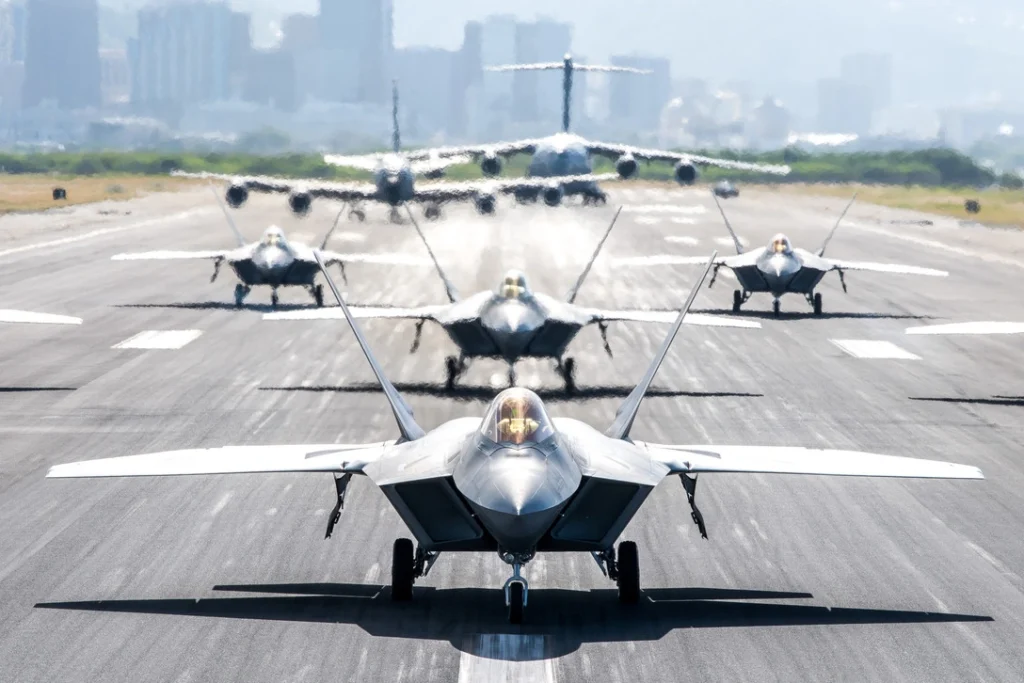
What F-35A Offers Portugal
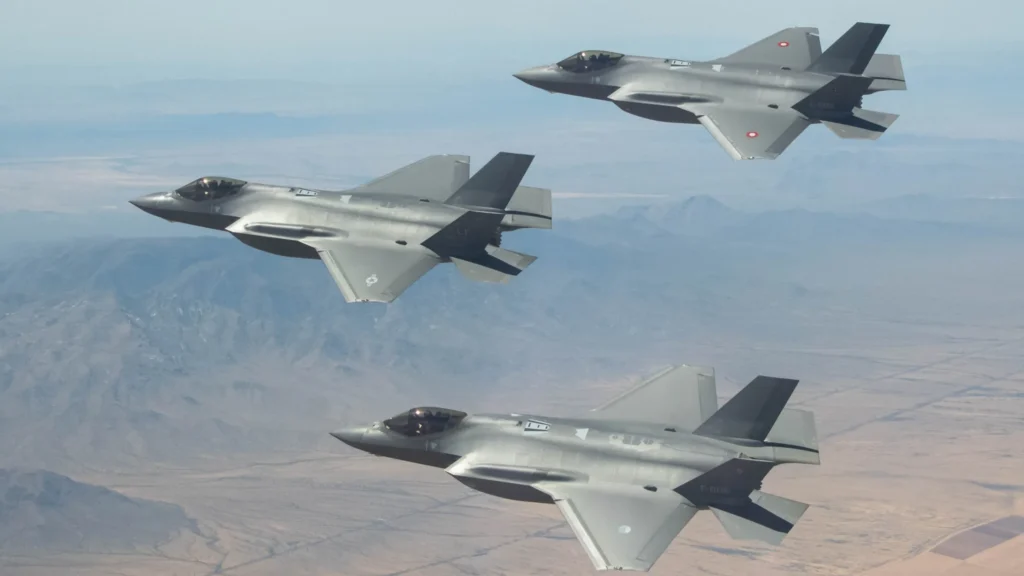
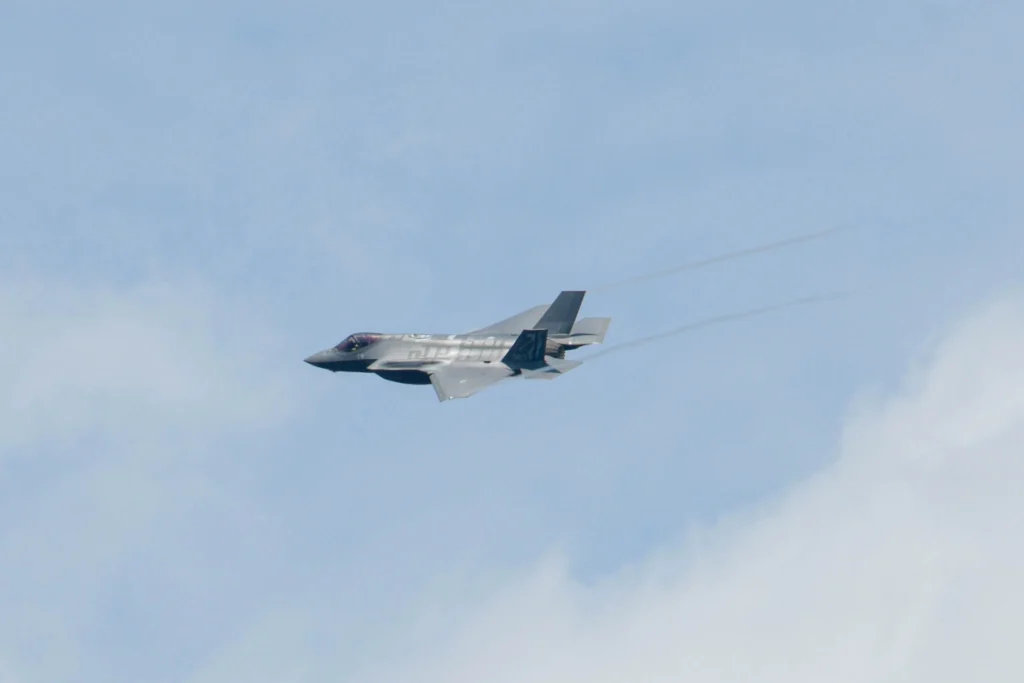
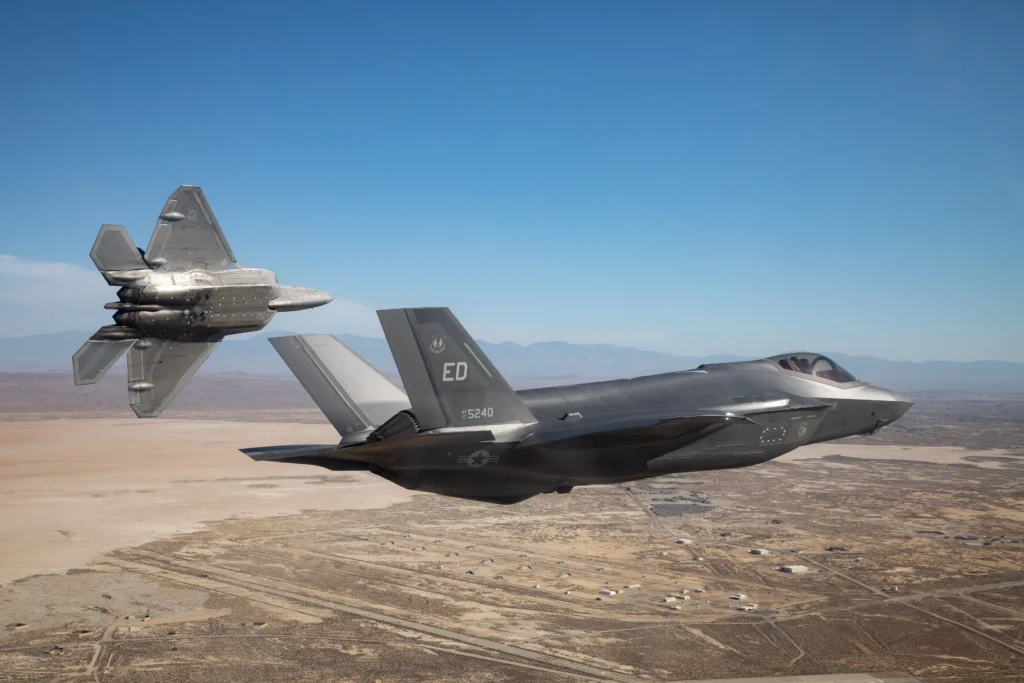
The Lockheed Martin F-35A Lightning II is designed around low observability, sensor fusion, advanced electronic warfare and networked operations. These capabilities allow the aircraft to combine information from multiple sensors and share relevant data with compatible forces.
Low observability can reduce the aircraft’s radar signature, while sensor fusion helps pilots develop a clearer operational picture. Advanced electronic warfare and network connectivity can also support operations in contested environments.
For Portugal, the F-35A would offer a route into the growing European community of fifth-generation fighter operators.
Common aircraft systems can improve interoperability, although effective cooperation also depends on communications, training, weapons integration and compatible operational procedures.
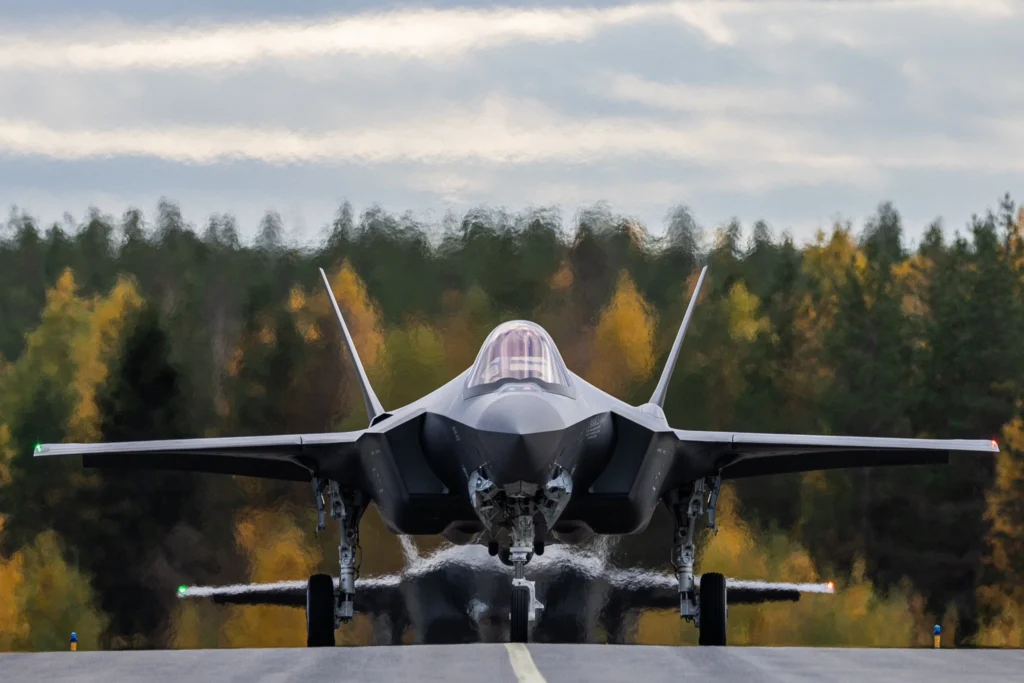
European F-35 Adoption and NATO Interoperability
More than 900 F-35 aircraft were reported to be in service or on order across Europe, according to previous comments by US Ambassador to Portugal John Arrigo. Washington has used the size of this community to support its argument that purchasing the F-35 would give Portugal substantial interoperability benefits.
Joining the F-35 community could support training, operational coordination and cooperation with allied air forces that operate the same aircraft family. It could also give Portugal access to an established international support and upgrade network.
However, these advantages would come with significant financial and logistical commitments. Portugal would need to evaluate pilot training, maintenance facilities, spare parts, software support, weapons procurement and long-term sustainment alongside the initial aircraft purchase.
The final decision should therefore depend on the full cost of ownership and the capabilities Portugal needs, rather than the F-35’s technical features alone.
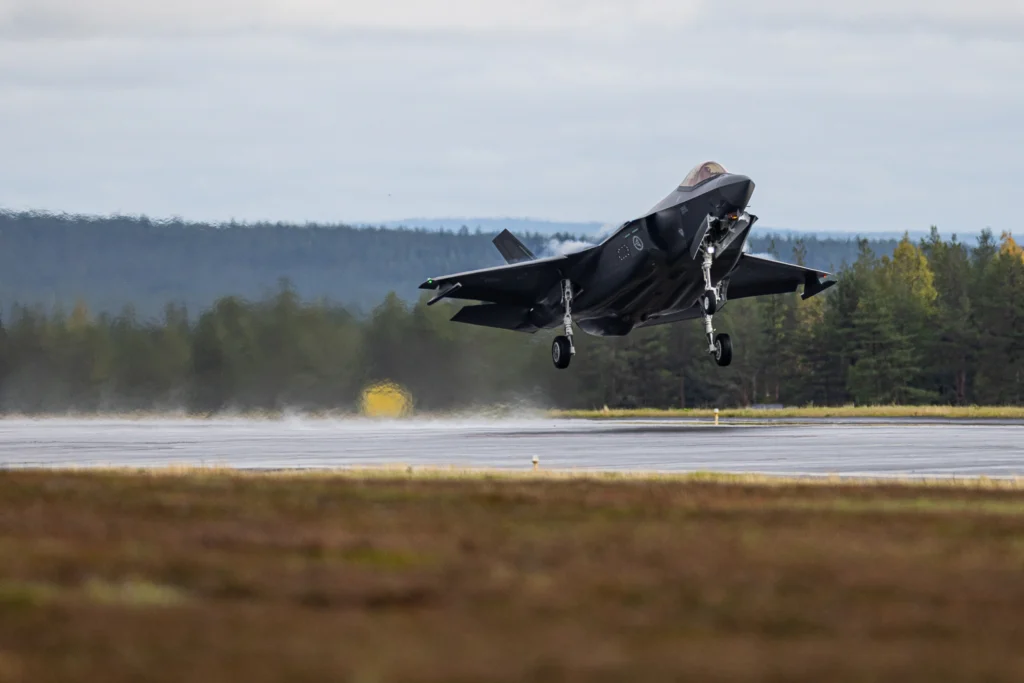
European Fighter Alternatives
Portugal’s replacement options include the Eurofighter Typhoon, Dassault Rafale and Saab Gripen E. These aircraft provide alternatives to the American stealth fighter and could support closer industrial cooperation with European partners.
Airbus Prepares Eurofighter Typhoon Proposal
Airbus has said it intends to submit an unsolicited Eurofighter Typhoon proposal to Portugal in late October or early November 2026. The planned package is expected to include the aircraft, financing arrangements, industrial participation and broader military cooperation.
This approach could appeal to Lisbon because the proposal would address both operational requirements and the potential benefits for Portuguese industry. Financing and industrial arrangements may become important factors in the competition if the candidates satisfy Portugal’s core military needs.
The Typhoon is not the only European alternative. The Rafale and Gripen E also compete for consideration, giving Portugal a choice among different aircraft designs, support structures and potential partnership arrangements.
The proposals must be evaluated against Portugal’s requirements for air policing, training, allied deployments, maintenance capacity and future combat operations. Their long-term value will depend on delivery schedules, upgrades, operating costs and access to the necessary support infrastructure.
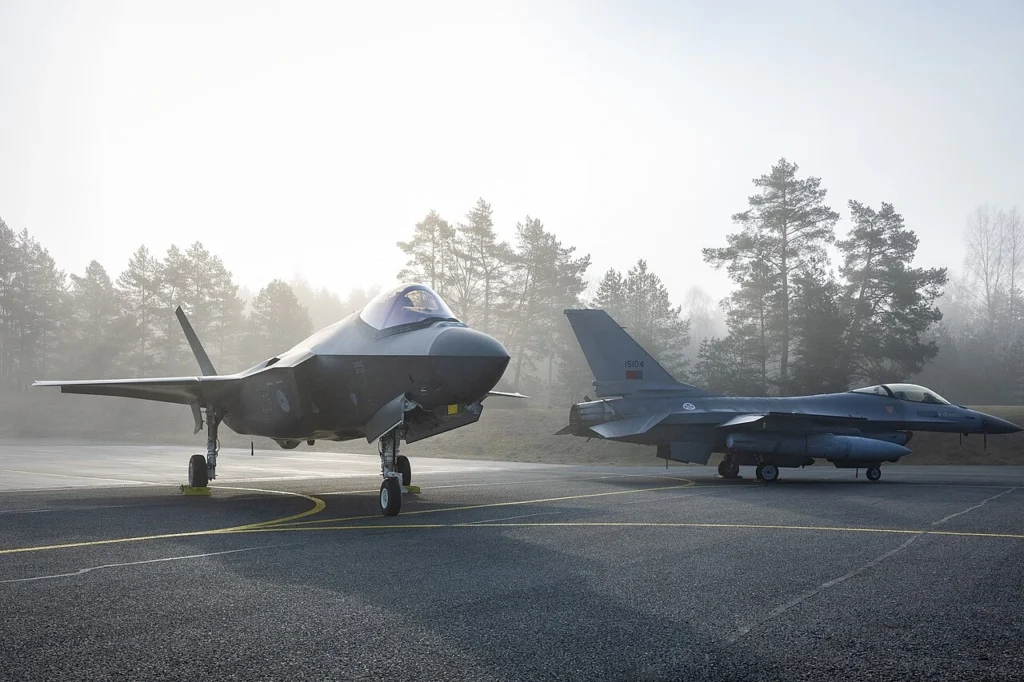
NATO Missions and Operational Requirements
Since the end of the Cold War, Portugal has become more involved in overseas operations and missions supporting NATO. Its F-16 fleet has contributed to this role through repeated air-policing deployments.
Portuguese fighters have participated in NATO missions in the Baltic states, Iceland, Romania and Poland. These deployments demonstrate the importance of the fighter fleet to allied airspace protection and collective defense.
Any replacement must preserve Portugal’s ability to carry out these responsibilities while meeting future operational demands. It must also integrate with NATO forces and maintain an appropriate balance between readiness, training, maintenance and operating expenditure.
The F-35A offers potential advantages in highly contested environments because of its low-observable design, sensor integration and electronic warfare systems. European alternatives offer their own combinations of operational capabilities and industrial benefits. Portugal must assess each aircraft against its intended missions instead of relying on broad generational labels alone.
Defense Industry and Strategic Dependence
The procurement decision will also influence Portugal’s long-term defense relationships. Selecting the F-35A would deepen military ties with Washington and increase Portugal’s integration with the aircraft’s international operator community.
However, European governments are also examining the strategic risks of relying heavily on American military technology. Uncertainty about Washington’s future approach to NATO has encouraged discussions about strengthening European defense capabilities and reducing certain external dependencies.
Portugal already relies on U.S.-made equipment for several military requirements. Its procurement of UH-60 Black Hawk helicopters illustrates this existing relationship with American defense suppliers.
A European fighter could offer opportunities for industrial participation, closer cooperation with European manufacturers and stronger regional defense relationships. Those benefits would need to be weighed against the operational advantages, acquisition terms and lifecycle costs of the American aircraft.
A European aircraft should not automatically be considered cheaper or more independent, just as the F-35 should not automatically be considered the most suitable option. The outcome will depend on the details of each proposal, including sustainment arrangements, technology access, upgrade options and the degree of industrial participation Portugal can secure.
What Happens Next?
As of October 10, 2026, Portugal has not formally launched a fighter replacement tender. The United States is promoting the F-35A, while European manufacturers are preparing competing proposals that combine aircraft capability with financial and industrial incentives.
The next stage will require Lisbon to define its operational requirements and compare the available packages. Key considerations will include acquisition costs, long-term sustainment, delivery schedules, NATO interoperability, industrial participation and the ability to upgrade the aircraft over time.
The decision will determine which combat aircraft leads the Portuguese Air Force through the coming decades. It will also influence how Portugal balances its military relationship with the United States against its interest in European defense cooperation.
Portugal’s challenge is to select a fighter that meets its operational needs, remains financially sustainable and supports its long-term strategic objectives. The F-35A offers a path toward fifth-generation air combat, while the Typhoon, Rafale and Gripen E ensure that European alternatives remain part of the decision.
Stay tuned with us. Further, follow us on social media for the latest updates.
Join us on Telegram Group for the Latest Aviation Updates. Subsequently, follow us on Google News
