

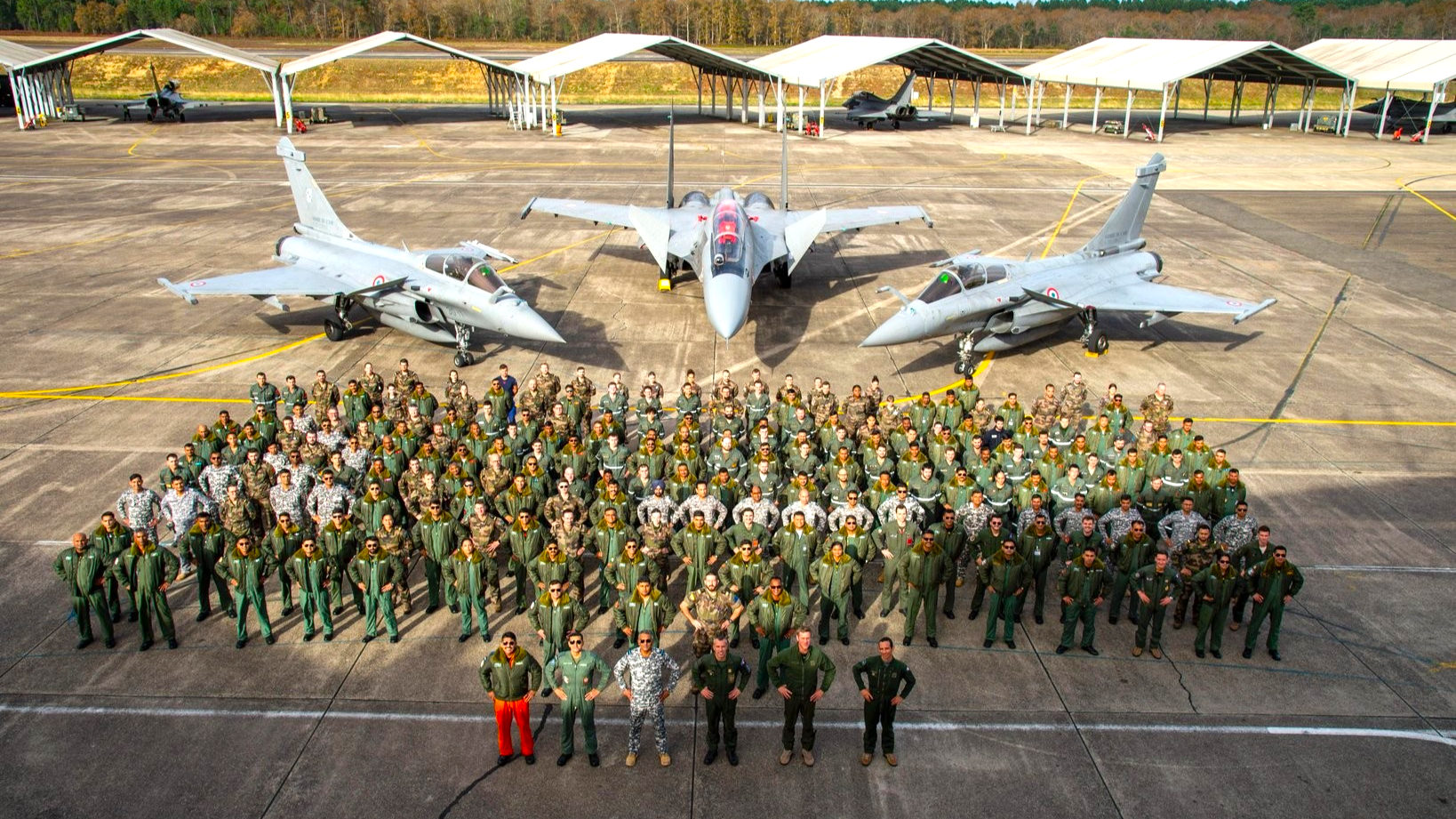
NEW DELHI- India’s Air Chief Marshal Amar Preet Singh has said the United States has made no formal offer to sell F-35 Lightning II stealth fighters to India. He also questioned Washington’s position after American personnel reportedly restricted Indian officers from approaching the aircraft during Exercise Tarang Shakti 2026.
The Indian Air Force (IAF) chief made the remarks in Jodhpur, Rajasthan, alongside U.S. Pacific Air Forces commander General Kevin Schneider. Six U.S. Air Force F-35A fighters participated in the multinational exercise, marking their first exercise against Indian aircraft on Indian soil.
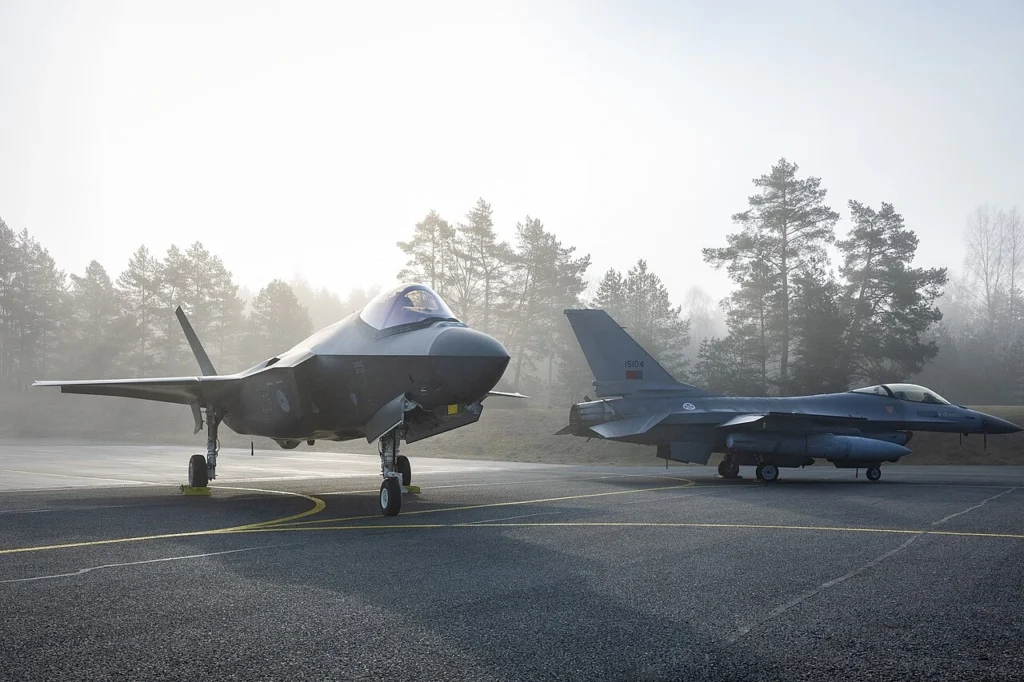
India Questions US F-35 Offer After Tarang Shakti 2026
Singh’s comments highlight the difference between political statements expressing interest in defence sales and a formal aircraft procurement offer. Although senior American officials have publicly discussed the possibility of India acquiring the F-35, Singh said New Delhi had not received an official proposal.
During the press conference marking the conclusion of Exercise Tarang Shakti 2026, Singh pointed to the restrictions Indian personnel faced when attempting to approach the American stealth fighters.
Your people don’t even let us go near the aircraft, and you are talking about selling it to us.”
India’s Air Chief Marshal Amar Preet Singh
The remark raised questions about the practical scope of potential F-35 cooperation between the two countries. It also highlighted the access restrictions surrounding advanced military aircraft, whose sensitive technologies are subject to strict security controls.
The participation of six F-35As and more than 200 accompanying personnel gave the American contingent a prominent role in the exercise. However, their presence did not establish that Washington had formally offered the aircraft to India or that the IAF had begun a procurement process.
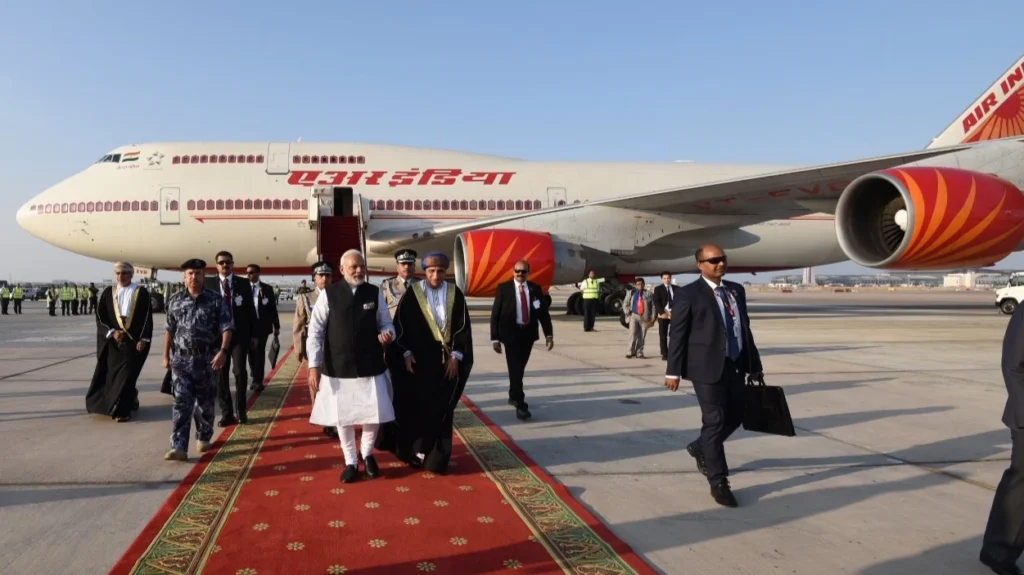
Trump and Vance Previously Discussed F-35 Sale to India
The possibility of India acquiring the F-35 entered public discussion in February 2025, when U.S. President Donald Trump said Washington would pave the way for India to purchase the stealth fighter during Prime Minister Narendra Modi’s visit to Washington.
U.S. Vice President JD Vance reiterated the message during his visit to India in April 2025. He expressed Washington’s interest in expanding defence cooperation and identified the F-35 as an aircraft that could strengthen India’s ability to defend its airspace.
These statements indicated American political interest in a potential sale. However, Singh’s latest remarks distinguish those public assurances from a formal offer presented to the Indian government.
Lockheed Martin, the F-35’s manufacturer, has also discussed opportunities in the Indian market. Company chief executive Jim Taiclet previously referred to the F-35 and the F-21, a proposed fighter based on the F-16 family, while discussing potential options for India.
Taiclet described the F-16 and F-21 as possible stepping stones for countries that were not ready to acquire the F-35. The F-21 was promoted as a candidate for India’s fighter requirements, but the source material does not establish that India has selected it.
The United States has also previously promoted other fighter aircraft for Indian requirements, including the F-16, F/A-18 Super Hornet and F-15EX. These discussions form part of a broader history of American efforts to expand defence sales to India.
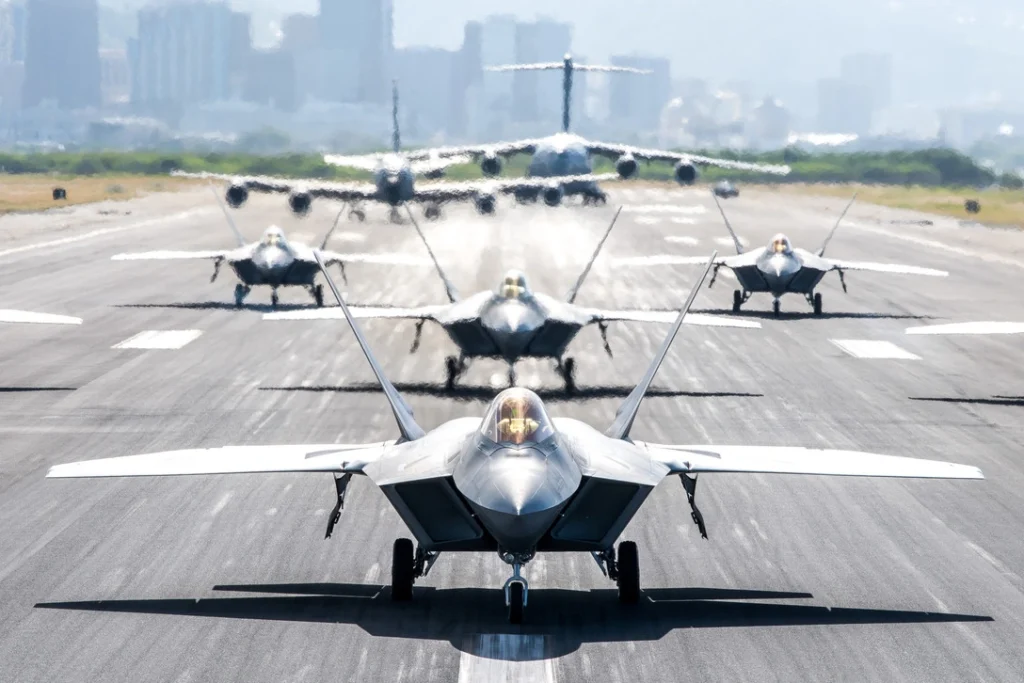
Why the F-35 Sale Faces Major Challenges
The F-35 is a fifth-generation multirole fighter designed around stealth, advanced sensors, electronic warfare capabilities, and integrated mission systems. Its capabilities could offer the IAF advantages in contested airspace, but acquiring the aircraft would involve more than purchasing airframes.
The sale of the F-35 is subject to stringent U.S. export controls. Any potential transfer would require the relevant American government approvals and compliance with applicable defence-export requirements. Depending on the transaction, congressional notification or other legislative procedures could also apply.
Washington must consider the protection of classified technology, the security of operational data and the potential consequences of transferring sensitive capabilities to another country.
India’s existing defence relationships and strategic partnerships could complicate those considerations. New Delhi operates Russian-origin S-400 air defence systems and maintains military ties with Moscow, while the United States seeks to protect sensitive information associated with its advanced aircraft.
Concerns about safeguarding stealth technology and mission data could therefore become important in any future discussion. However, the source material does not establish that the S-400 system alone has resulted in a formal American decision to reject an F-35 sale.
The aircraft also depends on specialised maintenance, technical support, software updates and a sophisticated logistics network. Integrating it into India’s existing fleet would require investment in infrastructure, personnel training and long-term sustainment.
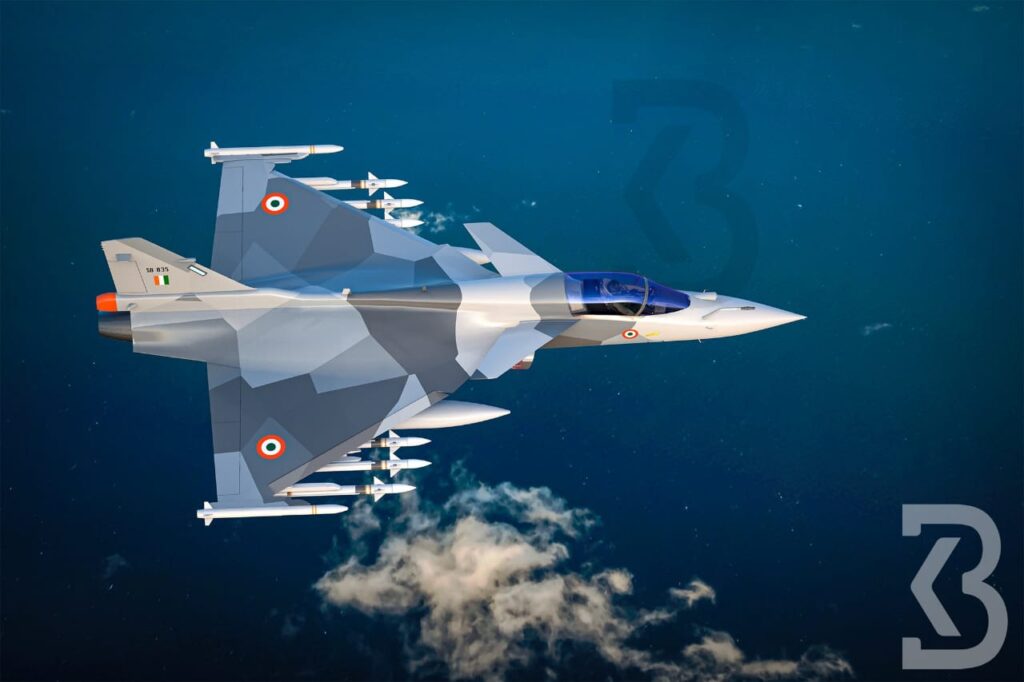
India’s AMCA Programme Remains a Strategic Priority
India is developing the Advanced Medium Combat Aircraft (AMCA), its planned indigenous fifth-generation fighter. The programme is intended to strengthen domestic aerospace capabilities and reduce long-term dependence on foreign combat aircraft.
An F-35 acquisition could provide advanced capabilities, but it could also create competing demands for funding and technical resources. The extent of that impact would depend on the size of any potential purchase, its delivery schedule and the financial arrangements involved.
Technology transfer is another important consideration for New Delhi. India has repeatedly sought greater domestic manufacturing and access to advanced aerospace technologies through its defence procurement programmes.
A foreign fighter purchase would not automatically provide India with the ability to manufacture the aircraft, independently modify its systems or produce its most sensitive components. Any such access would depend on the specific terms approved by the supplier government.
India’s experience with other defence programmes illustrates the challenges of securing advanced technology. The source material highlights delays involving GE Aerospace’s F404-IN20 engines for Hindustan Aeronautics Limited’s Tejas Mk1A fighter programme.
The original 2021 contract covered 99 engines. According to the source, deliveries had fallen behind the expected schedule, with six engines delivered against a target of more than 12 annually. The delays prompted HAL to invoke contractual penalty provisions.
The separate proposed cooperation between GE Aerospace and HAL to produce F414 engines in India has also faced challenges involving costs and the transfer of sensitive technology. Those issues could influence how Indian officials assess future foreign fighter proposals.
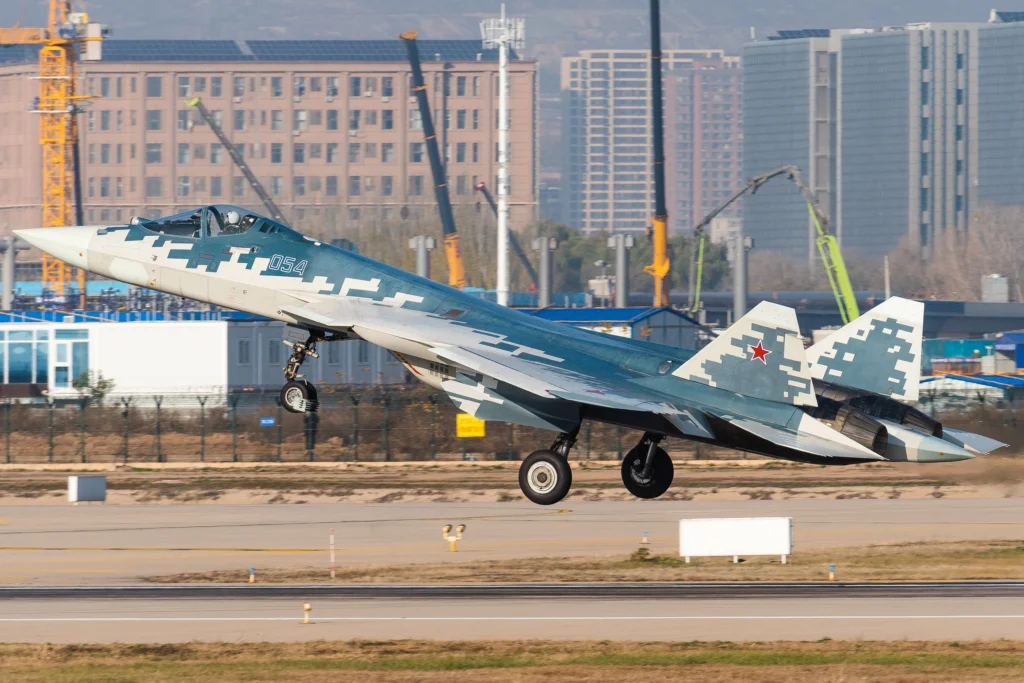
IAF Has Not Decided Whether to Evaluate Russia’s Su-57
Alongside the discussion about the American F-35, Singh said the Indian government had not decided whether the IAF should evaluate Russia’s Su-57 fifth-generation fighter.
“Once the decision is conveyed to us (by the government), we will evaluate how well it meets our requirements,” he said.
The statement indicates that any assessment of the Su-57 remains conditional on a government decision. It does not confirm that India has selected the Russian aircraft or formally begun an evaluation.
The two aircraft represent different procurement pathways. The F-35 is an American-developed stealth fighter supported by a tightly controlled international programme, while the Su-57 is Russia’s fifth-generation fighter offering.
An evaluation would need to consider operational performance, weapons integration, maintenance requirements, acquisition costs, supply-chain reliability and the degree of technical independence available to India.
India would also need to assess how either aircraft could complement its existing fighters and support the long-term development of its domestic aerospace industry.
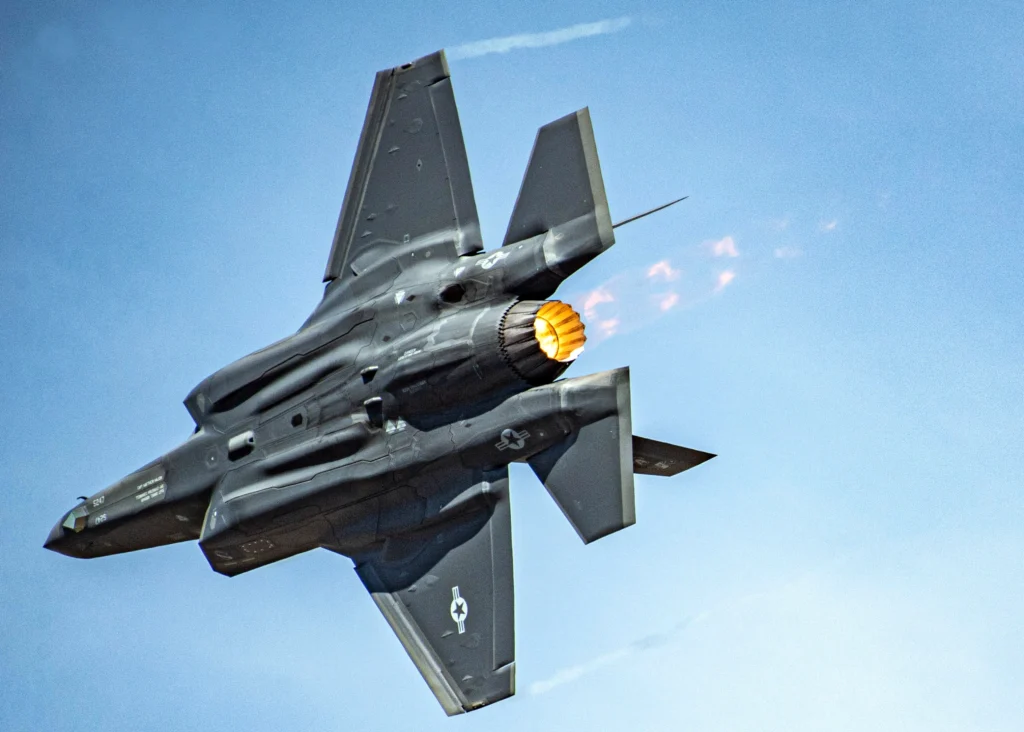
F-35 Acquisition Costs Could Add to India’s Defence Burden
The source estimates the F-35’s acquisition cost at approximately US$80 million to US$110 million per aircraft, depending on the variant and procurement arrangement. These figures do not represent a confirmed offer to India.
The total cost of ownership would extend beyond the purchase price. India would need to account for weapons, training, infrastructure, maintenance, software support, and recurring operating expenses.
Operating a new Western stealth fighter would also add complexity to a fleet that already includes aircraft from several countries. Maintaining different aircraft types requires separate training pipelines, technical support arrangements, spare-parts inventories and maintenance systems.
India would therefore have to weigh the F-35’s potential operational benefits against its long-term financial and logistical demands.
The AMCA programme presents a different strategic objective by focusing on domestic design and development. Balancing near-term capability requirements with the long-term goal of developing an indigenous fifth-generation fighter would remain central to any procurement decision.

What Happens Next?
The immediate question is whether the Indian government will ask the IAF to assess foreign fifth-generation fighters, including Russia’s Su-57. Singh’s comments make clear that the government has not yet communicated a decision on that evaluation.
On the American side, the public statements made by Trump and Vance have not, according to Singh, translated into a formal F-35 offer. Any future proposal would need to address export approvals, technology protection, financing, maintenance and India’s requirements for domestic industrial participation.
Exercise Tarang Shakti 2026 provided an opportunity for American and Indian forces to operate alongside one another and observe each other’s capabilities. However, participation in a multinational exercise does not constitute a commitment to buy the aircraft involved.
For now, India’s fighter procurement choices remain tied to government decisions, operational requirements and the country’s wider effort to strengthen domestic defence manufacturing. Whether the F-35 or Su-57 advances to a formal evaluation will depend on decisions that have not yet been confirmed in the source material.
Stay tuned with us. Further, follow us on social media for the latest updates.
Join us on Telegram Group for the Latest Aviation Updates. Subsequently, follow us on Google News
