

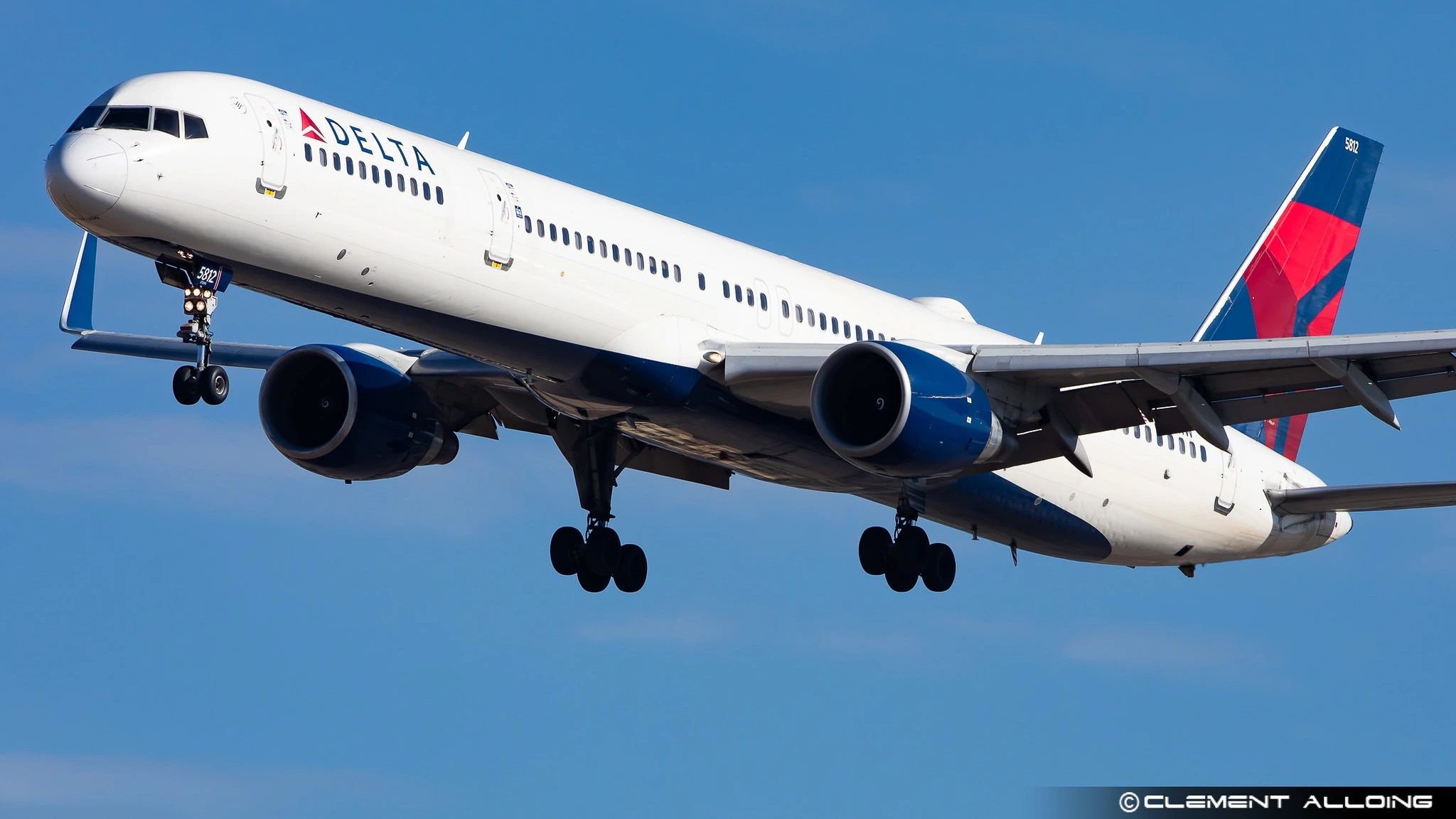
ATLANTA- Delta Air Lines (DL) flight DL437 from Los Angeles International Airport (LAX) to Boston Logan International Airport (BOS) diverted to Detroit Metropolitan Wayne County Airport (DTW) after the captain became ill.
The Delta Boeing 757-200, registered N707TW, landed safely at Detroit, where the captain told air traffic control that he needed to go to a hospital after taxiing the aircraft to its gate.
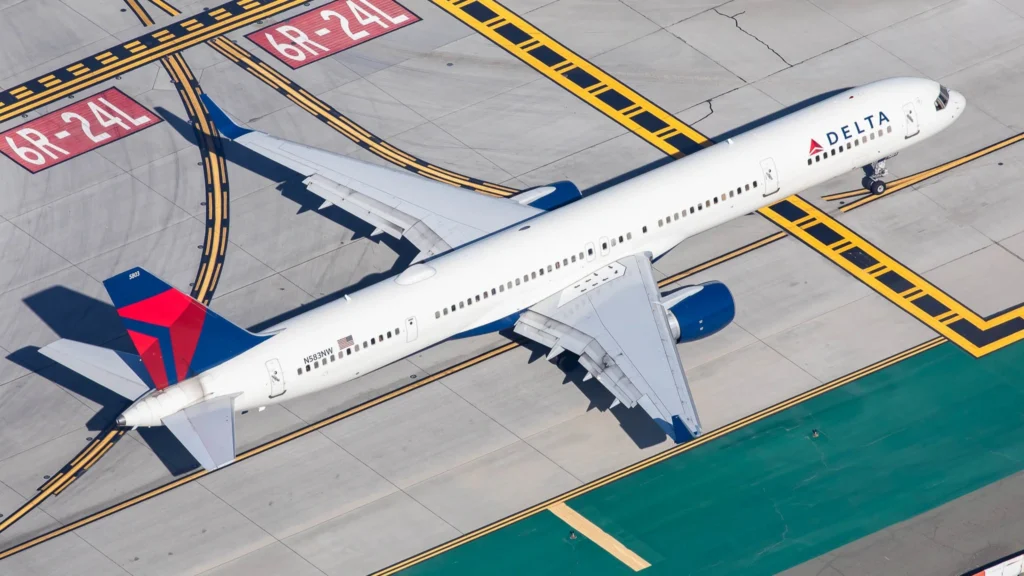
Delta Flight Diverts After Captain Becomes Ill
The incident occurred on Tuesday, August 25, 2026, while Delta flight DL437 was operating from Los Angeles to Boston. The flight was scheduled to use a Boeing 757-200 registered as N707TW.
During the flight, the captain became ill, prompting the crew to divert to Detroit Metropolitan Wayne County Airport for medical attention. The aircraft subsequently approached Detroit with the crew declaring an emergency.
According to OMAAT, an audio recording of the radio communications captured the unusual exchange between the Delta crew and Detroit air traffic control.
As the aircraft approached the airport, the Delta pilot reported the emergency and established visual contact with Runway 22L.
The exchange with the Detroit tower controller was:
Delta pilot: “Metro tower, Delta 437, emergency aircraft, visual 22L.”
Detroit tower: “Delta 436, Metro tower, runway 22L, cleared to land, wind 190 at 9.”
Delta pilot: “Cleared to land, 22L, A10 is the gate. This is the captain, I’m the one that’s ill. I’m gonna taxi the jet to the gate, and then I need to go to the hospital.”
Detroit tower: “Roger, Delta 437, you can plan to exit at Y2, that’ll give you the quickest route to the gate.”
The recording indicates that the captain was able to continue communicating with the controller and intended to taxi the aircraft directly to its assigned gate before seeking medical treatment.

Why the Captain Taxied the Aircraft to the Gate
The captain’s decision to taxi the Boeing 757 after landing raises an obvious question because he had already reported that he was the crew member who was ill.
The available information does not establish exactly which pilot was flying the aircraft during the approach. In normal two-pilot airline operations, the captain and first officer divide flying and monitoring duties, with responsibilities changing between sectors.
It is therefore possible that the first officer was flying the approach while the captain handled communications. It is also possible that the pilots had changed roles because of the captain’s condition.
Taxiing responsibilities can also vary by airline, aircraft type, and company procedures. The 757’s cockpit configuration and Delta’s operating procedures are relevant to determining which pilot would normally taxi the aircraft.
The available account suggests that the captain wanted to reach the gate as quickly as possible so he could leave the aircraft and receive medical attention. Stopping on a taxiway could have required additional coordination and transportation arrangements before he could reach the terminal.
However, the precise operational reason for the captain taxiing the aircraft cannot be confirmed from the radio exchange alone.
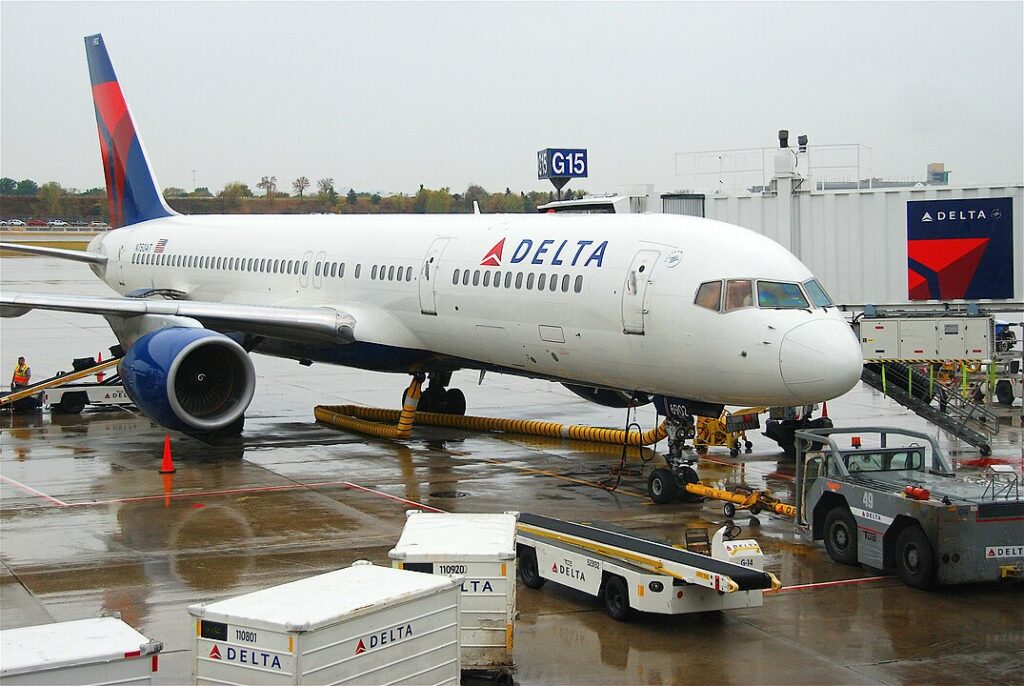
Detroit Diversion Allowed the Captain to Seek Medical Care
The diversion to Detroit gave the crew access to airport facilities while allowing the aircraft to complete its landing and proceed to the gate.
The tower controller also provided the crew with a specific taxi instruction intended to shorten the route to the gate. The controller directed Delta 437 to exit at Y2, explaining that the route would provide the quickest path.
The radio exchange is notable because the captain directly identified himself as the ill crew member and stated that he intended to go to the hospital after parking the aircraft.
There has been no information provided in the source material identifying the captain’s medical condition. Claims about a specific illness would therefore be speculative.
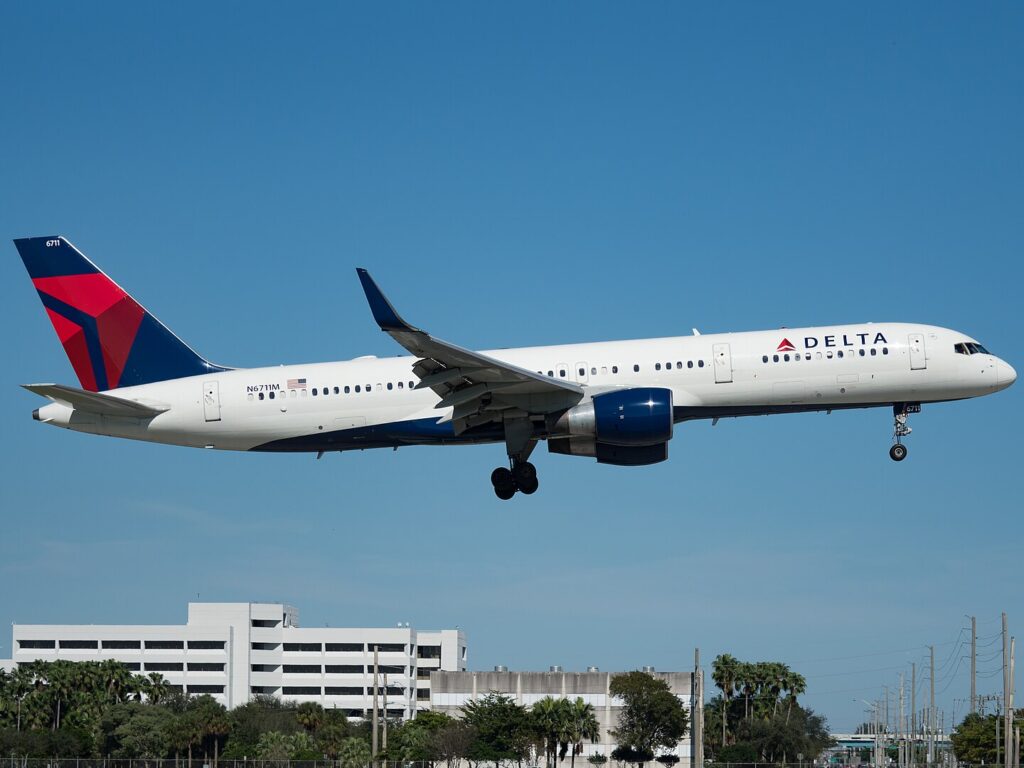
What Happens to a Pilot After an Inflight Medical Incident?
An illness involving an airline pilot can have consequences beyond the immediate flight. A pilot who becomes medically unfit during a flight may require medical evaluation before returning to flight duties.
The exact process depends on the nature of the medical event and applicable regulatory and airline requirements. A pilot may need to receive medical clearance before resuming normal flight operations.
For the passengers on DL437, the immediate priority was completing the diversion and ensuring that the captain could receive medical attention after landing.
The available information does not indicate whether the captain has returned to duty or provide details about his recovery.
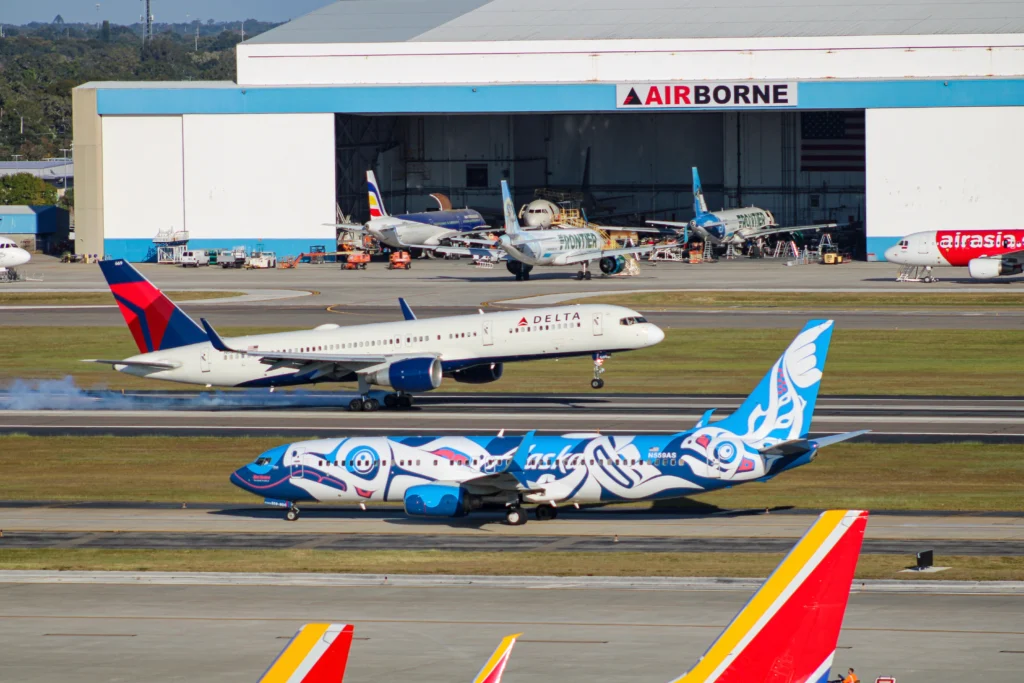
Delta Boeing 757 Flight DL437 Diverted to Detroit
DL437 was operating between Los Angeles and Boston when the captain became ill, leading to the diversion to Detroit.
The aircraft, Boeing 757-200 N707TW, landed on Runway 22L before continuing toward its gate. The captain then planned to leave the aircraft and travel to a hospital.
The incident stands out because the captain openly told Detroit air traffic control about his condition and his intention to seek hospital treatment immediately after reaching the gate.
The available information does not indicate any problem with the aircraft itself. The diversion was linked to the captain’s medical condition.
Stay tuned with us. Further, follow us on social media for the latest updates.
Join us on Telegram Group for the Latest Aviation Updates. Subsequently, follow us on Google News
