

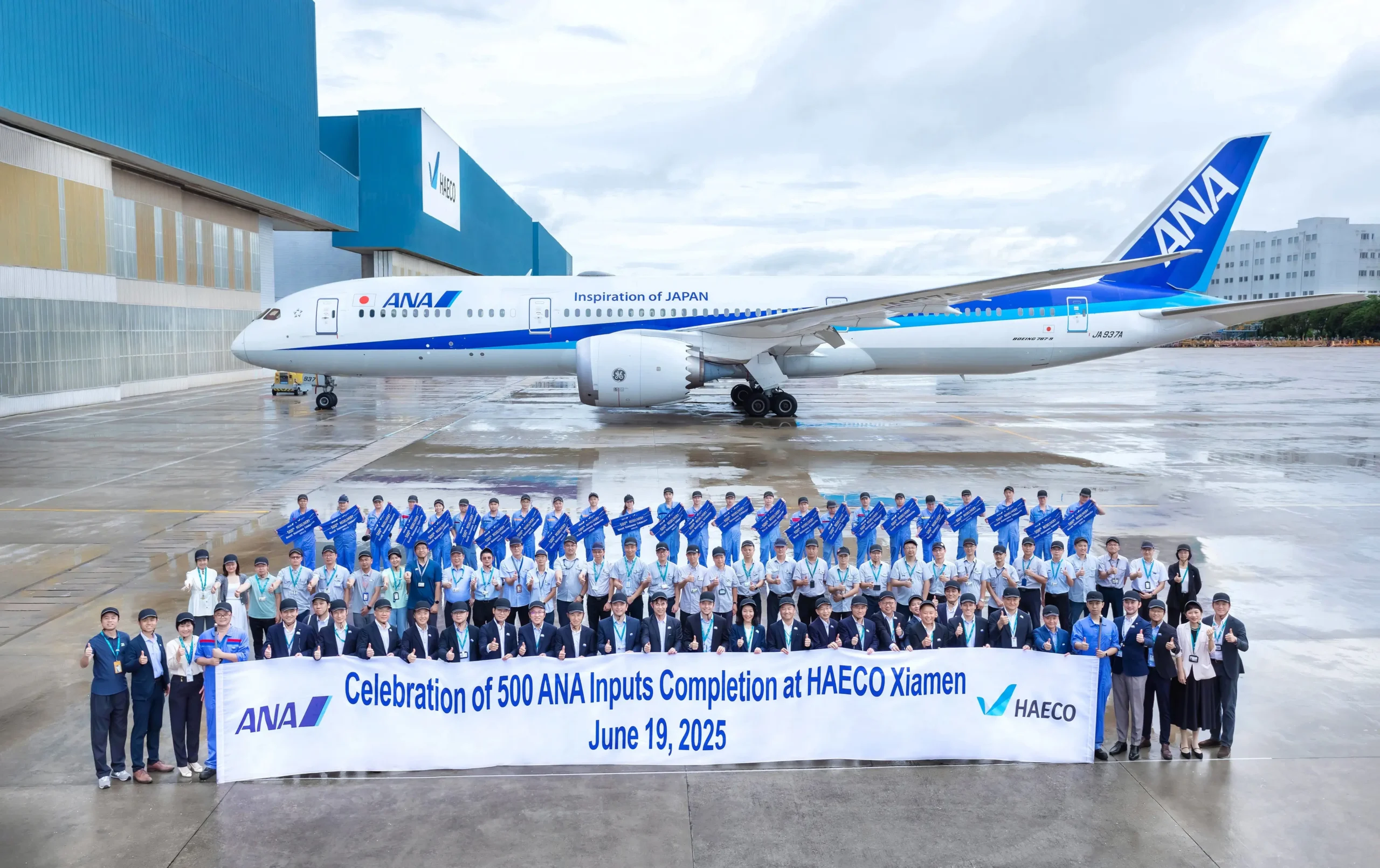
All Nippon Airways (NH), better known as ANA, is Japan’s largest airline and one of the most respected carriers in the Asia-Pacific region.
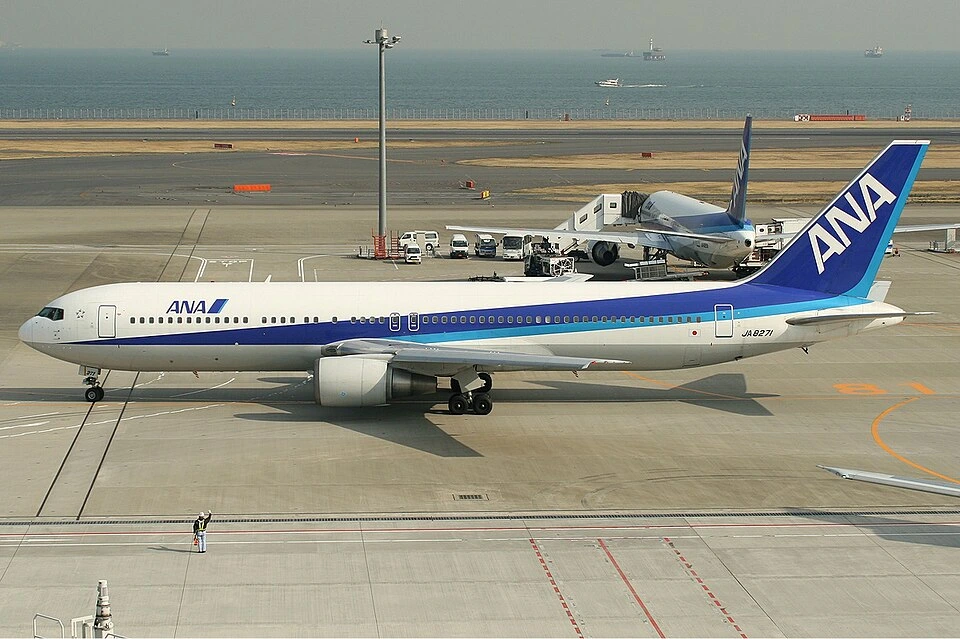
The airline has built its reputation around operational reliability, punctuality, and exceptionally high safety standards. Operating a fleet that includes the Airbus A320 family, A321neo, A380, Boeing 767, 777, and 787 Dreamliner, ANA relies heavily on its engineering workforce to maintain that reputation.
Unlike at some airlines, where engineering departments operate largely behind the scenes, ANA’s maintenance culture is often cited as one of the key reasons for its strong safety record. For Aircraft Maintenance Engineers (AMEs) and Technicians, working at ANA means being part of an organisation where technical precision is taken extremely seriously.
For aviation professionals in Japan, securing a role within ANA Engineering is widely considered a career achievement because of the airline’s prestige, training standards, and long-term career prospects.
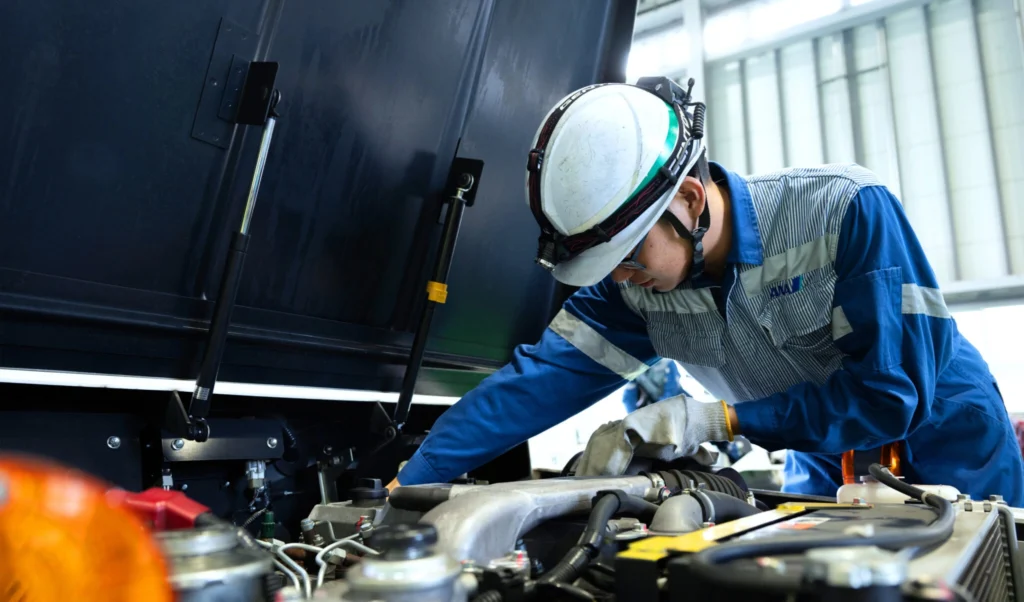
What Do Aircraft Engineers and Technicians Do?
Although both roles contribute to keeping aircraft airworthy, their day-to-day responsibilities differ considerably.
Aircraft Maintenance Engineer (AME)
An AME is a licensed professional responsible for ensuring maintenance work has been carried out correctly before an aircraft returns to service.
Typical responsibilities include:
- Diagnosing technical defects
- Reviewing maintenance procedures
- Supervising technicians during major maintenance tasks
- Verifying completed repairs and inspections
- Certifying aircraft as airworthy
At ANA, engineers often work under strict quality-control systems where accuracy and compliance are absolutely critical.
Aircraft Maintenance Technician
Technicians are responsible for much of the practical work that keeps aircraft operating safely.
Their duties often include:
- Conducting routine inspections
- Replacing aircraft components
- Servicing engines and aircraft systems
- Performing troubleshooting under engineer’s supervision
- Assisting during scheduled maintenance checks
Technicians are often the first people physically working on an aircraft when defects are identified.
ALSO READ: Japan Airlines AME and Technician Salary in 2026
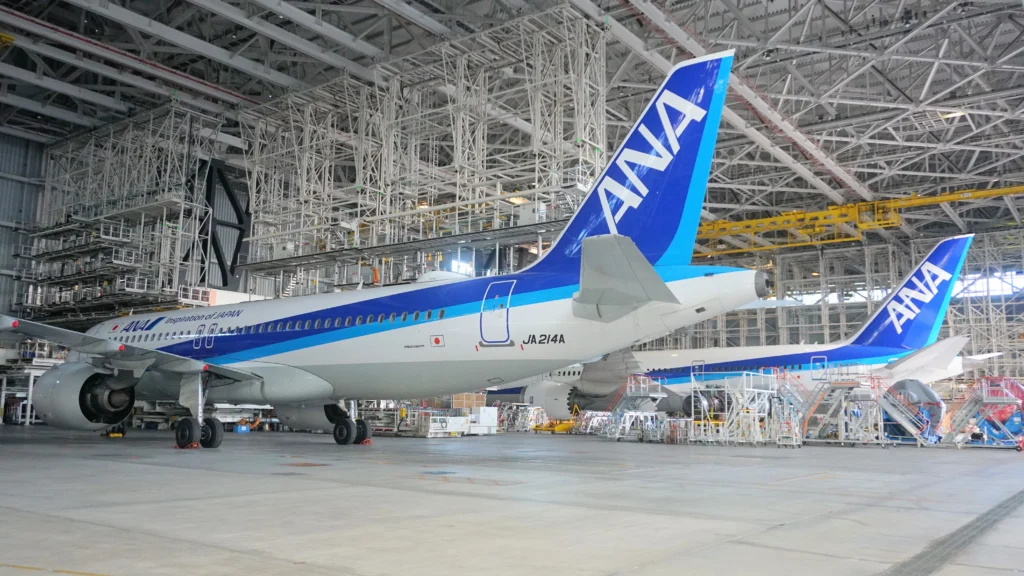
Requirements to Join ANA as an Engineer or Technician
Japan’s aviation industry maintains high technical standards, and ANA is no exception.
Basic Requirements
- A diploma or degree in aircraft maintenance or aerospace engineering
- Strong understanding of aircraft systems
- Good communication and teamwork skills
- Ability to work rotating shifts
- Strong attention to detail and safety procedures
For Aircraft Maintenance Engineers
Applicants typically require:
- A recognised aircraft maintenance licence
- Commercial aviation maintenance experience
- Type ratings on aircraft such as the Boeing 787 or Airbus A350 being advantageous
- Strong technical and regulatory knowledge
Licensed engineers are expected to demonstrate both technical competence and sound judgement.
For Aircraft Maintenance Technicians
Candidates generally need:
- Technical or vocational maintenance qualifications
- Practical mechanical skills
- Experience in maintenance environments preferred
- Willingness to pursue additional training and certifications
Many technicians eventually progress into engineer positions after obtaining the required licences.
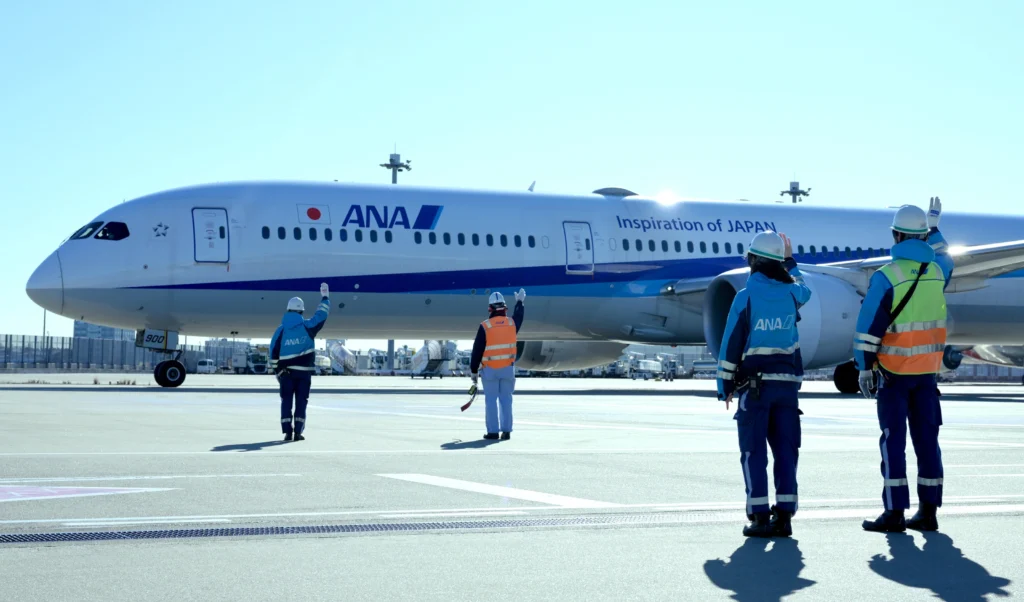
All Nippon Airways AME and Technician Salary in 2026
When discussing ANA salaries, it is important to understand that Japanese airlines traditionally emphasise stability, seniority, and long-term progression rather than offering the highest starting salaries in global aviation.
For Aircraft Maintenance Engineers, earnings typically begin at a respectable level and increase steadily as experience and responsibilities grow. Industry salary data for aircraft maintenance engineers in Japan suggests annual earnings commonly fall between ¥6 million and ¥9 million (approximately US$40,000 to US$60,000) for many qualified engineers.
At ANA specifically, a newly licensed engineer may earn around ¥6.5 million to ¥8 million per year (approximately US$43,000 to US$53,000). Engineers at this stage are usually developing experience on ANA’s fleet while building additional qualifications and approvals.
Once engineers gain broader fleet experience, type ratings, and greater certifying authority, annual earnings often move into the ¥8.5 million to ¥11 million range (approximately US$57,000 to US$73,000).
Senior certifying engineers, maintenance supervisors, and technical specialists can earn around ¥12 million to ¥15 million per year (approximately US$80,000 to US$100,000), particularly when performance bonuses and seniority-related compensation are included.
In monthly terms, many ANA engineers therefore earn roughly ¥540,000 to ¥1.25 million per month (approximately US$3,600 to US$8,300) depending on their role and experience level.
Technicians operate on a different pay scale but still enjoy stable earnings and strong career development opportunities.
Entry-level technicians commonly earn around ¥3.5 million to ¥4.5 million per year (approximately US$23,000 to US$30,000). This is often the starting point for individuals building practical maintenance experience within the airline.
As skills and experience develop, technicians frequently move into the ¥5 million to ¥6.5 million annual range (approximately US$33,000 to US$43,000).
Experienced technicians with specialist responsibilities or extensive service records can earn approximately ¥7 million to ¥8.5 million per year (approximately US$47,000 to US$57,000).
This means many ANA technicians earn roughly ¥290,000 to ¥710,000 per month (approximately US$1,900 to US$4,700) depending on seniority and responsibilities. These figures are broadly consistent with Japanese maintenance salary trends.
Overall, the salary picture at ANA looks something like this:
- Aircraft Maintenance Engineers: ¥6.5 million to ¥15 million per year (approximately US$43,000 to US$100,000)
- Aircraft Maintenance Technicians: ¥3.5 million to ¥8.5 million per year (approximately US$23,000 to US$57,000)
The biggest leap in earnings usually comes when a technician obtains a maintenance licence and transitions into a certifying engineer role.
ALSO READ: Singapore Airlines Engineer and Technician Salary in 2026
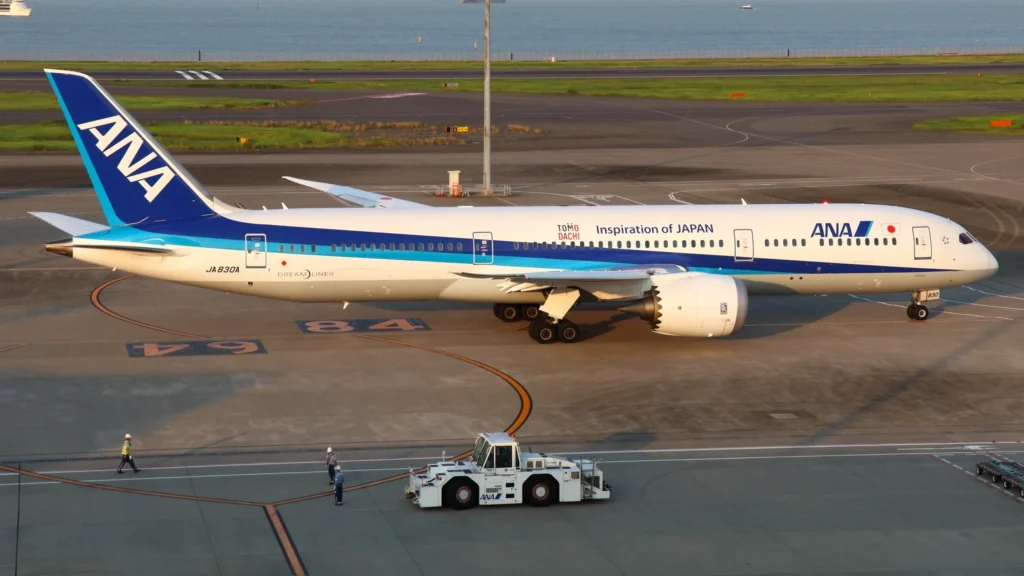
Benefits and Perks at ANA Engineering
Salary is only one part of the package at ANA.
Employees may also receive:
- Staff travel privileges
- Discounted airline tickets
- Performance bonuses
- Retirement and pension programmes
- Comprehensive training opportunities
- Health and welfare benefits
- Career progression within Japan’s largest airline
Many long-serving employees view these benefits as one of the airline’s strongest attractions.
ALSO READ: Cathay Pacific Aircraft Engineer and Technician Salary in 2026
Bottom Line
Working as an AME or Technician at ANA in 2026 offers more than just a salary. It provides the opportunity to work within one of the world’s most respected airline engineering organisations and gain experience on a diverse modern fleet.
Engineers earn considerably more because they hold certification authority and carry significant responsibility for aircraft safety. Technicians start lower but have a clear pathway toward licensing and higher-paying engineering positions.
For aviation professionals who value technical excellence, structured career progression, and the prestige associated with Japan’s largest airline, ANA remains one of the most desirable employers in the industry.
FAQs
Yes. Since the Boeing 787 is a major part of ANA’s long-haul fleet, experience or type ratings on the aircraft can be a significant advantage during recruitment.
They can, although Japanese language ability, licence recognition, and compliance with Japanese aviation regulations are often important considerations.
Type ratings, certifying authority, supervisory responsibilities, years of service, and experience on advanced aircraft such as the Boeing 787 or Airbus A380 are usually the biggest factors.
Stay tuned with us. Further, follow us on social media for the latest updates.
Join us on Telegram Group for the Latest Aviation Updates. Subsequently, follow us on Google News
