

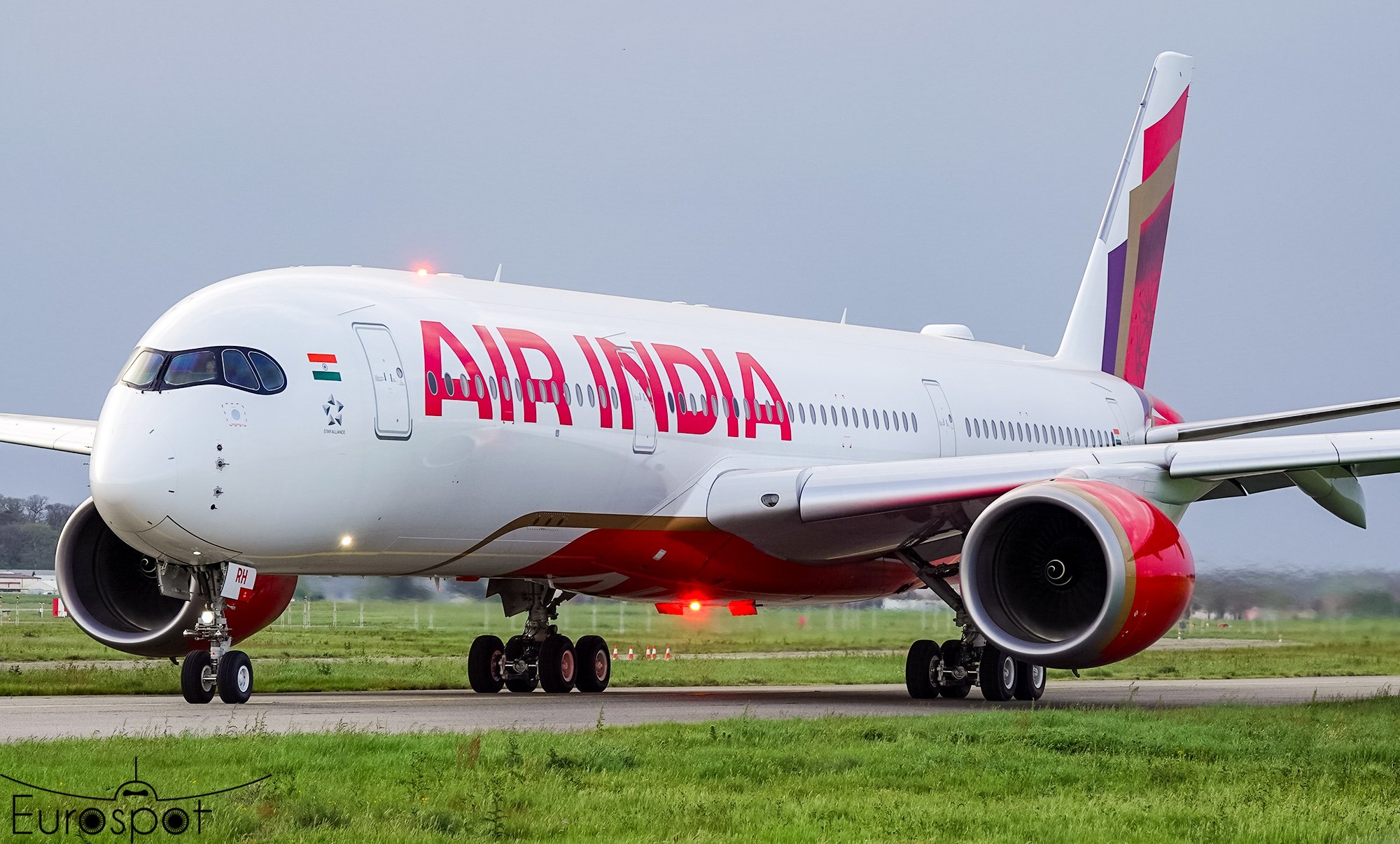
MUMBAI- Air India (AI) is seeking about $1.5 billion in fresh equity from Tata Sons and Singapore Airlines (SQ) as the carrier faces mounting financial pressure after a record annual loss.
The funding request comes as Air India (AI) works through operational disruptions, high costs, and a major fleet and systems overhaul, while Singapore Airlines (SQ) continues to support its investment in the Indian carrier.
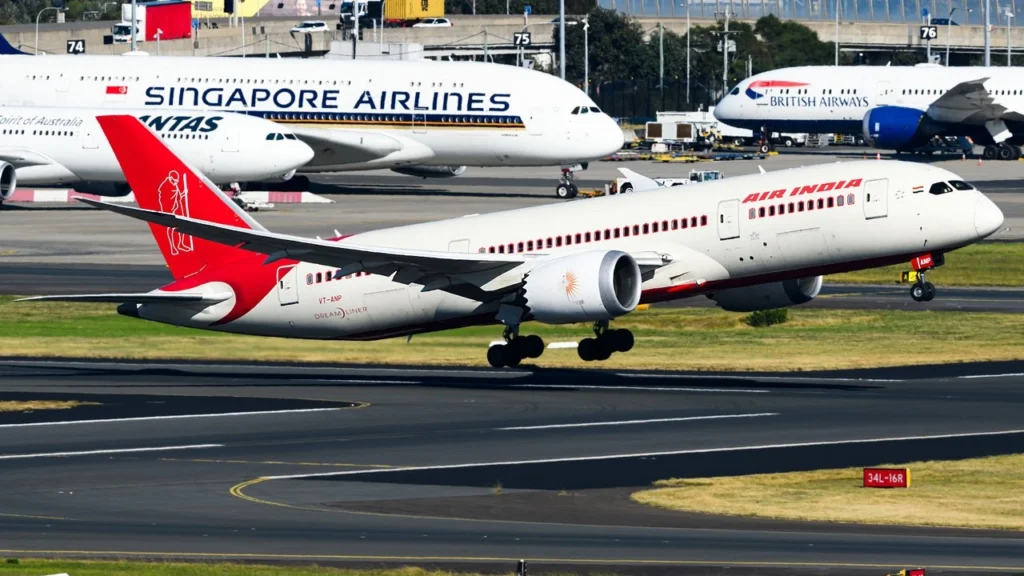
Air India Seeks Fresh Capital for Turnaround
Air India has asked its shareholders for about $1.5 billion in fresh equity, according to sources cited by Reuters. The proposed funding would come from Tata Sons and Singapore Airlines, which owns about 25% of Air India.
The request represents one of Air India’s largest publicly reported calls for shareholder funding since Tata Group took control of the former state-owned airline in 2022.
Discussions remain ongoing, and no final decision has been made. Sources said Air India wants the capital immediately, although the funding could be provided in multiple tranches.
Singapore Airlines would need to contribute its share of the proposed equity infusion for the investment to proceed.
Singapore Airlines said it continues to work closely with Tata Sons to support Air India’s transformation programme but declined to comment on the airline’s finances.
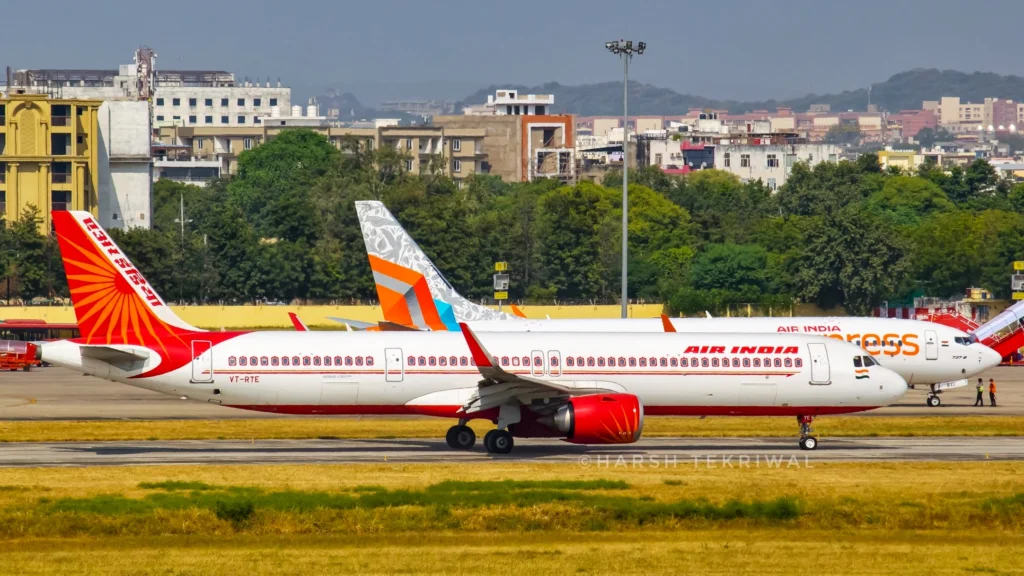
Record Loss Adds Pressure
Air India’s financial position has become a major challenge for the Tata Group’s turnaround strategy.
Air India and its low-cost subsidiary, Air India Express (IX), recorded combined losses of about $2.33 billion for the fiscal year ended March. The combined loss was more than twice the previous year’s figure.
Singapore Airlines reported the Air India group recorded a loss of 3.56 billion Singapore dollars for the same financial year. The figure was equivalent to about $2.80 billion based on the exchange rate used when Singapore Airlines reported its annual results in May.
Air India’s standalone loss for fiscal 2024-25 was reported at about $415 million, while losses including Air India Express were substantially higher.
The financial performance has also affected Singapore Airlines’ earnings and raised concerns about the value of its investment in Air India.
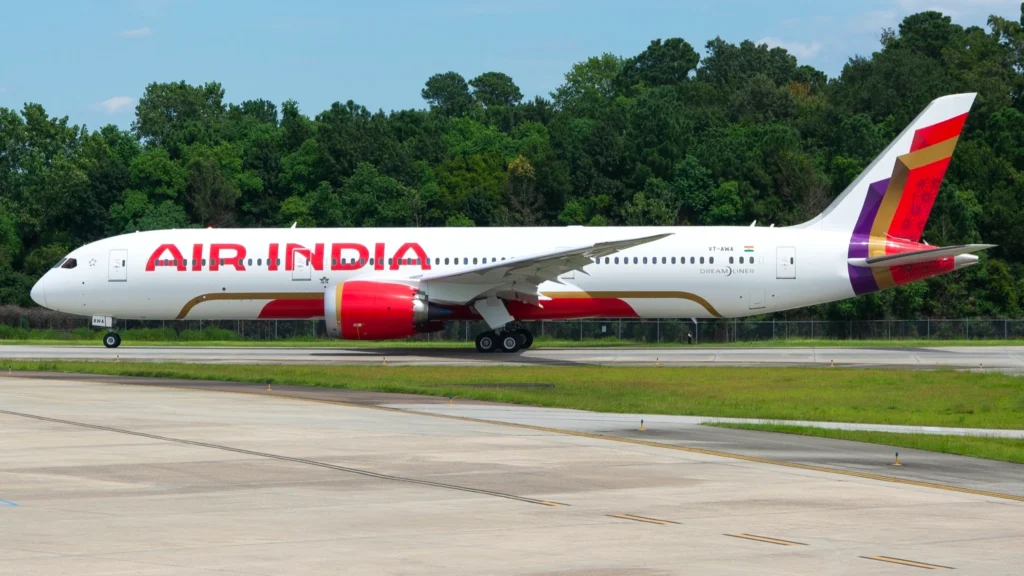
Air India Faces Operational Headwinds
The airline’s turnaround has been complicated by several external pressures.
Pakistan’s restrictions on Indian carriers using its airspace have disrupted some international operations and increased the complexity and cost of certain routes. Air India’s international network has also faced disruption from the conflict in the Middle East.
The airline has additionally faced the impact of the Ahmedabad crash last year, which killed 260 people.
Higher jet fuel prices have added another layer of financial pressure. Singapore Airlines said elevated fuel costs, including increases linked to the Iran conflict, were still filtering through its results and were expected to have a greater impact in the following year.
Air India has also reduced some flights, creating opportunities for international competitors. Lufthansa Group and Cathay Pacific have added services to the Indian market as airlines adjust their networks around Air India’s capacity changes.
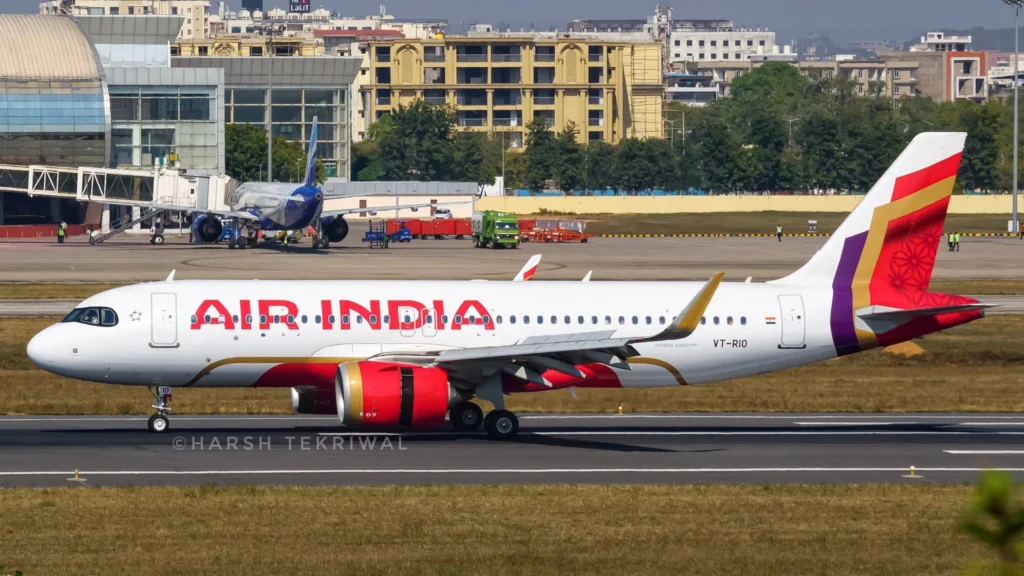
Tata Pushes Long-Term Restructuring
Tata Group has positioned Air India’s transformation as a long-term project involving its fleet, technology, operations and corporate culture.
Tata Sons Chairman N. Chandrasekaran has previously said the turnaround could take up to a decade. He has pointed to supply-chain problems and the need to modernize Air India’s legacy systems and operating structure.
The airline has also sought to defer deliveries of hundreds of aircraft ordered from Airbus and Boeing as Tata Group works to reduce costs and limit losses.
The fleet programme forms a central part of Air India’s transformation, but delays in aircraft deliveries and wider supply-chain constraints continue to affect the carrier’s ability to execute its plans.
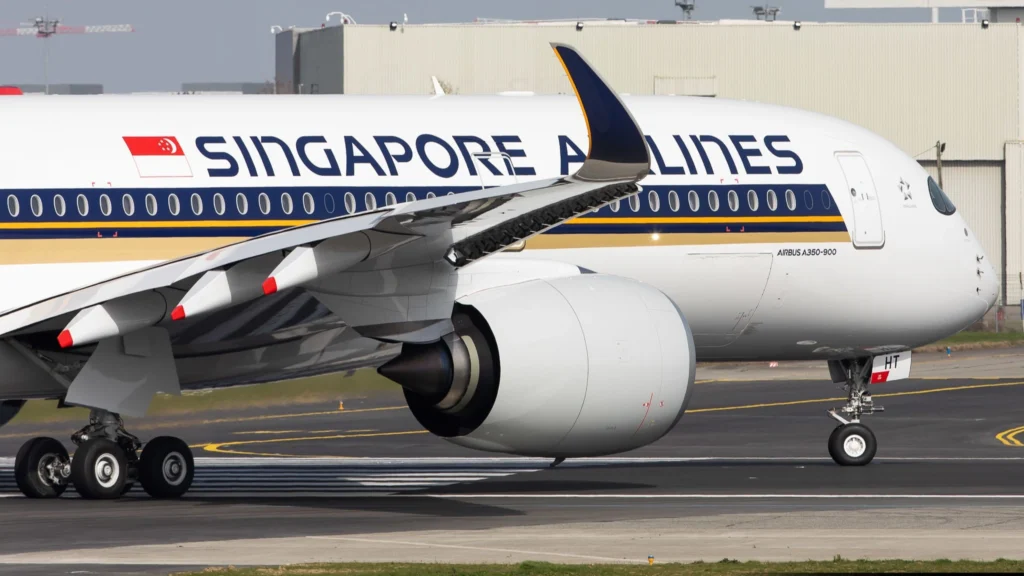
Singapore Airlines Maintains Air India Commitment
Singapore Airlines remains an important financial partner in the Air India transformation following the merger of its former Indian joint venture, Vistara, with Air India.
Despite the losses, Singapore Airlines has said it remains committed to its investment in the Air India group and continues to work with Tata Sons on the carrier’s transformation.
However, an audit by KPMG identified Air India’s difficult operating environment and increased geopolitical uncertainty as indicators of potential impairment for Singapore Airlines’ investment.
The proposed $1.5 billion equity injection would therefore provide additional capital as Air India works through its restructuring and attempts to improve its financial performance.
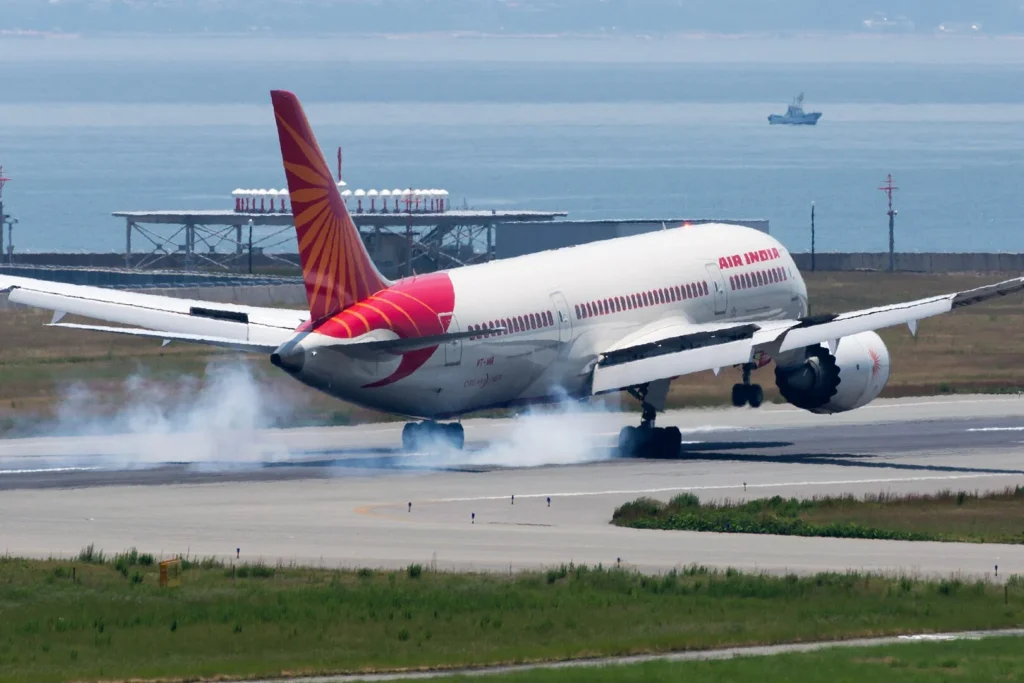
More Capital May Be Needed
Sources cited by Reuters said Air India is expected to require additional capital infusions in the coming years.
The need for fresh funding highlights the scale of the challenge facing Tata Group as it attempts to rebuild Air India into a financially stronger global carrier.
The airline continues to operate in an environment shaped by supply-chain constraints, aircraft delivery issues, geopolitical disruptions, airspace restrictions, and high fuel costs.
For Tata Sons and Singapore Airlines, the proposed equity infusion would provide Air India with additional financial support while the carrier continues its long-term transformation.
Stay tuned with us. Further, follow us on social media for the latest updates.
Join us on Telegram Group for the Latest Aviation Updates. Subsequently, follow us on Google News
