

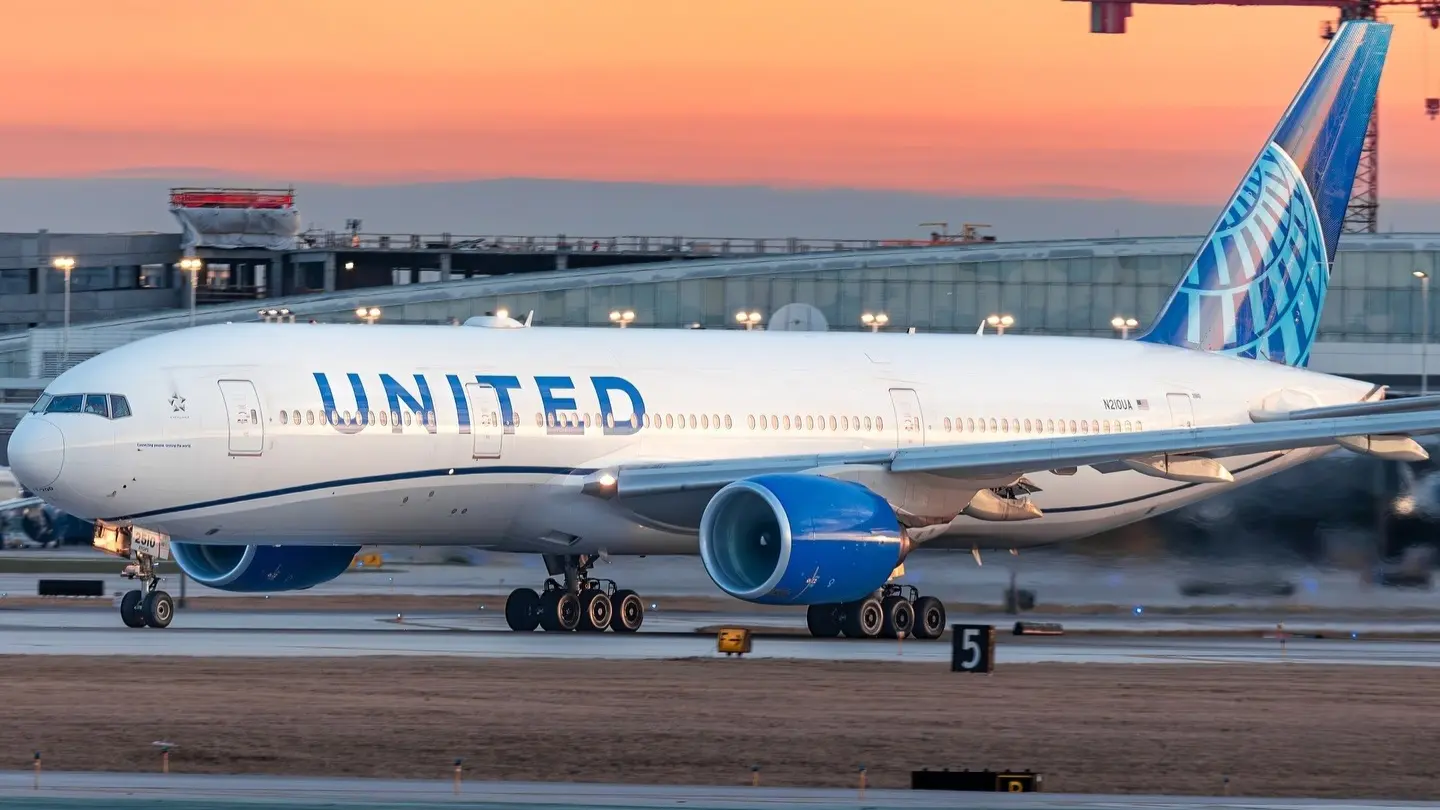
CHICAGO- A passenger traveling on United Airlines (UA) has alleged that he discovered what appeared to be dried feces inside sealed Polaris business class bedding during a flight from San Francisco International Airport (SFO) to Tokyo Narita International Airport (NRT).
The incident reportedly occurred on United Airlines (UA) Flight 837, leaving the passenger unable to change seats on the full flight. The complaint has renewed attention on airline bedding inspection procedures and onboard hygiene standards.
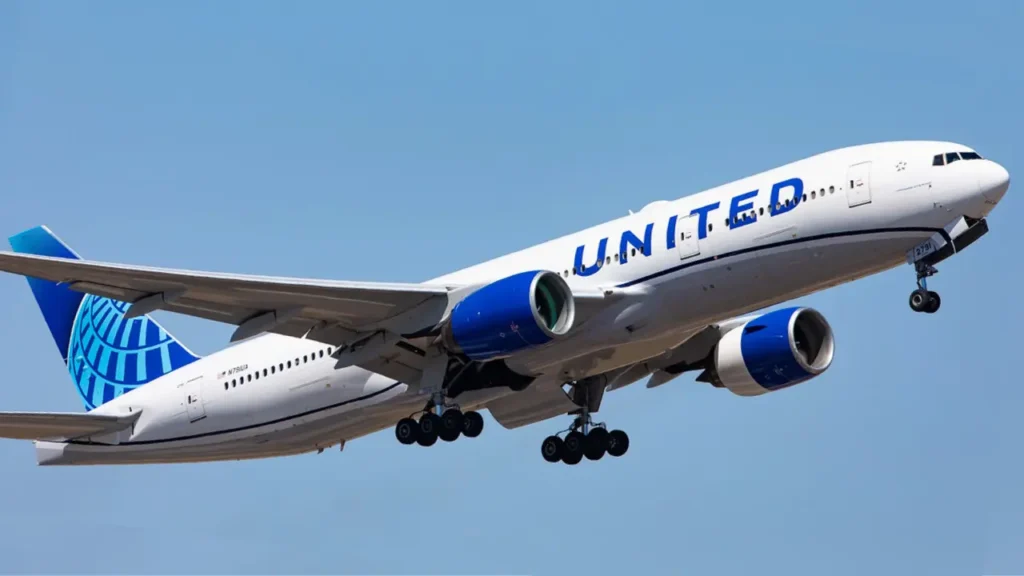
United Polaris Passenger’s Complaint
According to the passenger, the incident took place on June 25 aboard United Flight 837, which is typically operated by a Boeing 777-300ER equipped with 60 Polaris business class seats.
The passenger said the bedding appeared freshly packed and neatly folded inside its protective packaging. However, after opening the package, he allegedly placed his hand directly into dried brown material that he believes was feces.
He claimed small dried particles fell onto his trousers while opening the bedding, with at least one piece landing on the cabin floor. The passenger immediately notified a flight attendant, who reportedly reacted with surprise and used disposable gloves before handling the bedding.
Later during the flight, the passenger noticed additional brown stains on the pillow included with the bedding. He subsequently questioned whether the entire sleeping area may have been contaminated.
Because the aircraft was reportedly full, he remained in the same seat for approximately nine hours. He said the experience left him unable to rest comfortably while also creating concerns about potential exposure to biological contaminants.
Following the flight, the passenger submitted a formal complaint to United Airlines. He stated that the airline offered a resolution, but said the proposed compensation did not adequately address the seriousness of the incident. The specific details of the offer have not been disclosed publicly, View from the Wing reported.

Questions Remain About the Contaminated Material
Although the passenger believes the substance was dried feces, there has been no independent confirmation of what the material actually was.
Photographs shared by the passenger reportedly show extensive dried brown debris and smears across the white bedding, along with two smaller brown stains on the pillow. While the appearance has generated concern, the material could potentially have been another contaminant such as dried food residue or vomit.
Regardless of its exact composition, visible contamination on bedding that has supposedly been cleaned, inspected, and repackaged raises important questions about quality assurance procedures.
The flight attendant’s decision to wear protective gloves reflects standard practice whenever a potentially hazardous biological substance is encountered, even before its nature has been confirmed.
Polaris Bedding Is Reused Between Flights
Many passengers assume that sealed airline bedding is brand new. In reality, premium cabin blankets, pillows, and mattress pads are typically designed for repeated use.
United Airlines has previously explained that Polaris bedding is professionally laundered before being returned to service for multiple flight cycles. Since the airline introduced refreshed Polaris bedding in 2023, reusable zippered bedding bags made from recycled plastic have replaced the older disposable plastic packaging.
The reported incident raises several possible explanations.
The bedding may have entered the clean inventory without being properly washed. Another possibility is that laundering failed to remove the contamination and the item was mistakenly approved during inspection. Contamination could also have occurred after washing but before the bedding was repackaged.
Whatever the cause, airline quality control procedures are intended to identify visibly contaminated items before they are placed back onboard aircraft.
Similar Incident Previously Involved Delta Air Lines
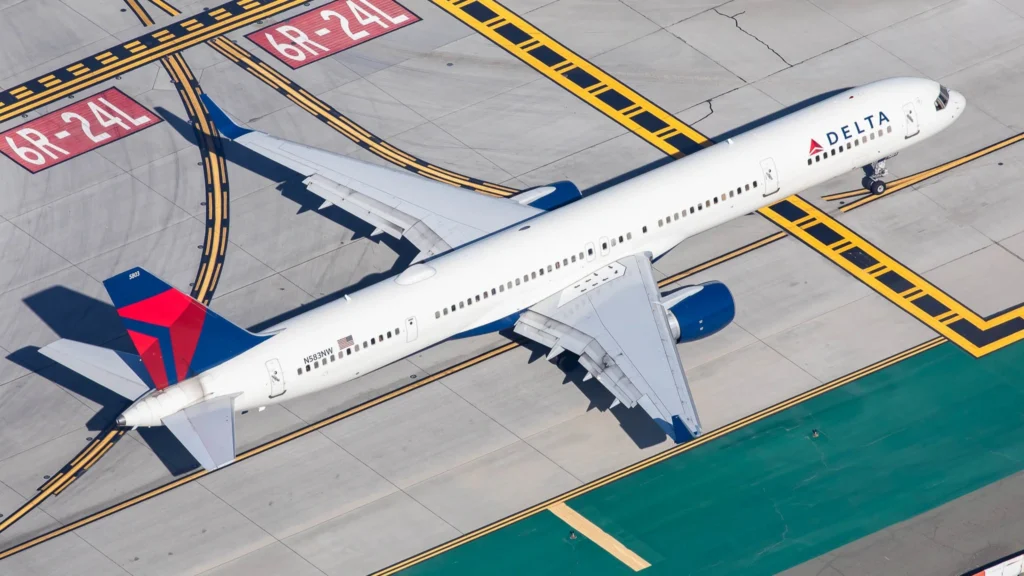
The allegations have drawn comparisons to a widely reported incident involving Delta Air Lines (DL) in 2017.
Comedian Nicole Byer said she opened a sealed first class blanket during a flight from Louisiana to Hartsfield-Jackson Atlanta International Airport (ATL) and discovered what she believed was feces inside the packaging.
According to her account, brown debris fell into her lap before she noticed a larger object and an accompanying odor. She later said a flight attendant photographed the blanket before it was removed.
Delta initially offered travel credit before later providing a ticket refund, 50,000 SkyMiles and additional travel credit. Byer has also stated that the airline requested a nondisclosure agreement, which she declined before publicly discussing the experience.
The case remains one of the most widely cited examples of contamination involving airline bedding.
Importance of Bedding Inspection
Airlines rely on industrial laundry providers and inspection processes to ensure reusable bedding meets cleanliness standards before returning to aircraft.
While incidents involving contaminated bedding remain rare, they demonstrate that passengers may benefit from briefly inspecting blankets, pillows, and mattress pads before use, even when the items arrive in sealed packaging.
For airlines, maintaining rigorous inspection procedures is essential not only for passenger comfort but also for preserving confidence in premium cabin products that are marketed as high-quality travel experiences.
Stay tuned with us. Further, follow us on social media for the latest updates.
Join us on Telegram Group for the Latest Aviation Updates. Subsequently, follow us on Google News
