

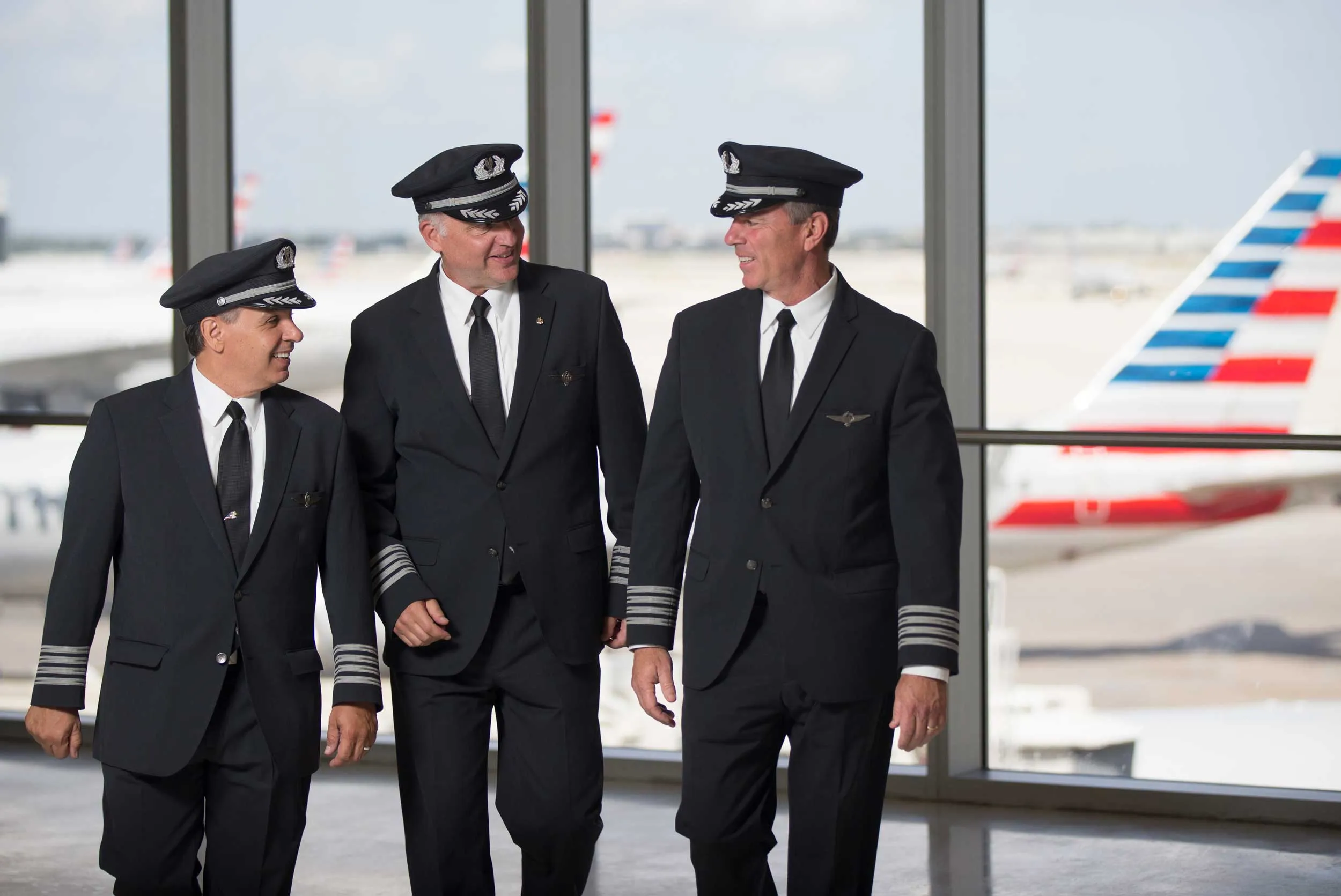
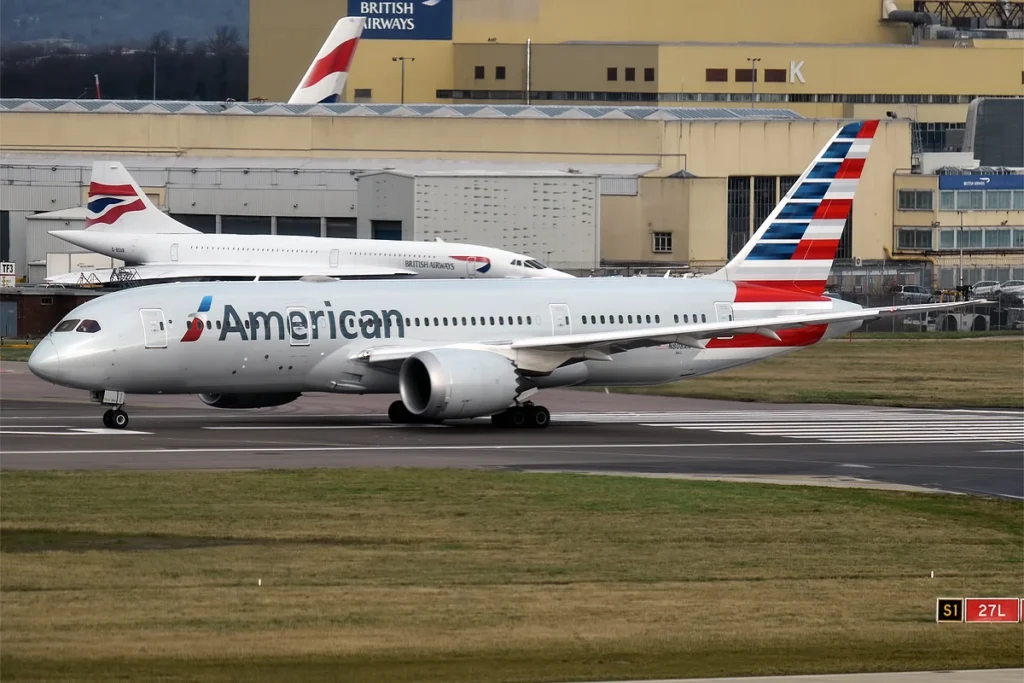
WASHINGTON, D.C.- An American Airlines (AA) passenger has criticized the carrier after her family was downgraded from business class on a transatlantic flight from Miami International Airport (MIA) to Milan Malpensa Airport (MXP) because the airline needed the seats for repositioning pilots.
The passenger claimed her family was selected because they booked the tickets using American Airlines AAdvantage miles, raising questions about how the airline prioritizes customers during operational downgrades and whether loyalty program members receive fair treatment.
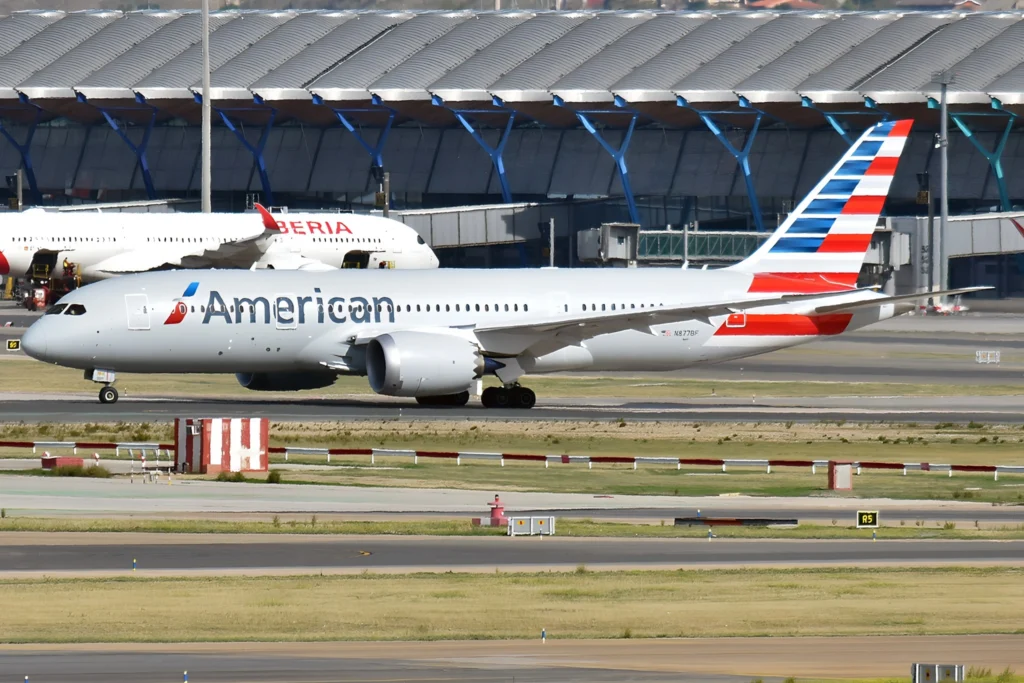
Why the Family Was Downgraded
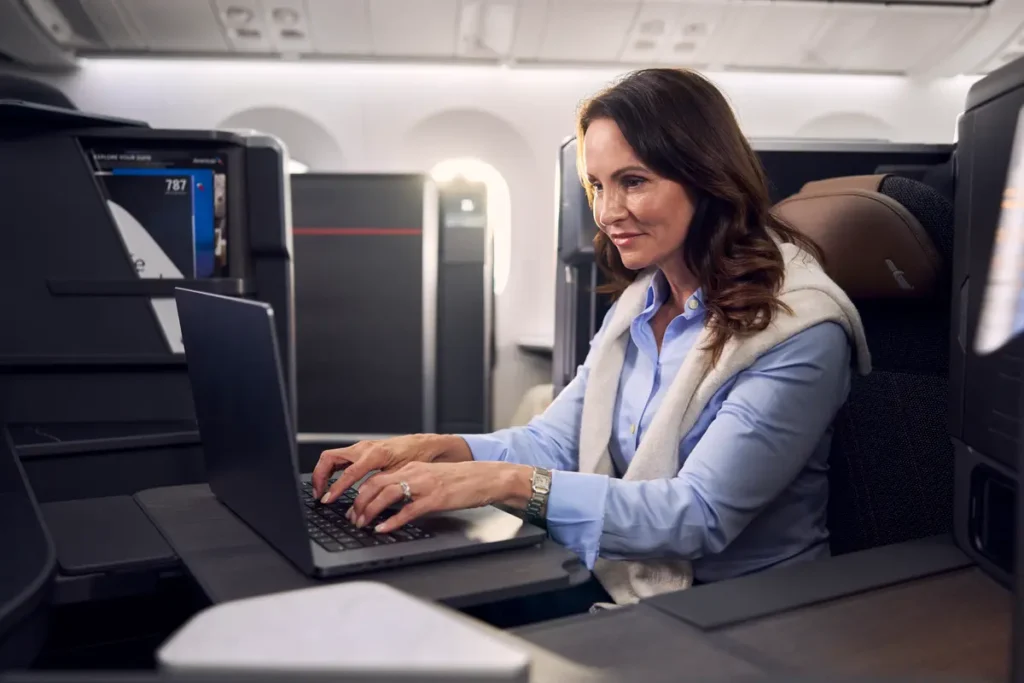
The passenger shared her experience on social media, stating that American Airlines informed the family their business class seats were required to transport pilots who needed to operate another flight.
According to the airline’s pilot labor agreement, pilots assigned to deadhead, which means traveling as passengers to position for a future assignment, must be accommodated in the highest available cabin on certain long-haul routes. These include transatlantic, transpacific, mainland United States to Hawaii or Alaska, and flights to or from South America.
The agreement specifically states that pilots assigned to deadhead cannot be required to travel in an economy cabin.
As a result, when premium cabin capacity becomes limited, American Airlines may reassign seats from paying or award passengers to fulfill its contractual obligations.
The passenger said her family had accumulated AAdvantage miles over time and felt disappointed that award travelers appeared to receive lower priority despite their loyalty to the airline, View from the Wing reported.
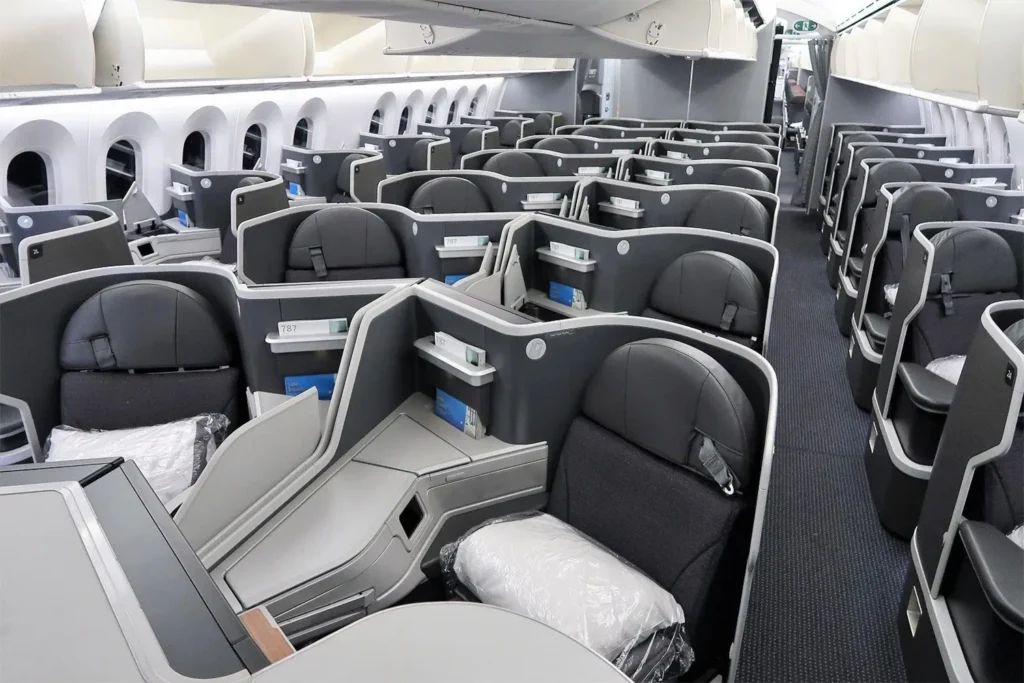
How American Airlines Prioritizes Downgrades
American Airlines has never publicly released its official downgrade policy. The airline has also declined to disclose the internal procedures even in response to complaints submitted to the U.S. Department of Transportation (DOT).
Industry reports indicate that downgrades generally follow a priority order that includes:
- Non-revenue passengers, except employees traveling on mandatory business
- Complimentary upgrades
- Systemwide upgrade certificates
- Mileage and cash upgrades
- Award ticket passengers
- Paid business class passengers, ranked by fare class
Within each category, elite status in the AAdvantage loyalty program is believed to influence the final decision. Additional factors such as booking date or check-in time may also be considered when passengers have similar priority.
This means travelers using miles for premium cabin awards may be more vulnerable to operational downgrades than passengers who purchased business class tickets with cash.

Situations That Can Trigger Operational Downgrades
Operational downgrades are relatively uncommon but can occur when airlines need to adjust seating for reasons beyond passenger demand.
Some of the most common situations include:
- Aircraft substitutions with fewer premium seats
- Business class seats becoming unusable because of maintenance issues
- Contractual requirements to accommodate repositioning flight crews
In this case, American Airlines needed to transport pilots to Milan so they could operate another scheduled service. Meeting that operational requirement resulted in the removal of passengers from business class.
Compensation and Refund Questions
The passenger stated that American Airlines offered a $600 travel voucher after the downgrade.
While travel vouchers are commonly issued as goodwill gestures, they are separate from any refund obligations that may exist under U.S. consumer protection rules.
The U.S. Department of Transportation has stated that when passengers are downgraded to a lower class of service, airlines are generally expected to refund the difference between the fare originally paid and the value of the lower cabin provided.
Determining that refund becomes more complicated for award tickets because American Airlines uses dynamic pricing instead of a fixed mileage chart. The appropriate refund would typically reflect the difference between the miles originally redeemed and the number of miles that would have been required for the lower cabin at the time of booking.
Because mileage prices constantly change, calculating that amount can be challenging.
How European Rules Would Have Changed the Outcome
If the downgrade had occurred on a flight departing from Europe to the United States, the passenger may have benefited from stronger protections under EU261 passenger rights regulations.
For long-haul flights, EU261 generally provides compensation equal to 75 percent of the ticket price in the event of an involuntary downgrade. For award tickets, this would typically apply to the value of the miles redeemed and any eligible carrier-imposed surcharges.
Since this journey originated in the United States, those European protections did not apply.
Loyalty Program Concerns
The incident has renewed discussion about how airlines value customers who redeem loyalty rewards.
Award tickets represent the redemption of miles earned through flying, co-branded credit card spending, and other loyalty activities. Many travelers view these tickets as a benefit earned through years of engagement with an airline.
Critics argue that passengers using miles should not automatically receive lower priority than those purchasing tickets with cash, particularly because airline loyalty programs generate billions of dollars through partnerships with financial institutions.
Supporters of the current system note that airlines must balance customer expectations with operational requirements, including contractual obligations that ensure pilots arrive at their assigned destinations to operate future flights safely and on schedule.
Bottom Line
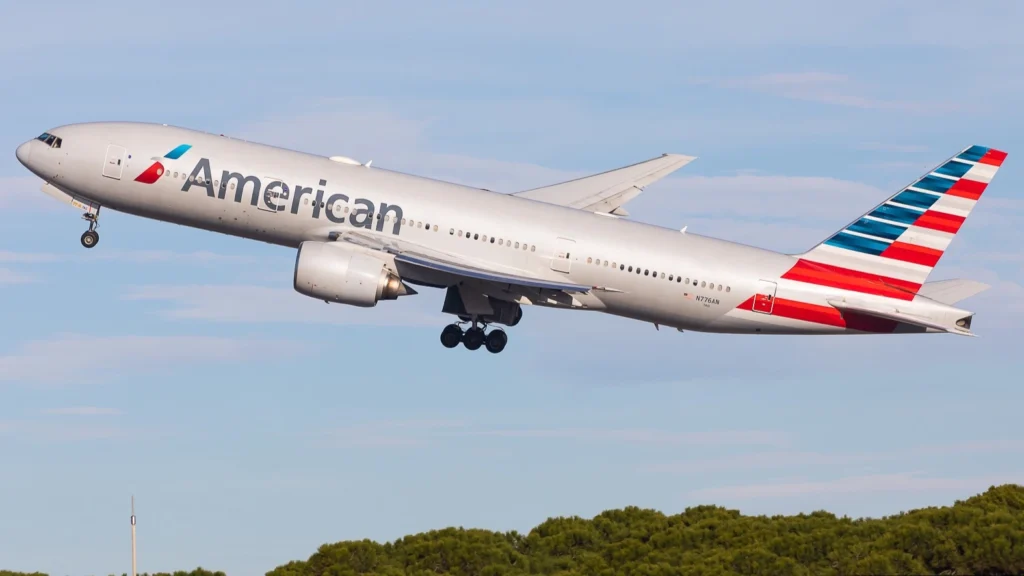
The American Airlines downgrade highlights the complex balance between airline operations and customer loyalty. Contractual requirements allowed the carrier to prioritize transporting pilots in business class, but the decision left an AAdvantage award traveler questioning the value of years spent earning miles.
Although the airline reportedly offered a $600 travel voucher, the case also raises broader questions about refund obligations, transparency in downgrade policies, and whether loyalty program members should receive greater protection when operational disruptions occur.
Stay tuned with us. Further, follow us on social media for the latest updates.
Join us on Telegram Group for the Latest Aviation Updates. Subsequently, follow us on Google News
