

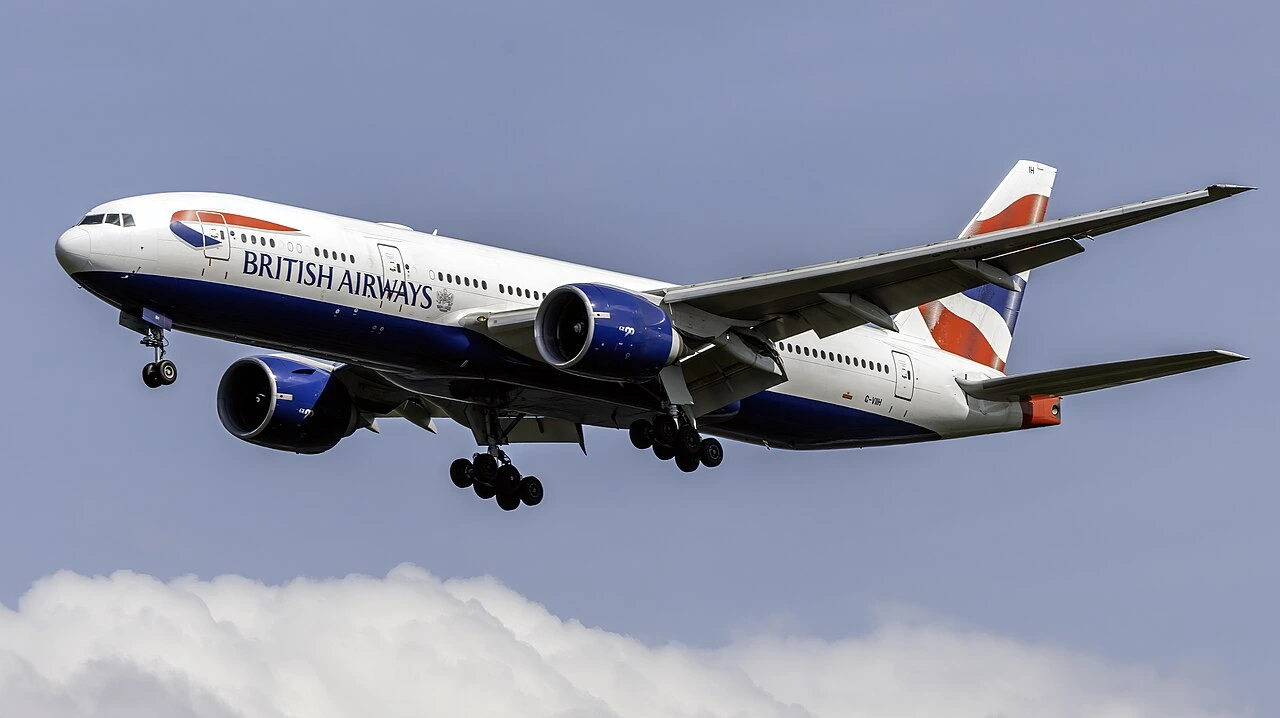
COLOMBO– A British Airways (BA) Boeing 777-200ER was forced out of service in Sri Lanka after an emergency evacuation slide unexpectedly deployed during pre-departure preparations, disrupting travel plans and grounding a scheduled flight to the United Kingdom. The incident occurred at Bandaranaike International Airport in Colombo as the aircraft was being prepared for Flight BA2044 to London Gatwick.
While no injuries were reported, the unexpected deployment brought ground operations around the aircraft to an immediate halt and prevented the flight from departing as scheduled. The event highlights how even minor operational errors can result in significant disruptions in commercial aviation, given the strict safety requirements surrounding aircraft evacuation systems.

Unexpected Slide Deployment Halts Flight Preparations
The incident involved a British Airways Boeing 777-200ER registered as G-YMMC, which was scheduled to operate Flight BA2044 from Colombo to London Gatwick. During routine pre-departure procedures, one of the aircraft’s inflatable emergency evacuation slides unexpectedly deployed onto the airport apron.
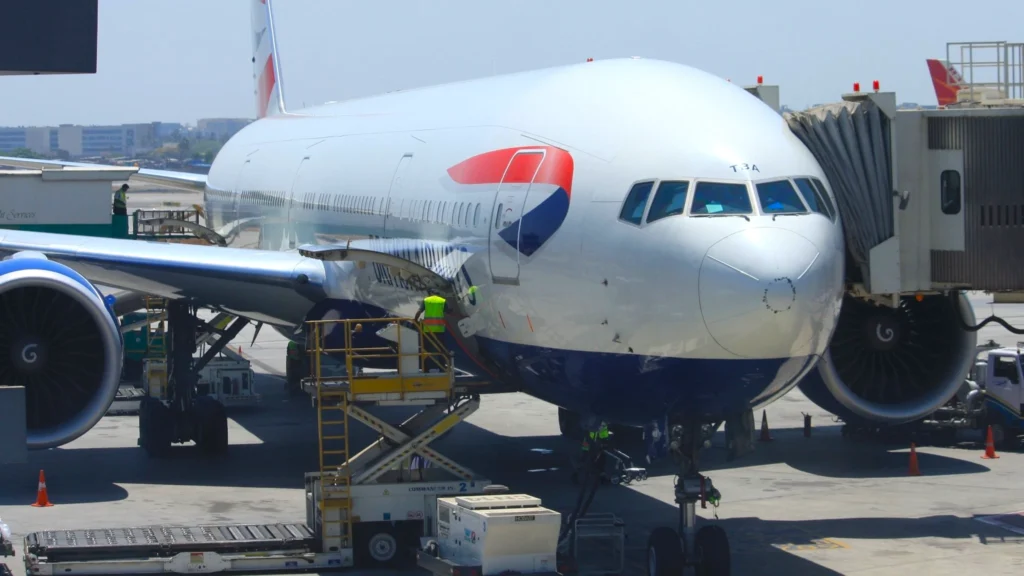
The deployment occurred while the aircraft was still on the ground preparing for departure. Airport personnel quickly secured the area, and the aircraft was immediately withdrawn from service. Although the exact cause has not been officially confirmed, local media reports citing airport sources indicated that the slide may have been inadvertently activated while a service door was being operated.
The unexpected activation effectively rendered the aircraft unavailable for service, forcing British Airways to cancel the planned rotation until repairs and inspections could be completed.
Aviation Safety Rules Require Extensive Repairs
Inadvertent evacuation slide deployments are a well-known operational risk within the aviation industry. Aircraft doors are often kept in an “armed” configuration during certain stages of ground handling to ensure passengers can be evacuated quickly if an emergency arises before departure.
Once an evacuation slide deploys, however, it cannot simply be repacked and reused. International aviation safety regulations require maintenance teams to remove the deployed equipment, conduct detailed inspections of the door and surrounding structures, and install a certified replacement slide before the aircraft can return to service.
These procedures are designed to ensure the integrity of emergency evacuation systems, which play a critical role in passenger safety during emergency situations. As a result, even accidental slide deployments can lead to lengthy delays and substantial operational costs for airlines.
Passenger Delays as British Airways Arranges Alternatives
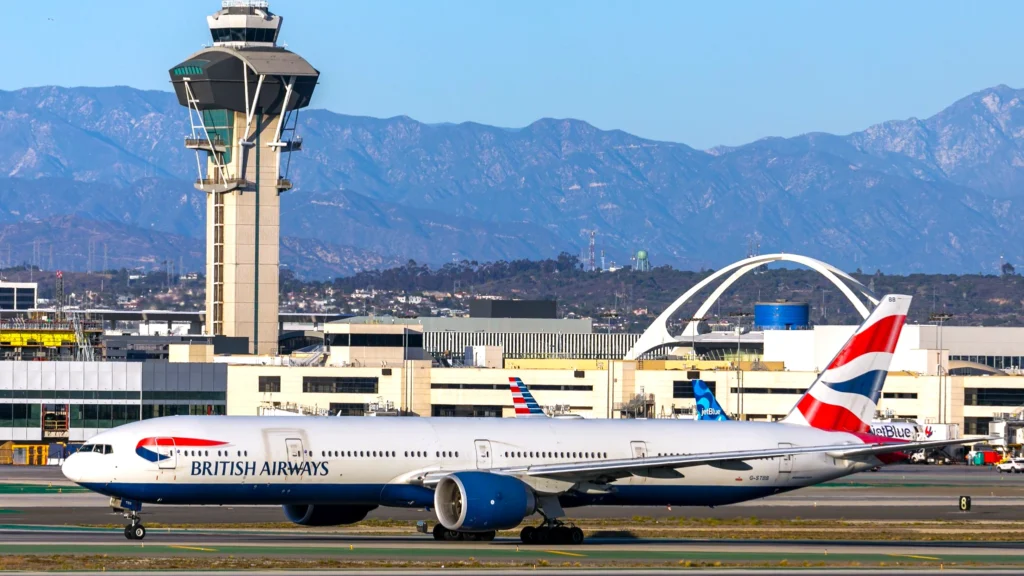
The grounding of the aircraft disrupted travel plans for passengers booked on the Colombo-to-London Gatwick service.
With the Boeing 777 unable to operate its scheduled flight, British Airways was required to arrange alternative travel options while maintenance personnel worked to restore the aircraft to airworthy condition, Air Live reported.
Airlines typically face additional expenses following such incidents, including maintenance costs, passenger accommodation, rebooking arrangements, and operational disruptions across their wider network.
Although accidental slide deployments are relatively uncommon, they can have significant logistical consequences due to the specialized maintenance required afterward.
British Airways has not yet provided a detailed explanation regarding the cause of the deployment. Aviation authorities and airline officials are expected to review the circumstances surrounding the incident as efforts continue to return the aircraft to normal operations.
Stay tuned with us. Further, follow us on social media for the latest updates.
Join us on Telegram Group for the Latest Aviation Updates. Subsequently, follow us on Google News
