

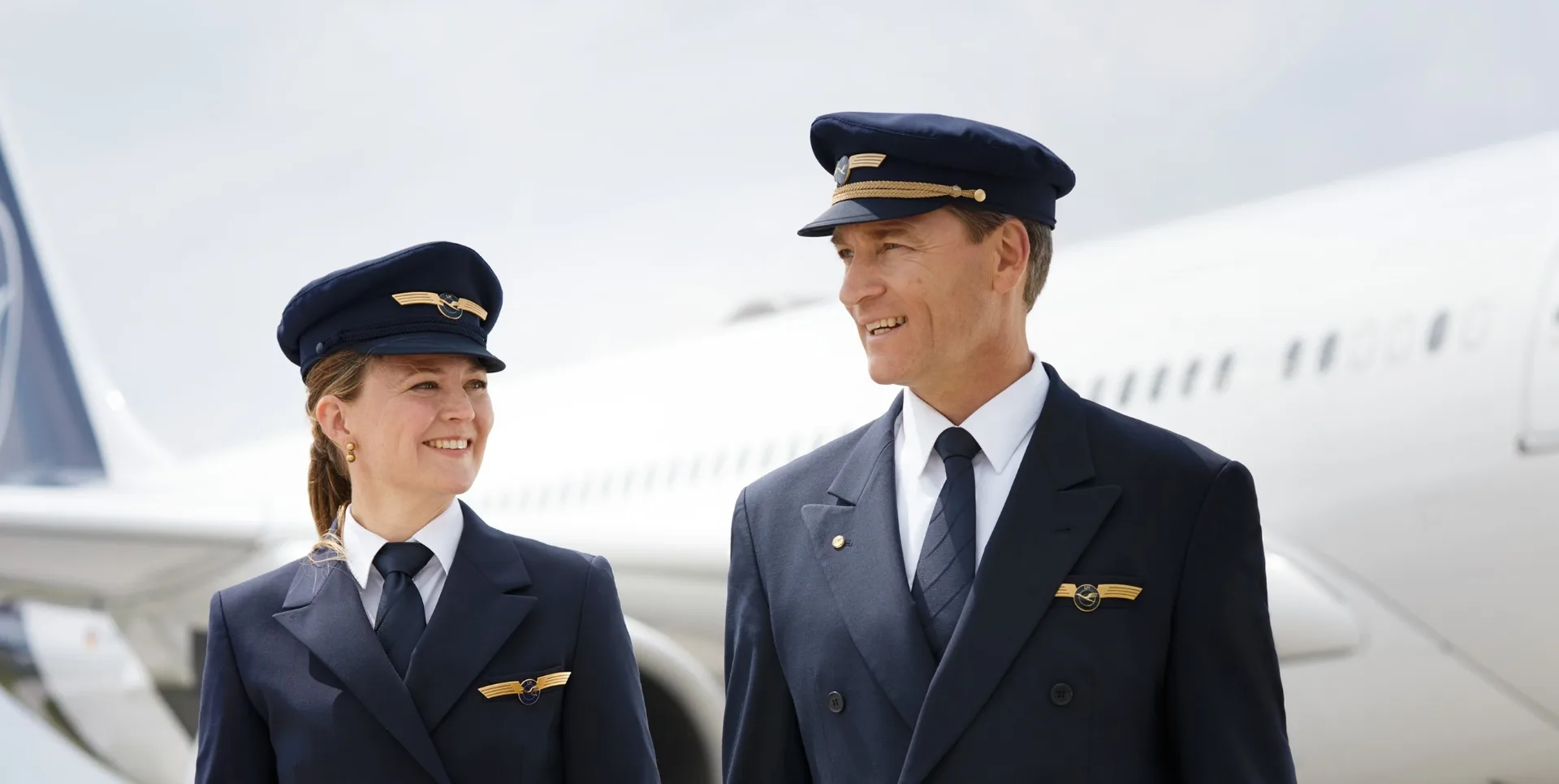
BERLIN– Deutsche Lufthansa is set to eliminate 1,000 jobs at its flagship Lufthansa Airlines (LH) unit as part of a broader effort to restore profitability amid mounting operational and economic challenges. The move underscores the growing pressure on Europe’s largest aviation group, which continues to grapple with elevated fuel prices, labour disruptions, and intensifying competition.
The latest workforce reduction follows a series of restructuring initiatives aimed at improving efficiency within the airline’s core operations. Alongside the job cuts, Lufthansa plans to streamline its route network and adjust its fleet composition, signalling a deeper transformation strategy as the carrier seeks to strengthen its financial performance and secure long-term sustainability.
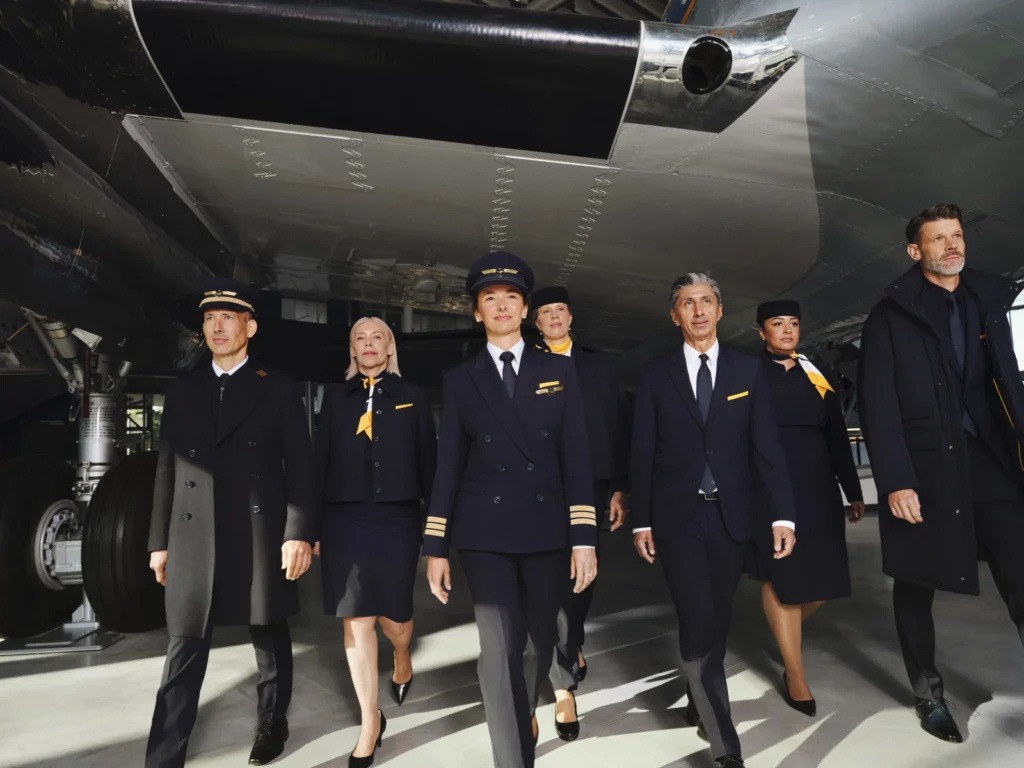
Lufthansa Targets Workforce and Fleet Reductions
According to an internal management letter, Lufthansa will reduce around 1,000 full-time positions at its major hubs in Frankfurt and Munich.
The company is also planning changes to its short- and medium-haul operations by lowering capacity and gradually reducing the number of Airbus A320 aircraft in service.
As part of the fleet optimisation programme, the airline intends to replace some of its A320 jets with the smaller Airbus A220, which offers improved fuel efficiency and lower operating costs. The measures are designed to help Lufthansa better align capacity with market demand while managing expenses more effectively.
The announcement marks the second significant workforce reduction at the airline in just over a year. In 2025, Lufthansa Group revealed plans to eliminate 4,000 administrative positions by 2030 as part of a wider cost-cutting initiative.
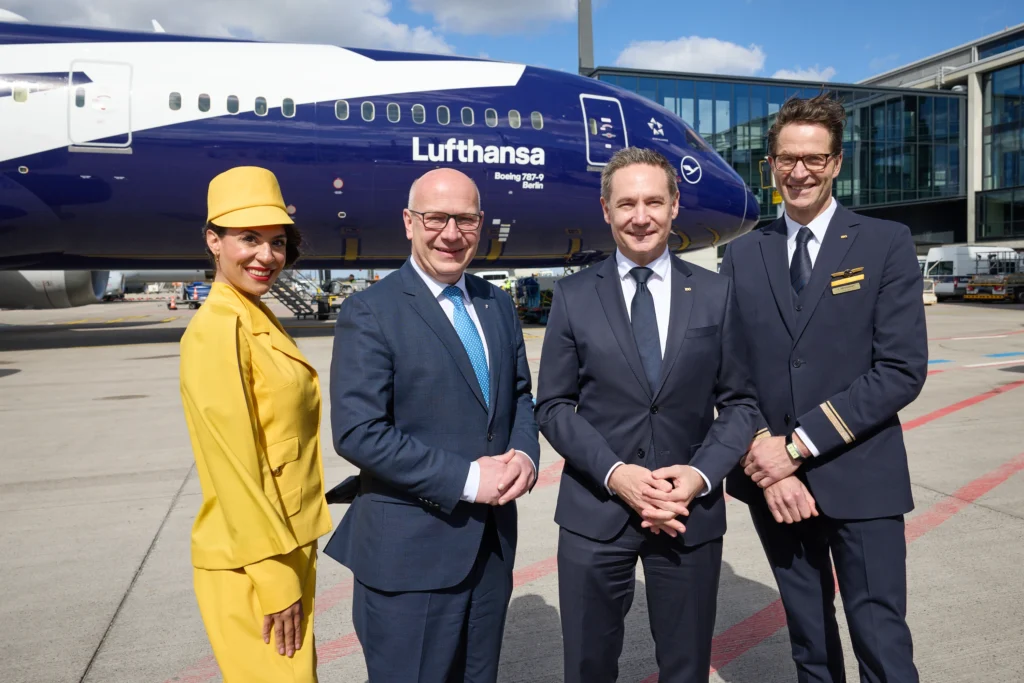
Rising Costs Continue to Weigh on Performance
Lufthansa’s restructuring efforts come as the airline faces persistent financial pressures. High jet-fuel costs have remained a key challenge for carriers across the industry, while geopolitical instability and labour disputes have further complicated operating conditions.
The airline’s mainline business reported an operating loss of €180 million during the first nine months of the year, highlighting the difficulties it continues to face despite earlier turnaround measures.
In a message to employees, management acknowledged that previous initiatives had failed to deliver the required improvement and warned that current market conditions had intensified the need for additional action.
Executives pointed to several factors that have negatively affected performance, including conflict in the Middle East, elevated fuel prices, multiple days of strike action, and the airline’s relatively high cost structure.

Leadership Signals Need for Stronger Reforms
Pressure to improve results has also been echoed at the leadership level. Earlier this year, Lufthansa supervisory board chairman Johannes Teyssen indicated that substantially greater efforts may be necessary to restore competitiveness and reverse the airline’s declining performance relative to rivals.
The newly announced measures come as Lufthansa continues discussions with labour unions over planned changes. While negotiations remain ongoing, no agreement has yet been reached, Straits Times flagged.
Industry observers view the latest cuts as a sign that Lufthansa is accelerating its transformation programme to address structural challenges within its core airline business.
Whether the new measures will be enough to return the flagship carrier to sustained profitability remains a key question as the company navigates a difficult operating environment and an increasingly competitive European aviation market.
Stay tuned with us. Further, follow us on social media for the latest updates.
Join us on Telegram Group for the Latest Aviation Updates. Subsequently, follow us on Google News
