

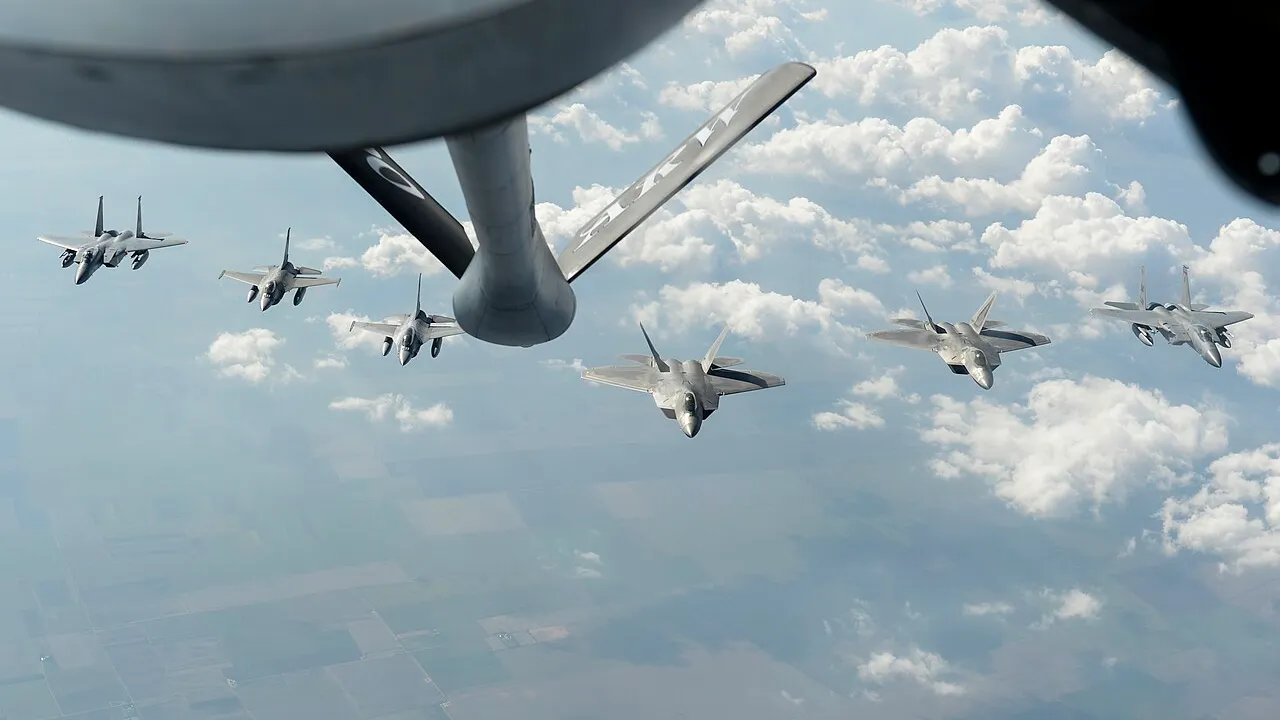
The global race for sixth-generation fighter aircraft is moving beyond the traditional pursuit of speed, manoeuvrability and stealth.
The United States, China, the United Kingdom, Japan, Italy, France and India are exploring technologies that could turn future fighters into airborne command nodes, linking crewed aircraft with drones, satellites, sensors and other weapons across a connected battlespace.
The shift comes as fifth-generation fighters such as the F-22 Raptor, F-35 Lightning II and J-20 mature, while advanced air-defence networks make contested airspace increasingly difficult to penetrate.
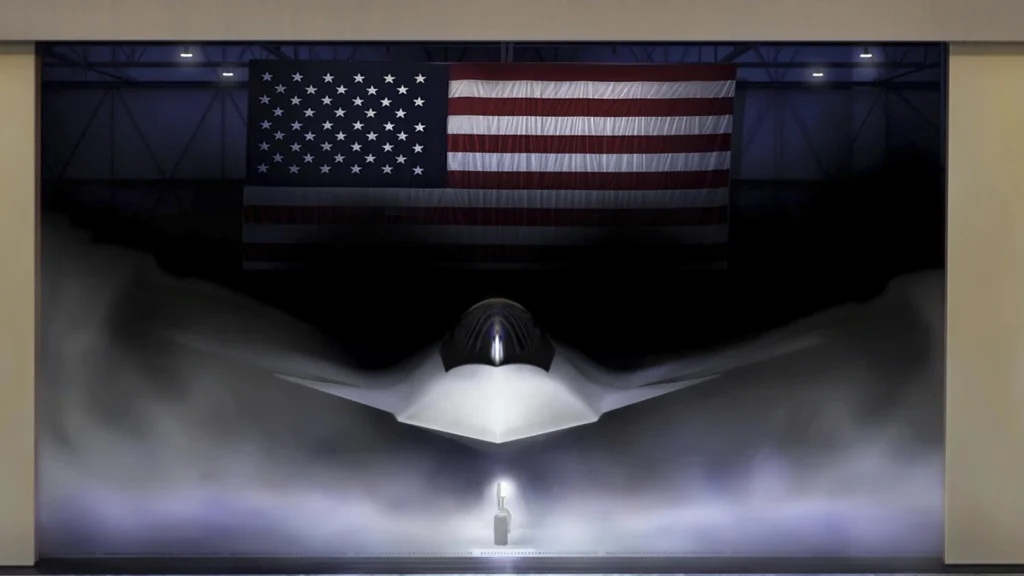
The United States is developing the Boeing F-47 under its Next Generation Air Dominance (NGAD) programme, while China is testing aircraft identified as the J-36 and J-50. Europe is pursuing GCAP and FCAS, while India is seeking a role in the French-led FCAS effort.
Sixth-Generation Fighter Technology
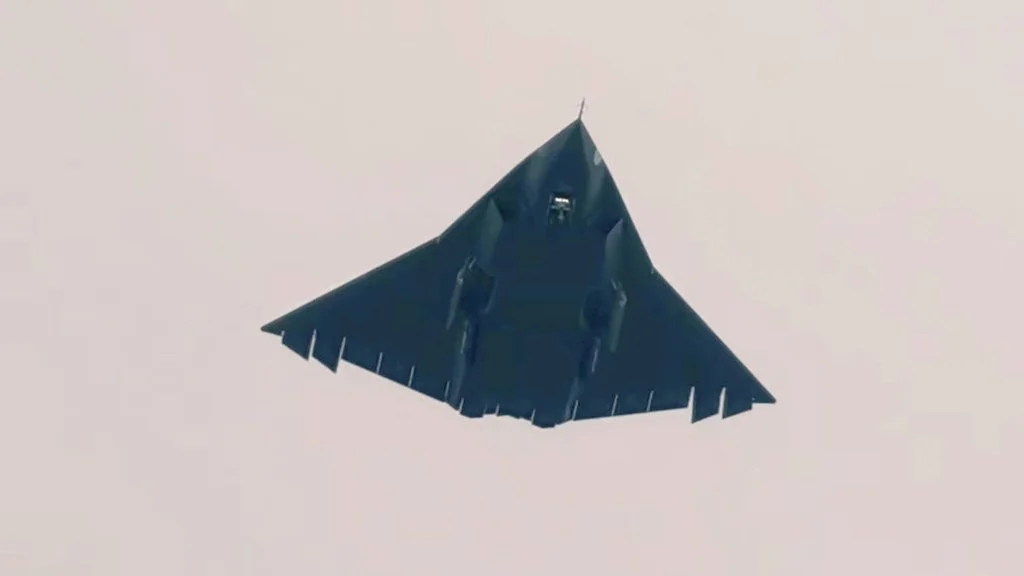
Sixth-generation fighters are being designed around a different concept of air combat.
Instead of relying primarily on the capabilities of one aircraft, these systems are expected to combine artificial intelligence, advanced sensors, electronic warfare and unmanned aircraft into a wider combat network.
AI could act as a digital co-pilot, processing information from multiple sensors, identifying threats and helping pilots manage weapons, navigation and electronic warfare.
This would allow the human crew to concentrate on mission decisions while the aircraft handles enormous quantities of battlefield data.
Manned-unmanned teaming is another defining feature. A future fighter could control several Collaborative Combat Aircraft, allowing drones to conduct reconnaissance, electronic warfare, decoy or strike missions while keeping the crewed aircraft farther from the most dangerous areas.
Survivability is also evolving beyond conventional radar stealth. Future designs are expected to reduce infrared and electromagnetic signatures while incorporating advanced electronic warfare systems that can detect, deceive or disrupt enemy sensors.
US China Fighter Race
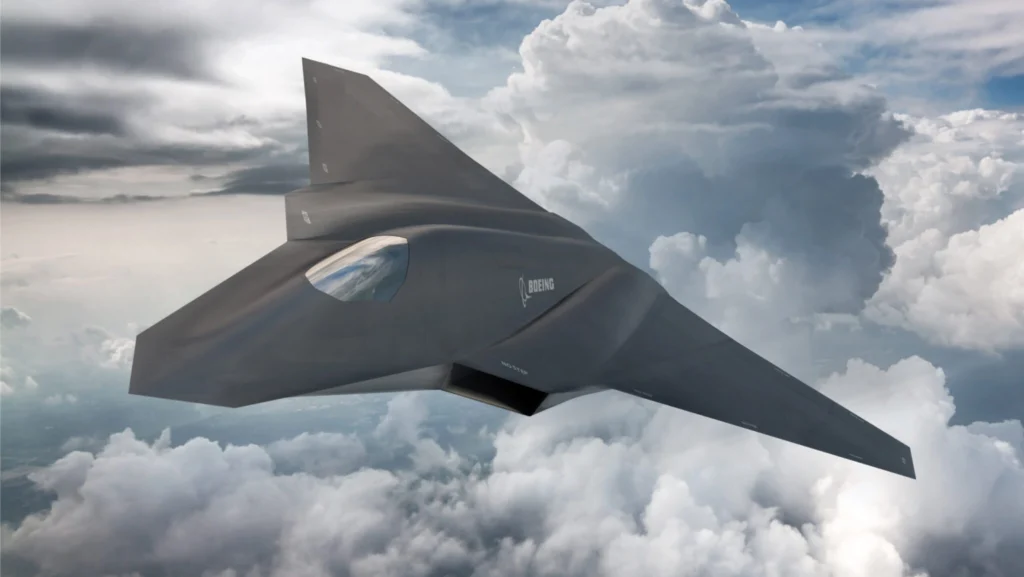
The United States remains one of the leading countries in sixth-generation development.
Boeing received the US Air Force contract for the F-47 in 2025 under NGAD, with the programme intended to provide a new air-superiority capability and operate alongside unmanned systems.
The US Navy is separately developing the F/A-XX to replace its ageing F/A-18E/F Super Hornets and EA-18G Growlers.
China is pursuing its own advanced combat-aircraft programmes, with the J-36 and J-50 prototypes attracting international attention.
Their apparent tailless configurations and large airframes indicate a strong emphasis on stealth, range and internal weapons carriage, although the precise capabilities of the aircraft remain undisclosed.
The competition reflects a broader change in military aviation.
Long-range missiles, integrated air-defence systems, electronic warfare and space-based surveillance could make future air combat increasingly dependent on who can detect, communicate and strike first rather than who can manoeuvre better in a close-range engagement.
Europe India Join Race
Europe has adopted multinational programmes to preserve its industrial and technological base.
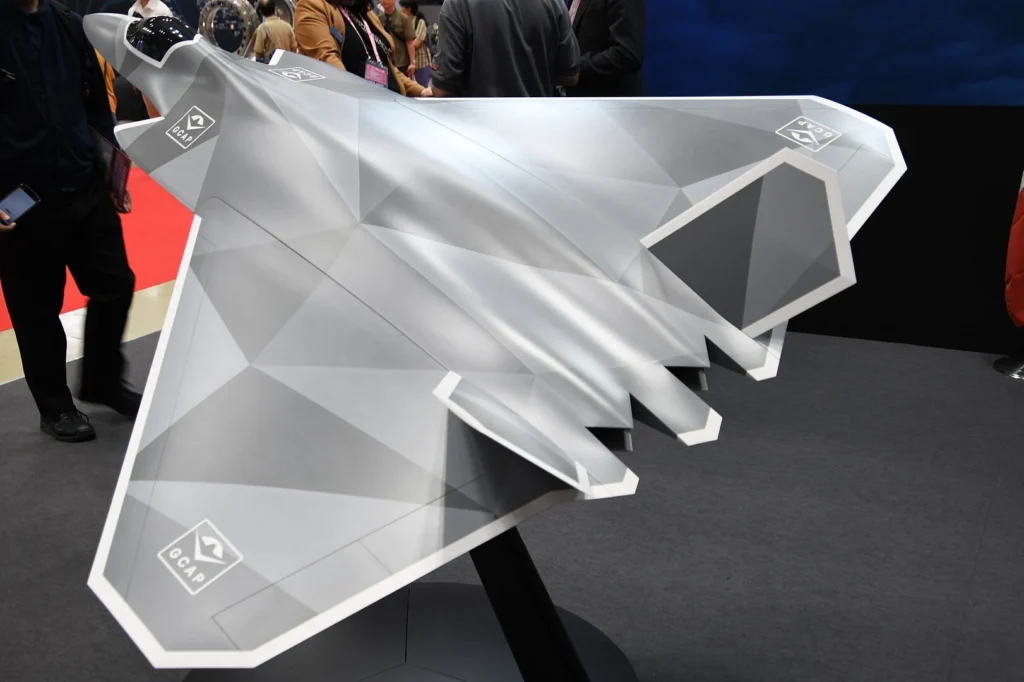
GCAP, involving the UK, Italy and Japan, is targeting a sixth-generation combat aircraft for service from 2035, with the programme designed around advanced sensors, weapons, uncrewed systems and networked capabilities.
In July 2026, the three partners signed a £4.6 billion contract for the next phase of aircraft design and development.
FCAS is taking a different path under French leadership after Germany’s withdrawal. The programme combines the New Generation Fighter with remote carriers and a combat cloud, making it another example of the shift toward a system-of-systems approach.
India has also begun efforts to enter this technological race. The Defence Ministry has confirmed that it initiated efforts to co-join FCAS, while France has emerged as India’s primary route into the European sixth-generation ecosystem, TOI flagged.
For India, participation could provide access to technologies that will influence combat aviation for decades.
The country’s challenge is not simply to acquire a future fighter, but to develop an architecture capable of integrating manned aircraft, autonomous drones, sensors, weapons and secure communications.
Bottom Line
The sixth-generation fighter is therefore becoming less about building the world’s fastest aircraft and more about controlling the battlespace.
As air forces move toward AI-assisted operations and combat clouds, the decisive advantage could belong to the country that connects the most capable platforms into the most effective network.
Stay tuned with us. Further, follow us on social media for the latest updates.
Join us on Telegram Group for the Latest Aviation Updates. Subsequently, follow us on Google News
