

ARLINGTON- Boeing is advancing the F-47 sixth-generation fighter program as the US Air Force moves closer to establishing a dedicated production line.
The Air Force continues to target a 2028 first flight for the F-47, while Boeing expands its St. Louis manufacturing facilities and works toward finalizing the aircraft’s design. Brig. Gen. Timothy Helfrich said an F-47 production line is “not too far away.”
F-47 Moves Closer to Dedicated Production
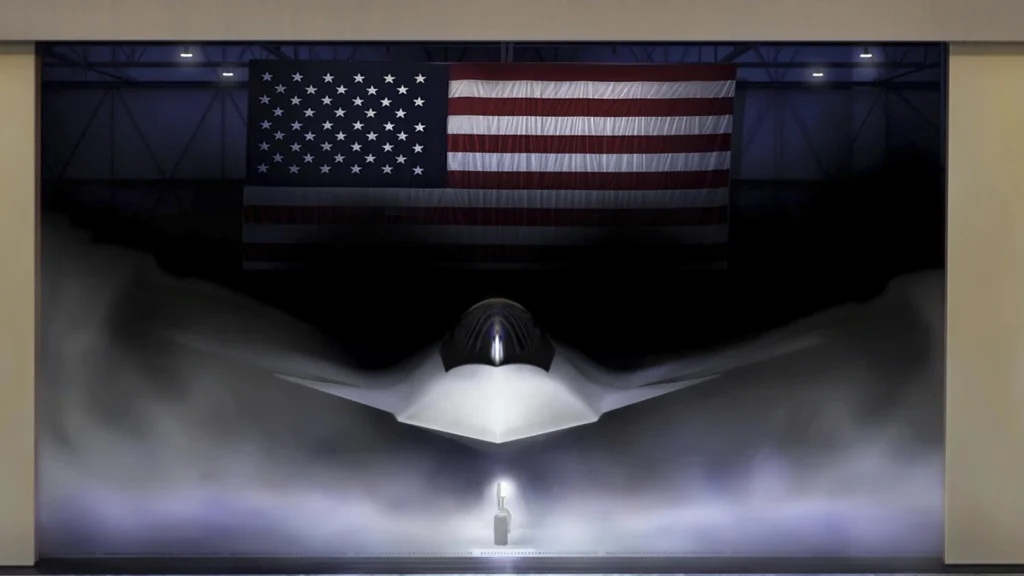
Brig. Gen. Timothy Helfrich, the US Air Force’s Portfolio Acquisition Executive for Fighters and Advanced Aircraft, said the service is approaching the point where a full F-47 production line can be established.
He described fighter manufacturing capacity as a strategic requirement and said the Air Force needs to maximize current facilities while creating additional lines for the F-47 and Collaborative Combat Aircraft.
Helfrich said the United States currently has only three active fighter production lines: the F-35 line in Fort Worth, Texas; the F-15EX line in St. Louis, Missouri; and the F-16 line in Greenville, South Carolina. He said the Air Force must increase output from those existing lines while adding new production capacity.
The planned F-47 line would therefore add to the existing fighter industrial base rather than replace one of the current lines.
The comments highlight that production infrastructure is becoming part of the F-47 program before the aircraft reaches flight testing.
Establishing a new line requires dedicated assembly space, support infrastructure, testing capability, equipment and an industrial workforce capable of sustaining production.
Boeing Expands Its Manufacturing Base
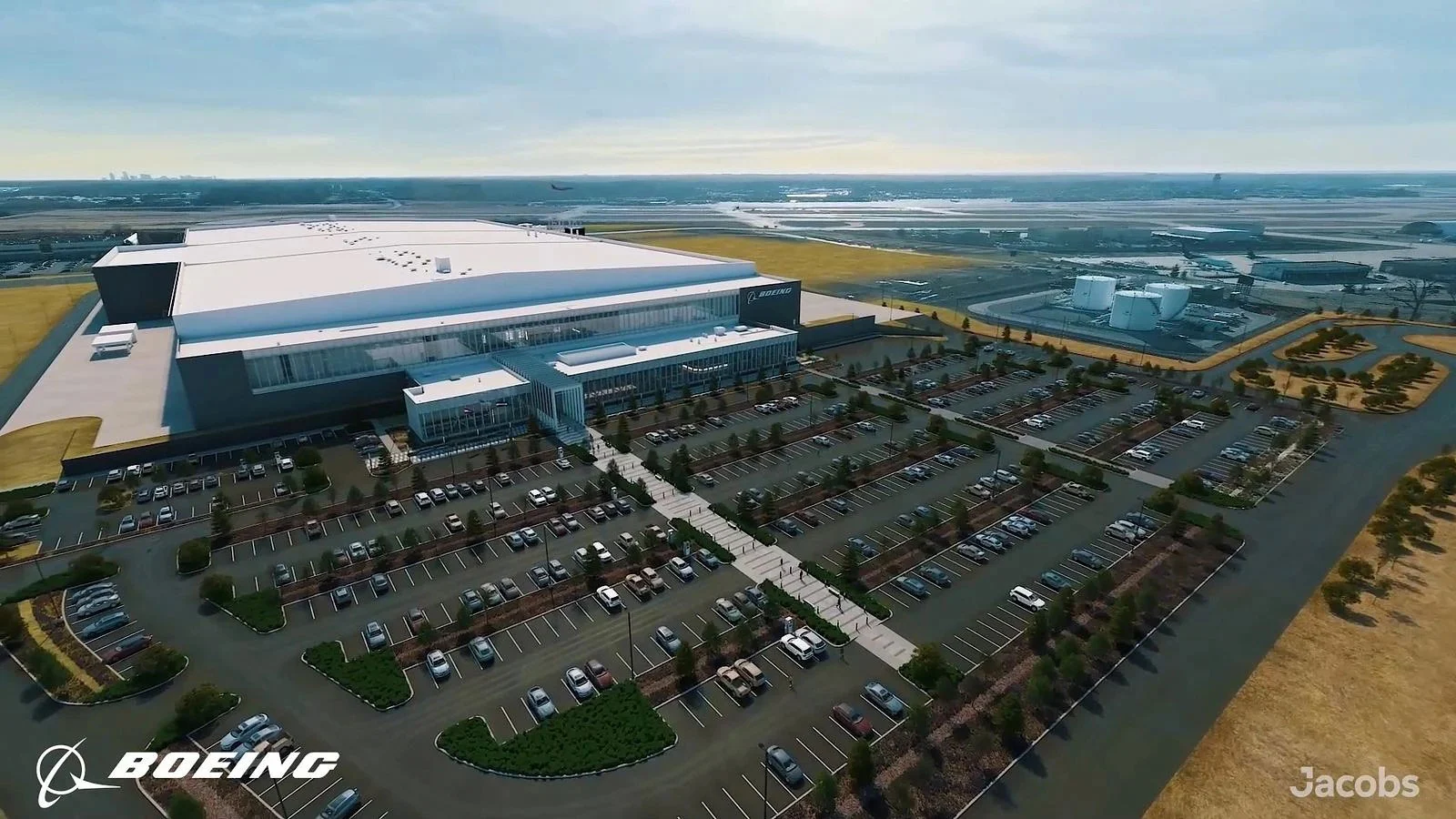
Boeing is undertaking a nearly $2 billion expansion of its St. Louis facilities as the F-47 program advances.
The project adds more than one million square feet of production and support space and forms part of a broader investment in advanced combat-aircraft manufacturing. Boeing currently produces the F-15EX at the same location.
The expansion includes new aircraft assembly and support infrastructure, including a large assembly building, a hangar and a radar cross-section test facility.
Boeing has not stated that the entire construction program is dedicated exclusively to the F-47, so the facilities should be viewed as part of the company’s wider next-generation combat-aircraft manufacturing capacity.
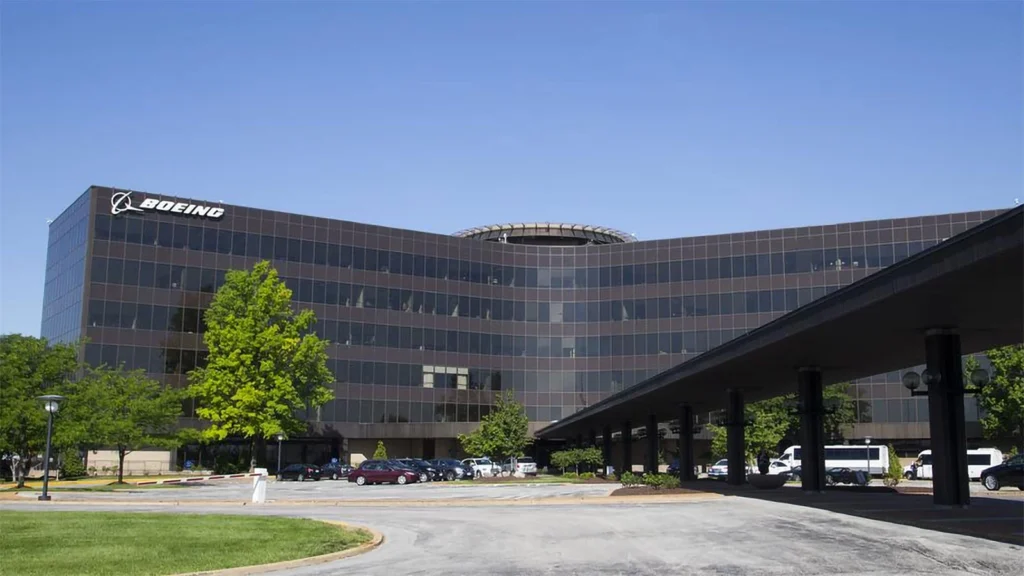
Boeing’s own description of its Missouri operations identifies the new $1.8 billion advanced facility as supporting future digital engineering and aviation work, including the F-47. The company has also described its broader investment in advanced combat-aircraft production facilities as a multiyear effort.
Design Work Continues Toward 2028 First Flight
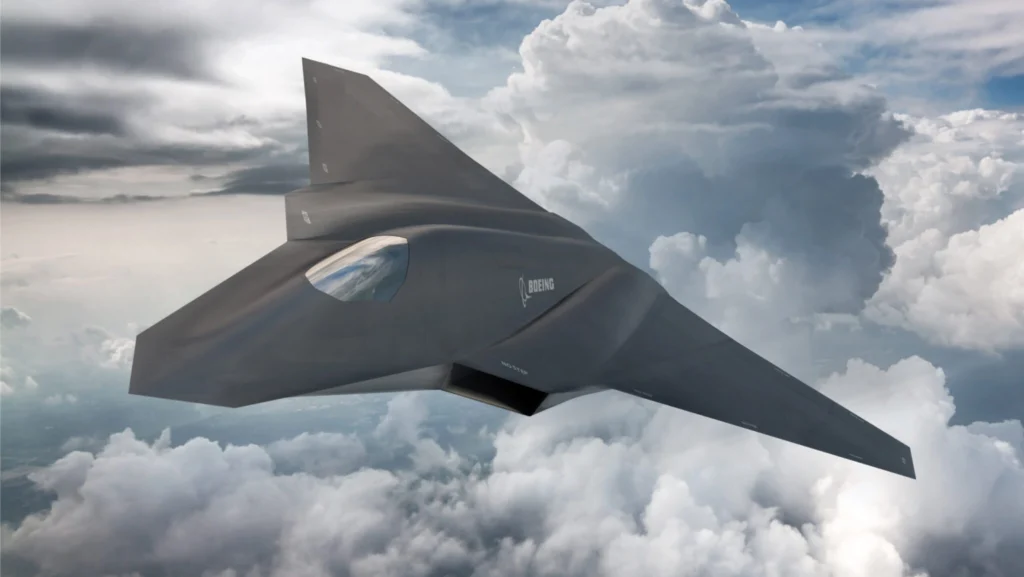
The Air Force and Boeing were reported in mid-September to be making progress toward finalizing the F-47’s design. Gen.
Dale White, the Air Force’s direct reporting program manager for major acquisition programs, said on September 15 that the program remained on track for a first flight within the next two years and that officials did not see major obstacles to that target.
The program’s current schedule calls for the first F-47 flight in 2028. Current reporting also places the goal for production aircraft to enter operational service in the early 2030s. That timeline would create a relatively rapid transition from development into flight testing and production.
The speed of the schedule is linked to earlier technology development. The Air Force conducted risk-reduction work through experimental aircraft before Boeing received the current F-47 development contract.
DARPA says Boeing and Lockheed Martin developed X-planes for NGAD risk reduction, with those aircraft flying hundreds of hours during earlier testing.
This earlier work is important because the Air Force has sought to mature critical technologies before the main aircraft contract. The approach allows the F-47 development effort to begin with technologies that have already undergone testing rather than relying entirely on new systems developed after contract award.
Military Watch Magazine also highlighted this technology-maturation approach in its reporting on the program.
F-47 Entered Formal Development in 2025
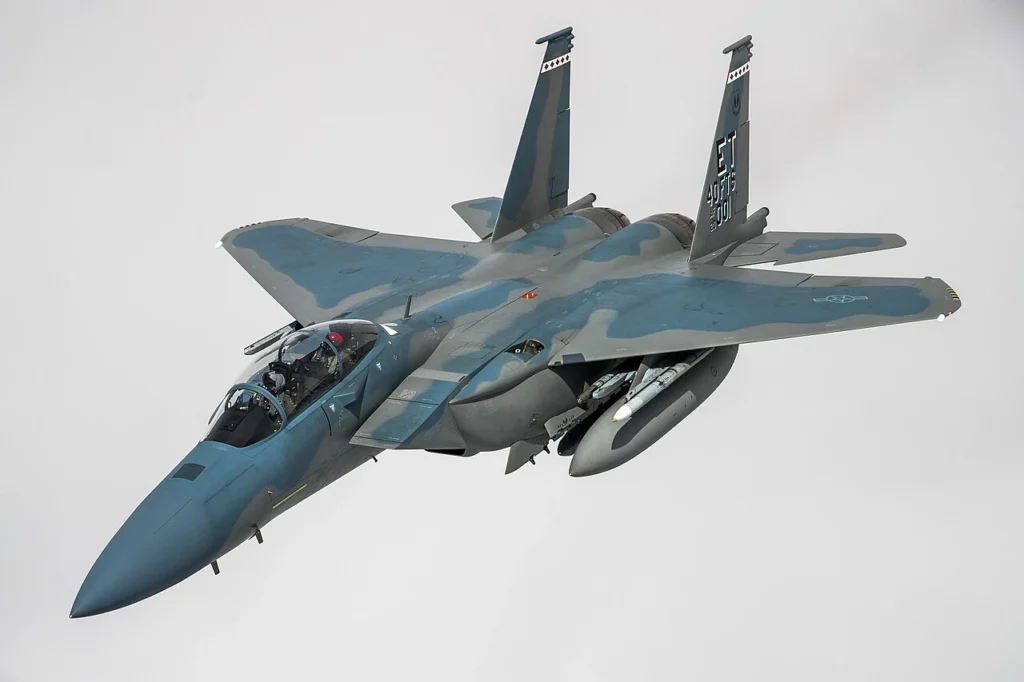
The US Air Force awarded Boeing the F-47 contract on March 21, 2025, beginning the formal Engineering and Manufacturing Development phase for the next-generation fighter. Boeing said the award covers the design, development and delivery of the next-generation fighter platform.
The program had been discussed and developed for years before that formal award, including earlier NGAD engineering and technology-development activity. The distinction is important because earlier NGAD development milestones should not be confused with the 2025 F-47 EMD contract.
The preceding development effort also helps explain why the Air Force continues to describe the 2028 flight target as achievable despite the speed of the program. The service has repeatedly pointed to the maturity of technologies developed during the risk-reduction phase as a factor supporting the current schedule.
The Air Force currently plans to procure at least 185 F-47 fighters. The aircraft is intended to become the crewed fighter element of the Air Force’s Next Generation Air Dominance family of systems, which also incorporates uncrewed capabilities such as Collaborative Combat Aircraft.
The planned fleet size gives the production-line decision long-term significance. A dedicated manufacturing line would provide the industrial foundation for producing the aircraft at scale rather than relying only on limited-rate development and initial production facilities.
The F-47 is also the fighter of its generation that the U.S. Air Force currently intends to procure as its future sixth-generation crewed fighter. That procurement approach differs from the service’s previous generation, which included separate F-22 and F-35 fighter programs.

Boeing Makes Its Largest-Ever Defense Investment
Boeing has described its F-47 effort as involving the most significant investment in the history of its defense business.
When the company announced the F-47 contract, Boeing said it had made its most significant investment to support the program and its sixth-generation fighter capability.
The investment extends beyond the aircraft design itself. Boeing’s St. Louis expansion is intended to strengthen advanced aircraft manufacturing, digital engineering and supporting production capabilities.
The scale of the facilities program indicates that the company is preparing industrial capacity alongside the F-47’s development schedule.
F-47 Remains Behind Chinese Sixth-Generation Programs
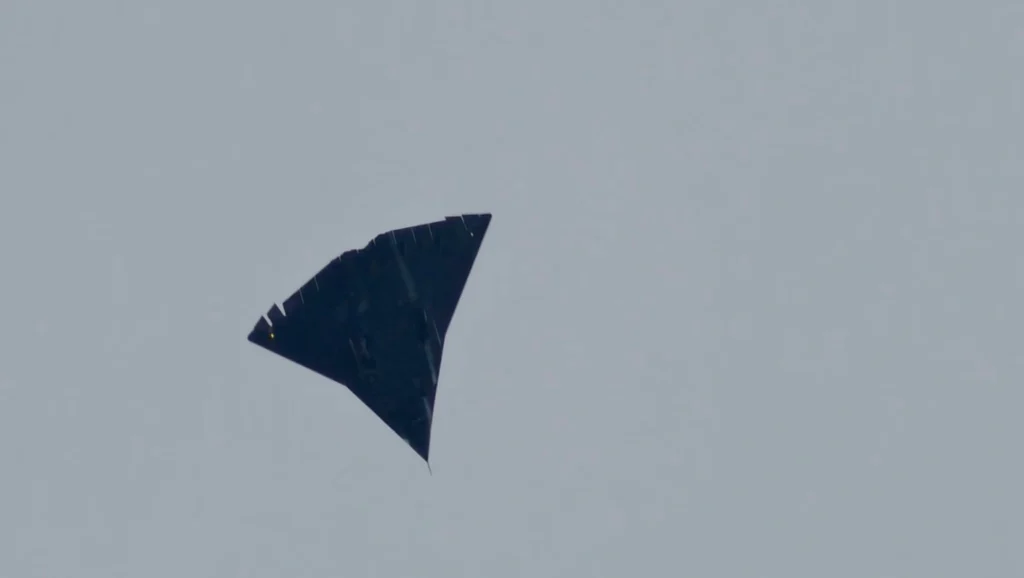
The F-47’s development is taking place as China advances its own next-generation fighter programs. The supplied reporting notes that the US aircraft remains several years behind rival Chinese sixth-generation fighter programs in terms of development and flight testing.
Recent reporting has described Chinese next-generation aircraft commonly identified as the J-36 and J-50 as having been observed in flight testing since December 2024.
This difference in development timing provides important context for the Air Force’s emphasis on speed.
The US program is attempting to move from mature technology demonstrations and detailed design into flight testing while simultaneously preparing the industrial base needed for production.
The Air Force’s approach therefore involves two parallel objectives: completing a technically complex sixth-generation fighter on an accelerated schedule and expanding the manufacturing infrastructure required to build it in significant numbers.
Production Capacity Is Central to Program
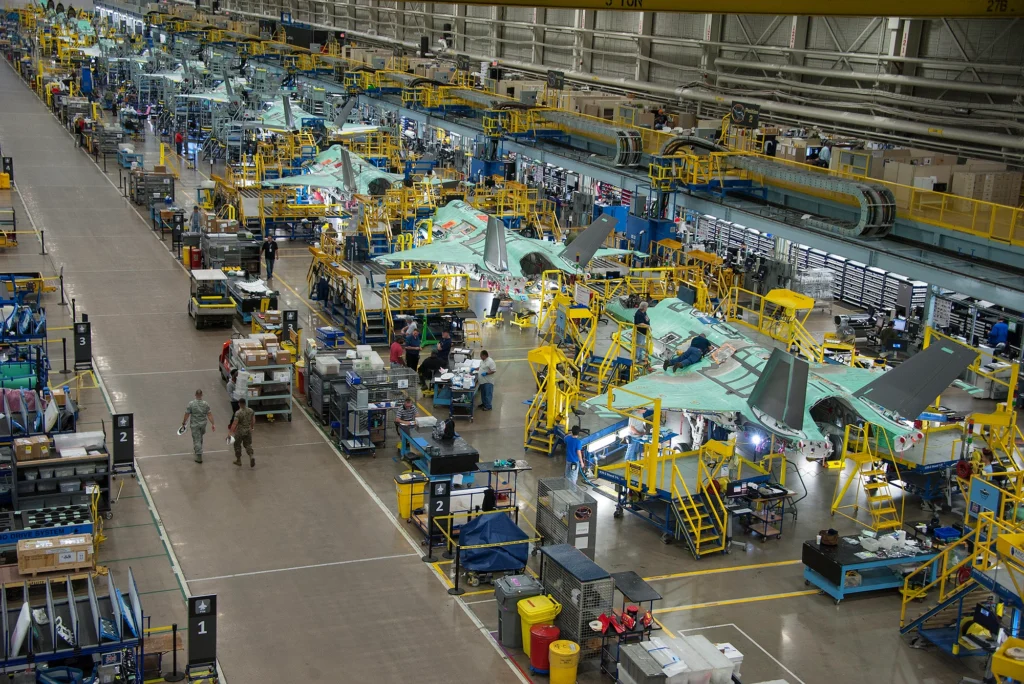
Helfrich’s comments show that the Air Force views fighter-production capacity as more than a manufacturing issue. The service must continue supporting existing F-35, F-15EX and F-16 production while creating capacity for the F-47 and Collaborative Combat Aircraft.
Adding an F-47 production line would increase the number of active US fighter lines from the three identified by Helfrich to four.
More importantly, it would give the Air Force a manufacturing base specifically aligned with its next-generation fighter requirement.
Boeing’s growing St. Louis infrastructure provides a key industrial component of that effort, although the precise division of the expanded facilities among the F-47, other advanced combat aircraft and supporting activities remains undisclosed.
What Comes Next?
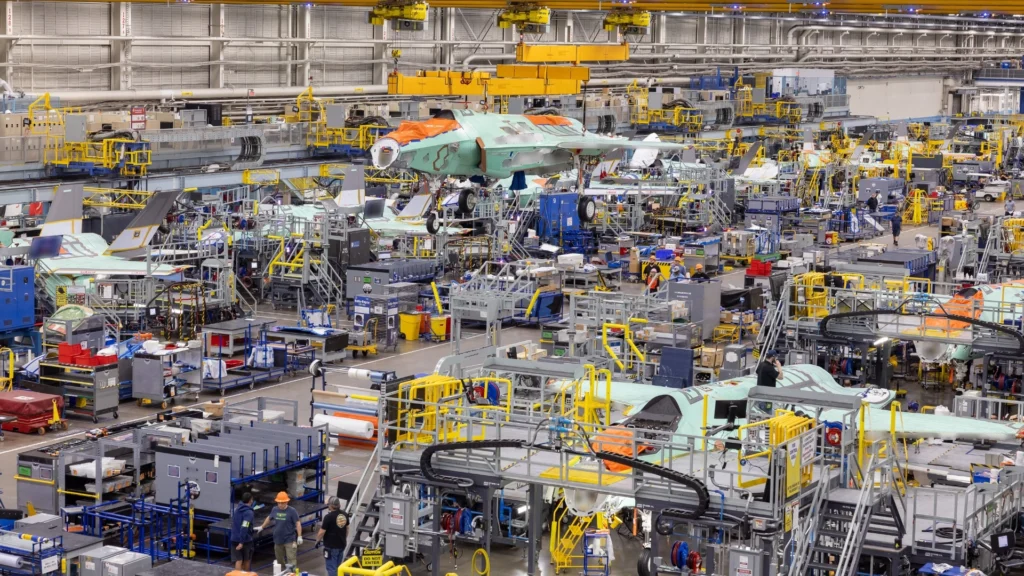
The immediate milestones are the continued finalization of the aircraft design, construction of initial flight-test aircraft, preparation of production infrastructure and the targeted 2028 first flight.
Current reporting indicates that Boeing is already building the first aircraft while the St. Louis expansion progresses.
The production-line announcement does not mean the F-47 has entered full-rate production. Instead, it indicates that the Air Force is preparing the manufacturing capacity needed for the next phase of the program.
If the current schedule remains on track, the F-47 will move from technology maturation and detailed design toward flight testing and eventually production during the latter half of the decade.
The program’s progress will depend on successful design completion, flight testing, manufacturing readiness and continued development of the supporting industrial base.
Stay tuned with us. Further, follow us on social media for the latest updates.
Join us on Telegram Group for the Latest Aviation Updates. Subsequently, follow us on Google News
