

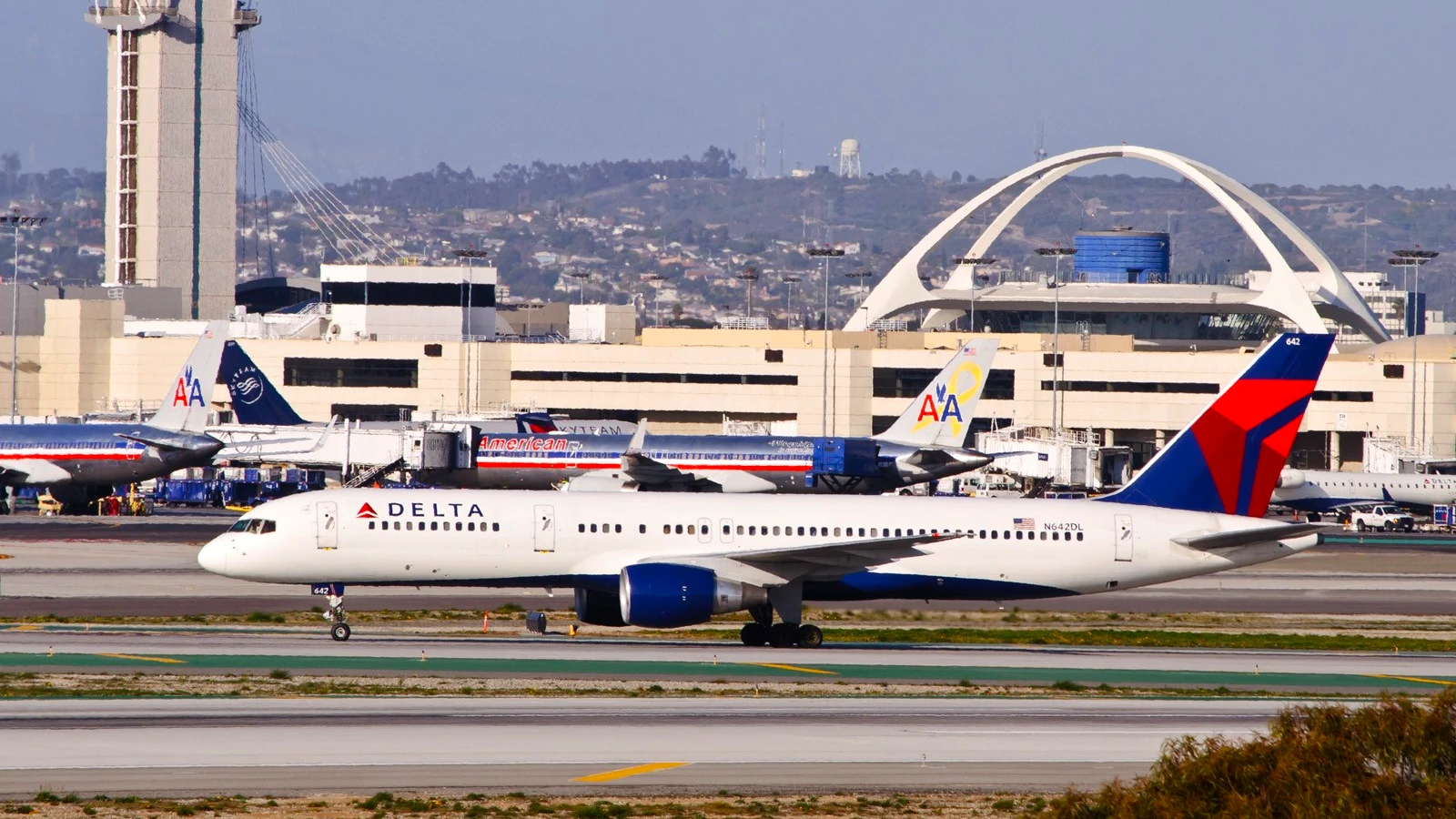
ATLANTA— Hartsfield-Jackson Atlanta International Airport (ATL) is turning to artificial intelligence to improve recycling and reduce waste as passenger numbers continue to place pressure on its sustainability efforts.
The world’s busiest airport handled 106.3 million passengers in 2025, creating a major opportunity to improve how travelers dispose of food packaging, bottles and other waste.
The airport has introduced Oscar Sort, an AI-powered recycling assistant developed by Vancouver-based Intuitive AI.
The system uses a camera and interactive screen to identify waste and guide passengers toward the correct disposal option, while collecting data that can help ATL improve its waste-management policies, Global Atlanta reported.

AI Recycling At ATL Airport
ATL installed its first 10 Oscar Sort units in July across high-traffic food court areas in several of its nine concourses.
The airport said the technology is designed to address a common problem at busy terminals: passengers often have only a few seconds to decide whether an item belongs in recycling, compost or general waste.
Oscar Sort recognizes items and provides instructions at the point of disposal, making recycling more interactive instead of relying only on conventional signs.
Intuitive AI says its system can improve recycling accuracy by 61 percent, while its platform also provides waste analytics that can help organizations identify disposal trends.
The system also uses gamification to encourage participation, with visual prompts, rewards, trivia and other interactive features designed to make correct sorting easier to understand.
According to Intuitive AI, Oscar can adapt to different waste regulations and locations, allowing the system to be updated as local recycling requirements change.
ATL Waste Diversion Goals
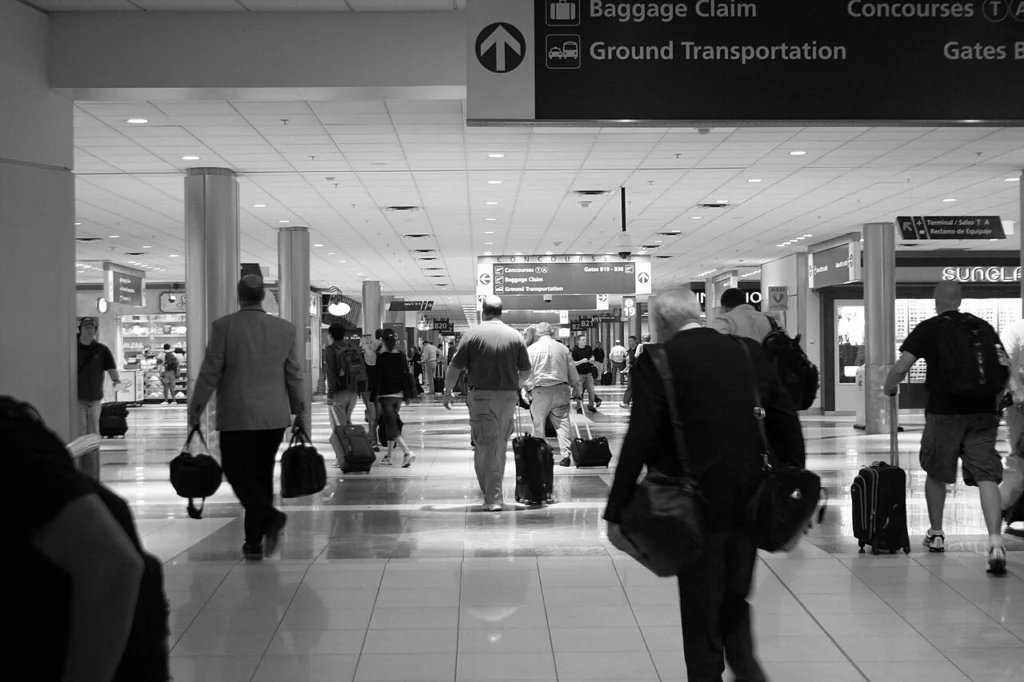
The technology supports a wider sustainability program at Hartsfield-Jackson, which has set a target of diverting 90 percent of waste generated at the airport from landfills by 2035.
ATL estimates that it generates about 13,000 tons of waste each year, making effective sorting an important part of its long-term waste strategy.
The airport has already introduced several measures aimed at reducing its environmental impact, including water refill stations, separate waste and recycling bins and water-efficient facilities.
However, officials have faced challenges with contamination, where recyclable materials become difficult to recover after being mixed with unsuitable waste.
Data Drives Better Airport Recycling
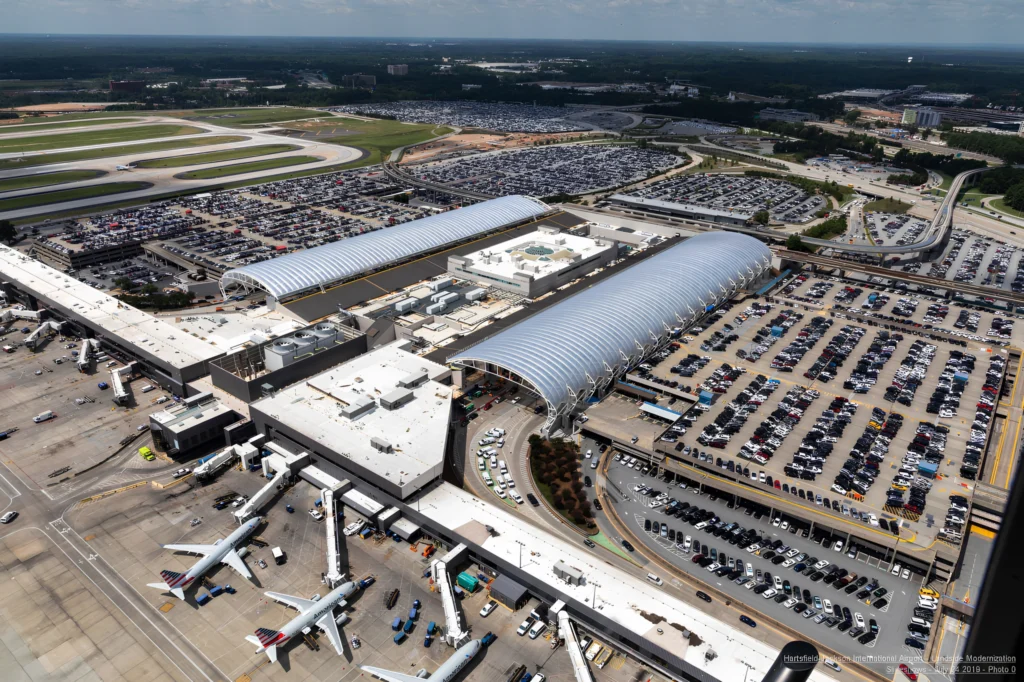
Oscar Sort adds another layer by giving airport officials real-time information about what passengers are throwing away and where mistakes occur.
The data can help ATL test new signs, adjust passenger messaging and develop waste-related requirements for airport concessionaires.
Global Atlanta reported that 2.5 million people had used the relevant waste bins, with about 250,000 interacting directly with Oscar units following the ATL deployment.
The collected information is also intended to support operational decisions and improve passenger engagement.
The AI system processes information at the device level, while Intuitive AI says it does not capture users’ faces.
The company has also deployed Oscar Sort at other airports and major venues, including Boston Logan International Airport and John F. Kennedy International Airport, showing how the technology can be adapted to different airport environments.
For ATL, the objective extends beyond placing smarter bins inside terminals. Airport officials hope that repeated interactions with AI-guided recycling stations will help passengers develop better disposal habits that continue even when an Oscar unit is not nearby.
Stay tuned with us. Further, follow us on social media for the latest updates.
Join us on Telegram Group for the Latest Aviation Updates. Subsequently, follow us on Google News

