

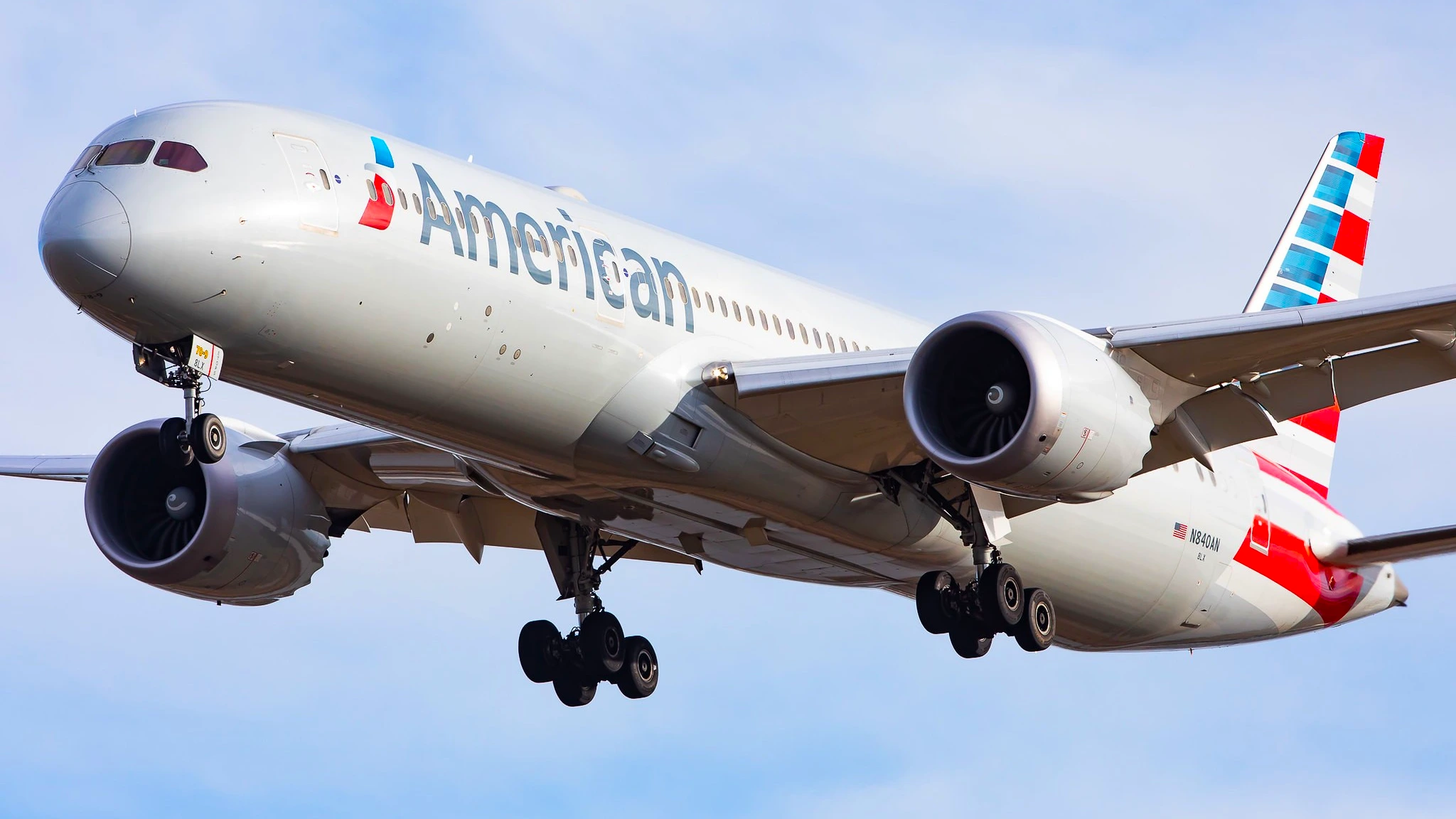
FORT WORTH- American Airlines (AA) has drawn fresh criticism over the condition of its cabins after flight attendants covered a failed window with sheets of paper on a transatlantic red-eye. The carrier has faced a run of complaints about cosmetic faults that sit at odds with its premium branding.
The incident occurred on July 23 aboard a Boeing 787-9 Dreamliner operating from New York John F. Kennedy International Airport (JFK) to Rome Fiumicino Airport (FCO). An electronically dimmable window in the Premium Economy cabin stopped responding to its controls.
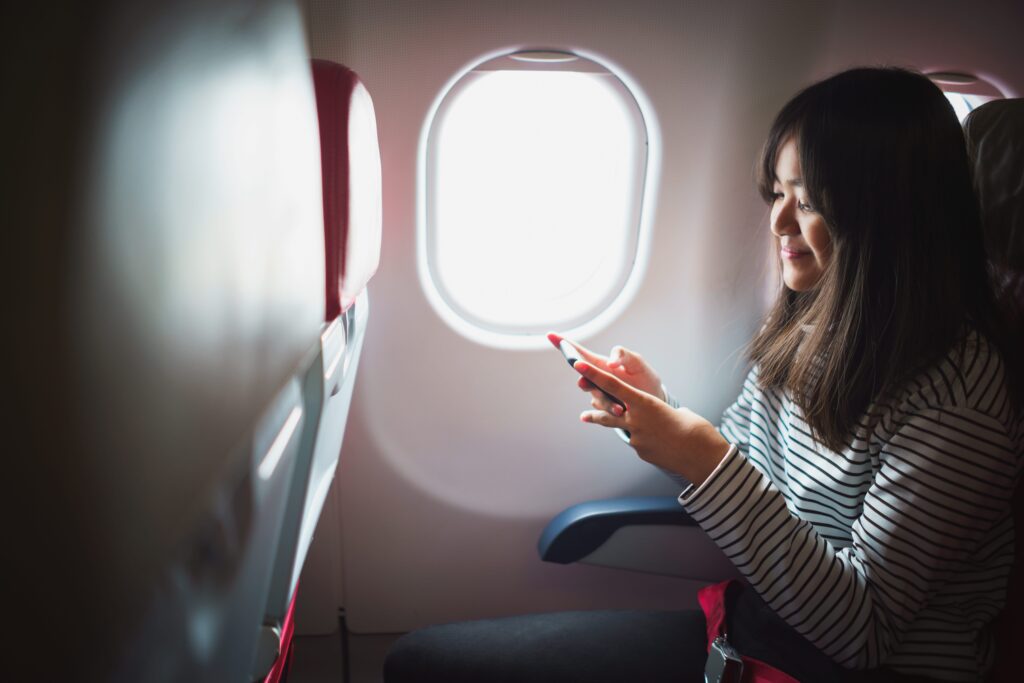
Sunrise Exposes Failed Shade Over the Atlantic
American Airlines has developed a reputation for the state of some of its aircraft interiors. The reported faults are cosmetic rather than dangerous, covering broken tray tables, seats that will not recline, non-functioning in-flight entertainment, and worn-out cabins. None of these support the premium positioning the airline claims.
The window failure on the Rome service fits that pattern. The eight-year-old Dreamliner pushed back from New York at close to 8:30 PM on Thursday for a seven-and-a-half-hour overnight crossing.
The broken shade caused no difficulty at first. Darkness outside allowed passengers to rest during the early hours of the flight.
That changed as the aircraft tracked its northerly routing in the middle of summer. The sun rose early, and light flooded the Premium Economy cabin through the single window that had failed to dim.
The passenger occupying the affected seat and the passenger seated directly behind both lost sleep as the cabin brightened.
Flight attendants attempted to help. The only solution available to them was thin paper taped across the glass, which did not cover the entire window.
A passenger described the situation on Reddit, stating an intention to file a formal complaint after landing. The passenger asked why a simple mechanical option was no longer available, writing, “What is wrong with a little analog every once in a while?”
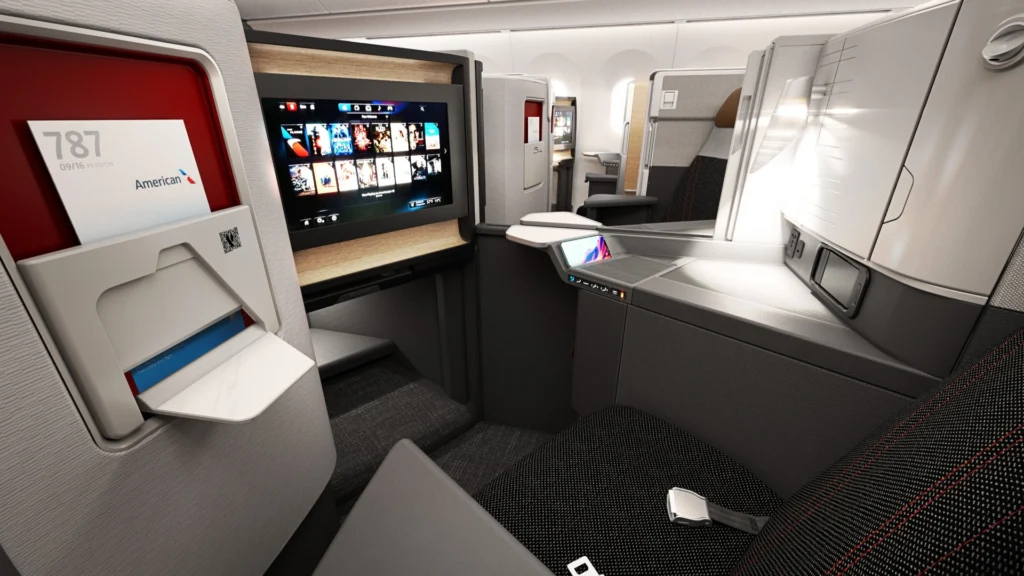
How the Dreamliner Window System Operates
The Boeing 787 abandoned traditional pull-down shades in favour of electronically dimmable windows. The feature was considered revolutionary when the aircraft completed its maiden flight in 2009, following six years of development.
Passengers press a button that passes an electrical current through a special gel sealed between the panes of glass. The current makes the gel grow progressively darker, controlling the amount of light entering the cabin.
On this flight, the button had no effect. The gel remained transparent as daylight increased outside.
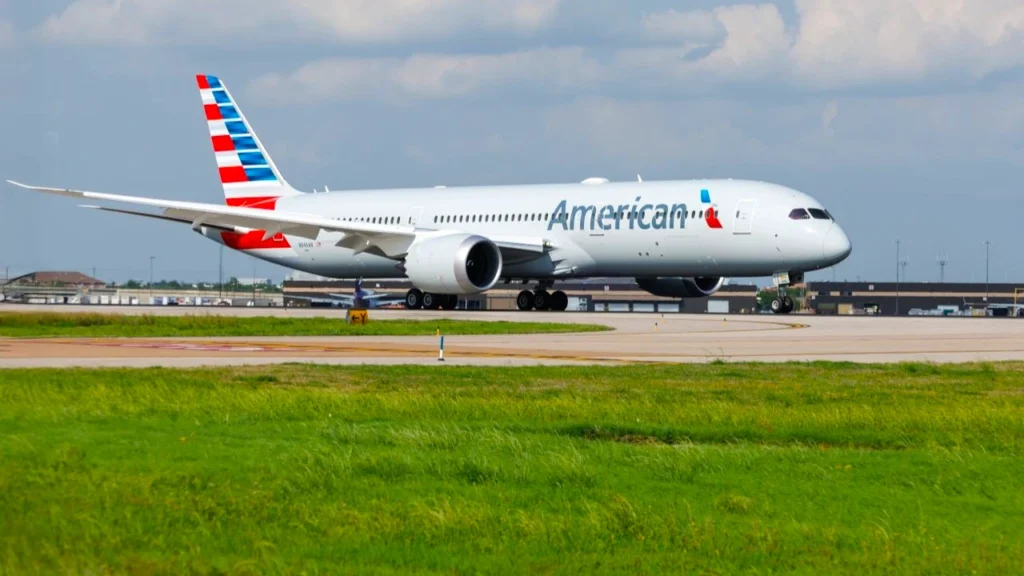
Design Choice That Split Manufacturers
The windows have proven a controversial design decision. Frequent flyers regularly question how effectively they block light even when working as intended.
The disagreement reached the manufacturers. Airbus stayed with manual window shades when developing the A350 widebody jet. The European manufacturer now offers electronically dimmable windows on the type, but only as an optional extra that airlines can choose.
Boeing knows the dimmable windows on its Dreamliners can fail from time to time. As reported by PYOK, the manufacturer supplies airlines with rubber stick-on shades that crew can apply to a broken window quickly and peel off within seconds.
Why that equipment was not available to the flight attendants working the New York to Rome service remains unclear.
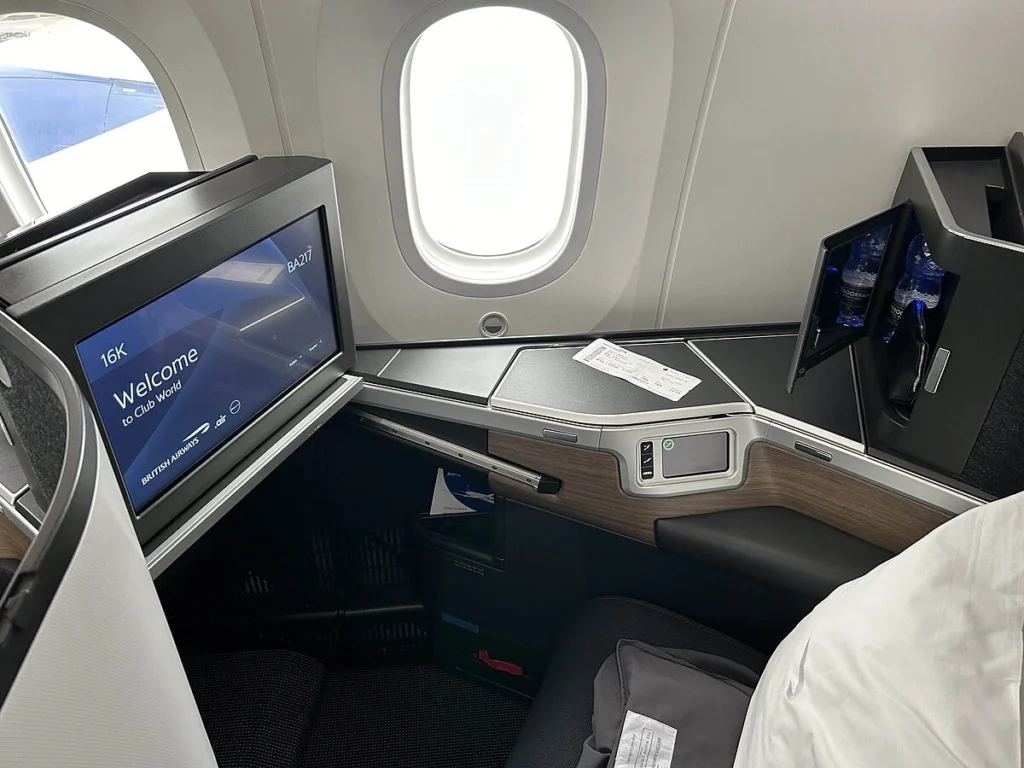
British Airways Faced Far Larger Failure
At least the American Airlines flight involved only one broken window. In April 2025, passengers on a British Airways ultra-long-haul service from Tokyo to London boarded their 787 Dreamliner to find that a malfunction had disabled every shade on one side of the aircraft.
The problem had been reported to engineers in Tokyo, but they could not fix it before the scheduled departure. Ground workers covered every affected window with sheets of paper.
The flight then operated in daylight for its entire 14-hour duration.
The case exposed a limit to Boeing’s backup solution. Airlines that stock the rubber peel-off shades do not carry enough units on each aircraft to handle that many simultaneous failures.
Stay tuned with us. Further, follow us on social media for the latest updates.
Join us on Telegram Group for the Latest Aviation Updates. Subsequently, follow us on Google News
