

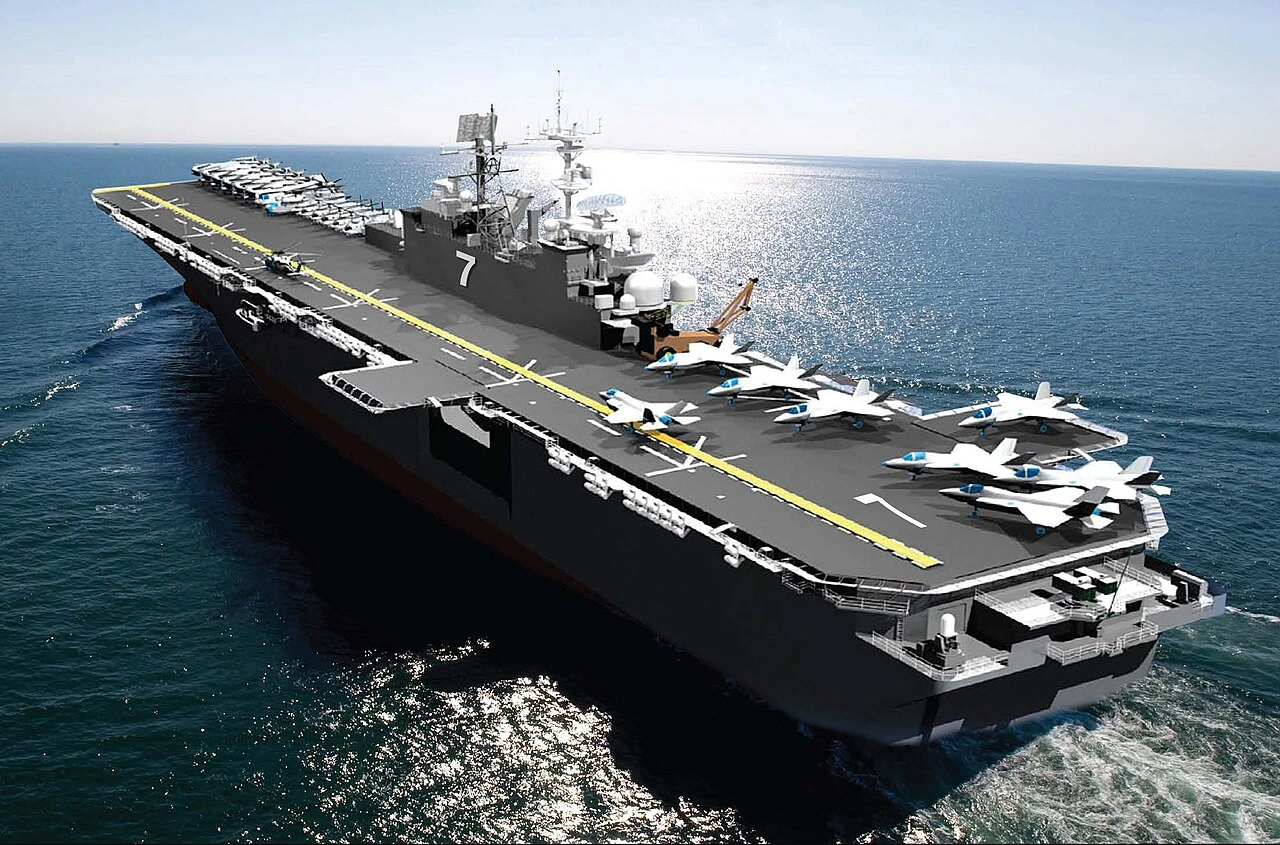
Iran’s Islamic Revolutionary Guard Corps (IRGC) declared the Strait of Hormuz closed until further notice and launched missile and drone attacks on United States bases and regional allies, placing the Gulf’s main aviation hubs at Dubai (DXB), Abu Dhabi (AUH), Doha (DOH), Bahrain (BAH) and Kuwait (KWI) back on heightened alert.
The escalation follows a third round of US strikes this week. United States Central Command (Centcom) said its forces hit 140 Iranian military targets after the IRGC attacked a commercial vessel in the waterway. Gulf carriers including Emirates (EK), Etihad Airways (EY), Qatar Airways (QR) and flydubai (FZ) operate the region’s densest long-haul networks through the airspace now affected by the exchange.
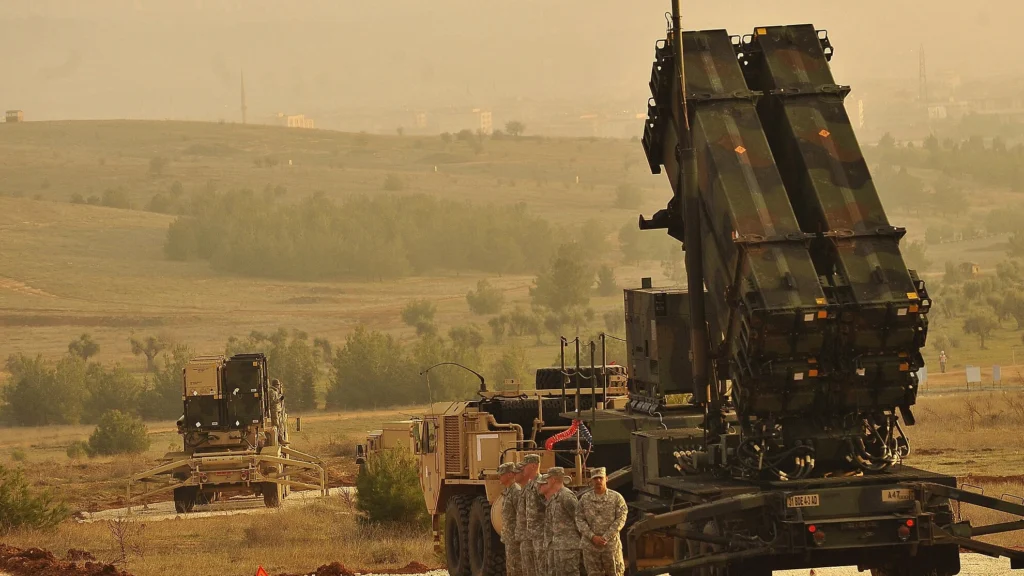
US Attacks 140 Iranian Targets
Centcom said the IRGC “blatantly attacked” the MV GFS Galaxy, a Cyprus-flagged vessel transiting the Strait of Hormuz. The command reported significant damage to the engine room, said the ship was unable to continue its journey, and confirmed that one crew member was missing.
The United Kingdom Maritime Trade Operations (UKMTO) said military authorities informed it that the crew abandoned the vessel and boarded a lifeboat.
Centcom said Iran received another opportunity to demonstrate adherence to the Memorandum of Understanding after being held accountable for earlier attacks on commercial vessels, and failed again. US Secretary of Defense Pete Hegseth shared the statement and wrote, “Iran made a poor choice. Now they pay.”
Centcom said the American strikes hit missile and drone sites, communication networks, and coastal surveillance locations. The IRGC said the United States targeted a number of coastal bases and telecommunications towers on Iran’s southern coast.

IRGC Targets Prince Hassan Air Base and MQ-9 Hangars
Iran described its response as the “first phase” of retaliation. The IRGC said it struck Prince Hassan Air Base in Jordan and claimed it destroyed the base’s command and control centre along with MQ-9 drone hangars.
The claim carries direct significance for American air operations in the region. The MQ-9 Reaper supports persistent surveillance and strike missions across CENTCOM’s area of responsibility, and hangar facilities house the aircraft and their ground control infrastructure.
Iran has not published evidence for the claim, and the United States has not confirmed the extent of any damage.
The United Arab Emirates, Qatar, Kuwait and Bahrain all responded to missiles and drones fired from Iran. Each of those states hosts a major international airport and a significant United States military presence.

Iran Shuts the Waterway and Sets Its Own Route
Iranian state media said the IRGC closed the Strait until further notice after firing a naval cruise missile at a vessel attempting to sail along an unapproved route.
The Guards said the vessel was “hit by warning shots and stopped” after it ignored repeated instructions, according to a statement carried by the state news agency. The IRGC warned that any American “aggression” following the closure would draw a response of “severity”, and that new bases in the region would be targeted.
Earlier in the week, three commercial tankers came under attack while crossing a United States-recommended route through Omani waters. Iran has repeatedly said the only safe passage runs through its own waters, and the IRGC has published a proposed route past the islands of Qeshm and Larak.
That earlier exchange produced US strikes in which 17 people were killed and 115 injured, according to Iranian officials. Iran then struck United States allies across the Gulf.
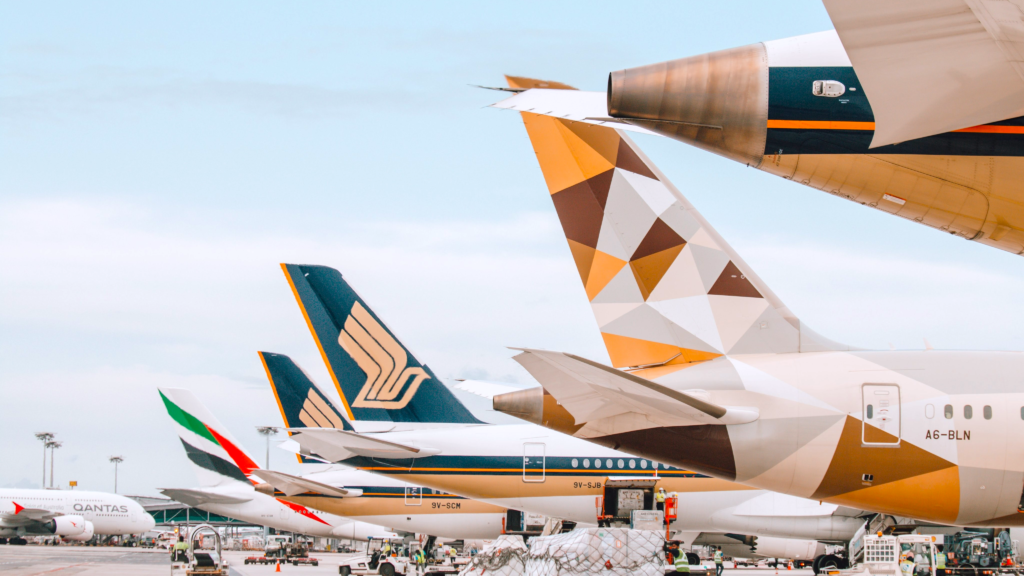
Gulf Airspace and Airline Operations Under Pressure
The Strait of Hormuz sits directly beneath one of the busiest air corridors linking Europe, the Gulf and Asia, which makes the maritime crisis an aviation risk as well.
Before this weekend’s escalation, industry monitoring group OPSGROUP reported that most Gulf flight information regions had reopened to overflights in some form, including Iraq, Bahrain, Qatar and the UAE, while Kuwait continued to prohibit overflights. It also reported that GPS jamming and spoofing had become one of the region’s biggest operational problems, with complete GPS loss reported by operators.
The war has already reshaped Gulf aviation. At least eight states announced full or partial airspace closures after the conflict began, Emirates and flydubai temporarily halted operations, Etihad suspended departures from Abu Dhabi, and more than 11,000 flights in and out of the region were cancelled in the opening days, according to aviation data firm Cirium. The UAE lifted all remaining airspace restrictions in early May and returned operations to normal status.
Several European carriers have not returned in full. British Airways has kept selected Gulf routes suspended, Lufthansa Group has extended Dubai suspensions through September 2026, and the European Union Aviation Safety Agency continues to advise operators against commercial flights in Iranian, Iraqi and Lebanese airspace until at least 31 August 2026.
No new conflict-related airspace closure had been confirmed by regional civil aviation authorities at the time of writing. Airlines and passengers should follow official notices from the UAE General Civil Aviation Authority, the Qatar Civil Aviation Authority and their operating carriers.
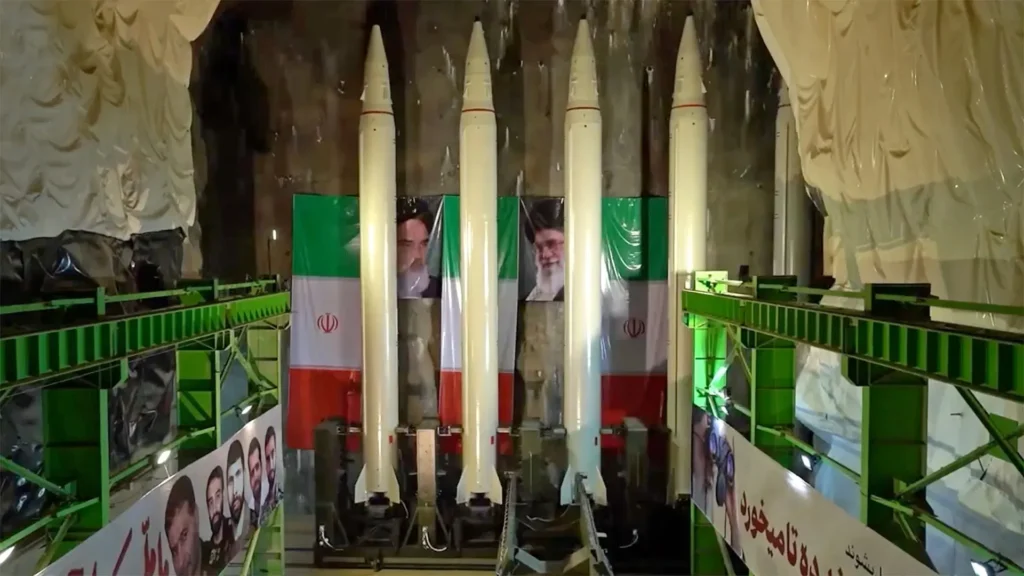
New Supreme Leader Calls for Revenge
The closure follows a call for revenge from Iran’s Supreme Leader, Ayatollah Mojtaba Khamenei, in his first public statement since taking leadership.
His father and predecessor, Ali Khamenei, was killed in an air strike on 28 February, the first day of the US and Israeli war against Iran. He was buried in his home city of Mashhad.
Reading a statement on state television, the new Supreme Leader said vengeance was the “will of the nation” and pledged to avenge the blood of the martyred leader. He added that the outcome does not depend on his own presence or that of other officials.
Many Iranians at the funeral ceremonies carried placards calling for the killing of United States President Donald Trump. Trump warned on Saturday that any such plan would see the United States “decimate and destroy all areas” of Iran.
The Wall Street Journal and other American media reported this week that Israel shared intelligence with Washington indicating Iran had devised a plan to assassinate the president. Trump denied that Tehran had made a fresh plan or that Israel supplied any such intelligence, and told the New York Post that he had been at the top of Iran’s list for a long time.

Diplomatic Track Has Not Closed
Iran’s parliamentary speaker Mohammad Bagher Ghalibaf, who also serves as the country’s chief negotiator with the United States, wrote on X that the “era of one-sided deals is OVER”. He added that Tehran had warned Washington to keep its word or pay the price.
Trump has declared the ceasefire over, while Iranian Foreign Minister Abbas Araghchi has accused the United States of violating the deal. Even so, the American president said talks would continue, and mediators are working to revive the process.
United States media reported that Iran told American officials the tanker attacks were a mistake and blamed a rogue internal group. American officials say they have conveyed a demand through mediators that Iran publicly state the Strait of Hormuz is open and pledge to stop firing on commercial ships.
Bottom Line
The IRGC has closed the Strait of Hormuz, struck an American air base in Jordan, and fired on the Gulf states that host the region’s largest airports. Centcom has answered with strikes on 140 targets.
Gulf carriers have already lost thousands of flights to this war once, and the corridor above the strait remains the single most exposed piece of airspace between Europe and Asia. The next few days will decide whether mediators can reopen the waterway or whether the region’s airspace closes again.
Stay tuned with us. Further, follow us on social media for the latest updates.
Join us on Telegram Group for the Latest Aviation Updates. Subsequently, follow us on Google News
