

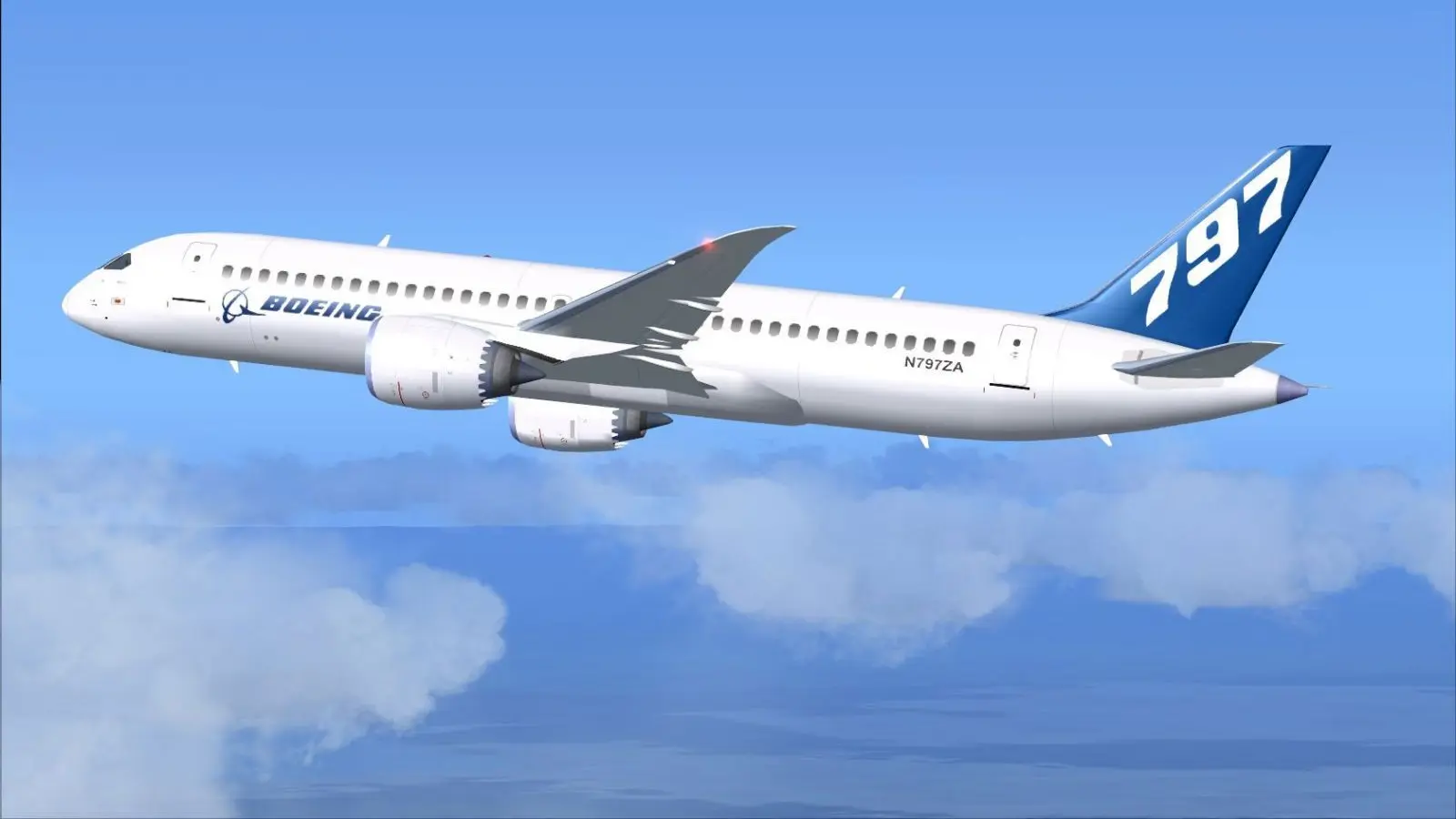
SEATTLE- Boeing is preparing for a potential next-generation narrow-body aircraft program later this decade after strengthening its financial position and advancing key certification efforts. The company is focused on completing approvals for the Boeing 737 MAX family and Boeing 777X before committing billions of dollars to a new aircraft.
Boeing’s best-selling 737 MAX family, including the 737 MAX 7 and 737 MAX 10, remains central to its recovery strategy as airlines worldwide continue expanding their fleets. While the story does not involve specific airlines or airports, the Boeing 737 MAX serves carriers across major global aviation markets, and Boeing says customer demand remains strong despite industry reliability concerns.
Boeing Prepares for Next Narrow-Body Aircraft
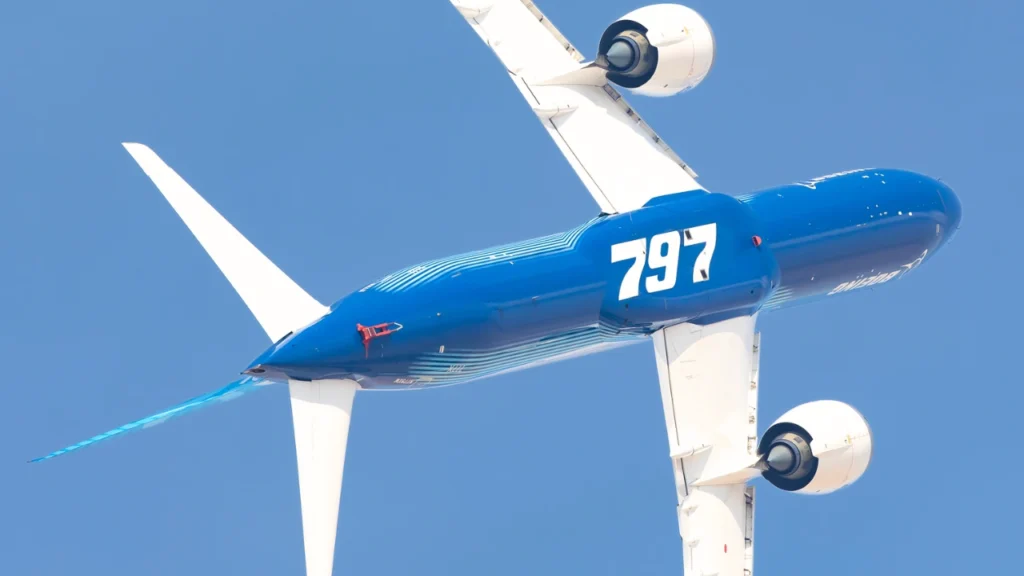
Boeing is positioning itself to launch a successor to the 737 MAX later this decade once its financial recovery is complete and major aircraft certification programs are finalized.
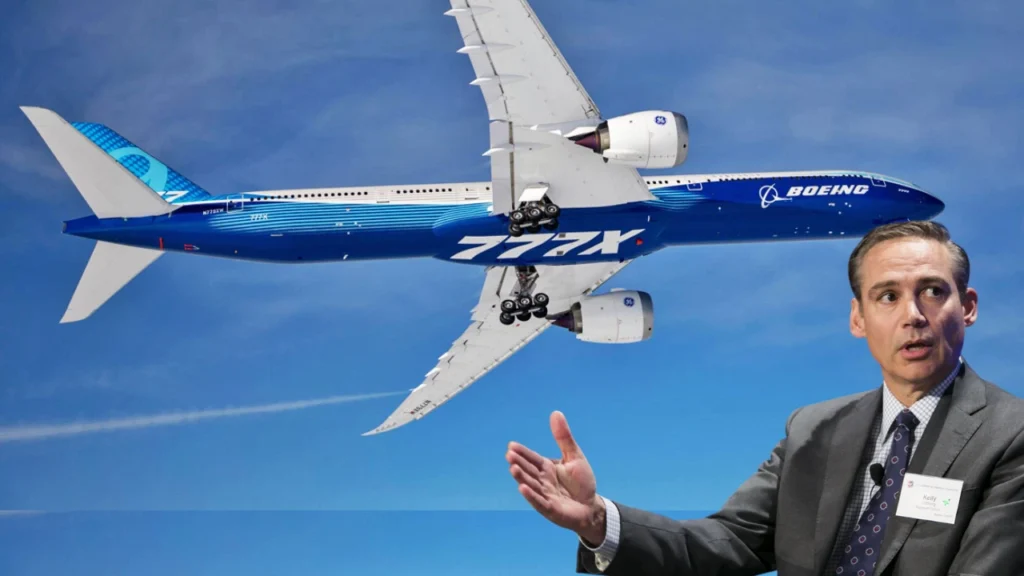
Chief Executive Officer Kelly Ortberg said the company is restoring its financial strength after several years of operational and manufacturing challenges.
According to Ortberg, Boeing expects to have sufficient financial resources within the next few years to support development of a completely new commercial aircraft.
He said Boeing is already investing in technology and engineering work so the company will be ready when market conditions support launching a new program.
Certification Remains Boeing’s Immediate Priority
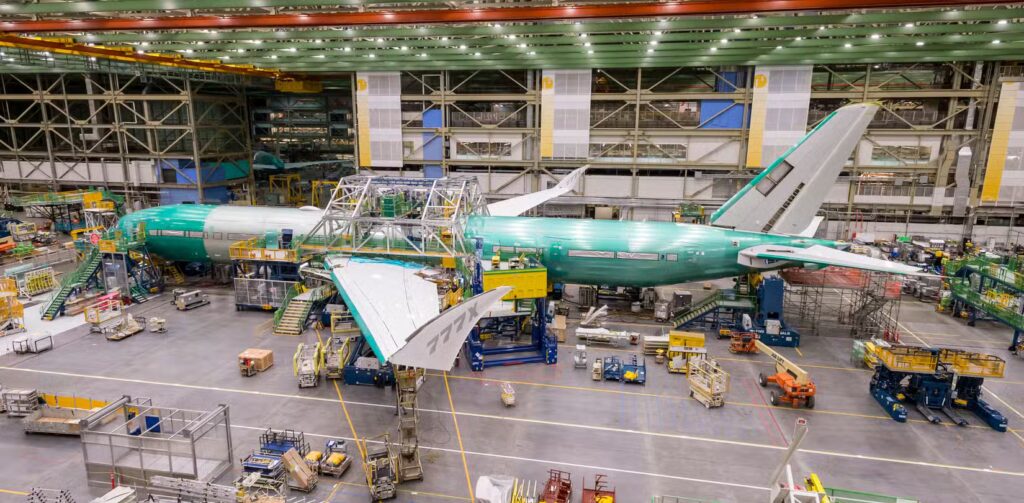
Before introducing a new aircraft, Boeing wants to secure regulatory certification for its remaining 737 MAX variants and the delayed 777X program.
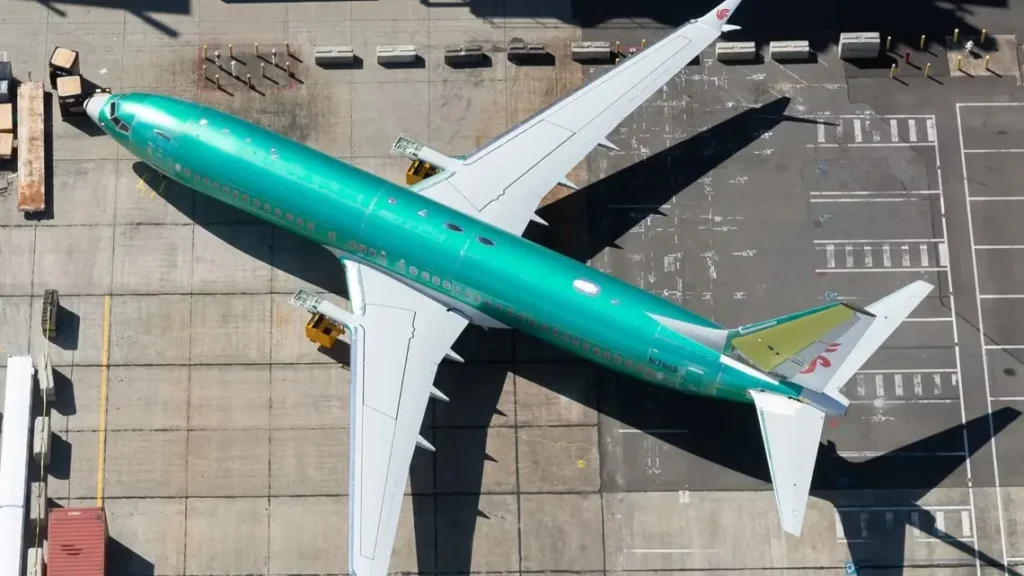
The company is working toward certification of the 737 MAX 7, the smallest member of the MAX family, while expecting certification of the larger 737 MAX 10 before the end of the year.
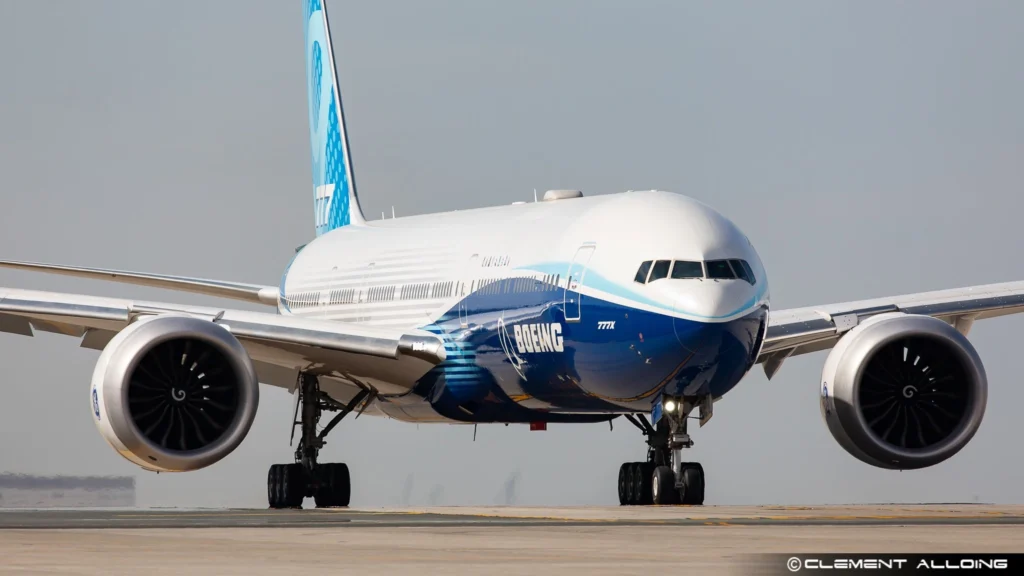
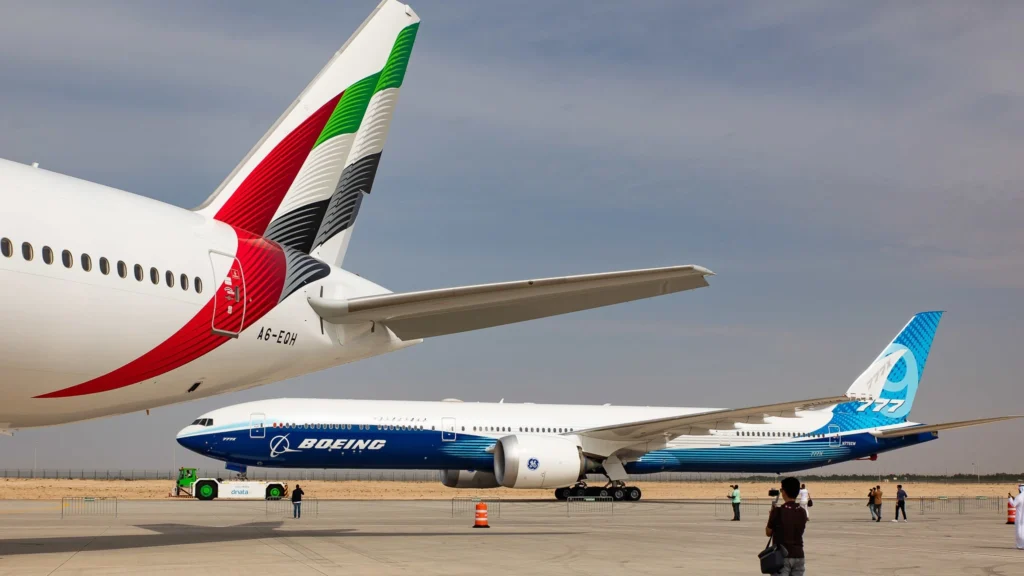
Boeing also continues flight testing of the 777-9, the largest version of the 777X family. Deliveries are still expected to begin next year after years of delays.
Ortberg said completing these certification programs will allow Boeing to shift engineering talent and financial resources toward future aircraft development.
Financial Recovery Supports Future Investment
Launching a new commercial aircraft requires billions of dollars in investment.
Ortberg said financial stability remains one of Boeing’s highest priorities before making that commitment. Boeing previously stated it expects positive cash flow during the second half of the year as production of the 737 MAX continues to increase.
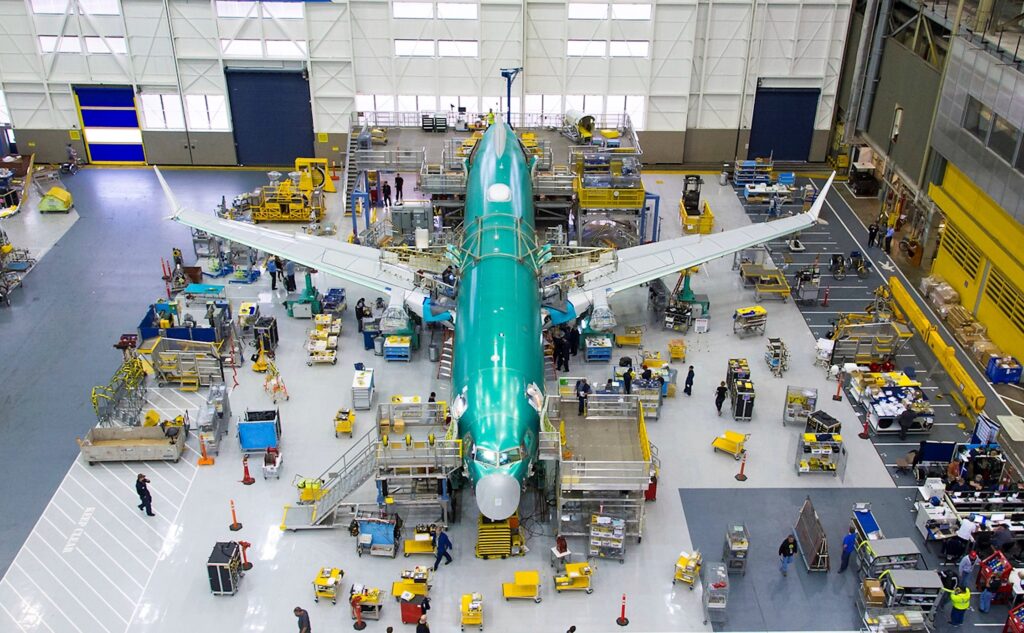
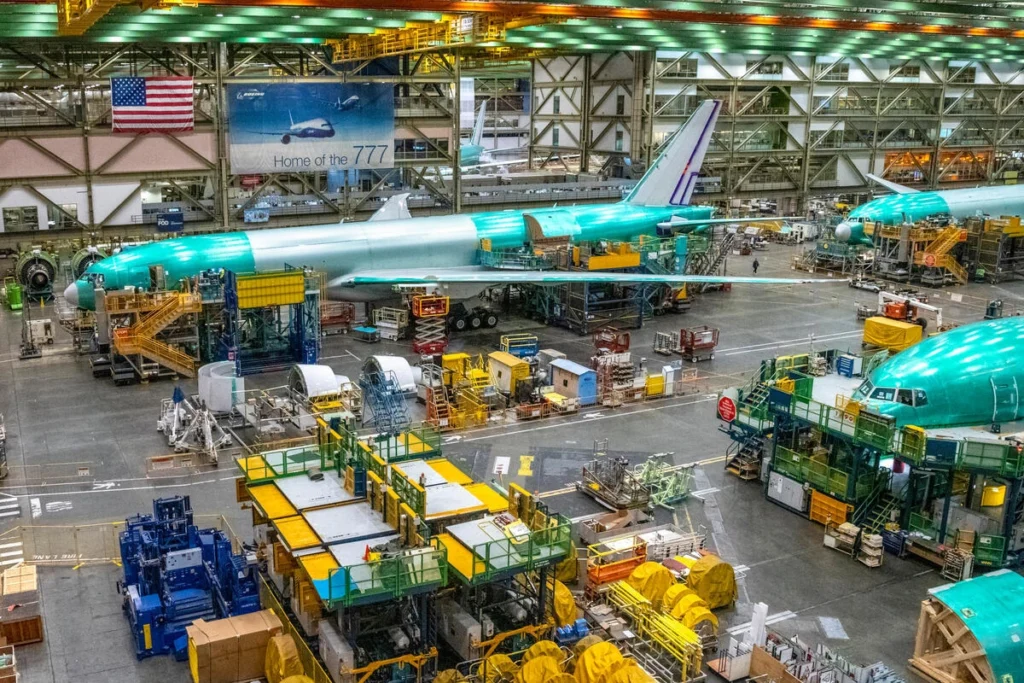
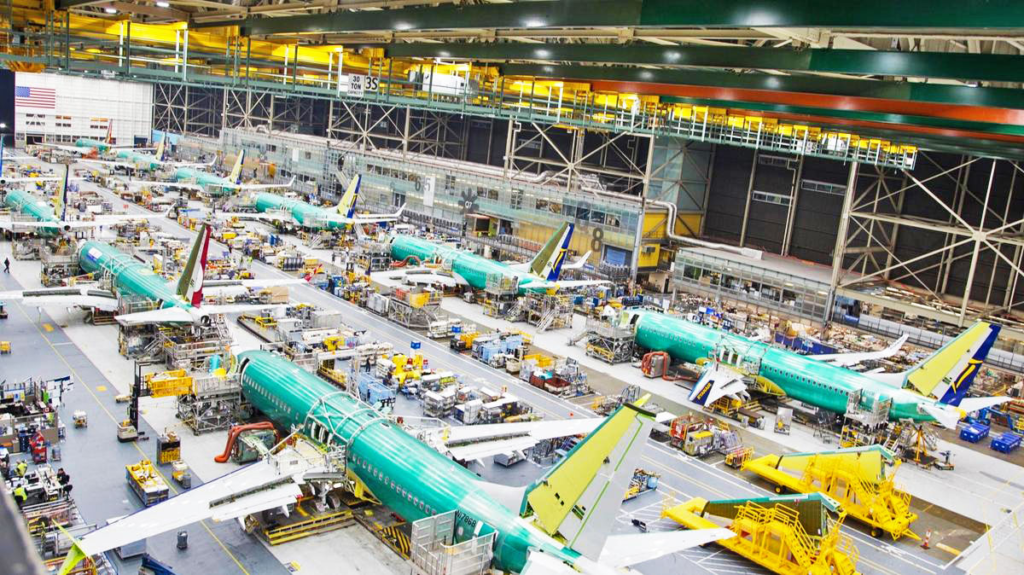
The company recently opened a new production line dedicated to the 737 MAX program. Boeing aims to increase monthly production from 42 aircraft to 52 aircraft and eventually beyond that level.
Higher production rates are expected to strengthen cash generation while helping reduce the company’s large order backlog.
Airlines Want Better Reliability Before New Aircraft
Although Boeing continues preparing for a future aircraft program, Ortberg said airlines are currently more focused on improving the performance and reliability of existing fleets.
Many carriers continue facing maintenance challenges involving modern aircraft engines, resulting in expensive repairs, aircraft groundings, and shortages of replacement parts.
Ortberg said Boeing will not introduce a new aircraft until the underlying technology has matured sufficiently to meet airline expectations for reliability and long-term performance.
Boeing Focuses on Proven Engine Technology
Ortberg declined to discuss detailed design plans for Boeing’s future aircraft.
However, he indicated the company’s current baseline approach favors a conventional enclosed turbofan engine rather than adopting the more experimental open fan engine technology currently being developed by CFM International and evaluated by Airbus.
He emphasized that Boeing’s objective is to develop the right aircraft for customers instead of rushing to match competitors’ timelines.
Production and Deliveries Continue to Improve
Boeing said its biggest challenge is fulfilling existing customer orders rather than generating new sales.
The manufacturer delivered 171 aircraft during the second quarter, representing a 12 percent increase compared with the same period last year.
The company also received 121 gross aircraft orders in June, compared with 116 orders during the same month a year earlier.
With an order backlog approaching 7,000 aircraft, industry analysts continue to view production capacity and supply chain performance as the company’s biggest operational priorities.
FAA Restores Key Certification Authority
Ortberg highlighted a recent decision by the US Federal Aviation Administration (FAA) to restore Boeing’s authority to issue its own airworthiness certificates for all 737 MAX and 787 aircraft.
The authority had been removed following the second fatal 737 MAX accident in 2019.
He described the decision as another important milestone in rebuilding confidence among regulators, customers, and other aviation stakeholders.
Boeing Adapts Its Defense Strategy in Europe
Beyond commercial aviation, Boeing is adjusting its defense business strategy to reflect changing European security priorities.
Ortberg said Boeing expects to expand partnerships with local defense companies rather than relying solely on direct sales.
The company is already working with BAE Systems, Saab, and Rheinmetall on several defense programs, including trainer aircraft and uncrewed combat aircraft initiatives.
He said greater cooperation with domestic suppliers and potential co-production facilities could become increasingly important as European governments prioritize local industrial capabilities.
Strong Demand Continues to Support Boeing
Despite recent operational challenges, Boeing says market demand for commercial aircraft remains strong.
Ortberg noted that the company is primarily focused on delivering aircraft already on order rather than securing additional sales.
He added that Boeing continues making progress in rebuilding trust while positioning itself for the next generation of commercial aircraft development.
Stay tuned with us. Further, follow us on social media for the latest updates.
Join us on Telegram Group for the Latest Aviation Updates. Subsequently, follow us on Google News
