


Air France (AF) has long been one of Europe’s best-known airline names, carrying the image of French aviation across the world for decades. With major hubs in Paris and an extensive domestic, European, and intercontinental network, the airline operates everything from short-haul Airbus jets to long-range Boeing 777s and Airbus A350s.
But an airline’s reputation is never built by cabin crew and pilots alone. Behind every punctual departure and safe landing is a maintenance workforce making sure aircraft leave the ground in proper condition. At Air France, that responsibility sits with engineers, technicians, planners, and technical specialists working around the clock.
For people wanting a career in aviation engineering, Air France can be appealing for one simple reason: it offers scale, variety, and the chance to work on a serious fleet inside one of Europe’s major airline groups.
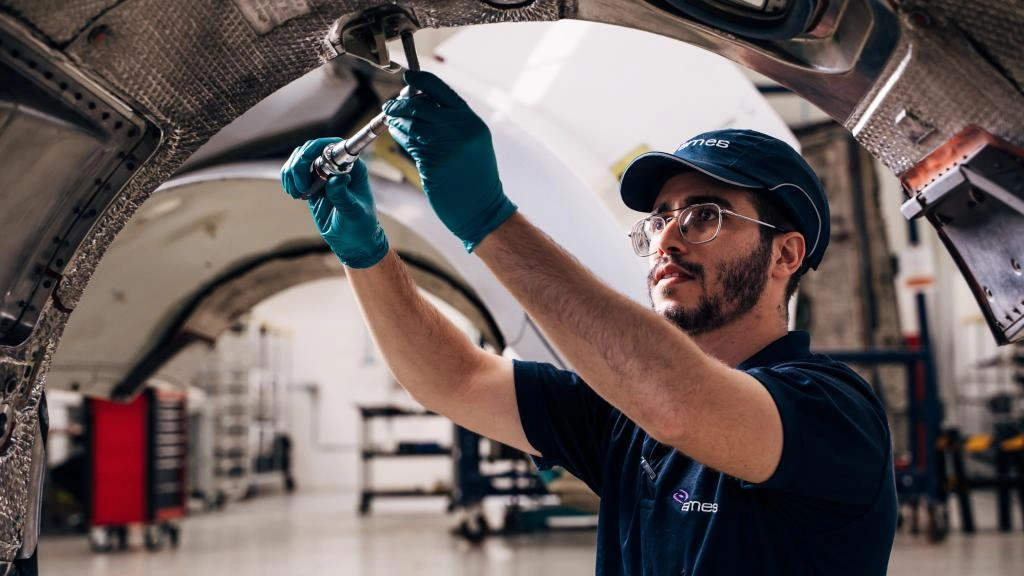
What Do Aircraft Engineers and Technicians Do?
These two jobs often get grouped, but they are not the same role.
Aircraft Engineer
An Aircraft Engineer is the person trusted to make final technical decisions after maintenance work has been completed. They inspect issues, verify repairs, review paperwork, and when satisfied, release the aircraft back into service.
That means their day may involve:
- Investigating defects reported by pilots
- Coordinating maintenance during short turnarounds
- Checking systems after repairs
- Supervising technicians during larger tasks
- Ensuring legal and safety compliance before departure
The pressure can be high because delays, cancellations, and safety all meet at this position.
Aircraft Technician
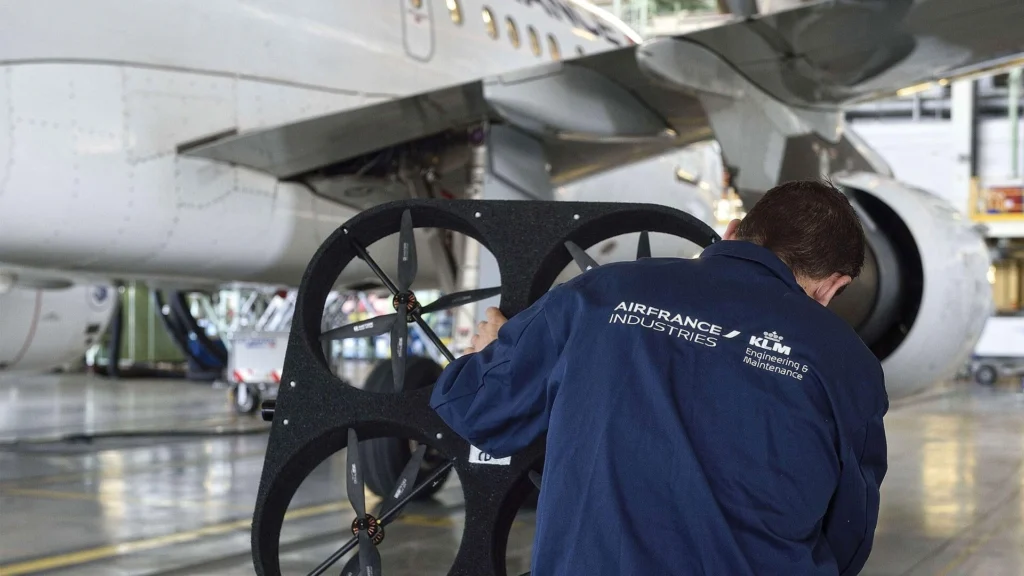
Technicians are more involved in the practical side of the job. They are the people changing components, opening panels, carrying out inspections, servicing systems, and physically completing much of the maintenance work.
Their work can include:
- Wheel and brake changes
- Cabin and system rectifications
- Fluid servicing and routine checks
- Structural or mechanical tasks
- Supporting engineers during troubleshooting
It is demanding work, often outdoors, sometimes overnight, and nearly always time-sensitive.
ALSO READ: Singapore Airlines Engineer and Technician Salary in 2026
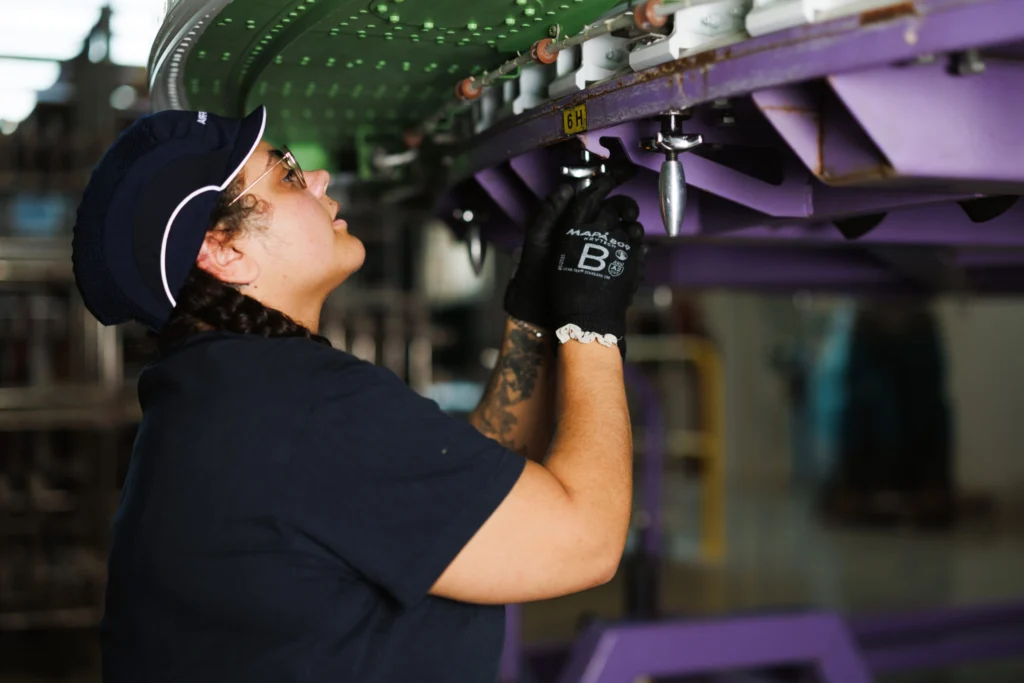
Requirements to Join Air France as an Engineer or Technician
Air France typically looks for technically trained applicants who can work safely in a highly regulated environment.
Basic Requirements
- Mechanical or aeronautical training background
- Ability to understand technical manuals
- Good teamwork and communication
- Shift flexibility
- Strong attention to detail
For Aircraft Engineers
To work in licensed engineer roles, candidates usually need:
- EASA Part-66 licence or recognised equivalent
- Relevant aircraft type training
- Maintenance experience on commercial aircraft
- Strong judgement under operational pressure
This role is about more than tools—it is about responsibility.
For Aircraft Technicians
Technician applicants are often expected to have:
- Vocational or technical maintenance training
- Practical mechanical skills
- Workshop or aviation experience preferred
- Willingness to continue training internally
Many technicians later work toward engineering licences.
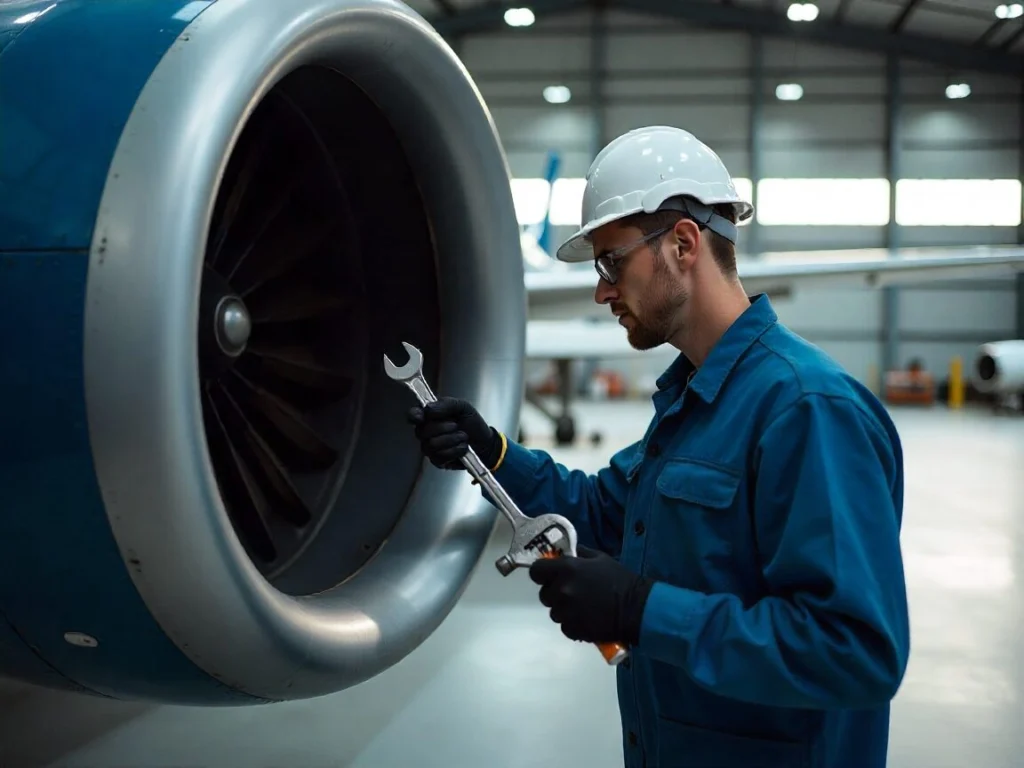
Air France Aircraft Engineer and Technician Salary in 2026
Now to the part most people actually care about – pay.
Air France salaries are usually better understood as steady European earnings with benefits, rather than dramatic, high-tax-free packages like some Gulf carriers. France has a different model: stronger worker protections, structured contracts, and gradual salary progression.
For Aircraft Engineers, someone early in their licensed career may earn around €3,200 to €4,000 per month gross. That would usually be a newer engineer, perhaps recently type-rated or still building operational seniority.
Once experience builds and the engineer becomes more established, earnings often move into the €4,300 to €5,500 monthly range. This is where many solid mid-career engineers sit, especially those regularly involved in line maintenance and aircraft release duties.
Senior engineers, long-serving certifying staff, shift coordinators, or those handling heavier responsibilities can move toward €5,800 to €7,000+ per month, particularly when shift premiums and overtime are included.
Across a full year, many Air France engineers would roughly land somewhere between €42,000 and €84,000, depending heavily on grade, schedule, and service length.
Technicians earn less, though still reasonably well by French industrial standards.
A junior technician may start around €2,000 to €2,500 per month gross, especially in early-career positions.
With several years of experience and broader capability, technicians often progress into the €2,700 to €3,400 monthly bracket.
More experienced technicians working complex schedules or specialist tasks can reach around €3,500 to €4,200 per month, with some earning more when allowances are added.
That places many technicians in a yearly zone of roughly €26,000 to €50,000.
The real gap comes from licence authority. Once you are the person signing aircraft back into service, the salary normally rises with that responsibility.
- Aircraft Engineers: roughly €42,000 to €84,000 per year
- Aircraft Technicians: roughly €26,000 to €50,000 per year
So for ambitious technicians, gaining a licence is often the most valuable move they can make.
ALSO READ:
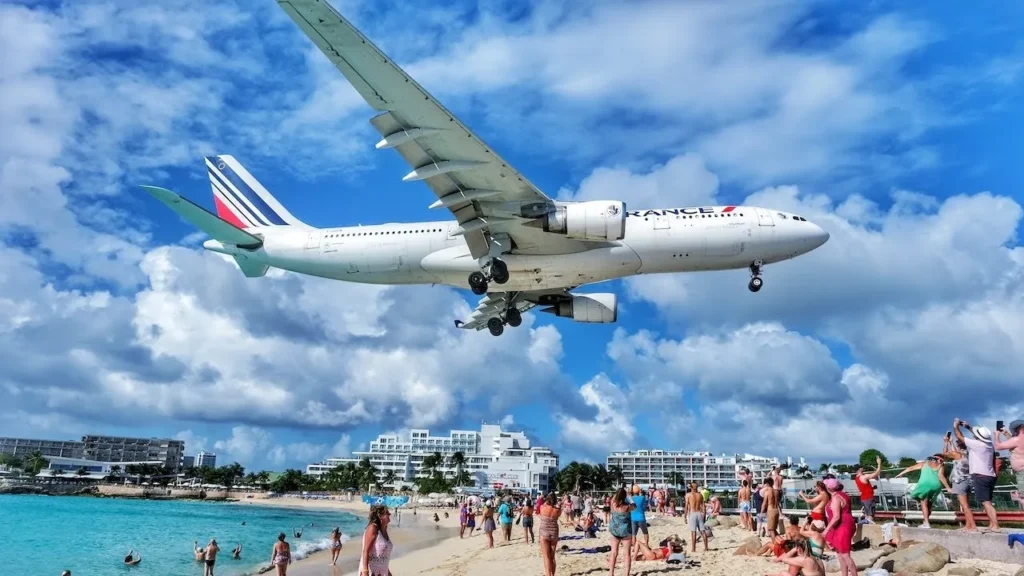
Benefits and Perks at Air France Engineering
What often keeps people in roles like these is not only salary.
Common advantages may include:
- Travel concessions on airline networks
- Paid leave protections common in Europe
- Pension and social contributions
- Training on modern fleets
- Career mobility within a major airline group
- Overtime or shift premiums, depending on roster
- Stronger long-term employment stability than some markets
For many workers, that overall package matters a lot.
Bottom Line
Working as an Aircraft Engineer or Technician at Air France in 2026 is less about chasing the highest salary in global aviation and more about building a dependable career with a respected carrier.
Engineers are paid noticeably more because they carry legal authority and operational pressure. Technicians earn less, but still have a pathway upward if they pursue licensing and additional qualifications.
If someone values fleet variety, European employment standards, and long-term progression, Air France remains a credible and attractive option.
Air France AMEs and Technicians Salary FAQs
Engineers hold certification authority to release aircraft to service, while technicians carry out maintenance tasks and support those operations.
Yes. Many do so by gaining licences, type training, and enough practical experience.
Usually licence level, aircraft type ratings, years of service, shift patterns, and whether the role includes certifying responsibility.
Stay tuned with us. Further, follow us on social media for the latest updates.
Join us on Telegram Group for the Latest Aviation Updates. Subsequently, follow us on Google News
