

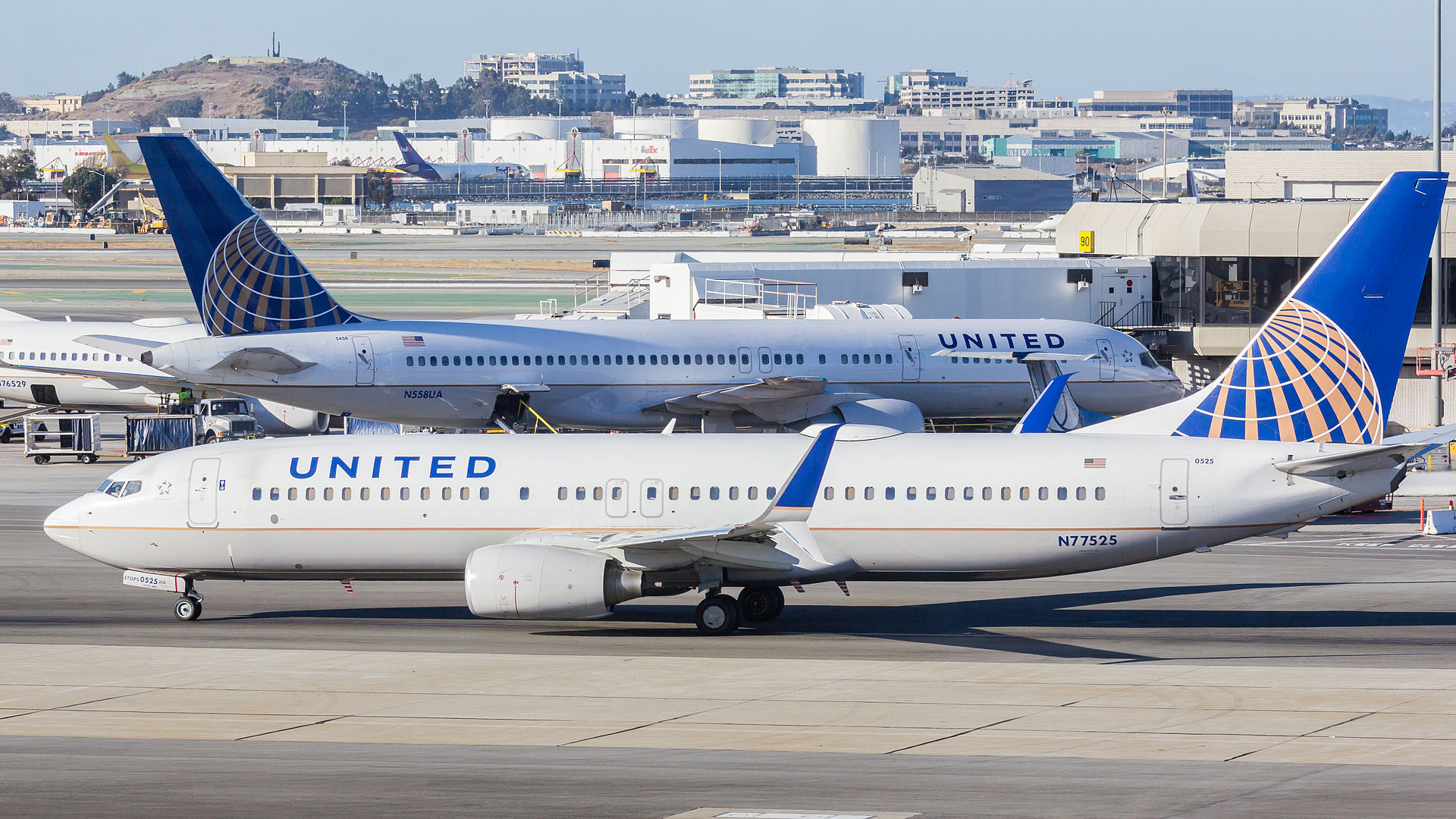
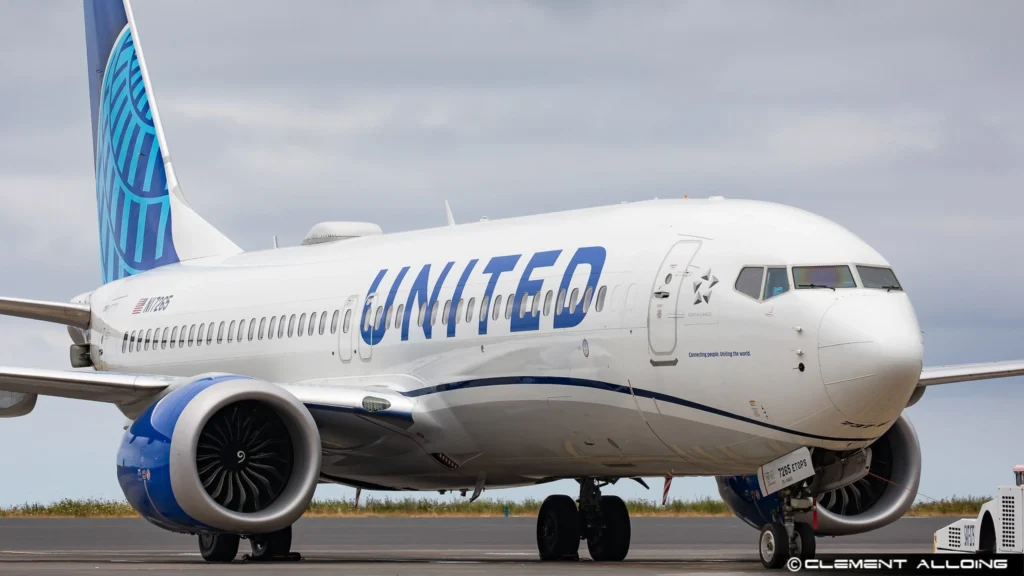
CHICAGO- United Airlines (UA) plans to retire at least 80 older, less fuel-efficient aircraft in 2027 as part of a fleetwide renewal and cabin refresh designed to cut costs, lift margins and speed up interior upgrades.
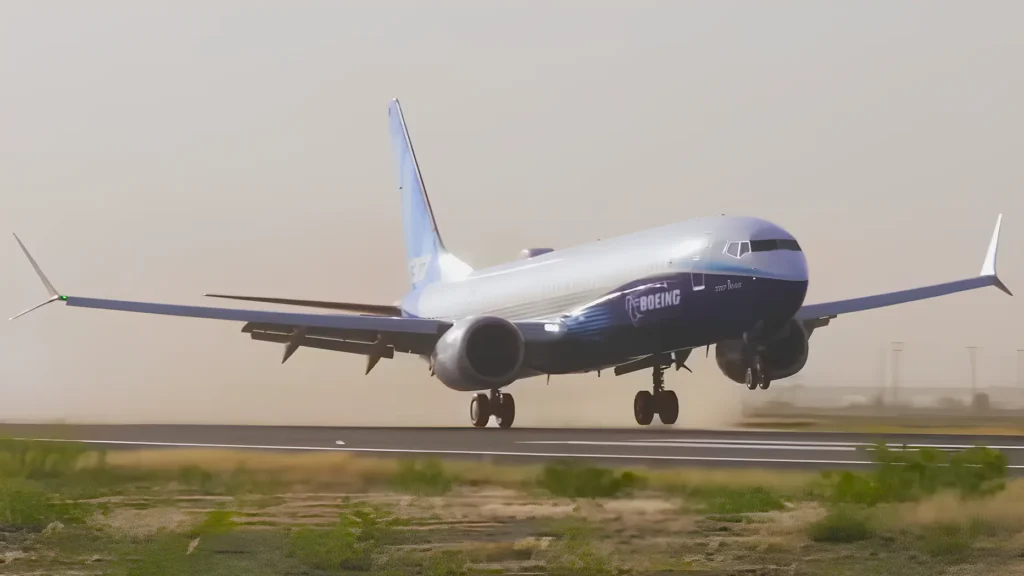
The carrier calls the figure a clear step up from recent years. United also expects its first Boeing 737 MAX 10 delivery in mid- to late 2027, with up to 20 arriving that year and another 147 on order.
Boeing has begun building the more fuel-efficient narrowbody on a new production line in Seattle (SEA) as it works toward US Federal Aviation Administration (FAA) certification.
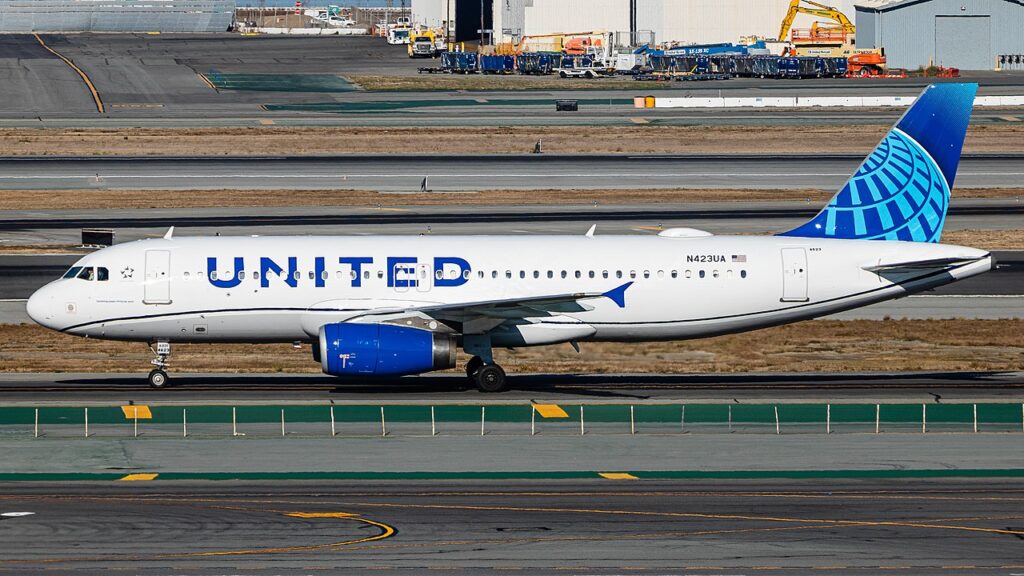
United Airlines 80+ Aircraft Retirement
The planned retirements mark a “step up” from previous years, chief financial officer Mike Leskinen said during United’s second-quarter earnings call on 16 July.
Removing older jets faster helps the airline balance capacity with demand and speeds up its plan to fit the entire fleet with upgraded interiors. Leskinen said the aircraft being retired are older, less fuel-efficient, and have older cabins.
New aircraft entering the fleet strengthen United’s “barbell approach,” which places newer, fuel-efficient jets on high-demand, profitable routes. Older aircraft with dated cabins and higher operating costs can be “sat down” and used only during peak periods.
“It maximises not only profits, but it maximises return on invested capital to have a larger amount of these younger, more fuel-efficient aircraft,” Leskinen said.
The retirements form part of a wider “upgauging” plan that replaces smaller jets with larger, higher-capacity aircraft.
United has said it will retire its smaller, lower-margin Airbus A319 and A320 aircraft by 2030, as its A321neo fleet, which seats up to 200 passengers, reaches critical mass. The carrier is also expanding premium Airbus A321 flying, including the A321XLR, later this year and into 2027.
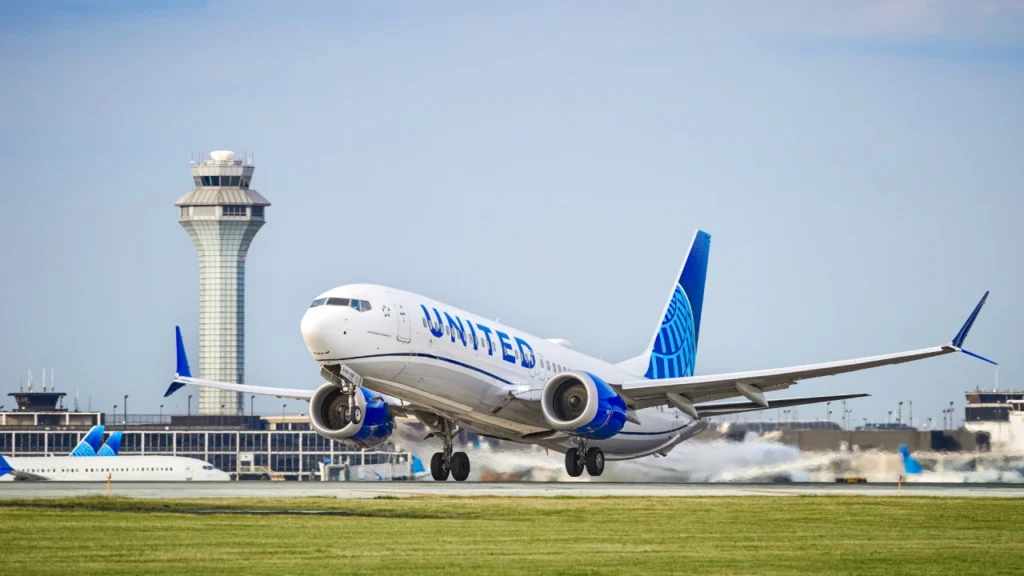
Boeing 737 MAX 10 Set for United’s Top Routes
The more fuel-efficient MAX 10 will carry a large number of premium seats and operate United’s most important routes, the carrier said.
Chief commercial officer Andrew Nocella said the MAX 10 will have more premium seats than the aircraft it replaces and “best-in-class CASM,” a reference to lower cost per available seat mile. Nocella also described the model as “superior in every way.”
Boeing confirmed earlier in July that it had started producing MAX 10s on a new factory line in Seattle as the manufacturer works toward FAA certification for the narrowbody, according to Flight Global.
Certification of the MAX 10 has faced repeated delays, and United has previously converted part of its MAX 10 order to the smaller MAX 9 to manage shifting delivery timelines.
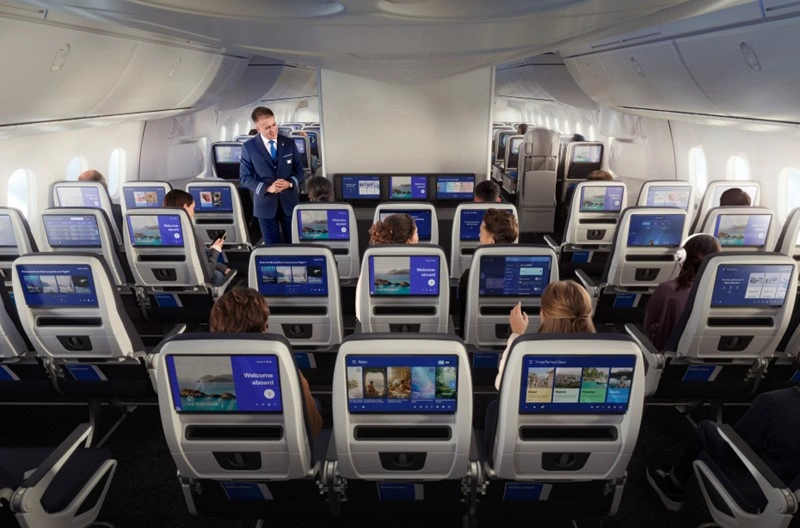
Cabin Upgrades Across the Fleet
United reaffirmed its plan to install SpaceX’s Starlink satellite Wi-Fi on 1,000 aircraft by the end of the year. Starlink is now installed on 450 aircraft, including United’s first widebody installation.
“As fast as Starlink can produce the antennas for us, we’re going to get them on the airplane,” chief executive Scott Kirby said.
He added that faster connectivity for premium customers should drive “big share gains” for the airline. United said it remains on track to bring Starlink to its whole fleet by the end of 2027.
Additional refresh work is also under way, including more premium seats, upgraded seatback entertainment screens and larger overhead bins. United said these changes should support higher margins across the fleet.
Strong Quarter Despite a Rising Fuel Bill
The fleet plan was announced alongside strong second-quarter results. United reported total operating revenue of $17.7 billion, up 16% year-over-year, with net income of $805 million and adjusted earnings of $1.99 per share, near the top of its guidance.
The figures beat Wall Street expectations, though the stock fell in after-hours trading on concerns over rising fuel costs.
United raised its full-year 2026 adjusted earnings guidance to between $9.00 and $11.00 per share, despite a nearly $6 billion increase in anticipated fuel costs.
The airline spent $5.1 billion on aircraft fuel during the quarter, an 84% increase over the prior year. Growth was broad-based, with premium revenue up 16%, Basic Economy and loyalty each up 11%, and cargo up 23%.
Margin Goals Depend on Industry Shifts
Kirby said reaching United’s target margins in the “mid-teens” will require “more structural changes in the industry.”
He noted that some competitors will lose money this year because of sharply higher fuel costs.
“They have an awful lot of flying that loses money on an individual route basis. One way or another, that gets resolved over time,” Kirby said.
Stay tuned with us. Further, follow us on social media for the latest updates.
Join us on Telegram Group for the Latest Aviation Updates. Subsequently, follow us on Google News
