

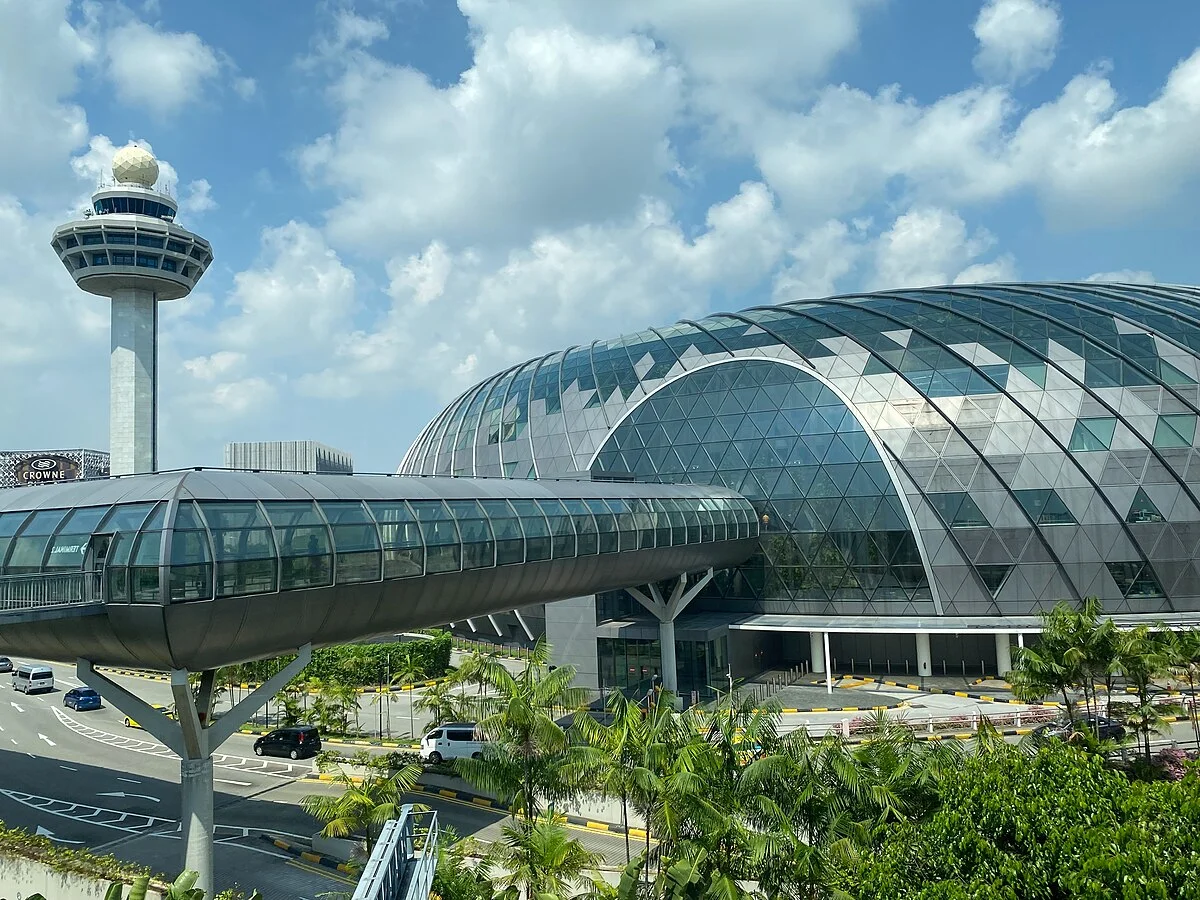
SINGAPORE- Changi Airport (SIN) will expand its direct flight network over the next decade as it prepares for Terminal 5 (T5), targeting underserved cities including Banda Aceh (BTJ), Hai Phong (HPH), Almaty (ALA) and Tashkent (TAS).
Changi Airport Group (CAG) also plans to raise frequencies to Nadi (NAN), Paro (PBH) and Noumea (NOU), while Ethiopian Airlines (ET) and Turkish Airlines (TK) proved vital during the Middle East airspace closure.
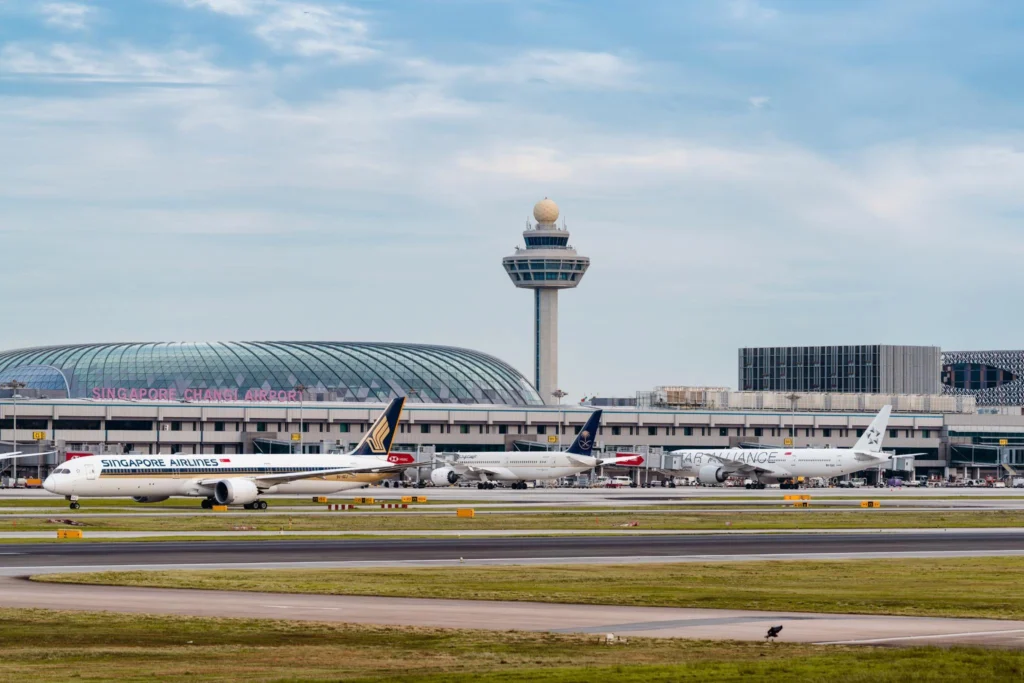
Filling the “White Spots” on Changi’s Route Map
Lim Ching Kiat, executive vice-president for air hub and cargo development at CAG, said during a media interview on July 13 that most of the new routes will lie within the Asia-Pacific. The region is expected to account for the bulk of passenger traffic over the next decade.
Lim described the target cities as “white spots” with little air connectivity to Singapore. He said these cities could generate strong demand for leisure travel, business travel or both, particularly if they are provincial capitals with sizeable populations that hold significant spending power.
The list of potential destinations includes Banda Aceh and Banjarmasin (BDJ) in Indonesia, Hai Phong and Da Lat (DLI) in Vietnam, Almaty in Kazakhstan and Tashkent in Uzbekistan. Urumqi (URC) and Hohhot (HET) in China, along with Lucknow (LKO) and Jaipur (JAI) in India, are also among the possible new connections.
At present, 85 per cent of flights operating at Changi Airport serve destinations in the Asia-Pacific. Lim identified Central and Eastern Europe as regions where the airport needs to “plant seeds” and “cultivate relationships”, noting that there are currently no direct flights between Singapore and many destinations across the two regions.
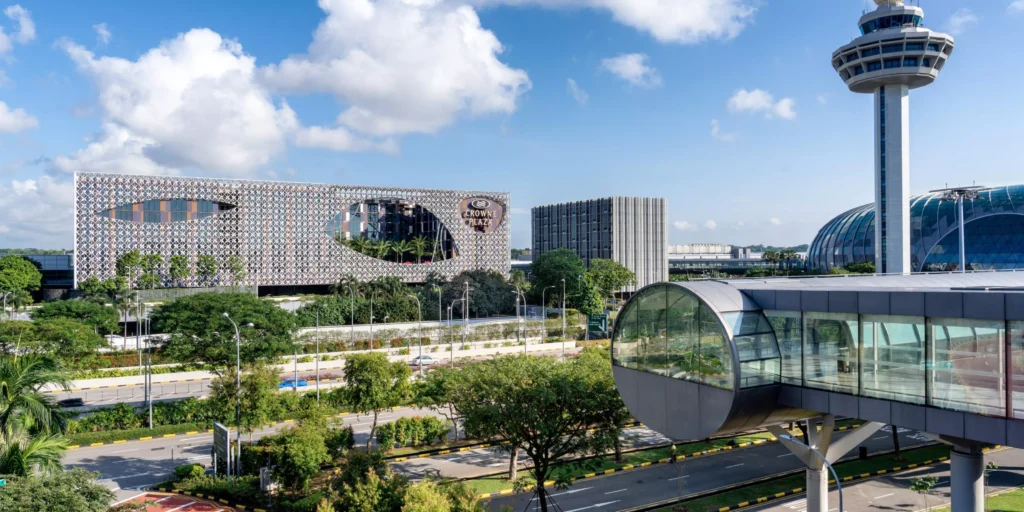
Building Frequencies on Thin Routes
Beyond opening new routes, CAG wants to increase flight frequencies to existing destinations.
Nadi in Fiji is currently served by 2 flights in each direction every week. Paro in Bhutan receives three flights each way every week. Noumea in New Caledonia is served by two to three flights in each direction every week.
Lim said the airport hopes to increase these frequencies gradually to daily services as a form of “steady equilibrium”, so that travellers can enjoy greater convenience.
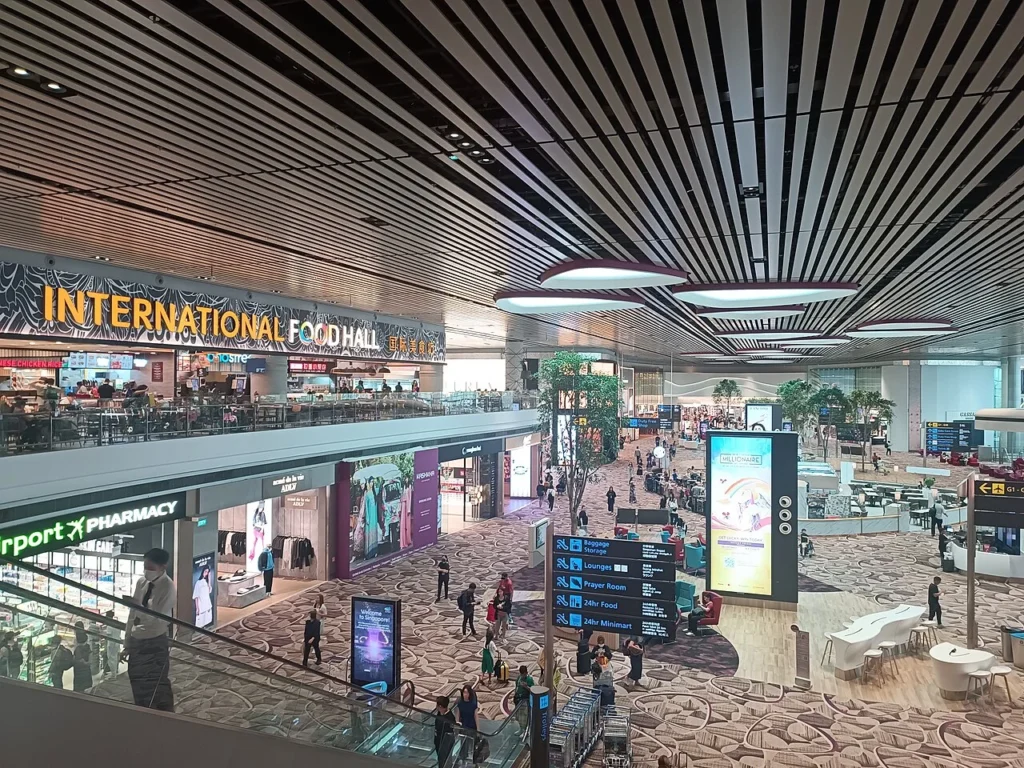
Passenger Growth Slows
Changi Airport handled 17.6 million passengers in the first three months of 2026, a 2.3 per cent increase from the same period in 2025, even as travel between Singapore and the Middle East declined due to the Iran war.
According to The Straits Times, the airport handled 5.73 million passengers in April, a 0.9 per cent decrease from the same month in 2025. May traffic fell to 5.68 million passengers, down 2.4 per cent year on year.
Lim said passenger traffic growth was “more muted” between April and June, following the outbreak of the Middle East conflict on Feb 28. He said it is “too early to tell how things will pan out” for the rest of the year, but added that the airport will work hard towards achieving stronger growth in passenger traffic than in 2025.
Working With Airlines on Rising Fuel Costs
Fuel prices around the world have spiked since the outbreak of the Iran war, amid disruptions to shipping through the Strait of Hormuz, a key route for global oil and gas supplies.
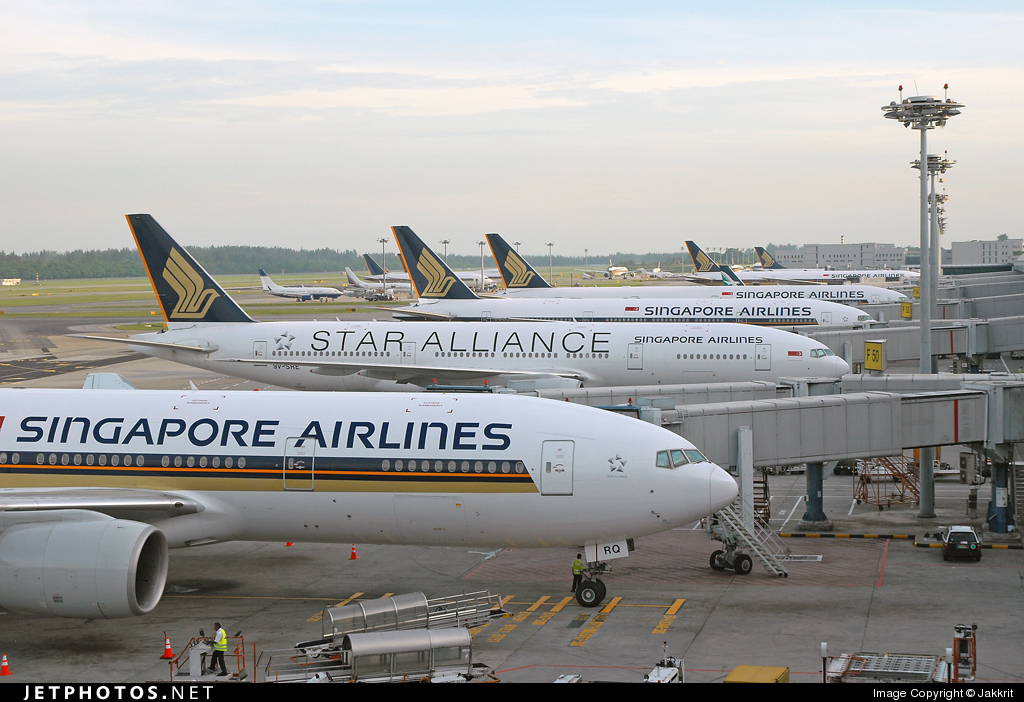
Lim said it is difficult for airports or governments to cover the higher costs of fuel. Instead, Changi Airport is working with airlines to reduce other operating costs, such as by shortening aircraft turnaround time.
He added that the airport also supports airlines in securing suitable slot timings for flights and in marketing new flights together.
Diversification Lessons From the Airspace Closure
Recounting lessons from the Middle East conflict, Lim said Changi Airport has realised the importance of diversifying 3 things: its traffic sources, its traffic flows and its airline partnerships across different regions.
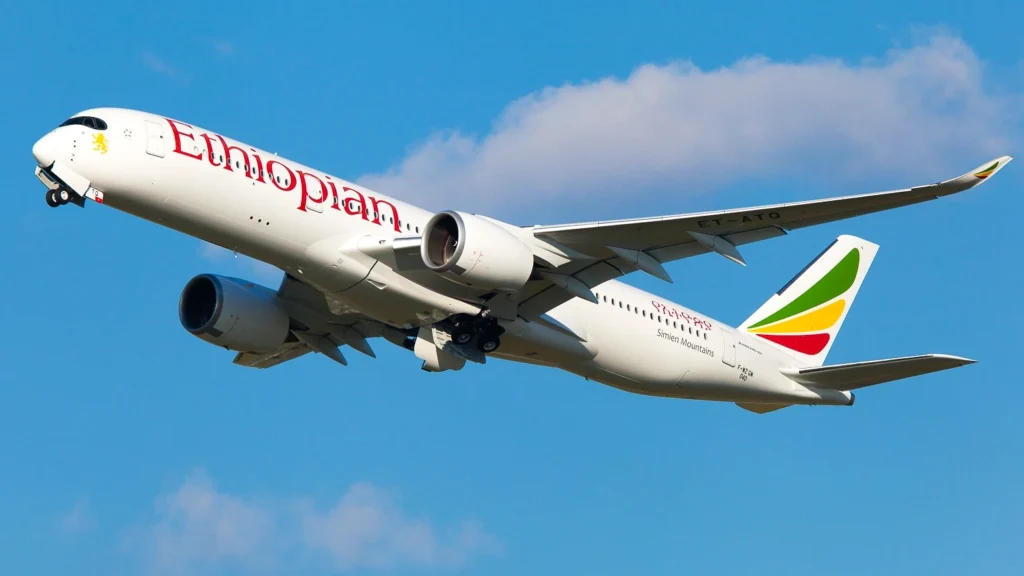
Ethiopian Airlines flights between Singapore and Europe via Addis Ababa (ADD), and Turkish Airlines flights from the city-state to Europe via Istanbul (IST), provided alternative routes when airspace in the Middle East was closed.
From March to June, airlines launched more than 500 additional flights between Singapore and cities such as London, Munich (MUC), Paris, Perth (PER) and Sydney (SYD).
These services filled the void left by the cancellation of Middle Eastern carriers’ flights between Asia and Europe. Lim noted that the flight disruptions have since tapered down to a lower level.

Terminal 5 and the Long-Haul Horizon
The new T5 will be completed in the mid-2030s, allowing Changi Airport to serve 140 million passengers yearly. That figure is more than 55 per cent above its present capacity of 90 million. Together with the wider Changi East development, T5 will nearly double the airport’s size.
Looking beyond the mid-2030s, Lim said that with more economic centres being developed in Africa, there will be a need for more flight connections with the continent at a later stage.
He cited Riyadh (RUH) in Saudi Arabia as an example of how fast-growing destinations can become important markets.
The Saudi capital has seen strong demand for air travel among business, religious and leisure travellers, and Changi Airport has been in discussions with several airlines to establish more connections to the city.
In the longer term, as ultra-long-haul flight technologies improve beyond the 10-year timeframe, Lim believes Changi Airport should prioritise direct flights to more cities in the United States, including Boston (BOS) and Chicago, as well as Toronto in Canada. Following that, the airport can look into non-stop flight connections to cities in South America.

Longer Layovers Reshape the Transit Experience
Layovers at Changi have become longer, with more than 50 per cent of transit passengers stopping over for at least three hours. Lim attributed the trend to the maturing of travel patterns, as more passengers head to secondary and emerging cities that are served by less frequent flights.
The airport has increased the number of its free city tours to seven each day for travellers with at least 5½ hours of layover time.
New destinations have been added to the tours, including Sentosa, the Singapore River and Marina Bay. More than 230,000 transit passengers have signed up since the tours resumed in April 2023 after the Covid-19 pandemic.
Lim said that establishing a city link marks the start of a new phase, rather than the end of the work. “It is only the beginning of another milestone,” he said. “It’s like a garden. You’re always not satisfied. You always want to make sure your plants grow very healthily.”
Analyst Sees South-East Asia Moving First
Mayur Patel, the commercial and industry affairs leader for Asia-Pacific at aviation data consultancy OAG Aviation, believes the connections to South-east Asian cities will materialise more quickly.
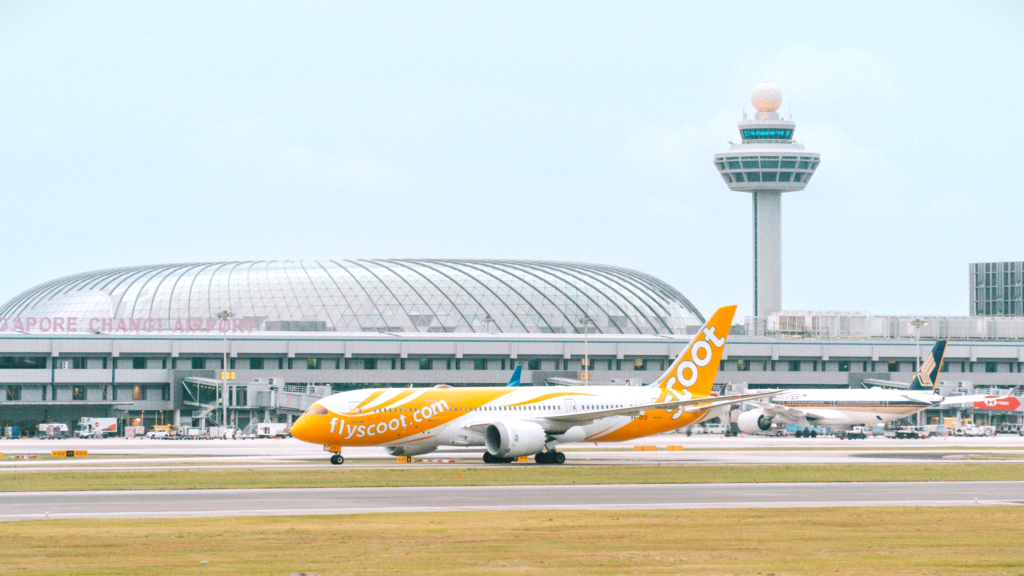
These short- to medium-haul journeys can be operated by narrow-body jets and low-cost carriers, so airlines such as Scoot (TR), AirAsia (AK) and Vietjet (VJ) may express interest in running the routes.
Patel said flights to Lucknow and Jaipur are also likely to be launched in the near term, given the growing appetite of Indian carriers.
He estimates that the flights to Hai Phong, Da Lat, Lucknow and Jaipur could materialise within the next 1 to 2 years, while those to Banda Aceh and Banjarmasin may take two to three years.
Routes to Central Asia “present a more complex picture”, he said, as airlines may prefer tried-and-tested routes over investing in new markets amid current aircraft supply shortages.
Patel said routes to Almaty and Tashkent are likely to take longer to launch because they depend on fleet deployment decisions and bilateral air services agreements.
Urumqi and Hohhot are geographically challenging and would likely require Chinese airlines to operate them. Their launch therefore depends on slot availability in both China and Singapore, as well as on airline scheduling priorities.
Stay tuned with us. Further, follow us on social media for the latest updates.
Join us on Telegram Group for the Latest Aviation Updates. Subsequently, follow us on Google News
