

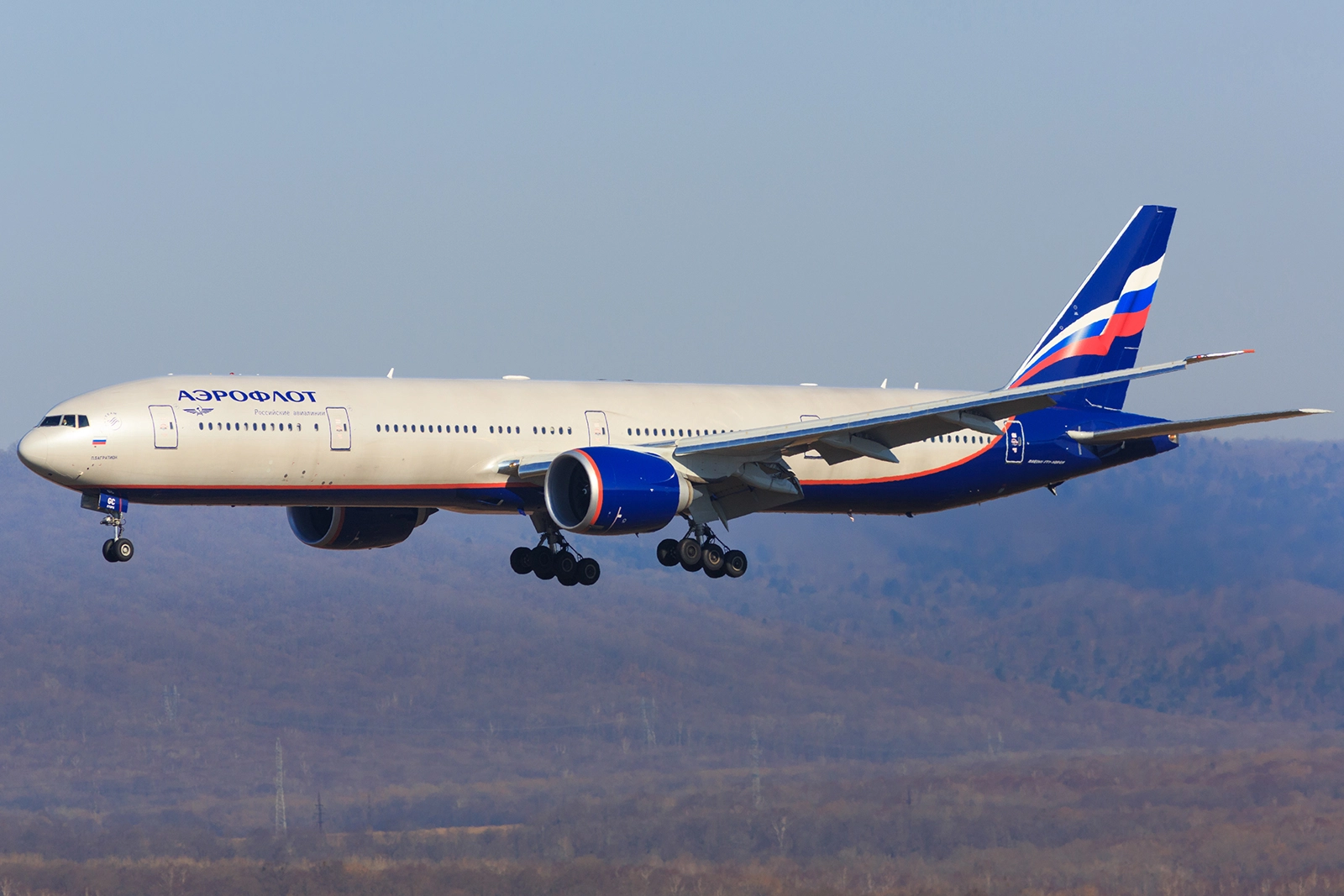
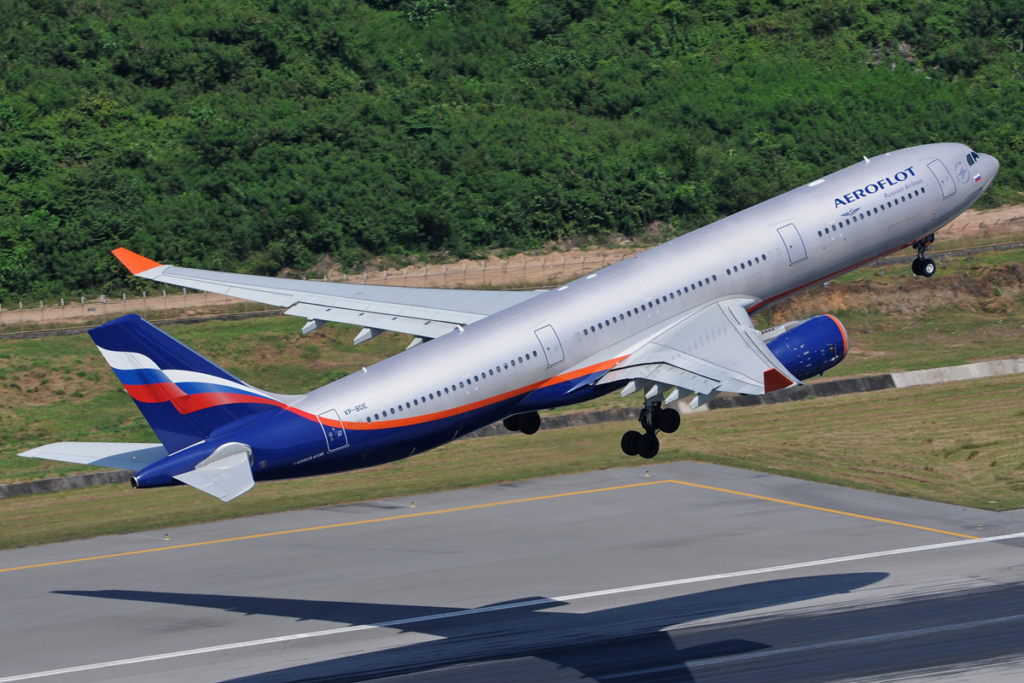
MOSCOW- Russian military intelligence has used Japan as a channel to buy and export high technology needed for weapons production in the war against Ukraine, according to a New York Times report published on July 12. The operation is run by an officer working undercover as an Aeroflot (SU) employee in Tokyo.
The officer, 49-year-old Maxim Vladimirovich Filchenkov, arrived in Tokyo in February 2024 and built ties with logistics firms that move cargo toward Russia through Colombo (CMB) and Tashkent (TAS), where shipments can be transferred onto Aeroflot (SU) aircraft bound for Moscow (MOW).
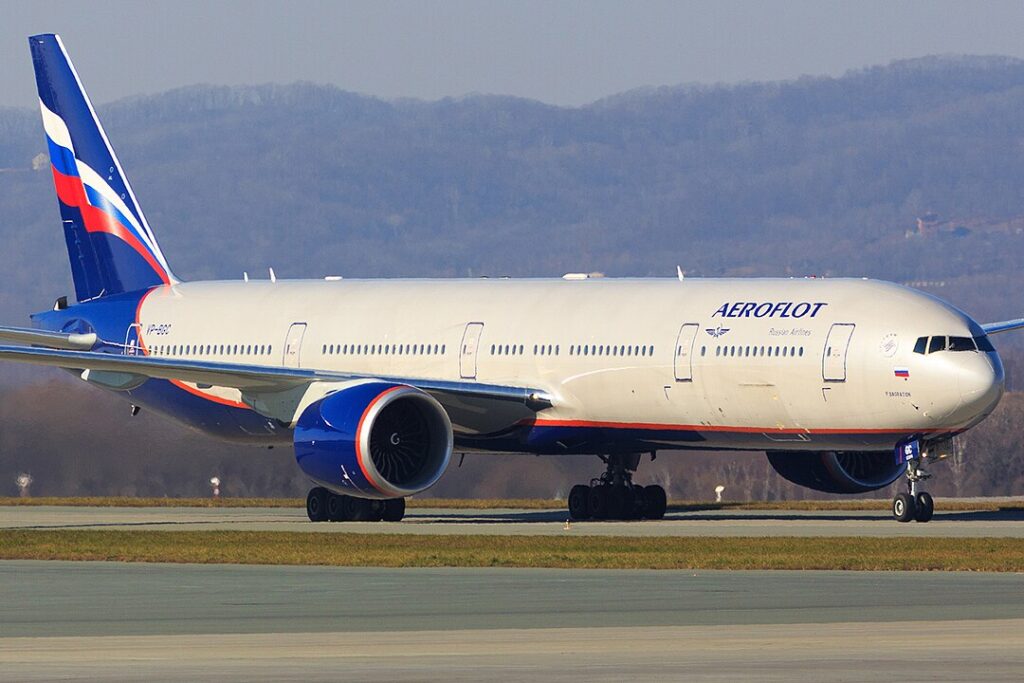
Airline Job as Cover for a GRU Officer
The New York Times based its report on current and former officials from five Western intelligence agencies. At the center of the effort sits the classified 20th Directorate of Russia’s Main Intelligence Directorate (GRU), whose officers work under cover as diplomats and as staff of Russian companies.
Western intelligence officials say Filchenkov’s role at the airline is a front. His actual task is sourcing military equipment and arranging its delivery to Russia.
The Insider confirmed that Filchenkov is a GRU officer. He was previously registered at 4 Marshala Biryuzova Street, the address of a dormitory for students of the GRU’s Military Diplomatic Academy.
His residential address matches that of Anatoly Chepiga, also known as Boshirov, one of the GRU officers who traveled to Salisbury, England in 2018 during the Kremlin operation to poison Sergei Skripal. Parking records for Filchenkov’s car show he regularly visits GRU headquarters on Khoroshevskoye Highway in Moscow.
The New York Times notes that the use of Aeroflot positions as cover for acquiring Western technology dates back to the Soviet era. Filchenkov’s posting came at a moment of acute need. The war in Ukraine had turned increasingly into a contest of unmanned systems, and Western sanctions had left the Russian military industrial complex unable to buy critical machine tools.
Cargo Routes Built Around Permitted Goods
Filchenkov began approaching logistics companies that carry cargo from Japan to Russia, according to the newspaper’s sources. Through these contacts, GRU officers can obtain sensitive technologies under false pretexts and then export them through third countries, in some cases with forged shipping documents.
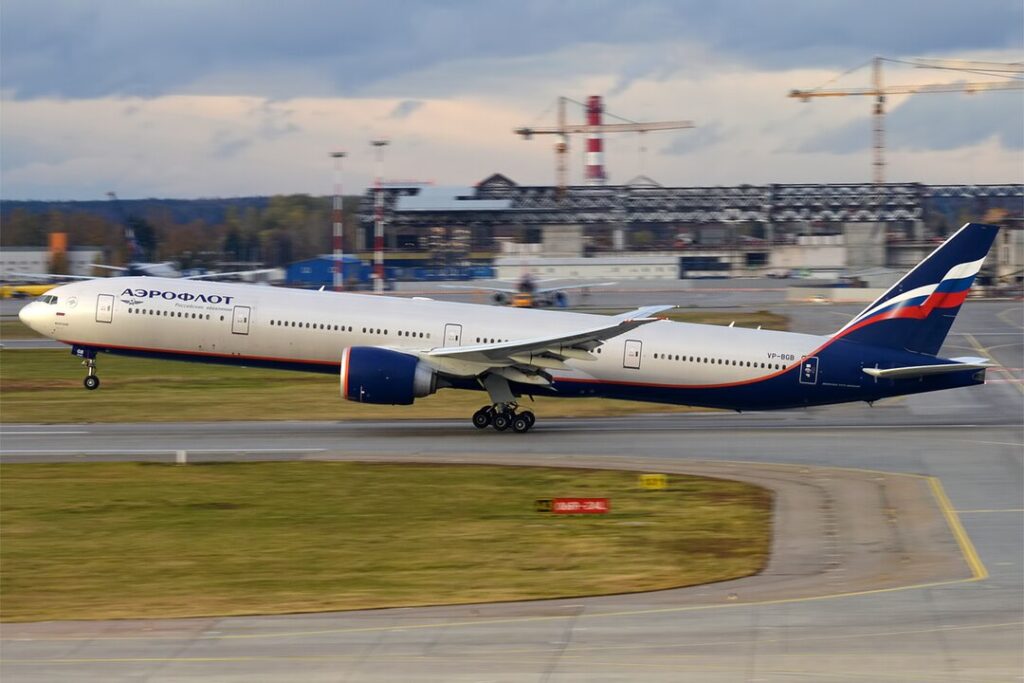
One Aeroflot partner in Japan is Proco Air, a company that describes itself as a bridge between Japan and Russia. It charters space on cargo flights to countries that Aeroflot still serves, including Sri Lanka and Uzbekistan. Goods can then be moved onto Aeroflot aircraft and flown into Russia.
The route itself breaks no law, because many categories of goods remain legal to send to Russia. Western intelligence officials, however, say these logistics chains are essential to the work of the GRU’s 20th Directorate.
Proco Air owner Takehiko Miki told the New York Times that he met Filchenkov around 2018, but that the two only began working closely after the Russian returned to Tokyo in 2024. Two people with knowledge of the matter said Miki later asked a Chinese partner, introduced to him by Filchenkov, to help ship goods that are barred from delivery to Russia.
Miki denies knowing about Filchenkov’s intelligence links and denies attempting to move prohibited items. He says Proco Air sends only permitted goods to Russia, mainly medical equipment and cosmetics.
To support his account, Miki showed reporters an air waybill for medical equipment shipped through Sri Lanka. He tried to black out the names of the companies involved, but journalists identified the recipient as the Moscow pharmaceutical firm R-Pharm.
R-Pharm is not under sanctions. Its founder, Alexei Repik, appears on the sanctions lists of the United Kingdom, Australia, and Canada because of his ties to Vladimir Putin. Japan has not joined those measures against Repik, and Proco Air has not been charged with any violation.

Why Japan Became a Target
International freight data cited by the New York Times shows Japan is the world’s largest exporter of the kind of sensitive dual use technologies Russian authorities want. The main destination for those Japanese goods is Vietnam, which is also the largest supplier of sensitive technologies to Russia.
Weak espionage legislation combined with an advanced high technology industry has made Japan a valuable hub for Russian operations.
Japan has no separate foreign intelligence service, and the limits placed on its intelligence gathering are tied largely to the country’s postwar constitutional structure.
Japanese Components Found in Russian Weapons
Ukrainian authorities estimate that Japanese components appear in 90 percent of Russian missiles and drones. In May, after a Russian strike on a residential building in Kyiv killed at least 24 people, Ukrainian investigators found Japanese parts in the guidance system of the Kh-101 cruise missile responsible for the damage.
Kyiv has warned Tokyo repeatedly about the presence of Japanese made electronics in Russian weapons. In April 2025 alone, Ukraine sent at least eight diplomatic notes to Japan’s Foreign Ministry containing photographs and lists of components recovered from strike sites. Another eight notes followed over the course of the year.
Manufacturers of the recovered parts include Nippon Electric Corporation, Panasonic, and Toshiba. There is no evidence that any of them knowingly sold products to Russia.
The companies said they follow sanctions and export restrictions. Nippon added that the components identified were made long ago and had not been sold for several years.
Response from Tokyo
Japan’s Ministry of Economy, Trade and Industry says it has warned companies about sanctions evasion and has blacklisted dozens of foreign organizations suspected of helping Russia. Japan’s Foreign Ministry said Tokyo, alongside its Western allies, has banned the export of military-use goods to Russia.
Japanese authorities have taken no public action against Filchenkov so far. New York Times journalists visited the Tokyo office of Aeroflot three times and also tried to reach him by email and on Telegram. Filchenkov declined to comment.
Stay tuned with us. Further, follow us on social media for the latest updates.
Join us on Telegram Group for the Latest Aviation Updates. Subsequently, follow us on Google News
