


FORT WORTH- United Airlines (UA) CEO Scott Kirby has a long history with American Airlines (AA), including a senior role after the 2013 US Airways-American merger and a failed 2026 attempt to discuss a combination of the 2 carriers.
His latest comments about Miami International Airport (MIA) offer another way to challenge American without a merger.
Kirby said he would like United to have 40 to 50 gates at MIA because he sees Miami as the natural US gateway for a larger South American network.
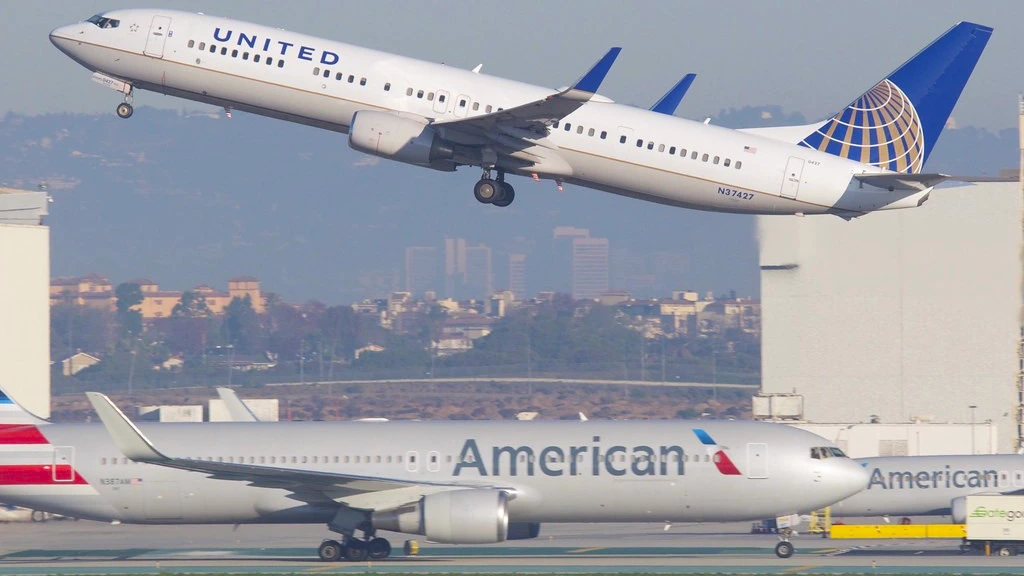
American, which operates more than 380 peak daily flights from MIA and accounts for more than 60% of the airport’s traffic, would be the clear target of such an expansion.
Miami Could Become United’s Biggest Challenge to American
Scott Kirby’s connection to American began before he became one of United’s most prominent executives. He worked at American Airlines Decision Technologies, later joined America West and became president of US Airways.
After US Airways merged with American in 2013, Kirby became president of the combined airline under CEO Doug Parker.
He left American in August 2016 and joined United as president soon afterward. He became United’s CEO in 2020. His previous role at American gave him direct experience with its planning, pricing, marketing and operating structure.
That history became relevant again in 2026. Kirby raised the possibility of combining United and American during a February meeting with President Donald Trump and later approached American. American rejected the idea, and United ended its pursuit after the rebuff.
Reporting from Live and Let’s Fly also covered Kirby’s renewed interest in an American-United combination and the competitive implications surrounding the proposal.
With a direct deal rejected, competition becomes the more practical path. Miami is important because it gives United an opportunity to strengthen a part of its international network where American has a substantial advantage.
Why Miami Fits United’s Network
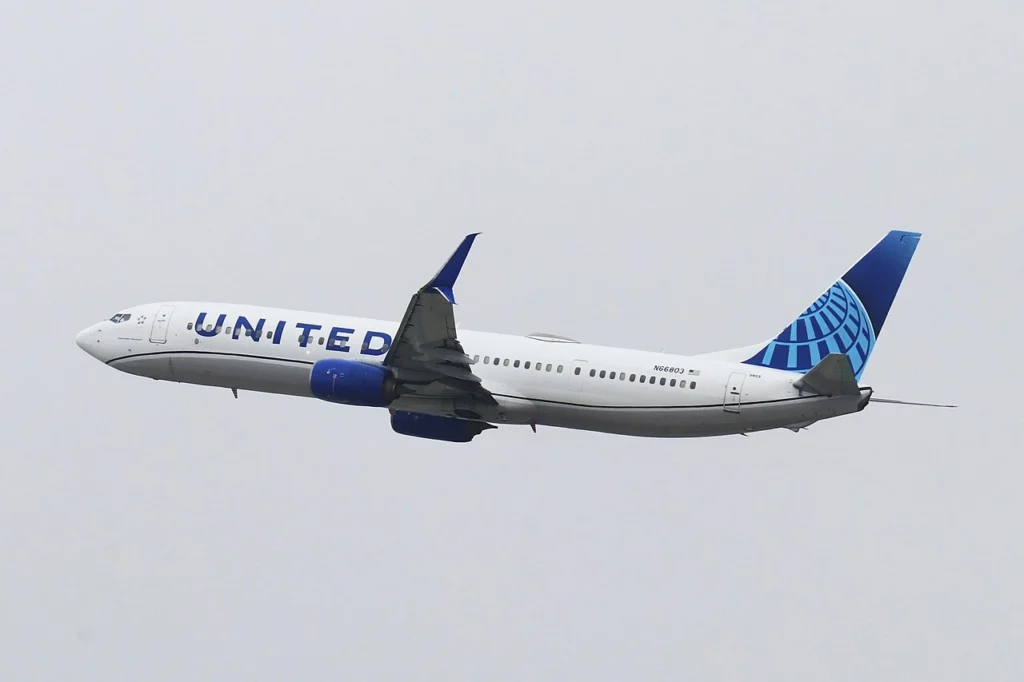
Kirby has described United as relatively small in South America and said Miami is the one US hub that would make the most sense for a major expansion there. His target of 40 to 50 gates is therefore tied to a broader network strategy, not simply to adding more Miami flights.
United already has major hubs at Chicago O’Hare (ORD), Denver (DEN), Houston Intercontinental (IAH), Newark (EWR), Washington Dulles (IAD), Los Angeles (LAX) and San Francisco (SFO). Miami would strengthen its southeastern US footprint while giving it a larger base for Latin America.
The geography complements United’s existing network. Houston already serves as an important Latin American hub, while United’s partnerships extend its reach through Panama with Copa Airlines and through other international partners. Miami would add a stronger Southeast gateway to that structure.
The original analysis can also be viewed as a four-corner network strategy. United has the Northeast covered through Newark and Washington Dulles, the West Coast through Los Angeles and San Francisco, the South through Houston, and the Midwest through Chicago and Denver. Miami would fill a major geographic gap.
American’s Miami Fortress Is Main Barrier
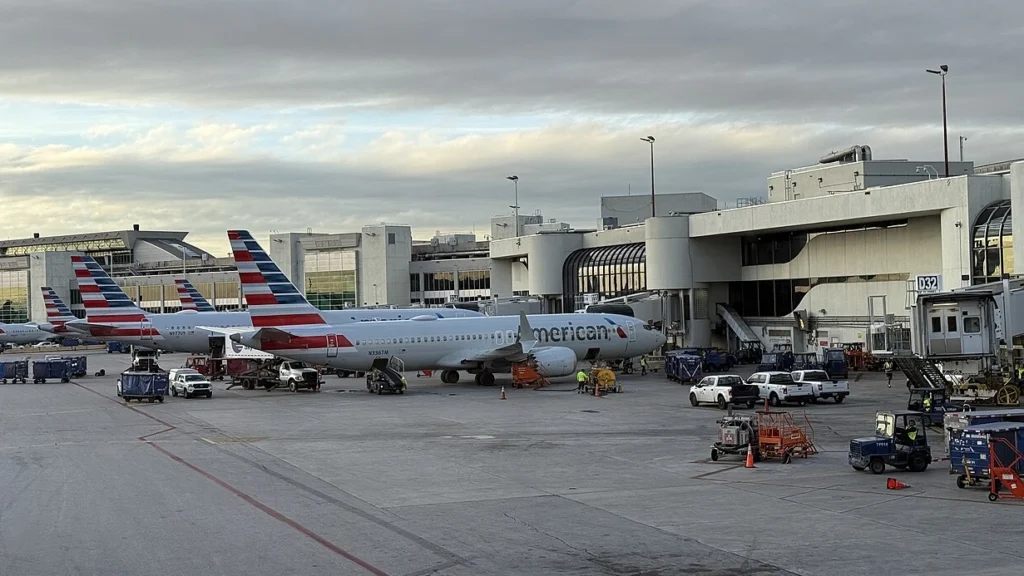
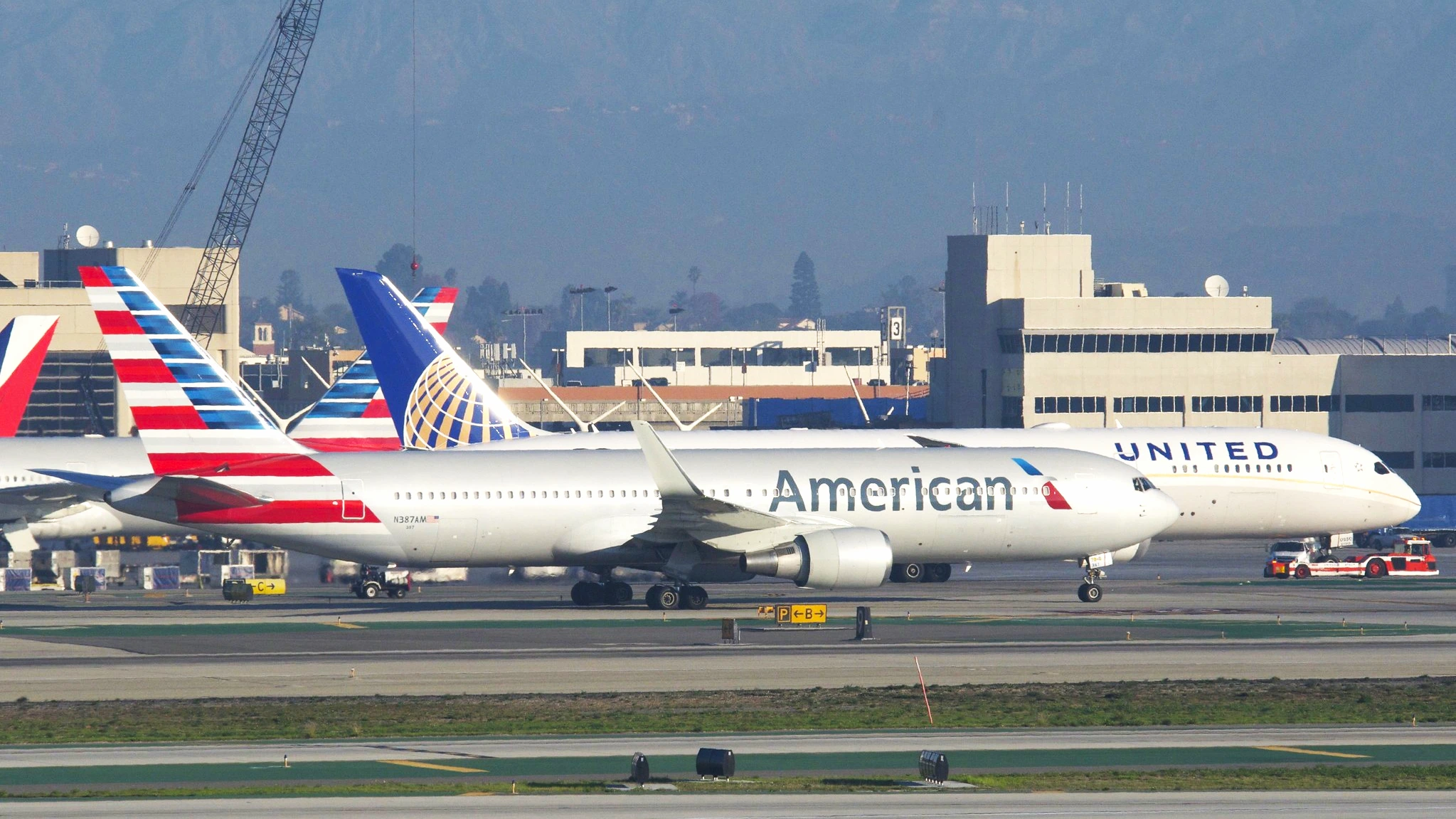
American’s position at MIA makes a large United operation difficult.
American says it will operate more than 380 peak daily flights from Miami to 155 destinations across 45 countries and that it accounts for more than 60% of traffic at the airport. The airline also describes MIA as its international gateway to Latin America and the Caribbean.
A 40 to 50 gate United operation would therefore be a major competitive move. It would require sufficient airport capacity, aircraft, crews and schedule density to support a true connecting operation.
Kirby has acknowledged the central problem: American controls the position United would need, and a large transfer of gates is unlikely.
That makes Miami more difficult than simply launching a set of new routes. United would need enough scale to create meaningful connections while competing against an established American network.
American’s Financial Pressure
American’s financial results make the competitive argument more credible, although they do not indicate that the airline is close to collapse.
American reported $16.735 billion in second-quarter 2026 revenue and $71 million in GAAP net income. For the first six months, it reported $30.6 billion in revenue and a $311 million net loss.
The company’s debt burden adds to the pressure. American reported about $28.6 billion in long-term debt, including current maturities, at June 30, 2026. First-half net interest expense reached $807 million, compared with $405 million in operating income.
American has also continued to refinance and repay debt, so the balance sheet should not be described simply as distressed. The more relevant issue is that high interest costs and weak profitability can reduce the room available for an extended competitive fight.
United Has More Financial Capacity
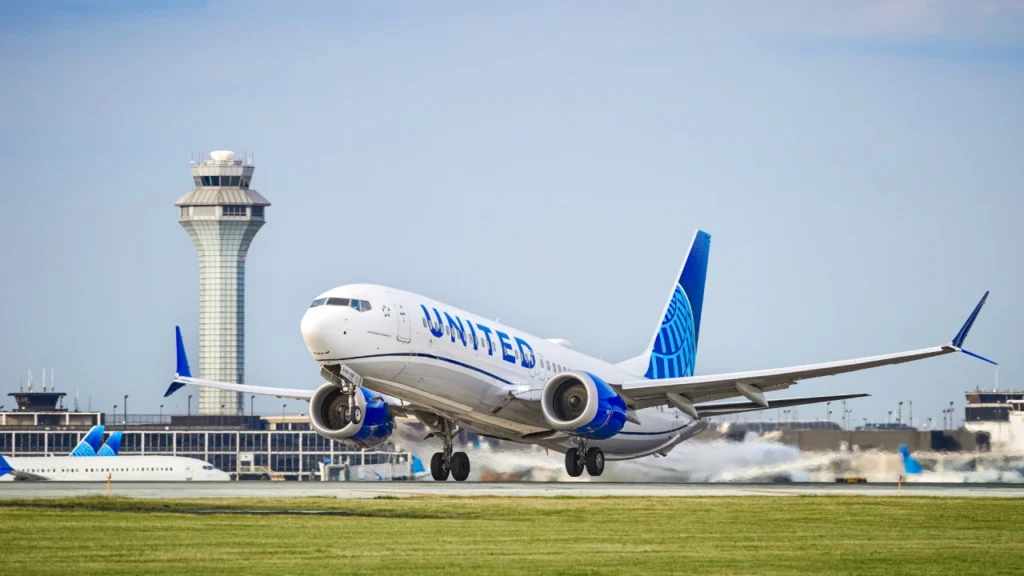
United’s financial position gives Kirby greater flexibility to invest in a competitive campaign.
United reported $805 million in second-quarter 2026 net income and $1.504 billion for the first six months. It also ended the second quarter with $19.6 billion in available liquidity.
United is also expanding its fleet. Its United Next plan calls for hundreds of additional mainline aircraft, creating more capacity that could support new routes and additional frequencies over time.
That does not make a prolonged fare war risk-free. United would still need to spend on aircraft, labor, facilities and marketing, while lower fares could reduce its own returns.
Best Targets Would Be Short-Haul
United would not need to copy American’s entire Miami network.
American’s Miami operation includes major service to South America, Europe, the Caribbean and other international markets. The original analysis points to cities such as Santiago, Buenos Aires, São Paulo and Rio de Janeiro, as well as London, Madrid and Barcelona.
Some of those markets would be difficult to attack directly. American’s relationship with British Airways strengthens London, while its relationships involving Iberia and LEVEL make Spain more difficult.
United already has extensive European connectivity through its own hubs and Star Alliance partners such as Lufthansa and SWISS.
The more logical targets are shorter international routes where Miami’s geography provides an advantage. Caribbean destinations, Mexico and parts of northern South America could offer United opportunities to build frequency and connecting traffic without immediately copying American’s entire long-haul schedule.
United’s growing narrowbody fleet also fits this approach. New Airbus A321 aircraft can add capacity to stronger markets while smaller aircraft can be redeployed to thinner routes.
Fort Lauderdale Could Offer Another Entry Point
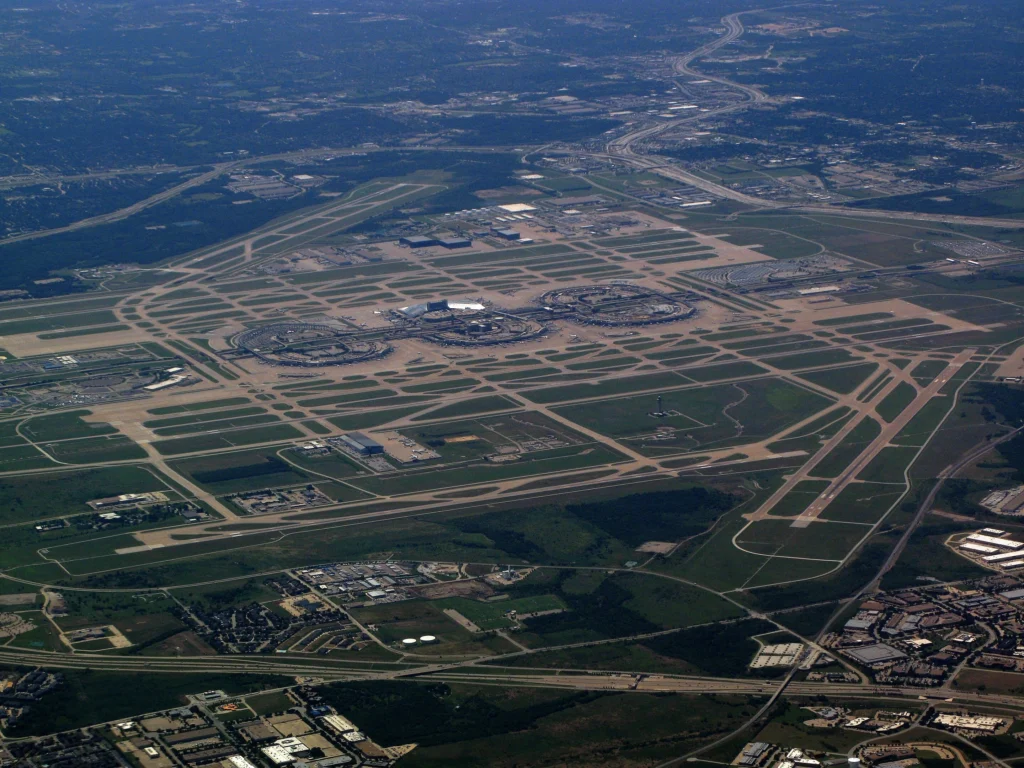
Fort Lauderdale-Hollywood International Airport (FLL) provides a different option. FLL does not have the same Latin American connecting role as Miami, but it could offer United access to South Florida without requiring an immediate 40 to 50 gate operation at MIA.
The original strategy also links Fort Lauderdale to changes in the low-cost market after Spirit Airlines reduced its presence. United could use additional South Florida capacity to pursue Caribbean flying and compete for both local and connecting customers.
JetBlue is another factor. United and JetBlue now operate their Blue Sky collaboration, allowing customers to book flights across both networks and use each carrier’s loyalty benefits.
That relationship could make a South Florida strategy more useful, although it does not amount to a merger or a joint hub.
Chicago Shows Same Competitive Logic
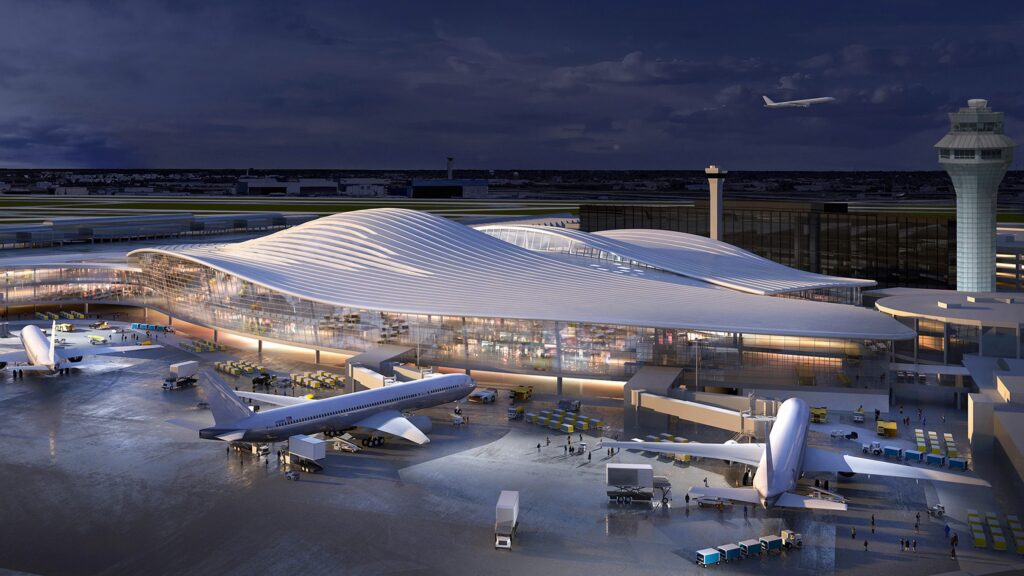
Kirby’s Miami comments follow his broader argument about American’s role at Chicago O’Hare.
Kirby has said American’s Chicago operation was losing roughly $1.1 billion annually and predicted that economic forces would eventually push the airline to reduce its O’Hare presence.
He has also discussed the possibility of United eventually reaching about 1,000 daily departures there.
Those figures are Kirby’s estimates and projections, not independently verified forecasts. The broader argument is that United could gain if American were forced to shrink a strategically important operation.
Miami is different because United would be trying to expand into an American fortress rather than waiting for American to retreat.
Could Pressure Eventually Change American’s Options?
This is where the “old-fashioned” argument becomes relevant. United does not need to acquire American immediately to benefit from a weaker American. A sustained campaign in Miami could reduce American’s market share, pressure fares and force aircraft or capacity decisions.
That would not automatically produce a merger. United and American already abandoned the 2026 merger discussion after American rejected the proposal, and the transaction would face substantial competitive and regulatory scrutiny. President Trump also publicly opposed the proposed combination.
The potential strategic path is therefore indirect. United could compete aggressively, weaken American’s position in selected markets and wait to see whether American’s future strategic choices change.
There is no evidence that United has formally announced such a takeover strategy. It is an analytical possibility based on Kirby’s history, his merger proposal and his interest in expanding United’s presence in Miami.
Strategy Would Still Carry Heavy Cost
United has the financial capacity to challenge American, but that capacity is not unlimited.
A large Miami expansion would require airport facilities, aircraft, employees and time to build a profitable connecting network. Aggressive pricing could also hurt United’s own margins.
The same applies to American. Its financial pressure could make a prolonged competitive battle harder to absorb, but the airline still generates substantial revenue and retains significant liquidity.
The strategic calculation for both companies is therefore straightforward. American must decide how much capacity and profitability it can commit to defending Miami, while United must decide how much it is willing to spend to establish a position there.

Kirby’s Next Major Test
Miami gives Kirby a credible way to challenge American without relying on the merger he failed to secure.
United has the financial resources, fleet growth and international network to pursue a larger South Florida presence. Miami would also strengthen the geographic balance of United’s system and provide a stronger platform for Latin America.
American, meanwhile, has the dominant Miami network, established partnerships and a large customer base, but its weak recent profitability and heavy debt burden could limit how aggressively it can respond.
Fort Lauderdale offers a smaller alternative, while Miami represents the much larger strategic prize.
The result is not a guaranteed takeover path. It is a competitive strategy with a clear potential outcome: United could make American defend one of its most important hubs at a time when American has less financial room than United to absorb a prolonged battle.
Stay tuned with us. Further, follow us on social media for the latest updates.
Join us on Telegram Group for the Latest Aviation Updates. Subsequently, follow us on Google News
