

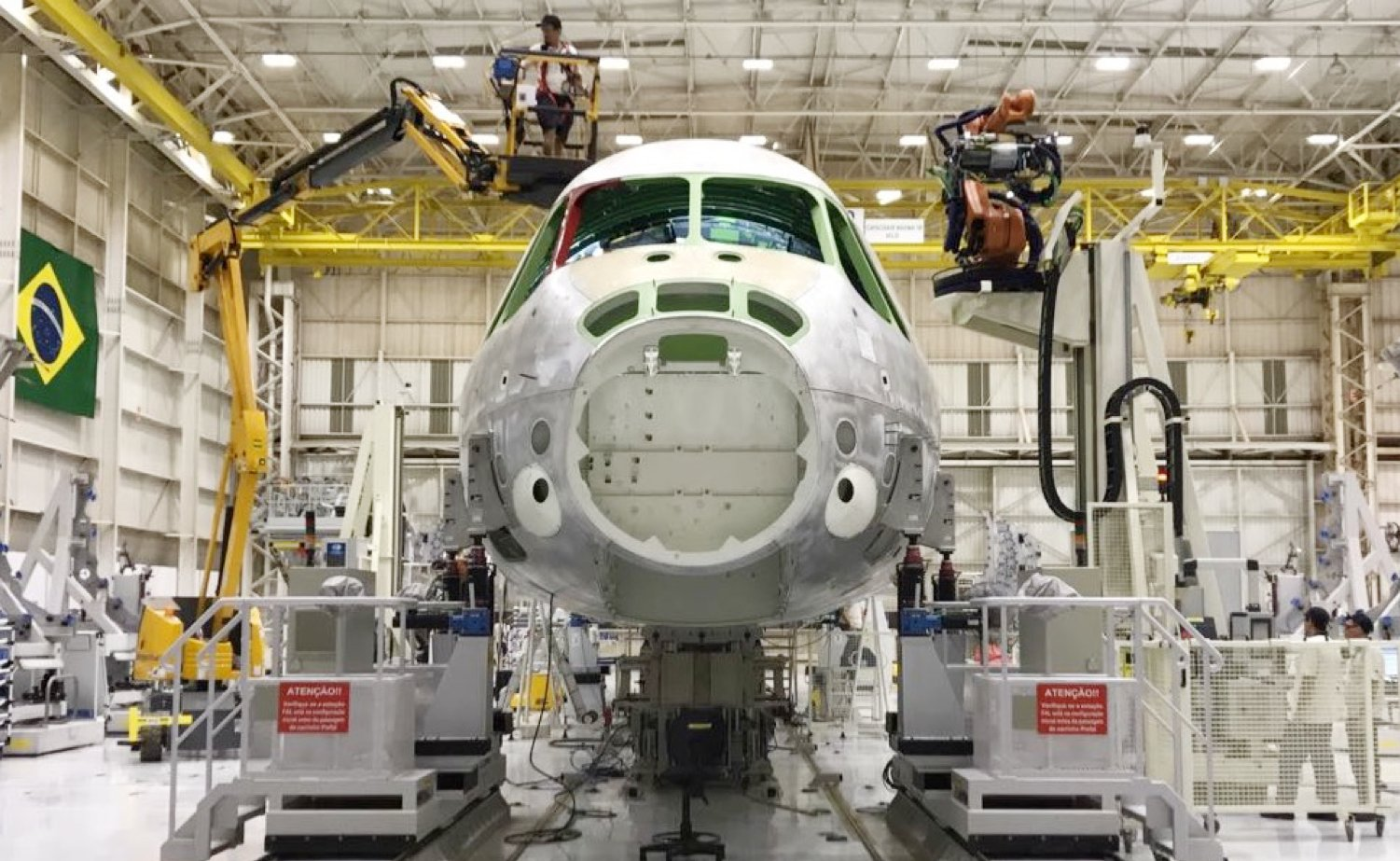
SÃO PAULO- Brazilian aircraft manufacturer Embraer expects a market for up to 500 aircraft in India over the next decade after the Directorate General of Civil Aviation (DGCA) granted type certification to its E-Jet family. The company believes the approval will support airlines expanding regional connectivity beyond metro routes.
The certification covers the E190, E195, and E195-E2. The E175 already holds DGCA type certification and flies in India with Star Air (S5), which serves smaller cities that larger jets and turboprops cannot cover efficiently.

Embraer’s 500 Aircraft in India
The certification positions Embraer to meet future fleet requirements for both established carriers and potential new entrants.
Raul Villaron, Senior Vice-President Sales and Marketing and Head of Region Asia Pacific, Commercial Aviation at Embraer, said the approval covers airlines that may consider small narrowbody aircraft to launch operations.
Speaking to The Hindu Businessline, Villaron said the certification allows Embraer to serve future demand from existing carriers and new operators entering the Indian market.
“We see a potential market of 500 aircraft over the next 10 years that we could bring to India. The E-Jet family certification allows us to cater to future demand from both existing airlines and possible new entrants that may look at small narrowbodies to start operations. The E175 is already flying in India, and we are hopeful of securing further E-Jet orders soon,” Villaron said.
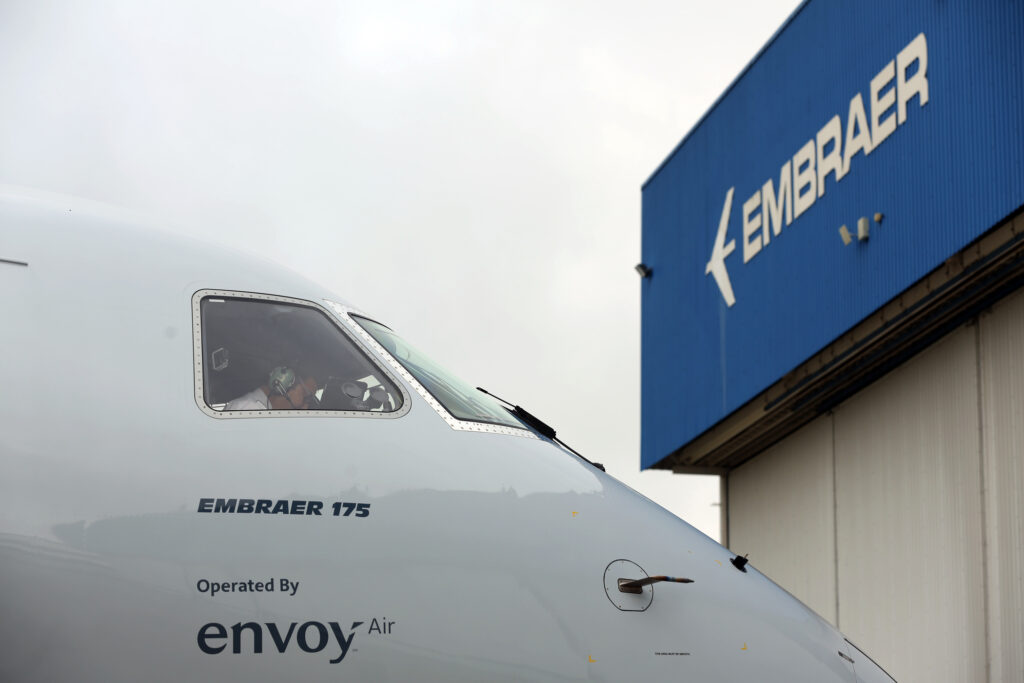
India’s Regional Market Creates New Growth Potential
Villaron said India’s regional aviation sector presents significant opportunities as airlines work to improve links between smaller cities. Most carriers currently operate large narrowbody aircraft and turboprops.
This leaves a sizeable gap on routes that are too small for larger aircraft but beyond the economic operating range of turboprops.
Villaron said the certification enables airlines to expand networks and open unique routes by tapping “blue ocean” opportunities that are too small for a large narrowbody or too far for a turboprop to operate economically.
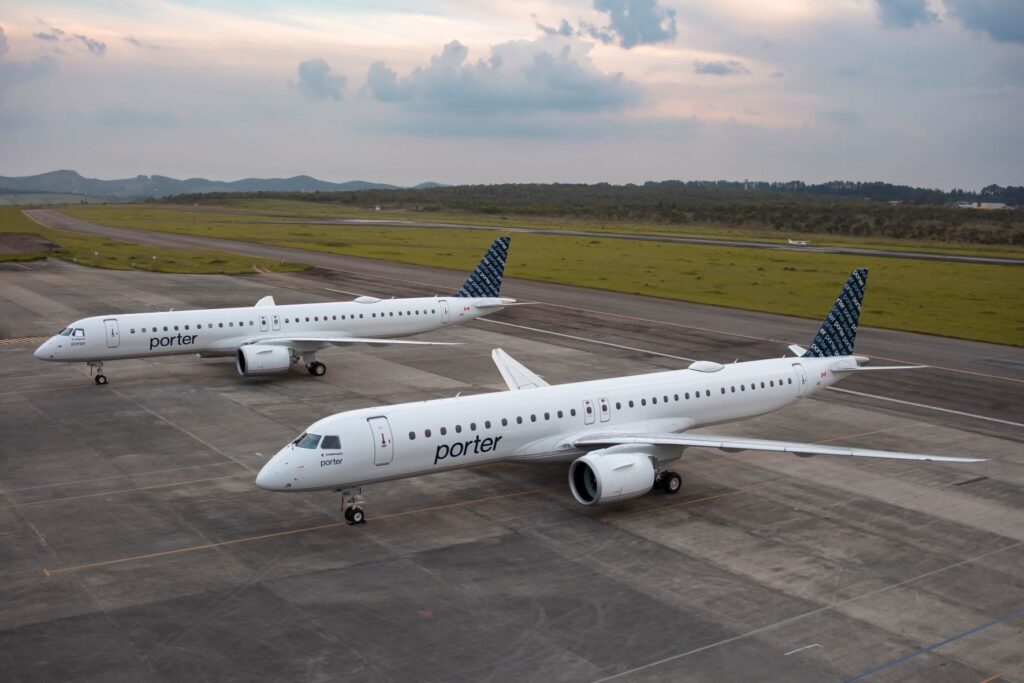
Direct Connectivity Beyond Major Hubs
Connectivity from major hubs to second and third-tier cities remains limited. Airlines often serve these routes with narrowbody aircraft running only 2 to 3 frequencies a week, while turboprops mainly handle shorter sectors.
Villaron said the E175 and E190-E2 could link smaller city pairs directly while bypassing major hubs, which improves network efficiency and passenger convenience.
Embraer estimates that more than 800 city pairs in India remain unserved by direct flights despite generating enough demand for aircraft with fewer than 150 seats.
The company said around 90% of these unserved markets involve sectors longer than 500 kilometres, which makes them less suitable for turboprop operations. Villaron said the E195-E2 fits these routes well because of its fuel efficiency and lower operating costs.
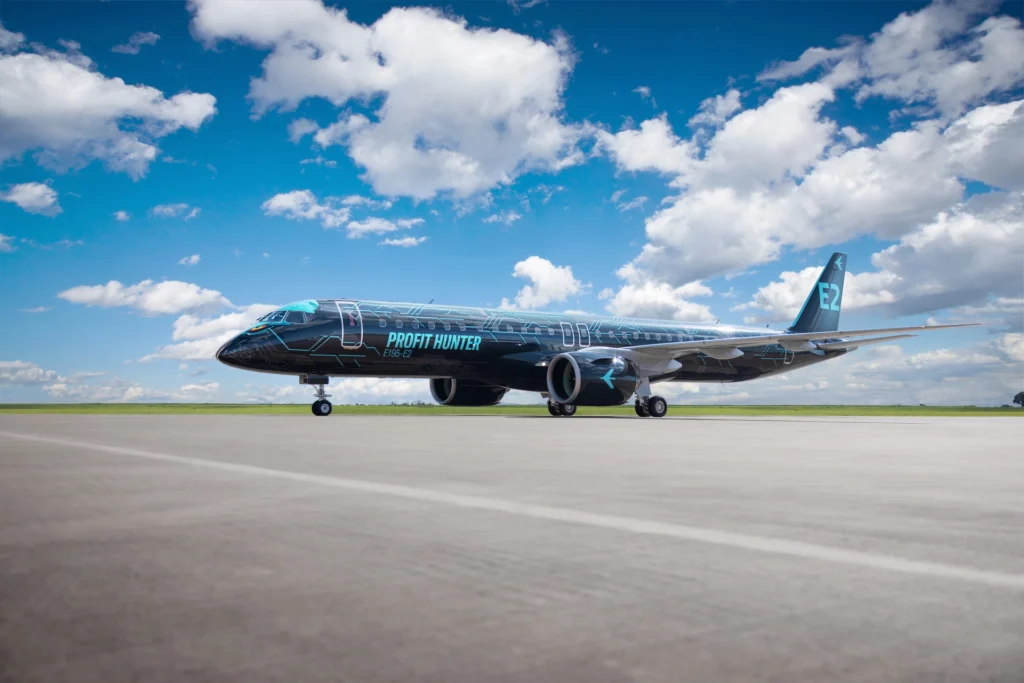
E195-E2 Focuses on Efficiency and Passenger Comfort
Villaron said the E-Jet family offers passengers better comfort, faster journeys, lower noise levels, and additional cargo capacity compared with turboprops.
Embraer describes the E195-E2 as the world’s most fuel-efficient small narrowbody aircraft.
The E195-E2 features a two-by-two seating configuration without middle seats, larger overhead bins, and individual passenger service units.
Globally, the E-Jet programme has recorded more than 1,900 aircraft deliveries and serves over 80 airlines across more than 50 countries.
Stay tuned with us. Further, follow us on social media for the latest updates.
Join us on Telegram Group for the Latest Aviation Updates. Subsequently, follow us on Google News
