

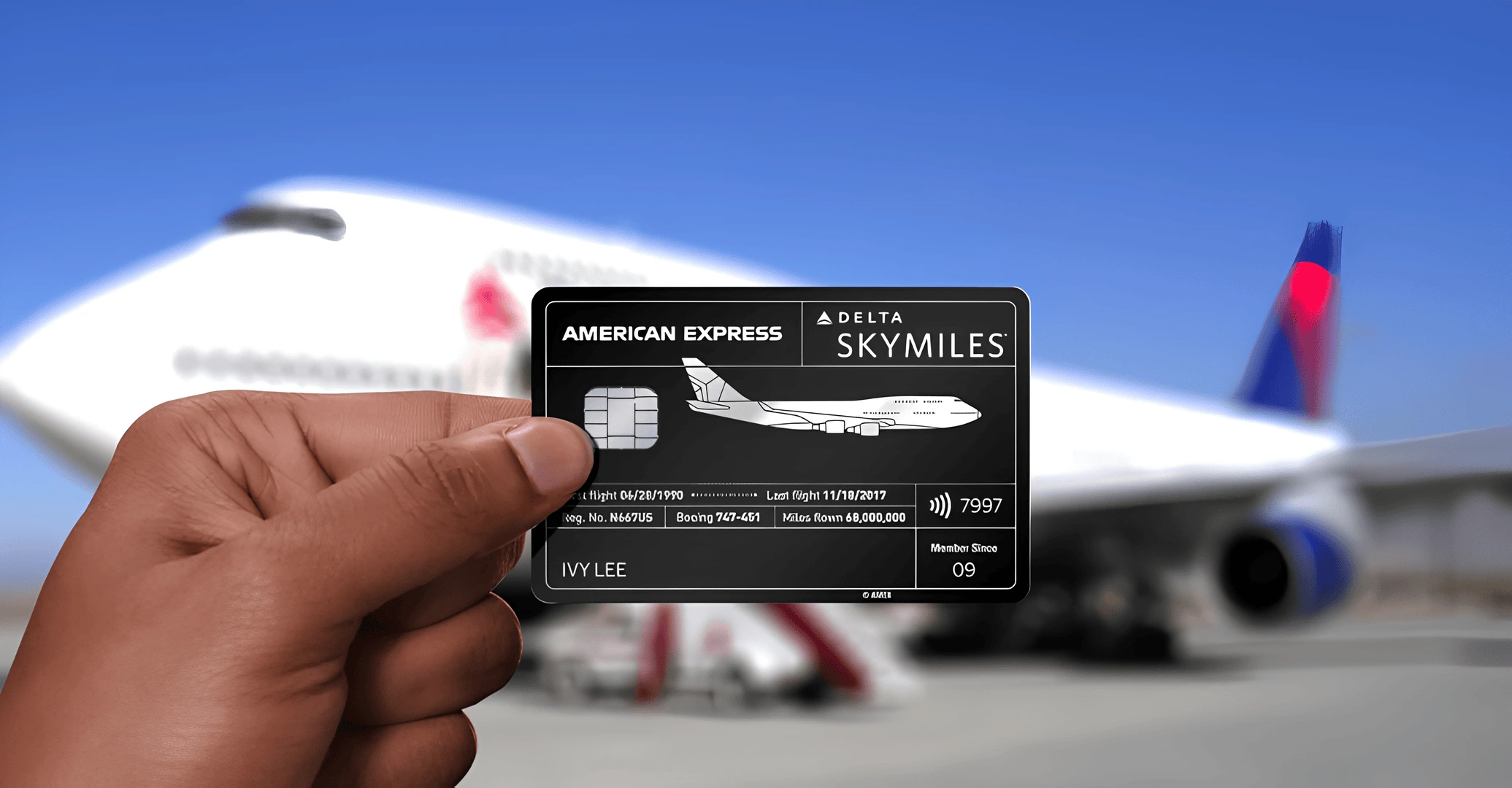
ATLANTA- Delta Air Lines (DL) is expanding aggressively at Los Angeles International Airport (LAX), where it has become the largest carrier by scheduled flights and seats.
The airline is adding domestic and international routes while investing in premium facilities to deepen its presence in one of the country’s most competitive markets.
The push is aimed at competing more directly with United Airlines (UA) and capturing a larger share of premium travelers and high-value American Express spending.
For Delta, success in Los Angeles now extends well beyond passenger traffic and has become a central part of its long-term revenue strategy.
Delta Builds Up Its Los Angeles Presence
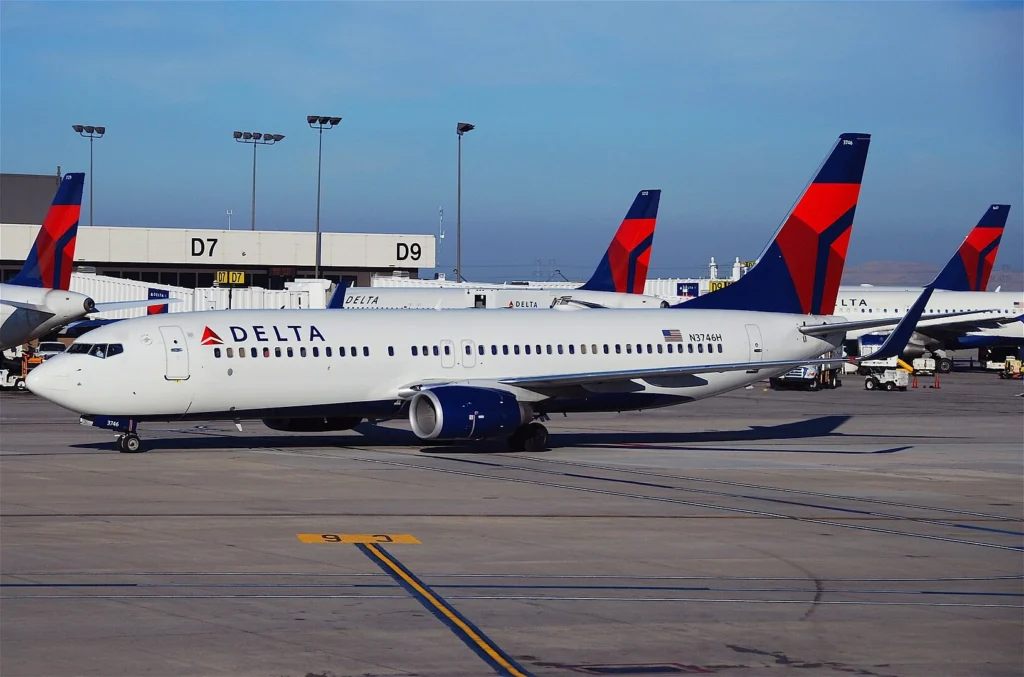
Delta has steadily turned Los Angeles into one of its largest focus cities, following the strategy it used successfully in New York (JFK).
The airline aims to become a preferred hometown carrier by giving customers access to nearly every major business market from Los Angeles without needing to fly a competitor.
The carrier recently launched nonstop service between Los Angeles and Chicago O’Hare International Airport (ORD) and Hong Kong International Airport (HKG).
It has also announced flights to Newark Liberty International Airport (EWR), one of United’s largest hubs and among the most profitable domestic routes in the United States.
Further plans include proposed service to Washington Dulles International Airport (IAD) and Philadelphia International Airport (PHL).
Delta has also told the US Department of Transportation that it intends to launch nonstop flights between Los Angeles and Manila Ninoy Aquino International Airport (MNL).
With these additions, Delta will serve nearly every major market from Los Angeles, with Charlotte (CLT) the notable exception. Rather than dominating every route, the airline wants customers to stay within the Delta network, even when schedules are not the most convenient.
According to View from the Wing, Delta has made it very clear that United is the competitor it is most concerned about in Los Angeles.
Delta Is Now Largest Airline at LAX
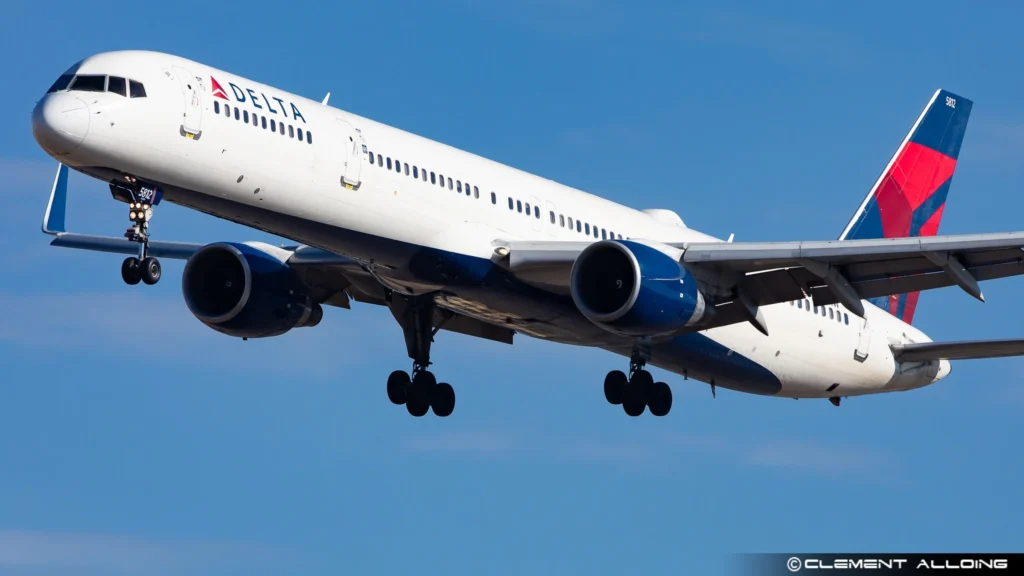
According to aviation analytics company Cirium, Delta has become the largest airline at Los Angeles International Airport based on scheduled flights and available seats for July, including regional carriers.
| Airline | Flights | Seats | ASMs |
|---|---|---|---|
| Delta Air Lines | 9,512 | 1,529,742 | 2,684,656,571 |
| American Airlines | 8,941 | 1,360,346 | 2,721,481,449 |
| United Airlines | 8,696 | 1,451,910 | 2,857,031,041 |
| Southwest Airlines | 4,626 | 750,118 | 719,823,327 |
| Alaska Airlines | 3,728 | 565,516 | 810,534,501 |
| JetBlue Airways | 1,507 | 240,031 | 592,318,722 |
Although United operates more available seat miles because of its larger long-haul network, Delta leads the airport in both scheduled flights and seat capacity.
Why United Is Delta’s Primary Rival
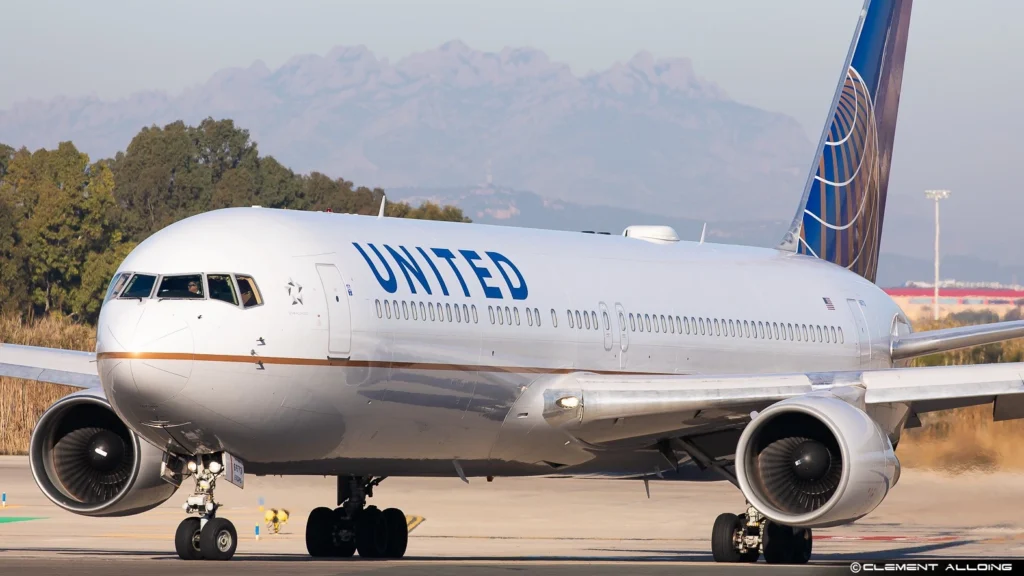
Delta views United as its strongest competitor in Los Angeles because of its extensive international network.
American Airlines (AA) now runs a bare bones year round long-haul schedule from LAX, down to just London Heathrow (LHR), Tokyo Haneda (HND), and Sydney (SYD).
United, by contrast, serves major international destinations including Heathrow, Haneda, Tokyo Narita (NRT), Sydney, Melbourne (MEL), Shanghai (PVG), Beijing (PEK), and double daily Hong Kong.
That broad network gives United a significant edge in attracting premium business travelers and international connecting passengers. Delta’s long-term objective is to make Los Angeles its primary Pacific gateway, which is why United is the airline it must compete against most aggressively.
Delta is banking on United to keep much of its West Coast growth focused on San Francisco International Airport (SFO), creating room for Delta to build up Los Angeles.
A United push on the Los Angeles to New York JFK route, however, would raise competitive pressure in one of Delta’s most important premium markets.
Limited Alternatives
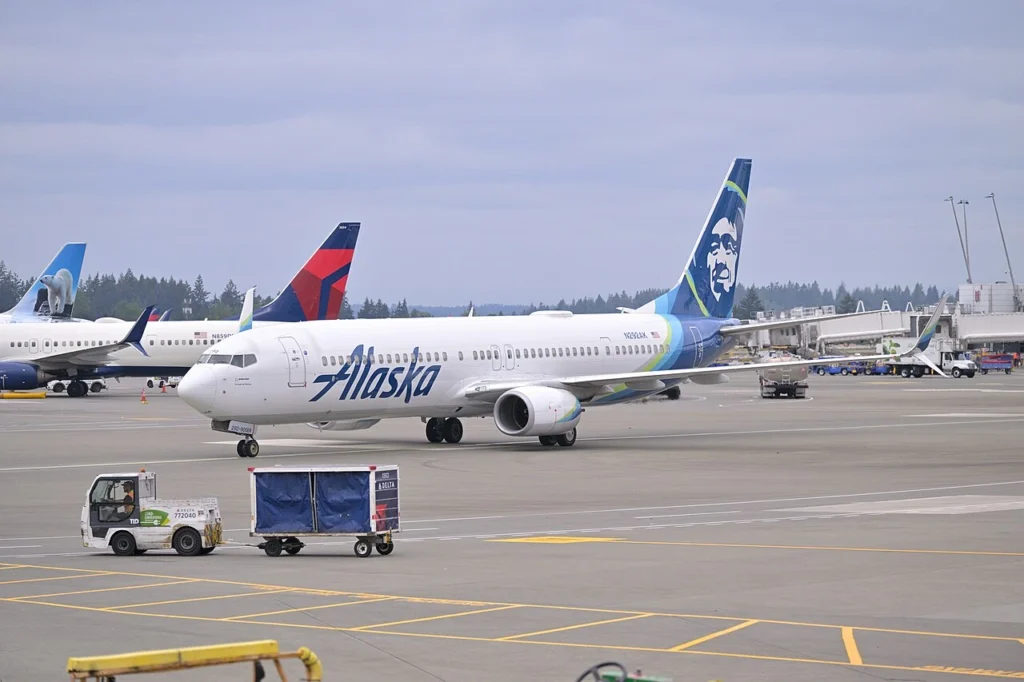
Delta has few opportunities to grow elsewhere on the West Coast. Alaska Airlines holds a strong position in Seattle (SEA), a reality Delta is slowly starting to accept, which limits its ability to expand there.
That leaves Los Angeles as its best opportunity to develop a larger Pacific operation.
Growth for competing airlines at LAX is also constrained by limited gate availability. Those operational limits give Delta room to keep adding capacity while strengthening its competitive position.

Credit Card Revenue a Major Driver
Network expansion is only part of the plan. Delta is also focused on high-margin revenue from its American Express partnership.
The airline has identified markets such as Austin (AUS) as attractive because they offer strong opportunities to sell its co-branded card, and the same logic applies to Los Angeles, where a larger customer base can drive higher card spending and greater long-term profit.
Delta earned more than $8 billion from American Express last year, at an estimated 40 percent margin, making the co-brand card one of its most valuable revenue streams.
Growth has slowed, however. Delta missed the midpoint of its $7 billion partnership target by 2023, and roughly 20 percent of pandemic-era inflation left it meaningfully behind that goal in real terms.
The airline has around 9 million Delta American Express cardholders and continues working to feed the top of the funnel and convert new members.
Delta reached the top of the co-brand business by staying relevant in the best markets such as New York and by maintaining a reputation for reliability.
Winning Los Angeles lets Delta capture an outsized share of local card spend relative to its size, which is why the market is now a strategic priority.

Premium Product Still Needs Investment
Delta continues investing in premium infrastructure at Los Angeles, including a second Delta One Lounge for premium travelers.
At the same time, its reliability is under strain on some flagship routes. Delta still operates older aircraft on the premium Los Angeles to JFK route, making it harder to compete for high-value corporate travelers who expect the newest onboard experience.
Because reliability is one of the two pillars that carried Delta to the top of the co-brand card business, protecting that product will matter as competition with United intensifies.
Stay tuned with us. Further, follow us on social media for the latest updates.
Join us on Telegram Group for the Latest Aviation Updates. Subsequently, follow us on Google News
