

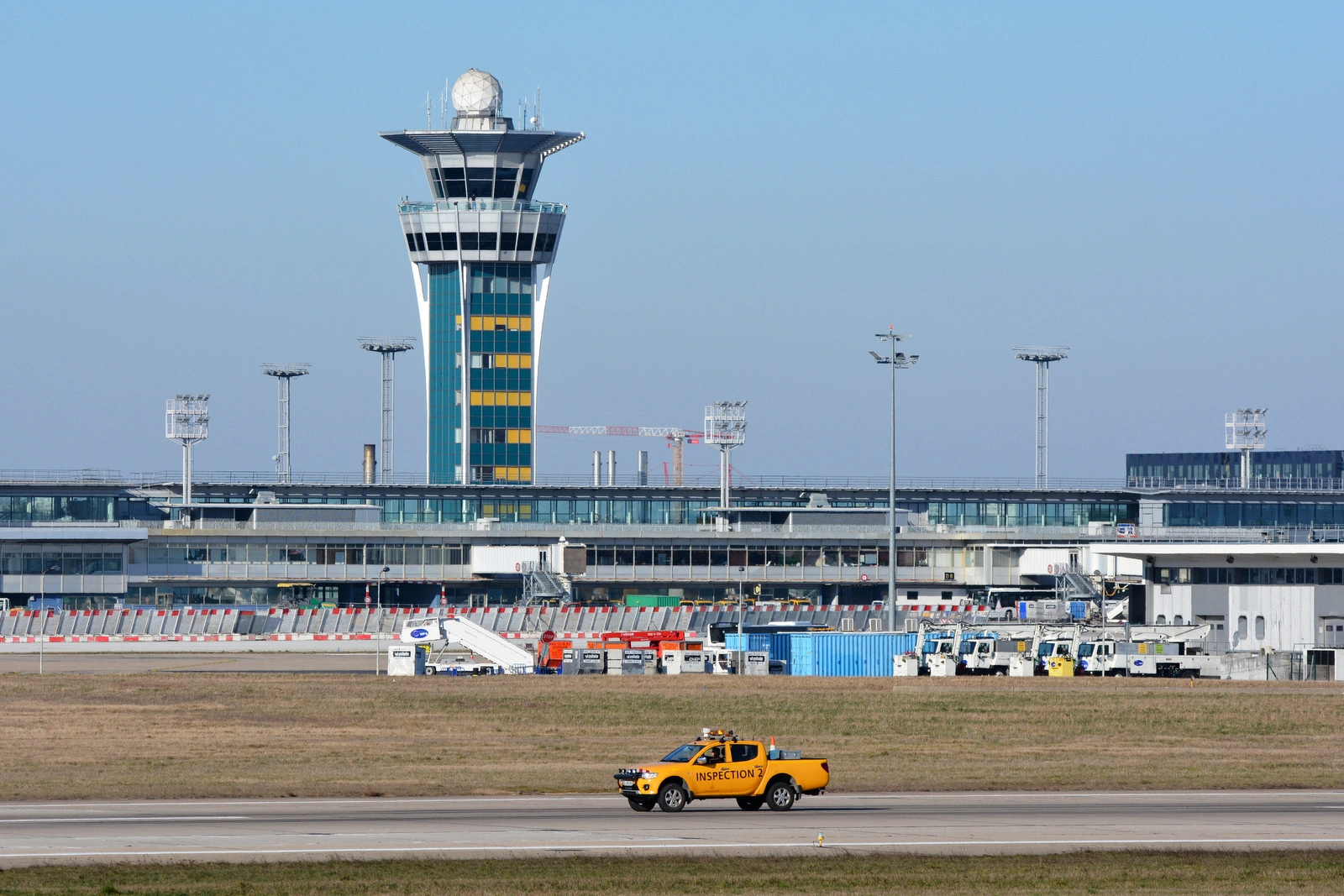
Europe has some of the busiest and most recognisable airports in the world, from London Heathrow and Paris Charles de Gaulle to Frankfurt and Amsterdam Schiphol. Yet many seasoned travellers know that the most enjoyable journeys often begin somewhere smaller. Regional airports across Europe frequently offer quicker security, shorter walking distances, easier transfers, and far less stress than giant intercontinental hubs.
That is why the Best Regional Airports in Europe ranking has become increasingly relevant. These airports may not always have the largest passenger numbers, but they score highly for convenience, cleanliness, customer service, terminal comfort, and overall efficiency. For business travellers, weekend city-break passengers, and families, they can be far more pleasant than the continent’s mega hubs.
The 2026 rankings show strong representation from Western and Southern Europe, while city-centre airports and leisure gateways perform particularly well. France and Germany both place multiple airports in the top ten, while Portugal, Hungary, Spain, Malta, and the United Kingdom also feature.
Here are the top 10 best regional airports in Europe in 2026.
Top 10 Best Regional Airports in Europe in 2026
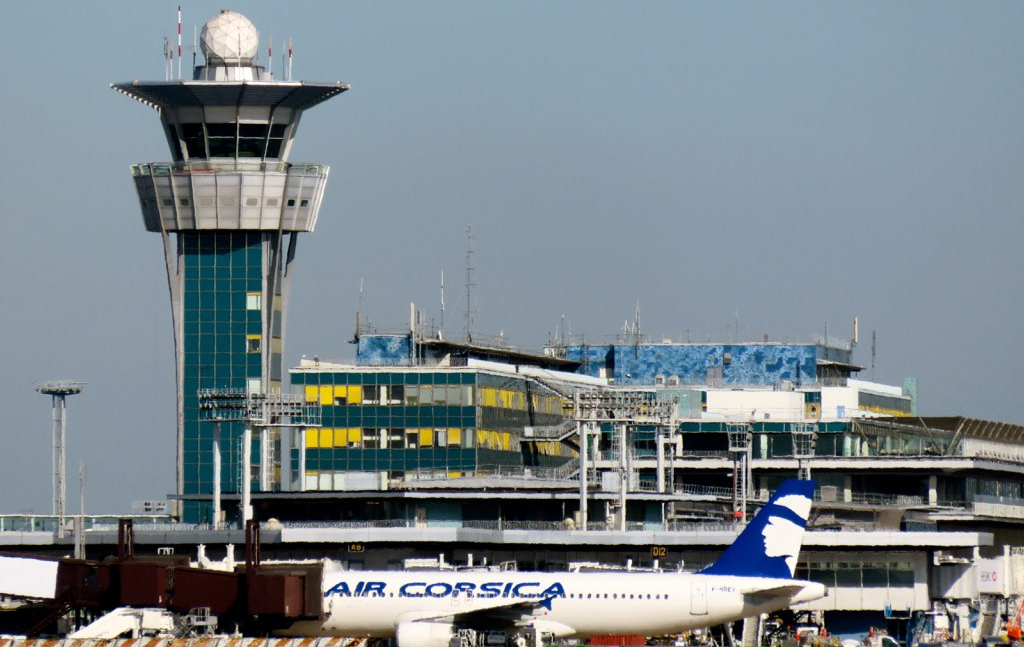
1. Paris Orly Airport (France)
Paris Orly takes the number one spot in Europe for 2026 and continues its rise as one of the continent’s most improved airports. Located closer to central Paris than Charles de Gaulle, Orly benefits greatly from convenience.
Passengers appreciate quicker access to the city, easier terminal navigation, and a generally less overwhelming atmosphere than CDG. Major renovations in recent years have modernised the airport significantly.
New retail areas, better dining, improved public transport links, and smoother passenger flow have all boosted satisfaction.
For many visitors to Paris, Orly now feels like the smarter and simpler option.
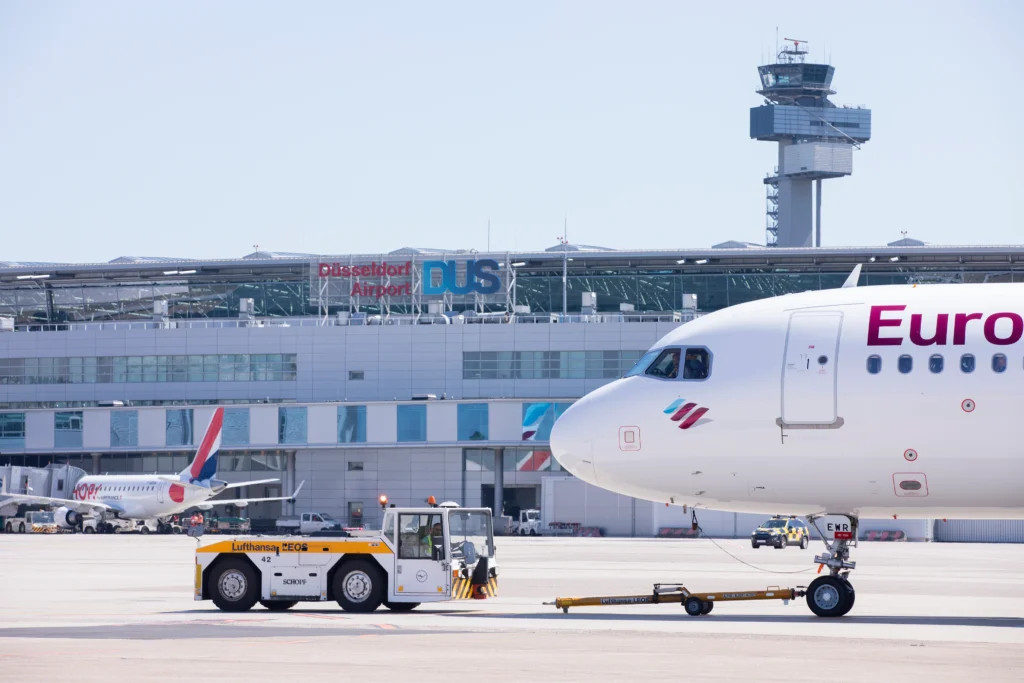
2. Dusseldorf Airport (Germany)
Dusseldorf ranks second and remains one of Germany’s most dependable airports. Serving a wealthy and densely populated region, it offers excellent domestic and European connectivity.
Passengers often praise its logical layout, relatively quick processing times, and efficient operations. Compared with Frankfurt or some larger hubs, Dusseldorf feels easier to manage.
Business travellers particularly value its practicality, while leisure passengers benefit from simple transfers and solid rail connections.
It may not be flashy, but it consistently delivers what travellers need.
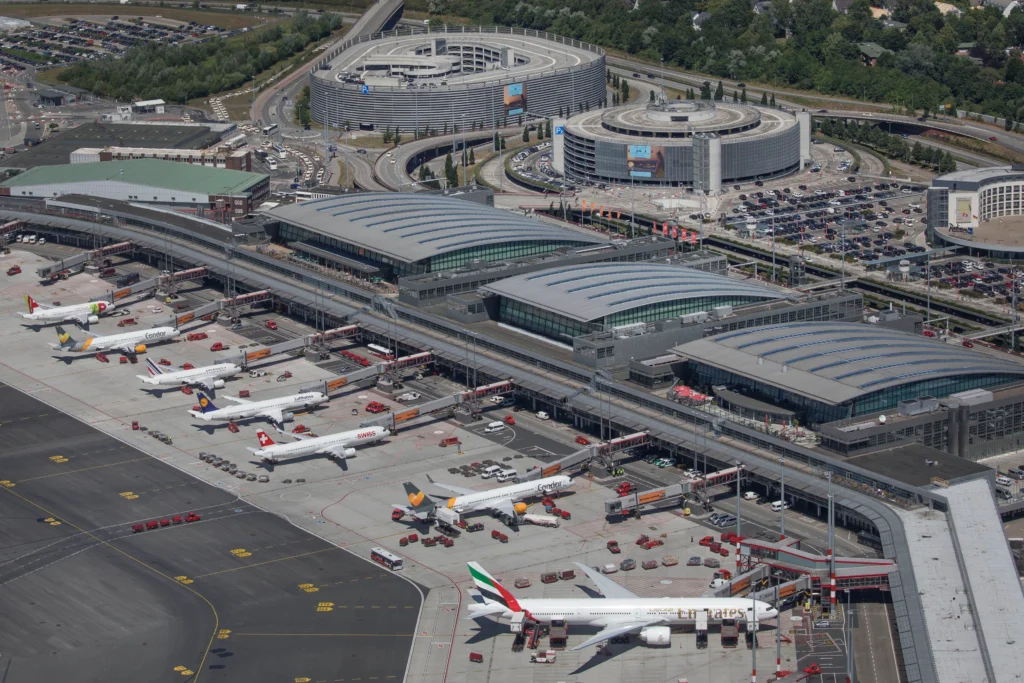
3. Hamburg Airport (Germany)
Hamburg takes third place and gives Germany a second airport in the top three. One of the country’s oldest airports, it has modernised well while retaining a user-friendly scale.
Passengers like the clean terminals, clear signage, and straightforward boarding process. It is also well connected to the Hamburg city centre through efficient public transport.
The airport serves both business and leisure demand, offering reliable service levels and a calm atmosphere.
For northern Germany, Hamburg remains a highly effective gateway.
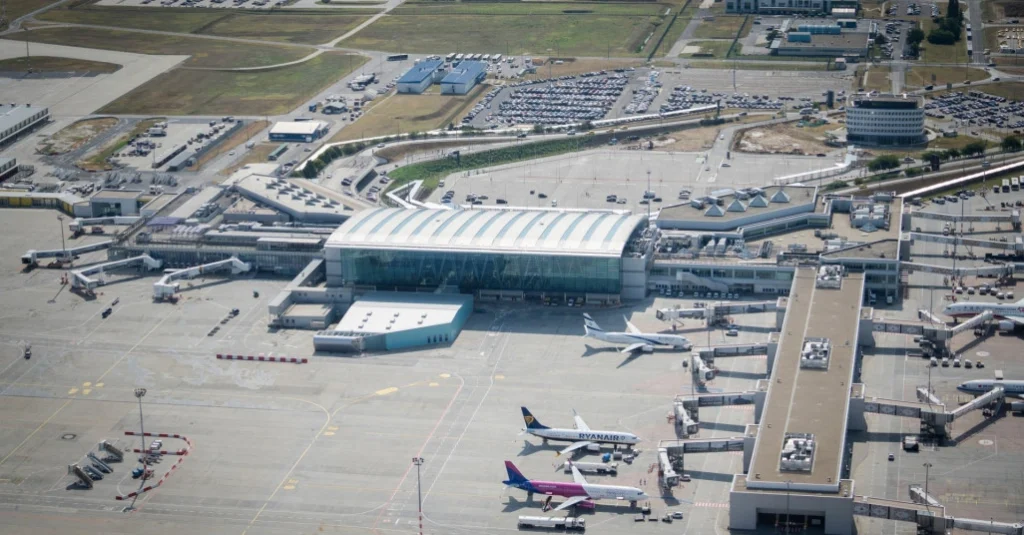
4. Budapest Airport (Hungary)
Budapest ranks fourth and continues to grow in popularity. As Hungary’s main international gateway, it has become one of Central Europe’s strongest airport performers.
Travellers appreciate manageable terminal sizes, improved facilities, and efficient movement through the airport. It also benefits from Budapest’s popularity as a city-break destination.
Dining and shopping options have expanded in recent years, while service standards have improved steadily.
Its ranking reflects the city’s growing importance in European tourism and business travel.
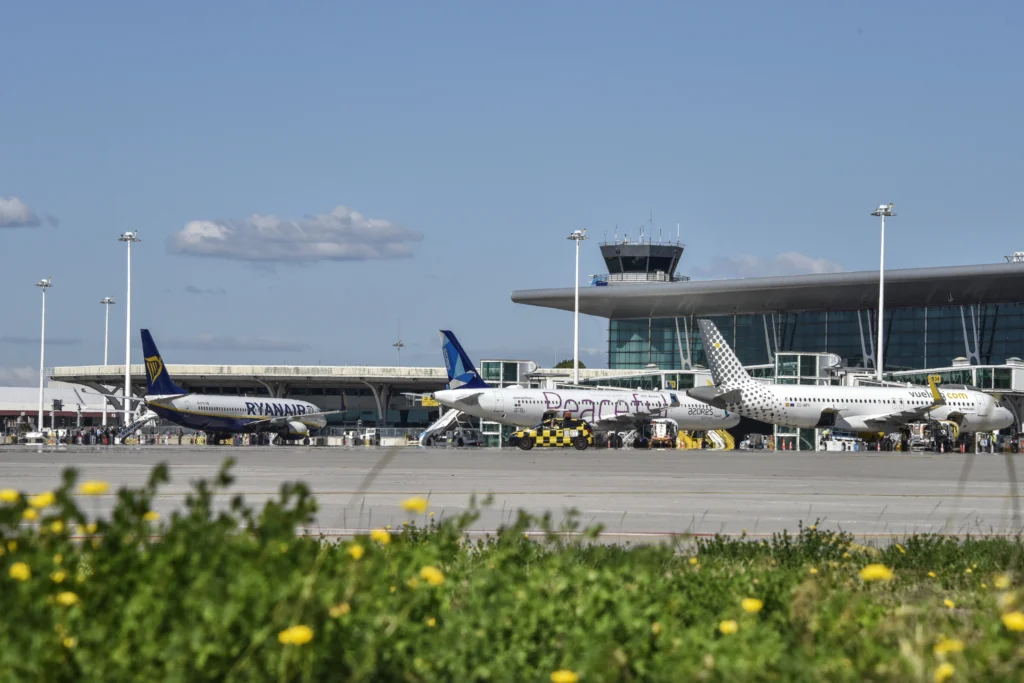
5. Porto Airport (Portugal)
Porto places fifth and is often praised as one of Southern Europe’s most efficient airports. Serving northern Portugal, it offers a polished and pleasant experience.
Passengers regularly mention cleanliness, easy navigation, and good staff service. Compared with some busier Iberian airports, Porto often feels calmer and more organised.
Its route network has expanded with tourism growth, yet the airport has largely maintained convenience.
For travellers visiting Porto, the Douro Valley, or northern Portugal it offers a strong first impression.

6. London City Airport (United Kingdom)
London City ranks sixth and remains one of Europe’s most convenient business airports. Located close to Canary Wharf and central London, it saves enormous travel time compared with Heathrow or Gatwick.
Its smaller size means quick check-in, fast security, and short walking distances. That makes it especially popular with business travellers and short-haul passengers.
The route network is naturally more limited than that of larger London airports, but convenience is its biggest strength.
For many travellers, time saved on the ground matters more than having hundreds of route options.

7. Malaga Airport (Spain)
Malaga takes seventh place and serves as the gateway to Spain’s Costa del Sol. It is one of Europe’s busiest leisure-focused regional airports.
Passengers value modern terminals, straightforward layout, and efficient handling of heavy holiday traffic. During peak summer periods, that is no small achievement.
The airport benefits from strong transport links to beach resorts and nearby cities, making onward travel easy.
For millions of sun-seeking visitors, Málaga is where the holiday truly begins.
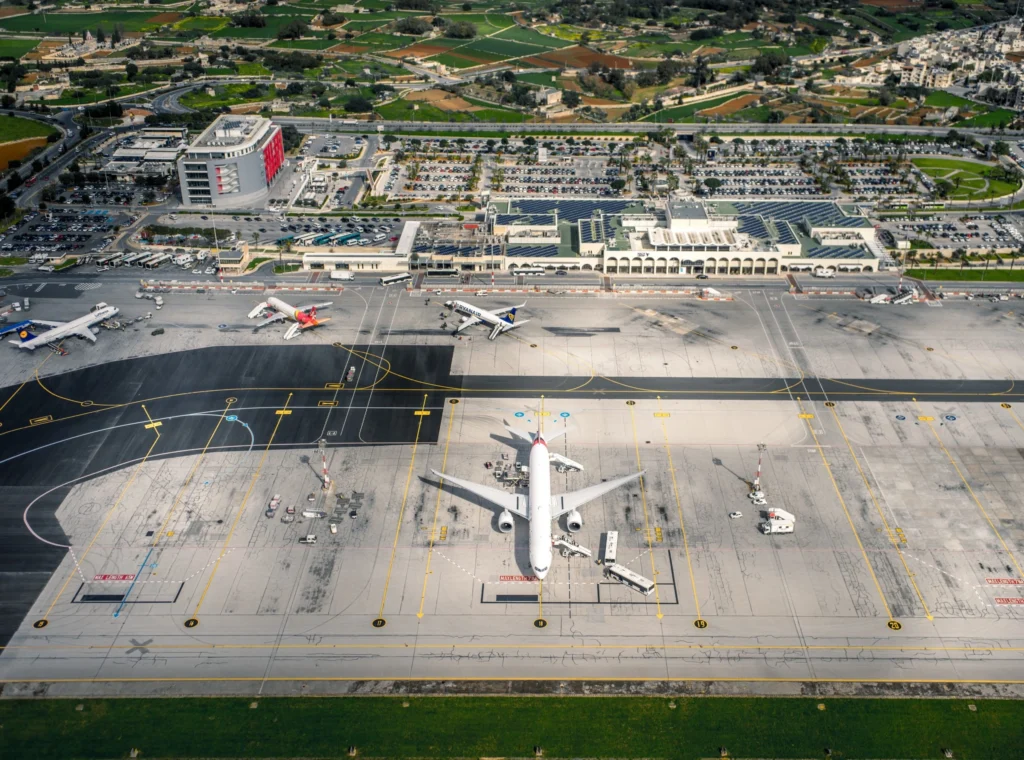
8. Malta International Airport (Malta)
Malta ranks eighth and remains one of Europe’s most practical island airports. As the nation’s main gateway, it plays a vital role in tourism and business connectivity.
Passengers often praise the manageable size, short processing times, and convenient access to the island’s main areas.
Despite handling seasonal peaks, the airport generally remains efficient. The warm-weather destination also benefits from year-round leisure demand.
For travellers seeking ease rather than scale, Malta performs strongly.
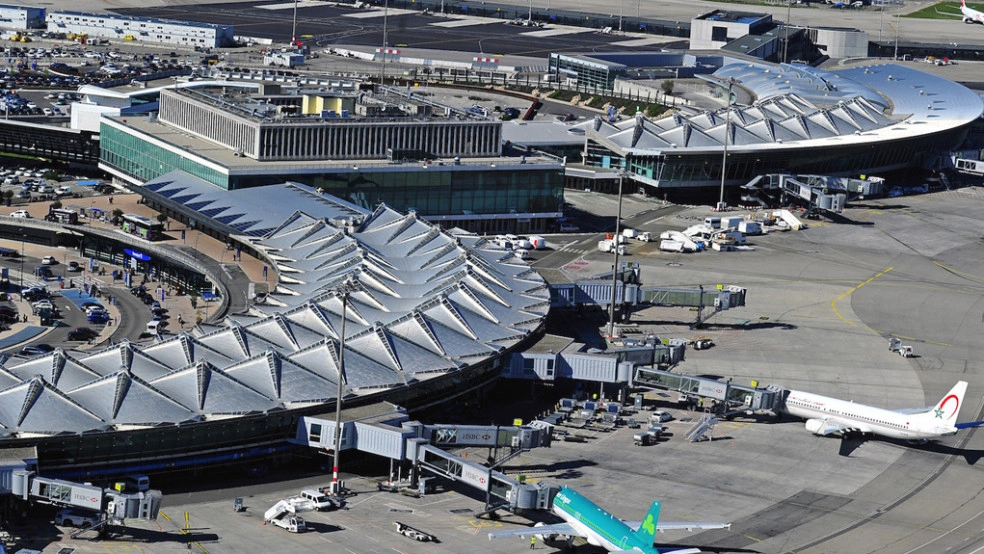
9. Lyon Airport (France)
Lyon places ninth and gives France a second airport in the top ten. Serving one of the country’s most important economic regions, it combines business relevance with leisure access to the Alps and southeast France.
Passengers appreciate modern terminals, decent transport links, and relatively smooth processing compared with larger French hubs.
It is especially useful for travellers heading to ski areas, vineyards, or the Rhône-Alpes region.
Lyon may be overshadowed by Paris internationally, but it is highly respected by regular users.
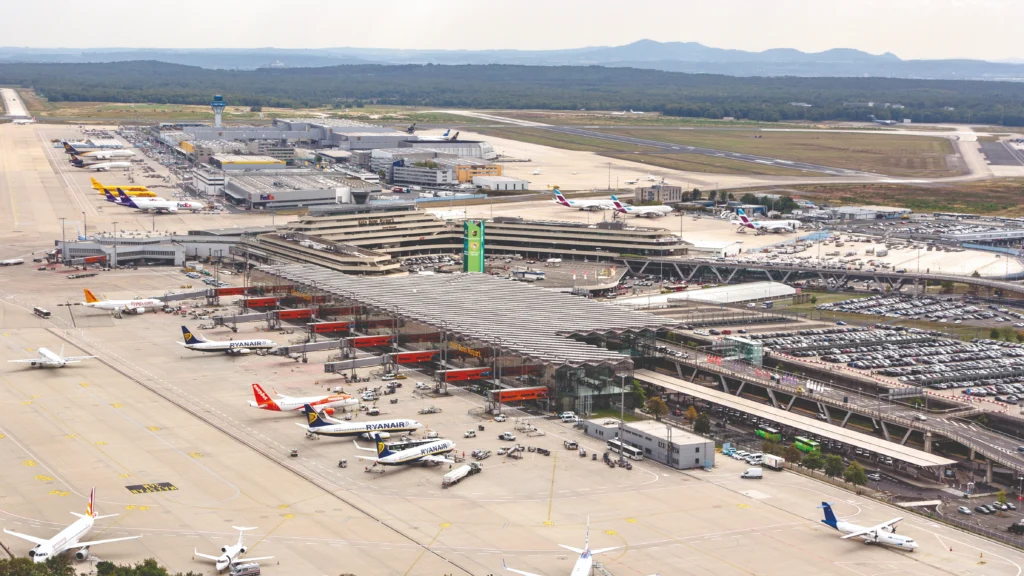
10. Cologne / Bonn Airport (Germany)
Cologne / Bonn completes the top ten and gives Germany three airports in the ranking. Located in a major population corridor, it serves both business and leisure demand effectively.
Passengers often highlight straightforward terminals, practical operations, and manageable passenger flow.
The airport also benefits from good motorway and rail connectivity, making onward travel simple.
It may not have glamour, but it performs where travellers care most—speed and convenience.
Why European Travellers Like Regional Airports
Regional airports in Europe are popular because they often provide:
- Faster security and immigration
- Easier terminal navigation
- Better punctuality in some cases
- Shorter walking distances
- Simpler transfers
- Closer access to city centres
- Lower stress levels
- Quicker baggage reclaim
For weekend breaks and business travel, these advantages matter greatly.
Bottom Line
The best regional airports in Europe in 2026 show that travellers increasingly value simplicity, speed, and convenience.
Paris Orly leads the continent through major improvements and excellent city access, while Düsseldorf and Hamburg confirm Germany’s strength in practical airport design.
Budapest, Porto, London City, Málaga, Malta, Lyon, and Cologne / Bonn complete a diverse top ten that blends business gateways with leisure favourites.
For many passengers, these airports offer the smoothest way to travel across Europe.
FAQs
Paris Orly Airport ranks number one among Europe’s regional airports in 2026.
Germany has three airports in the ranking: Dusseldorf, Hamburg, and Cologne / Bonn.
Regional airports are usually faster, easier to navigate, less crowded, and often closer to city centres than mega hubs.
Stay tuned with us. Further, follow us on social media for the latest updates.
Join us on Telegram Group for the Latest Aviation Updates. Subsequently, follow us on Google News
