

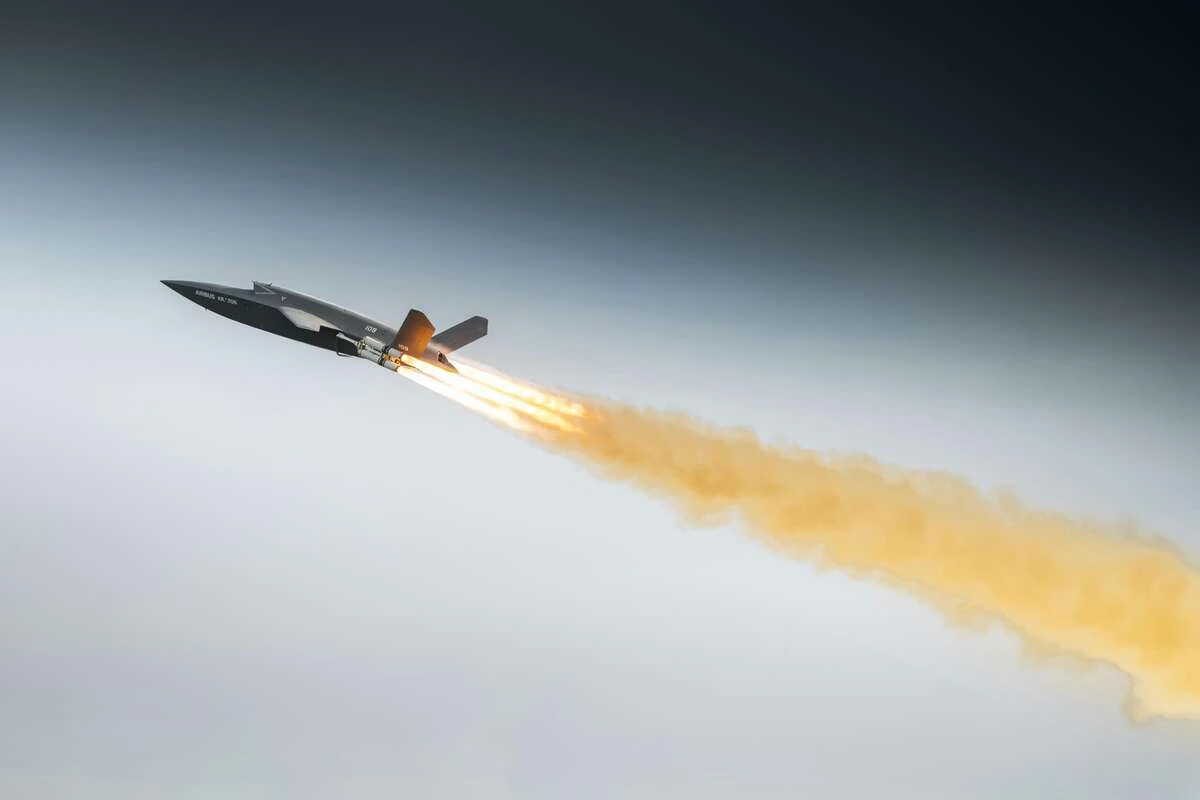
TOULOUSE- Airbus and Kratos Defense & Security Solutions (KTOS) have completed the first European flight of the U740 Valkyrie uncrewed combat aircraft at an undisclosed test facility in Northern Europe.
The flight demonstrated key capabilities as both companies target a combat-ready Collaborative Combat Aircraft (CCA) for Germany and other European armed forces by 2029. The milestone supports Airbus’ plans to integrate European mission software into the aircraft.
U740 Valkyrie Completes First European Flight Tests
The U740 Valkyrie completed its first European test flight with a series of manoeuvres designed to evaluate its flight performance and operational capabilities. Airbus announced the achievement on October 12, 2026, while Reuters reported that the flight took place on September 29.
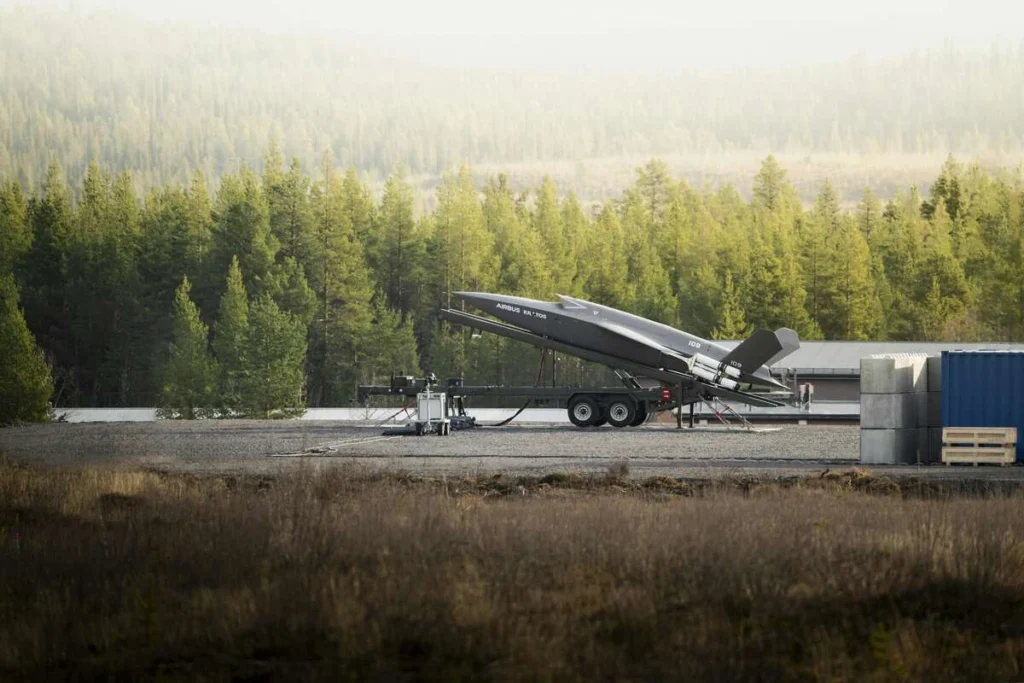
The test met all its objectives, including a rocket-assisted take-off that did not require a conventional runway. The aircraft also performed manoeuvres at different altitudes and speeds of up to Mach 0.8, equivalent to approximately 988 kilometres per hour under standard atmospheric conditions.
The flight also demonstrated the ability to make mission adjustments while airborne. These capabilities represent an important step towards evaluating the aircraft in European military operating conditions.
The successful test also supports Airbus and Kratos’ efforts to establish a regulatory pathway for operating uncrewed combat aircraft in European airspace. Europe’s complex aviation rules have created challenges for earlier military drone programmes, making the latest flight an important milestone beyond the aircraft’s technical performance.
Airbus Plans MARS Mission System Integration
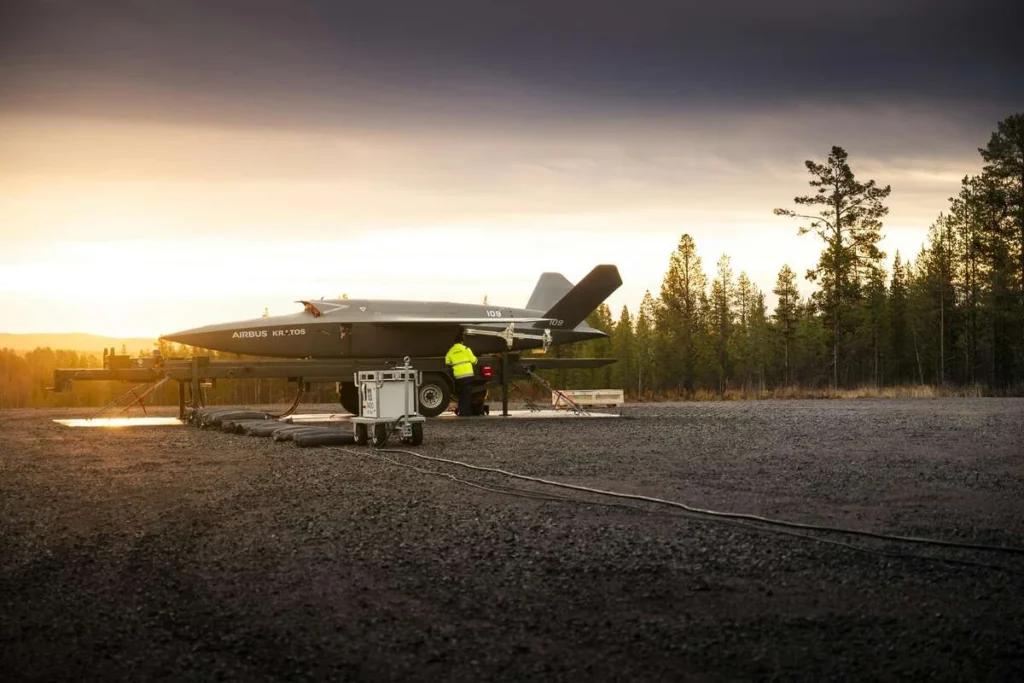
The aircraft did not carry Airbus’ European MARS mission system during this first European flight. Instead, the test established a foundation for subsequent flights involving the system.
MARS stands for Multiplatform Autonomous Reconfigurable and Secure. Airbus is developing it as the aircraft’s mission-control system, with the aim of giving Germany and Europe control over mission software, applications, operational data and system hardware.
According to Reuters, Airbus expects the next test flight with MARS onboard in the first quarter of 2027. The first flight in coordination with a Eurofighter is scheduled for later in 2027, ahead of the programme’s broader target of delivering an operational capability by 2029.
The system uses artificial intelligence-assisted software to support autonomous mission execution and coordinate groups of crewed and uncrewed aircraft. This approach could allow the Valkyrie to perform tasks alongside existing fighter fleets without requiring a pilot onboard the drone.
However, autonomy will operate within a defined control structure. Airbus says a human operator will remain involved in oversight, with critical decisions required to comply with established rules of engagement and applicable ethical and legal standards.
Valkyrie Designed to Support Crewed Fighter Aircraft
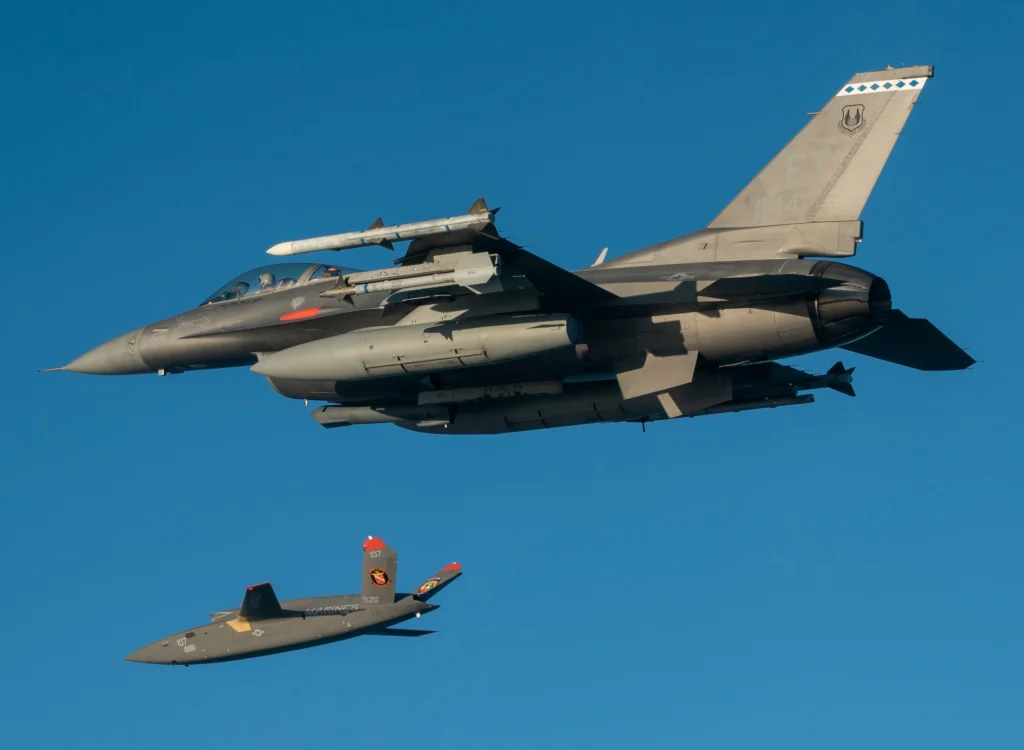
The U740 Valkyrie is intended to complement crewed combat aircraft rather than simply operate as a standalone drone. Airbus plans to use it alongside platforms such as the Eurofighter to extend operational range, increase available firepower and improve the survivability of crewed aircraft.
An uncrewed aircraft can undertake selected high-risk missions without placing a pilot directly aboard the platform. When integrated into a coordinated force, such aircraft could expand the number of assets available for a mission.
Airbus Defence and Space CEO Mike Schoellhorn has highlighted the need for affordable combat mass as air forces face increasingly complex threats. The partnership combines Kratos’ established Valkyrie airframe with Airbus’ European mission system to develop a capability that can meet German and wider European operational requirements.
The companies also intend to retain flexibility in how the aircraft launches and operates. Its design supports rocket-assisted rail launches, while conventional runway-based take-off and landing remain an option. This gives military planners different operating methods depending on mission requirements and available infrastructure.
Airbus and Kratos Combine Their Expertise
The partnership combines Kratos’ experience in developing and manufacturing uncrewed aircraft with Airbus’ expertise in military aviation, mission systems and European defence integration.
Kratos President and CEO Eric DeMarco described the first flight as a successful milestone, highlighting the maturity of the Valkyrie system and the close integration between the two companies.
The approach also reduces the need to develop a completely new aircraft airframe before introducing European mission capabilities. Airbus can build on the existing Valkyrie design while adapting its software and onboard systems to meet customer requirements.
The programme is initially focused on Germany, but Airbus and Kratos have also identified opportunities to offer the system to other countries. The extent of future production and deployment will depend on military requirements, programme development and procurement decisions.
U740 Valkyrie Specifications and Capabilities
The U740 Valkyrie combines a relatively compact airframe with a long stated range and the ability to carry weapons internally and externally. Airbus has disclosed the following specifications:
| Specification | Details |
|---|---|
| Aircraft type | Uncrewed Collaborative Combat Aircraft |
| Length | 9.1 metres |
| Wingspan | 8.2 metres |
| Maximum take-off weight | Approximately 3 tonnes |
| Range | More than 5,000 kilometres |
| Service ceiling | 45,000 feet |
| Maximum speed demonstrated in the European flight | Mach 0.8 |
| Weapons carriage | Internal weapons bay and external underwing payload stations |
| Launch capability | Rocket-assisted rail launch |
| Alternative operation | Conventional runway-based take-off and landing |
| Mission system | Airbus MARS |
| Target operational capability | 2029 |
The aircraft’s internal weapons bay and external payload stations allow it to accommodate different mission configurations. Its stated range of more than 5,000 kilometres also supports its intended role in extended-range operations.
The aircraft can operate autonomously or under the direction of crewed fighters, including the Eurofighter. The planned MARS integration will be central to coordinating these operations and managing mission data within a European-controlled system.
What Comes Next for the Valkyrie Programme?
The first European flight marks the beginning of a more advanced testing phase rather than the completion of the programme. Airbus and Kratos must continue evaluating the aircraft, integrate the MARS mission system, and demonstrate its ability to work with crewed fighter aircraft.
The next planned test flight, expected in the first quarter of 2027, will focus on the aircraft with MARS onboard. A subsequent flight involving a Eurofighter is planned for later in 2027.
These milestones will help Airbus progress towards its 2029 target for an operational uncrewed combat capability for the German Air Force. The programme’s progress will also help establish how European-developed mission software can be integrated with an existing US-built combat aircraft platform.
The successful flight demonstrates that the U740 Valkyrie has begun its European test programme. Its next major challenges will involve proving the MARS system in flight, demonstrating reliable coordination with crewed aircraft and meeting Germany’s final operational requirements.
Stay tuned with us. Further, follow us on social media for the latest updates.
Join us on Telegram Group for the Latest Aviation Updates. Subsequently, follow us on Google News
