


ABU DHABI- Etihad Airways (EY) has filed significant schedule reductions across its international network for the first quarter of 2027, cutting flight frequencies to destinations in North America, Europe, Asia and Africa. The changes will begin on January 10, 2027, with several routes receiving fewer weekly services.
The revised schedule affects major markets, including Boston (BOS), Charlotte (CLT), Frankfurt (FRA), Malé (MLE) and Phuket (HKT). Etihad will also replace the Airbus A380 with smaller aircraft on its Toronto (YYZ) and Singapore (SIN) routes, reducing available seats on both services. AeroRoutes
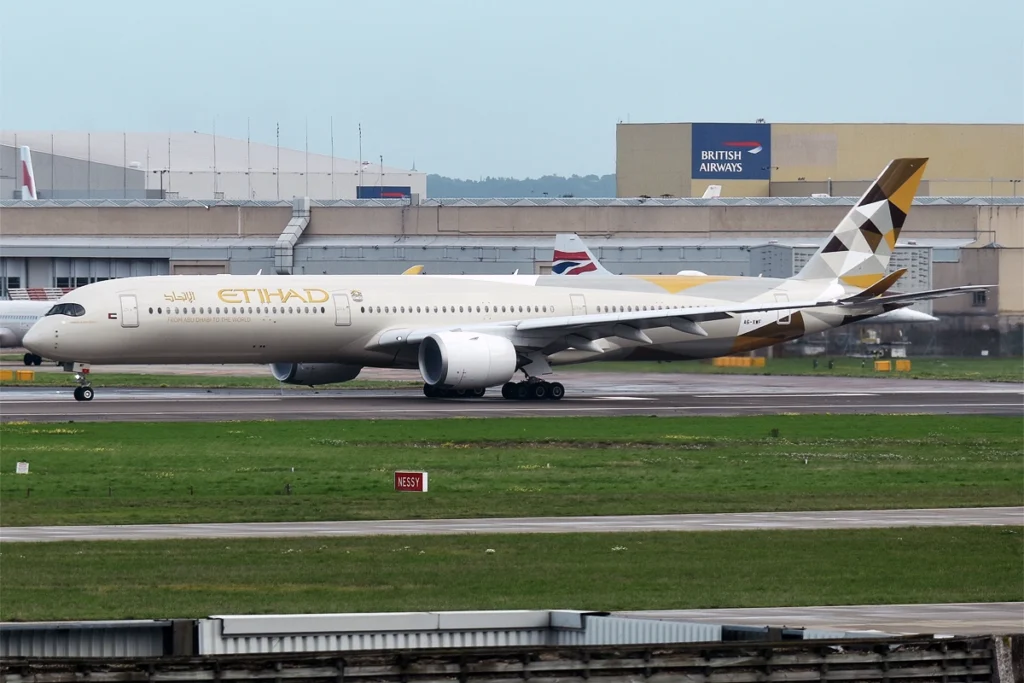
Etihad Airways Reduces Flights Across International Network
According to schedule information published by aviation data specialist AeroRoutes on November 10, 2026, Etihad has filed several service adjustments for the first quarter of 2027. The changes include frequency reductions, aircraft downgrades, and the cancellation of selected services.
The adjustments affect both long-haul and regional operations from Abu Dhabi International Airport (AUH). North American routes face some of the most noticeable reductions, while several European and Asian destinations will also receive fewer weekly flights.
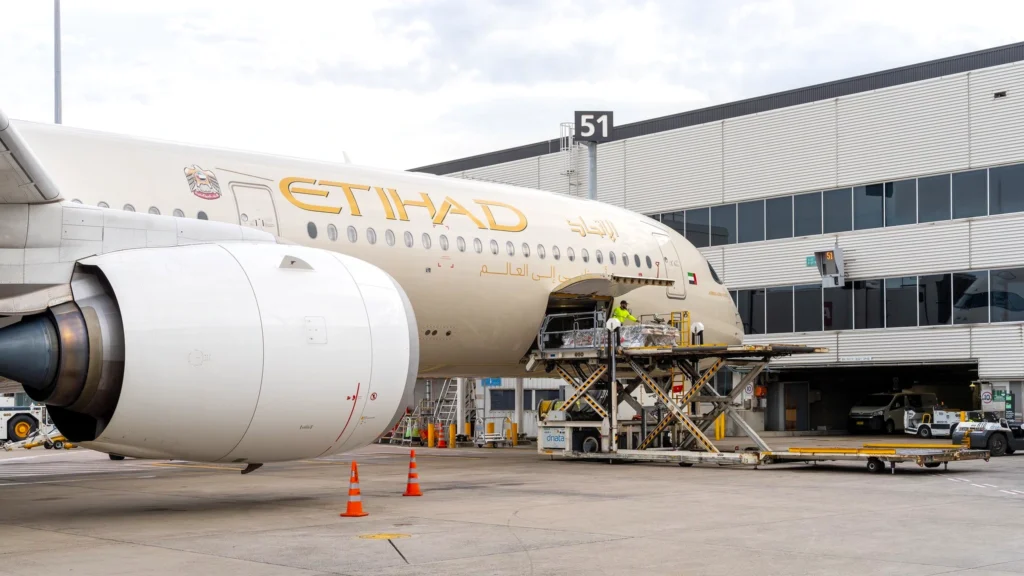
North America: Boston and Charlotte Lose Three Weekly Flights
Etihad is reducing services to Boston and Charlotte from daily flights to four weekly frequencies. Both routes are operated by Boeing 787-9 aircraft.
The airline will also reduce its Atlanta operation, while Toronto will lose the Airbus A380.
The revised North American schedule includes:
| Destination | Previous Service | Revised Service | Effective Date |
|---|---|---|---|
| Atlanta (ATL) | 5 weekly | 4 weekly | January 11, 2027 |
| Boston (BOS) | 7 weekly | 4 weekly | January 11, 2027 |
| Charlotte (CLT) | 7 weekly | 4 weekly | January 11, 2027 |
| Toronto (YYZ) | Daily A380 | Daily A350-1000 | January 19, 2027 |
The Boston and Charlotte reductions represent three fewer weekly flights on each route. Atlanta will lose one weekly service, with the Airbus A350-1000 remaining on the route.
Toronto will retain its daily Abu Dhabi connection, but Etihad will replace the Airbus A380 with the smaller Airbus A350-1000 from January 19.
This change will reduce the number of seats available on each departure compared with the A380 operation. Passengers who selected the superjumbo for its cabin experience will also face an aircraft change, PYOK flagged.
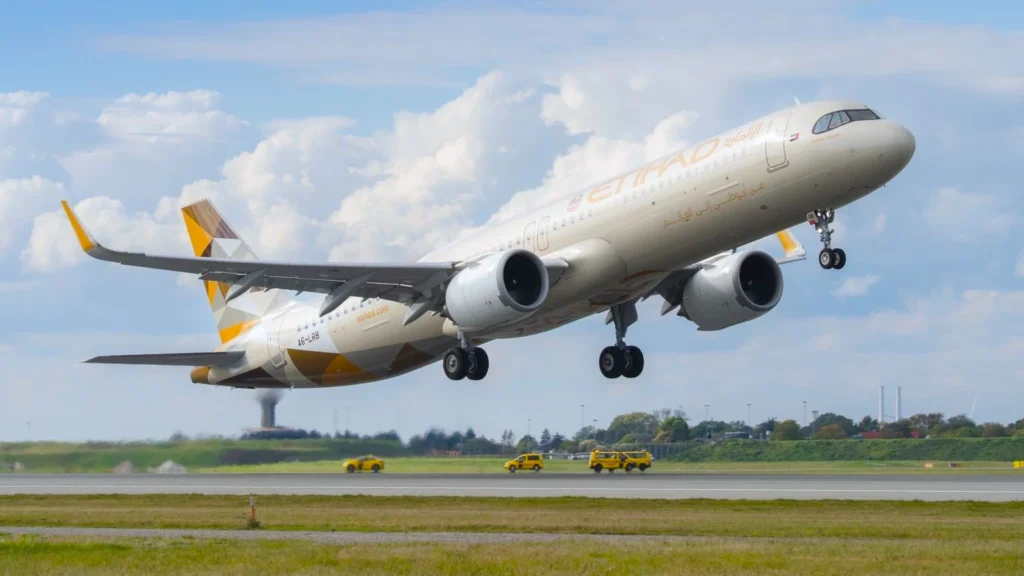
Europe: Frankfurt and Moscow Face Frequency Cuts
Etihad is also adjusting several European services, with Frankfurt and Moscow facing reductions in daily frequencies.
The Abu Dhabi-Frankfurt route will fall from two daily flights to one daily flight from January 11, 2027. The airline will also replace the Airbus A321LR with the Boeing 787-9 on the route.
Moscow Sheremetyevo will experience a similar reduction, although its changes will begin later in February.
Other European adjustments include:
| Destination | Previous Service | Revised Service | Effective Date |
|---|---|---|---|
| Düsseldorf (DUS) | 7 weekly | 5 weekly | January 10, 2027 |
| Frankfurt (FRA) | 2 daily | 1 daily | January 11, 2027 |
| Dublin (DUB) | 14 weekly | 12 weekly | January 12, 2027 |
| Manchester (MAN) | 14 weekly | 13 weekly | January 17, 2027 |
| Moscow (SVO) | 3 daily | 2 daily | February 1, 2027 |
| Vienna (VIE) | 11 weekly | 7 weekly | January 11, 2027 |
The Vienna route will experience one of the larger European frequency reductions, falling from 11 to seven weekly flights. Etihad will deploy the Boeing 787-9 instead of the Airbus A321LR.
Düsseldorf will lose two weekly flights, while Dublin will move from 14 to 12 weekly services. Manchester will see a smaller adjustment, with the airline reducing its schedule by one weekly flight.
The Moscow reduction will take effect on February 1, with Etihad moving from three daily flights to two.
Paris Charles de Gaulle (CDG) will also receive an aircraft adjustment. Etihad will replace the Airbus A350-1000 with the Boeing 787-9 on flights EY033 and EY034 from January 11.
However, this change does not represent an overall frequency reduction on the Paris route. The airline’s filed schedule shows 11 weekly Boeing 787-9 flights and seven weekly Airbus A350-1000 flights. AeroRoutes
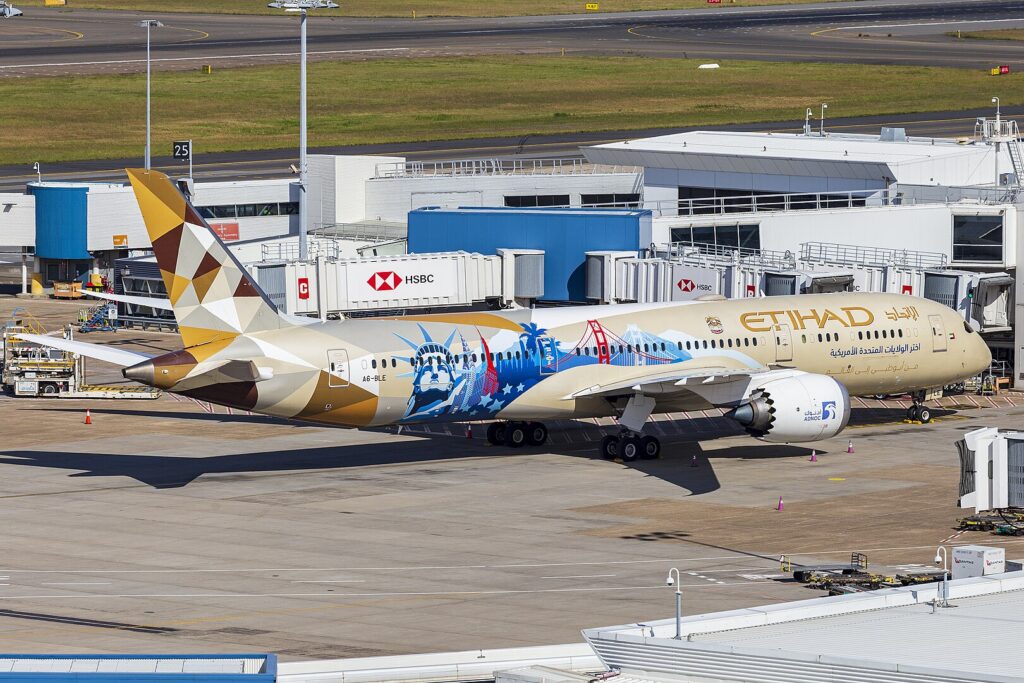
Asia: Phuket, Krabi and Malé Lose Flights
Etihad’s Asian network will experience several frequency adjustments, particularly across popular leisure destinations in Southeast Asia and the Indian Ocean.
Phuket will see its weekly frequency fall from 36 to 28 flights from January 11, 2027. The airline will also change the aircraft operating selected services, replacing Boeing 787-9 aircraft with Airbus A321LR aircraft.
The revised Phuket operation will consist of two daily Boeing 787 flights and two daily Airbus A321LR flights.
Krabi will lose four weekly flights, while Hanoi will see its frequency decrease by two weekly services.
The changes across Asia include:
| Destination | Previous Service | Revised Service | Effective Date |
|---|---|---|---|
| Malé (MLE) | 3 daily | 2 daily | January 11, 2027 |
| Phuket (HKT) | 36 weekly | 28 weekly | January 11, 2027 |
| Krabi (KBV) | 14 weekly | 10 weekly | January 12, 2027 |
| Hanoi (HAN) | 14 weekly | 12 weekly | January 13, 2027 |
| Seoul (ICN) | 11 weekly | 10 weekly | January 17, 2027 |
| Tashkent (TAS) | 7 weekly | 4 weekly | February 9, 2027 |
Malé, the capital of the Maldives, will move from three daily flights to two. This represents a reduction of seven weekly departures.
Etihad will also reduce its Seoul Incheon operation from 11 to 10 weekly flights. The Tashkent route will experience a larger adjustment, falling from daily services to four weekly flights from February 9.
Kuala Lumpur and Mahé Face Additional Changes
Etihad has cancelled plans to introduce a seasonal third daily flight between Abu Dhabi and Kuala Lumpur (KUL) from December 15, 2026.
The airline will also discontinue its daily Abu Dhabi-Mahé (SEZ) service from January 11, 2027. The cancelled operation used the Airbus A320neo.
The Mahé adjustment represents a complete withdrawal of the scheduled daily service rather than a reduction in frequency.
Singapore Loses the Airbus A380
Singapore (SIN) will also lose its Airbus A380 service from January 11, 2027.
Etihad plans to replace the superjumbo with the Boeing 787-9 on the Abu Dhabi-Singapore route. The A380 operation scheduled between December 15, 2026, and January 10, 2027, will remain unchanged.
The switch will reduce the aircraft capacity available on the route. It will also remove the A380-specific First Apartments from the scheduled Singapore service during the revised operating period.
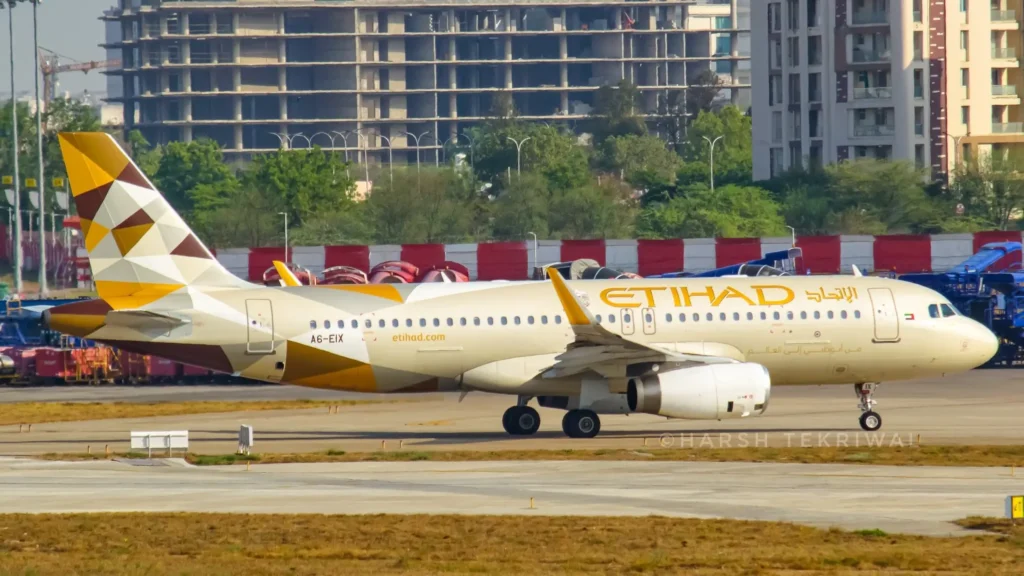
Africa: Nairobi Frequency Reduced
Etihad is also cutting capacity on its Abu Dhabi-Nairobi (NBO) route.
The airline will reduce the service from 14 to 10 weekly flights from January 11, 2027. The route will continue using Airbus A320ceo and A320neo aircraft.
The change will remove four weekly flights from the airline’s Nairobi schedule.
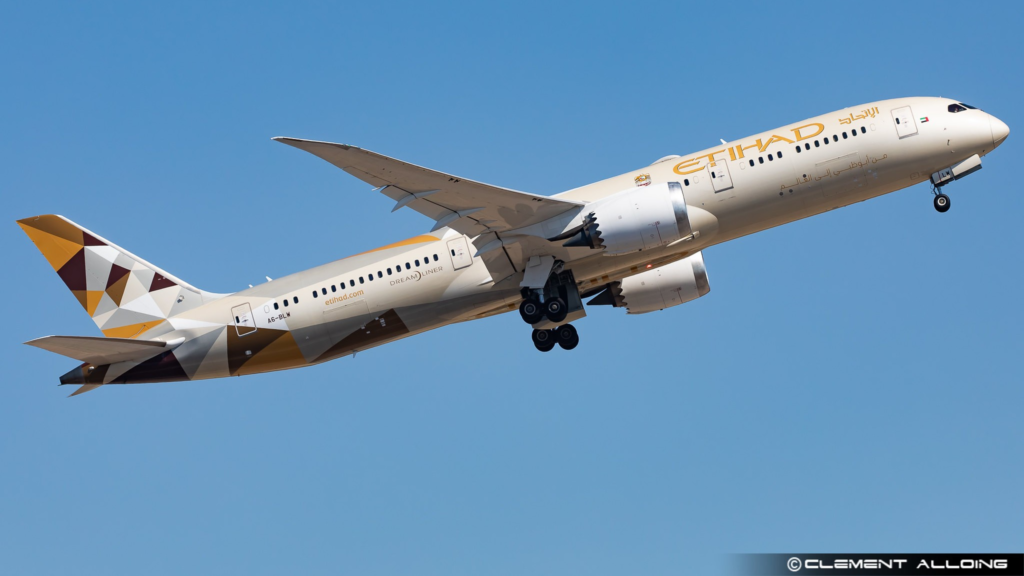
Bangkok Also Receives an Aircraft Change
Alongside the first-quarter frequency reductions, Etihad has filed an aircraft change for its Abu Dhabi-Bangkok Suvarnabhumi (BKK) route.
From December 14, 2026, Boeing 787-10 aircraft will replace Airbus A350-1000 aircraft on flights EY406 and EY407.
This adjustment does not indicate a frequency reduction in the published filing. Instead, it changes the aircraft assigned to the two flight numbers.
The change is part of Etihad’s wider fleet allocation adjustments ahead of the 2027 schedule period. AeroRoutes

Etihad’s Journey 2030 Expansion Strategy Remains Ambitious
The capacity reductions come as Etihad continues its ambitious Journey 2030 expansion strategy under Chief Executive Officer Antonoaldo Neves.
Etihad introduced Journey 2030 in November 2023, outlining plans to expand its international network, increase its aircraft fleet and attract more passengers through Abu Dhabi.
The original strategy targeted more than 125 destinations, a fleet of over 160 aircraft and 33 million annual passengers by 2030.
However, the airline has subsequently increased its growth ambitions.
In September 2026, Neves said Etihad expected to carry 37 million passengers annually by 2030 and expand its fleet to approximately 200 aircraft. The carrier had already grown its network to more than 130 destinations and was adding around 20 aircraft annually.
The airline also reported strong growth during 2025, when it carried 22.4 million passengers and ended the year with 127 aircraft in its operating fleet.
These targets demonstrate that Etihad continues to pursue substantial expansion despite the latest schedule adjustments.

Why Is Etihad Reducing Capacity in 2027?
The latest schedule changes raise questions about the airline’s capacity planning and demand across individual markets.
Airlines regularly adjust flight frequencies and aircraft assignments to match expected passenger demand, operating costs and available fleet capacity. Routes with weaker seasonal demand or lower yields can become candidates for frequency reductions.
The aviation industry has also faced geopolitical disruption and higher operating costs during 2026. These pressures have affected airlines across the Middle East.
However, the published Etihad schedule filing does not identify the specific reasons behind the reductions. There is currently no confirmed evidence that the airline has directly linked these changes to higher fuel prices, weaker demand or the geopolitical situation.
In September 2026, Etihad’s Chief Revenue and Commercial Officer Arik De told EnterpriseAM that the airline was operating around 15% more capacity year-on-year, with aircraft running approximately 90% full. The report also stated that Etihad had not changed its expansion plans despite industry disruptions. UAE
The latest schedule adjustments should therefore be viewed as individual network and capacity decisions rather than proof that the airline has abandoned its broader growth strategy.
Do the Flight Cuts Put Journey 2030 at Risk?
The reductions represent a notable change across several international markets, but they do not automatically indicate a reversal of Etihad’s expansion plans.
The airline continues to invest in its fleet, introduce new destinations and increase passenger capacity across its network. Its target of approximately 200 aircraft and 37 million annual passengers by 2030 highlights the scale of its longer-term ambitions.
At the same time, maintaining growth requires careful capacity planning. Adding flights and aircraft does not guarantee that every route will deliver sustainable financial returns.
Etihad may continue to increase capacity in stronger markets while reducing frequencies or changing aircraft on selected routes. This approach allows the carrier to align available seats with market conditions without abandoning its broader expansion objectives.
For passengers, the immediate impact will be fewer flight options on several routes and changes to aircraft operating Toronto and Singapore services. Travellers booked during the affected period should check their flight status and aircraft details directly with Etihad, as filed schedules can change.
The first-quarter 2027 reductions are significant, but the airline’s wider Journey 2030 ambitions remain a separate measure of its long-term strategy.
Stay tuned with us. Further, follow us on social media for the latest updates.
Join us on Telegram Group for the Latest Aviation Updates. Subsequently, follow us on Google News
