

BRUSSELS— Ryanair (FR) is urging the European Union to temporarily suspend its new Entry/Exit System (EES) until September, warning that prolonged immigration queues are disrupting passengers during one of the busiest travel periods of the year.
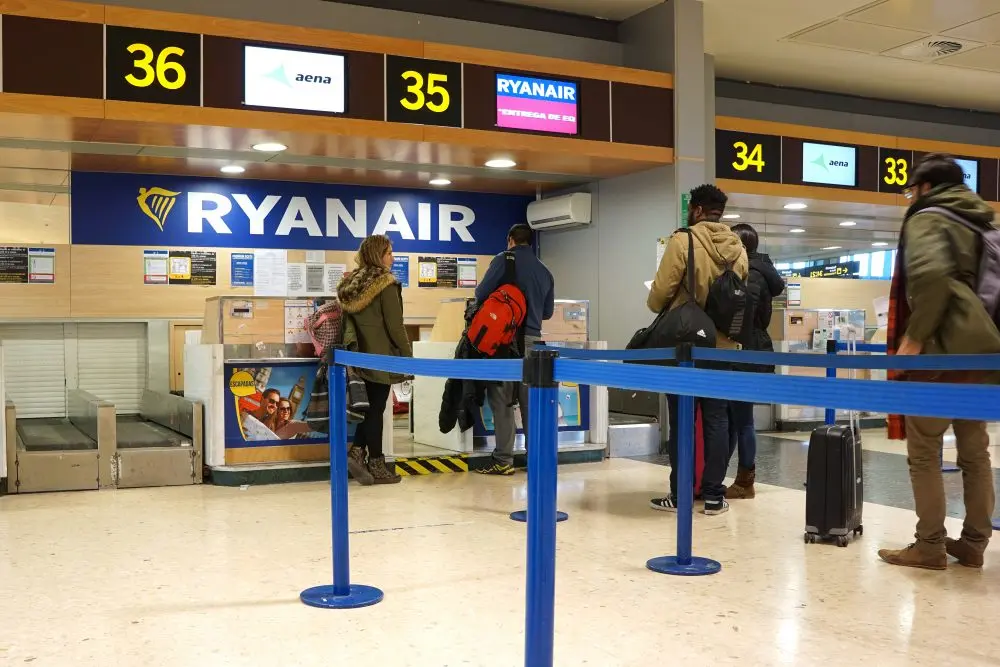
The airline says the biometric border control program is creating severe congestion at airports across Europe, with some travelers reportedly waiting more than five hours to clear passport control.
The renewed appeal comes as airport trade bodies warn the situation has reached a critical stage.
According to Ryanair, passengers traveling through major European hubs, including Milan (MXP), Paris (BVA), and other airports in France, Italy, and Spain, are increasingly facing lengthy delays that could lead to missed flights and operational disruption during the peak summer holiday season.
Ryanair Border Queue Crisis Across Europe
Ryanair argues that the EU launched the biometric Entry/Exit System before many member states had the infrastructure and staffing required to manage the additional screening process efficiently.
The EES replaced traditional passport stamping for non-EU travelers with biometric verification, requiring fingerprints and facial photographs before border officials complete immigration clearance.
While the system is intended to strengthen border security and improve the tracking of travelers entering and leaving the Schengen Area, airlines say implementation has been rushed.
Airport association ACI Europe recently warned that immigration queues have exceeded five hours at certain airports during peak travel periods, significantly surpassing earlier estimates of delays lasting up to three hours.
Ryanair Chief Operations Officer Neal McMahon said passengers and families should not become “guinea pigs” for a system that remains unprepared for heavy summer traffic.
The airline believes postponing mandatory biometric checks until September would allow governments additional time to improve staffing, install more processing kiosks, and stabilize the technology.
EES Impact on Immigration Queues
The Entry/Exit System applies to third-country nationals entering participating European countries. Travelers from nations including the United States, the United Kingdom, Canada, and Australia must complete biometric registration before crossing the border, PYOK reported
The process usually begins at self-service kiosks where fingerprints or facial images are collected. Travelers must then proceed to an immigration officer for final verification before entering the country.
Industry groups argue that this two-step procedure is creating major bottlenecks because many airports lack enough biometric kiosks or border personnel to process large passenger volumes quickly.
Some governments have already introduced temporary flexibility. Greece has suspended biometric data collection during the peak summer season, while several other countries have been allowed to reduce or pause certain procedures when queues become excessive.

Industry Calls Action on EES
Ryanair says similar flexibility should be adopted across all participating countries until after the summer travel rush ends.
The airline has also advised passengers traveling through affected airports to arrive earlier than usual, particularly on routes involving non-Schengen destinations where passport control processing is required.
Airport operators, airlines, and aviation organizations continue urging the European Commission to introduce broader operational flexibility before delays further impact tourism, airline schedules, and passenger confidence.
Industry leaders maintain that the long-term benefits of the Entry/Exit System remain important, but they insist its implementation must match airport capacity to prevent unnecessary disruption during Europe’s busiest travel season.
Stay tuned with us. Further, follow us on social media for the latest updates.
Join us on Telegram Group for the Latest Aviation Updates. Subsequently, follow us on Google News
