

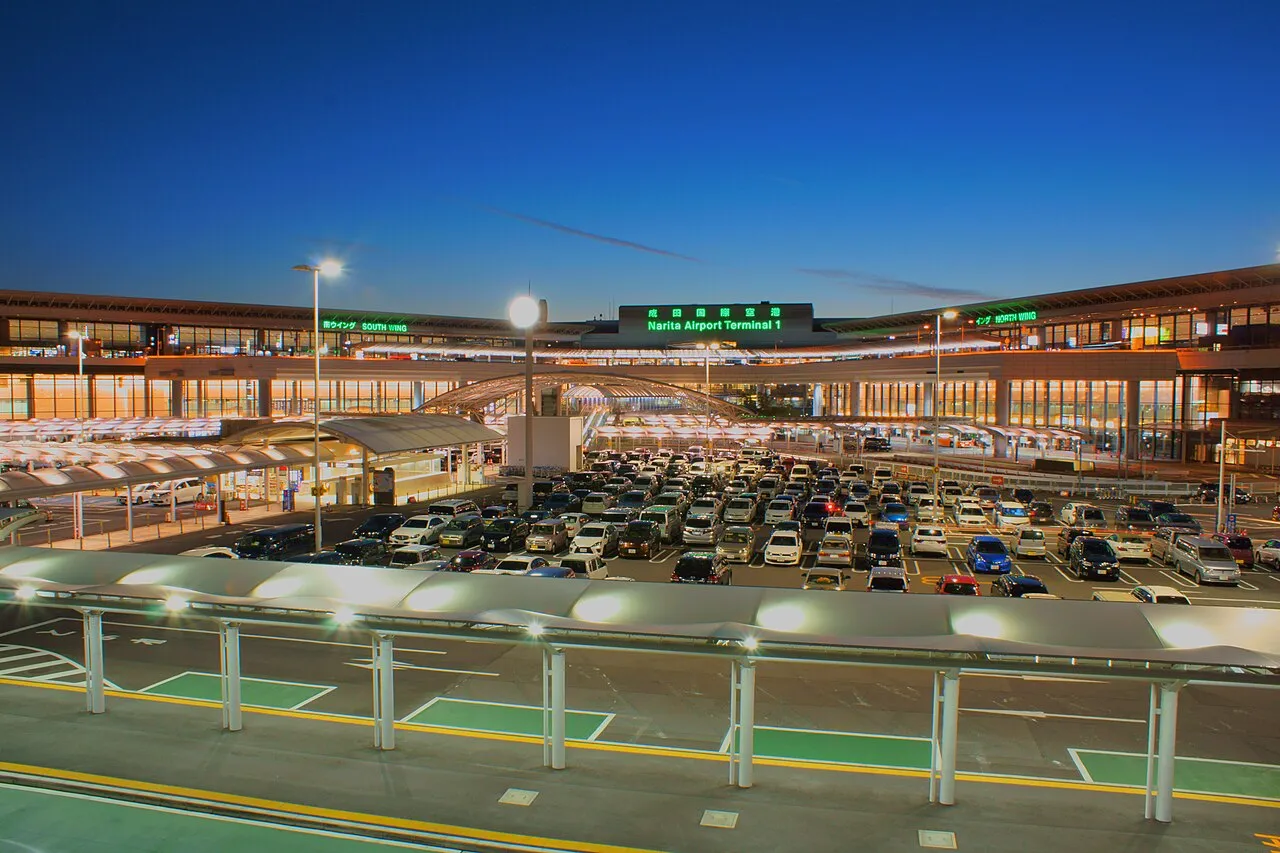
Passenger numbers often measure the world’s busiest airports, but the true mark of excellence lies in how well they serve those travellers. Airports handling between 40 million and 50 million passengers annually occupy an important middle ground.
They are large enough to function as major international gateways while often providing a smoother and less congested experience than mega hubs with much higher traffic.
The Skytrax World Airport Awards 2026 recognise airports that consistently deliver exceptional standards across cleanliness, efficiency, customer service, terminal comfort, shopping, dining, and overall passenger satisfaction. The airports in this category span North America, Europe, Asia, and Australia, showcasing the best of modern aviation infrastructure and hospitality.
Top 10 Airports Handling 40 to 50 million Passengers in 2026
Whether connecting continents, serving booming metropolitan regions, or acting as key domestic hubs, these airports continue investing in technology, sustainability, and passenger-focused improvements.
Here are the top 10 best airports in the world handling between 40 and 50 million passengers in 2026.
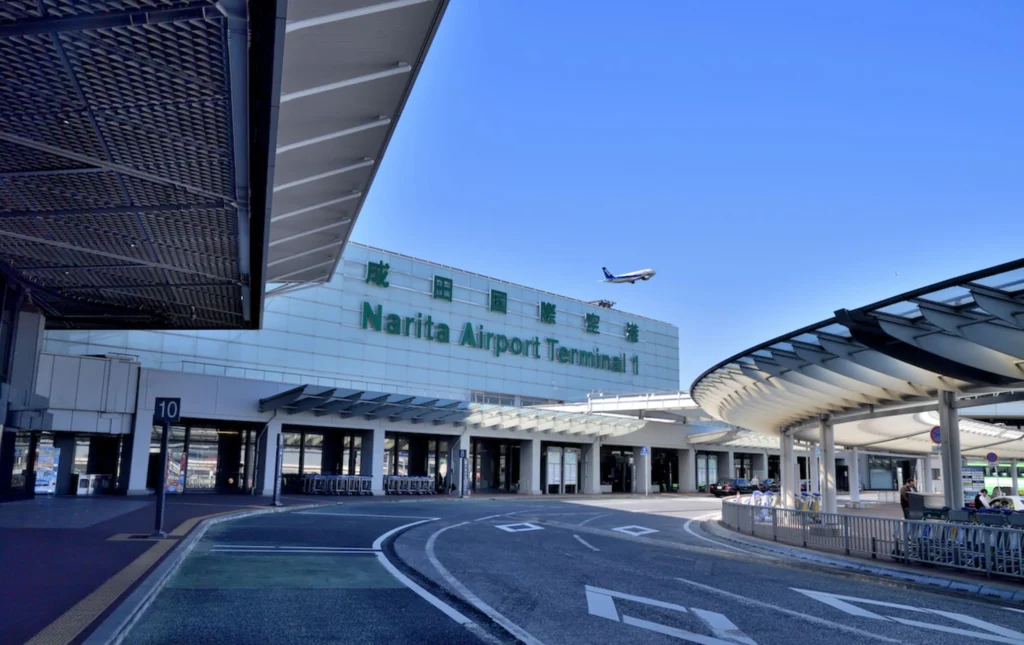
1. Tokyo Narita International Airport (Japan)
Tokyo Narita claims the number one spot in the 40–50 million passenger category and remains one of the world’s most admired airports.
Serving as a major international gateway to Japan, Narita has earned an outstanding reputation for efficiency, cleanliness, and exceptional customer service. Despite its large size, the airport is remarkably easy to navigate thanks to clear signage and thoughtfully designed terminals.
Passengers regularly praise the professionalism of airport staff, who provide courteous assistance and maintain smooth operations throughout check-in, security, and boarding. Dining options range from authentic Japanese cuisine to international favourites, while shopping areas offer everything from luxury brands to local souvenirs.
Narita also benefits from excellent transport links to central Tokyo, making it convenient for both tourists and business travellers. Its combination of operational excellence and traditional Japanese hospitality makes it a deserving leader in this category.
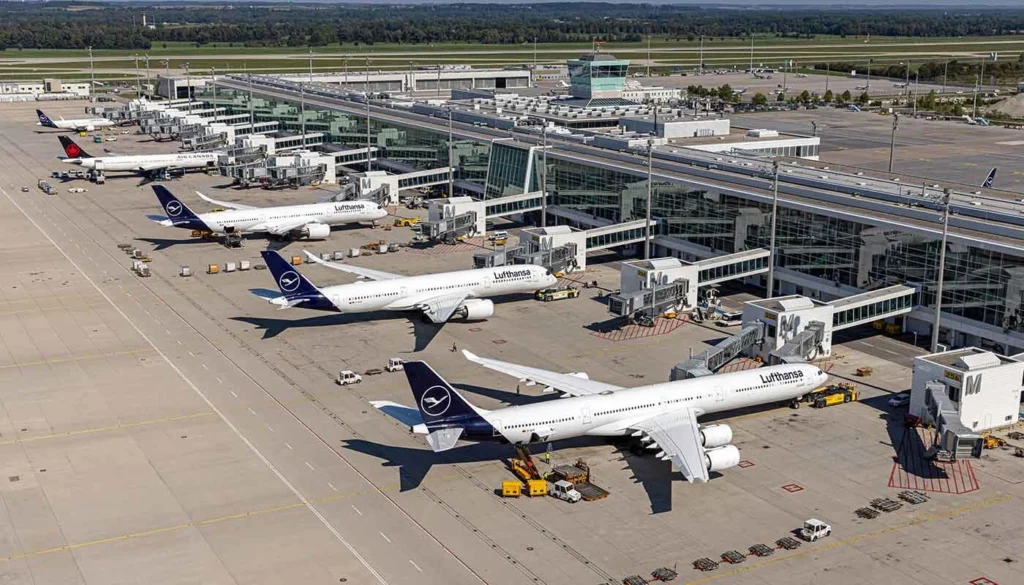
2. Munich Airport (Germany)
Munich Airport secures second place and continues to set high standards for European aviation.
Known for its modern architecture and efficient layout, the airport provides passengers with a relaxed and comfortable travel experience. Spacious terminals, premium lounges, extensive retail options, and excellent restaurants contribute to its strong international reputation.
The airport is frequently recognised for outstanding cleanliness and customer service. Friendly multilingual staff assist travellers throughout their journey, while efficient security procedures help minimise waiting times.
Munich also embraces innovation through digital technologies and sustainability initiatives, ensuring that it remains one of Europe’s most respected airports.
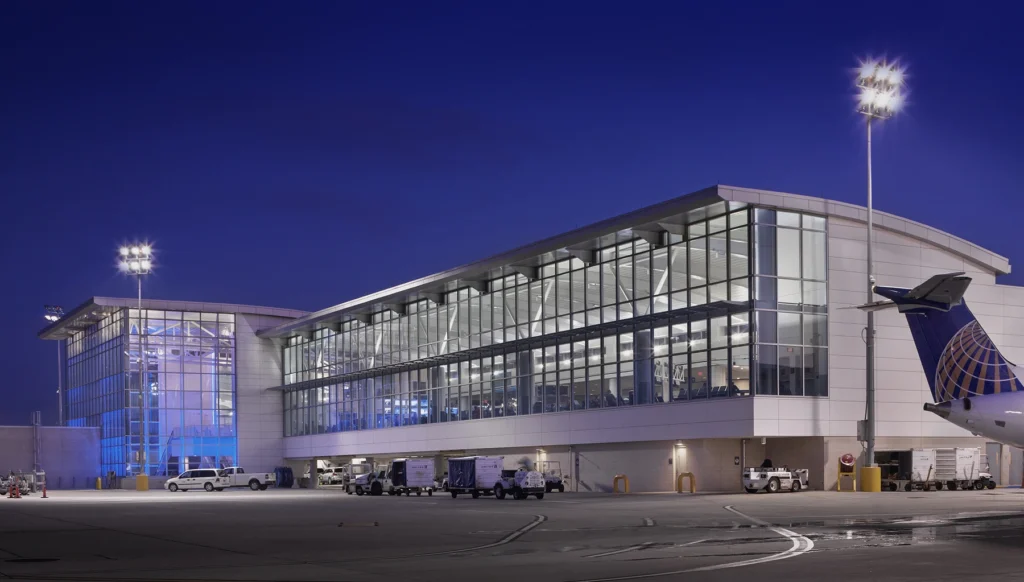
3. George Bush Intercontinental Airport, Houston (United States)
Houston’s George Bush Intercontinental Airport ranks third and serves as one of North America’s most important global gateways.
Connecting travellers across the Americas, Europe, Asia, and the Middle East, the airport offers extensive route networks and reliable operations. Recent terminal improvements have enhanced passenger comfort with upgraded lounges, modern facilities, and expanded dining choices.
Travellers often appreciate the airport’s efficient immigration procedures, helpful staff, and well-organised layout. Public art displays and Texas-inspired restaurants add local character to the overall experience.
Houston continues strengthening its position through investments in technology and infrastructure designed to accommodate future growth.
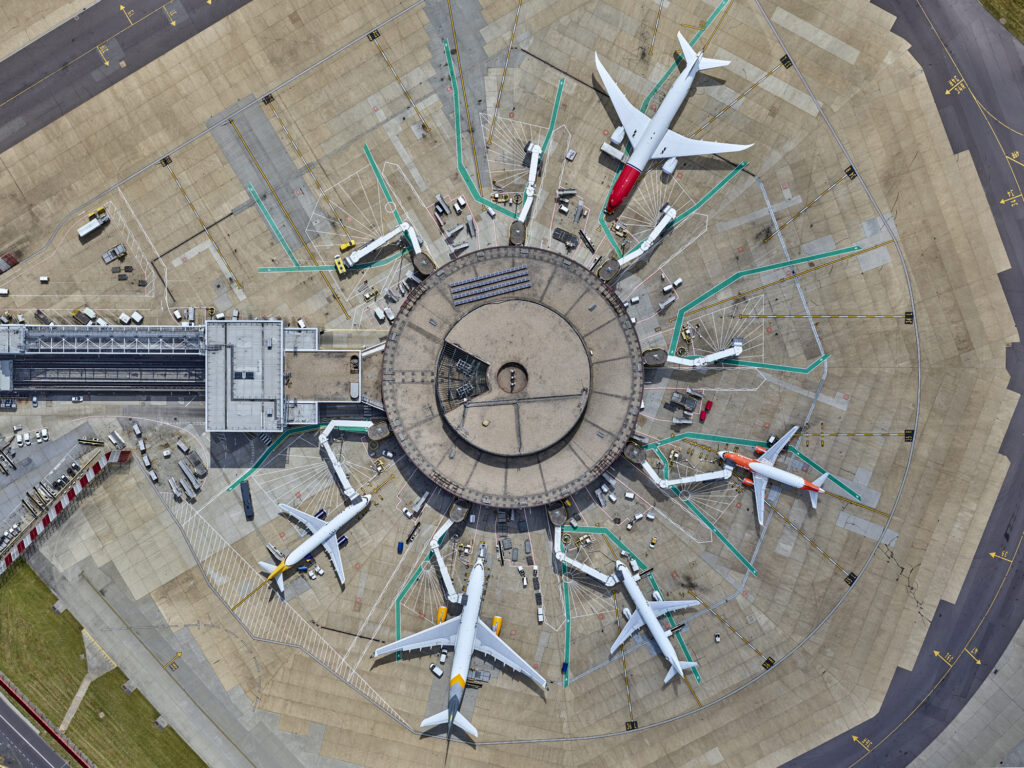
4. London Gatwick Airport (United Kingdom)
London Gatwick takes fourth place and remains Britain’s second-busiest airport.
Serving millions of leisure and business travellers each year, Gatwick has steadily improved its passenger experience through terminal upgrades and operational enhancements. Modern retail areas, varied restaurants, and comfortable waiting spaces make it an attractive alternative to larger hubs.
The airport’s staff receive favourable reviews for professionalism and efficiency, while transport links to central London are among the best in the country.
Ongoing investments in digital systems and sustainability programmes continue to enhance Gatwick’s reputation among international travellers.
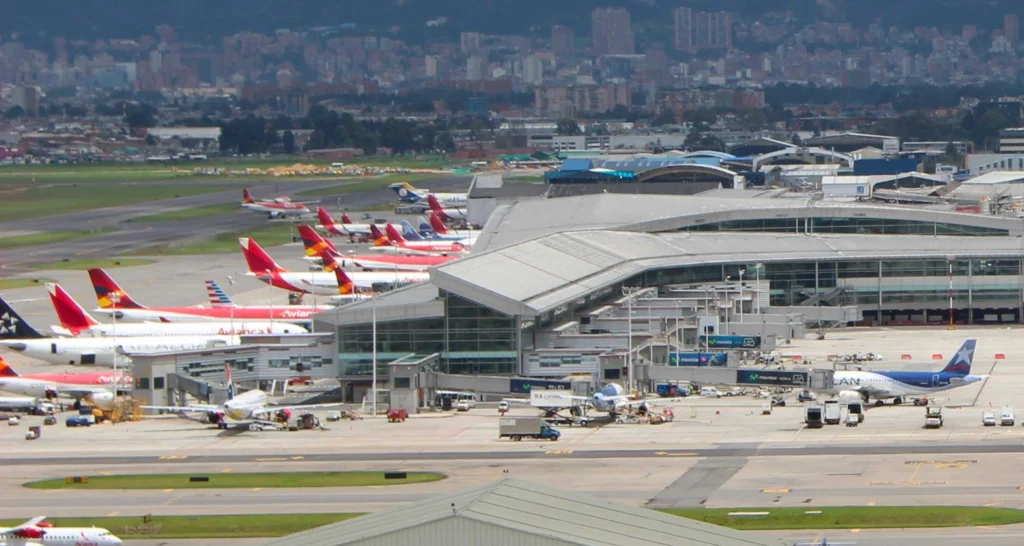
5. El Dorado International Airport, Bogota (Colombia)
Bogota’s El Dorado International Airport ranks fifth and stands as one of Latin America’s leading aviation hubs.
The airport has modernised significantly in recent years, introducing upgraded terminals and improved passenger facilities while supporting rapid growth in international traffic. Spacious interiors, efficient processing systems, and friendly customer service contribute to positive traveller experiences.
Passengers also enjoy a broad selection of dining options and retail outlets reflecting Colombian culture alongside global brands.
El Dorado’s strategic location makes it an increasingly important gateway connecting North America, South America, and Europe.

6. Kempegowda International Airport, Bangalore (India)
Bangalore secures sixth place and continues earning praise as one of India’s finest airports.
The airport’s newer facilities combine advanced technology with sustainable design principles, creating an efficient and pleasant environment for travellers. Spacious terminals, impressive architecture, landscaped areas, and extensive passenger amenities contribute to its growing international reputation.
Visitors often commend the airport’s cleanliness, courteous staff, and smooth security procedures. Retail outlets, cafés, and lounges cater to both domestic and international passengers.
As India’s technology capital continues expanding, Bangalore Airport remains well-positioned to support increasing travel demand.
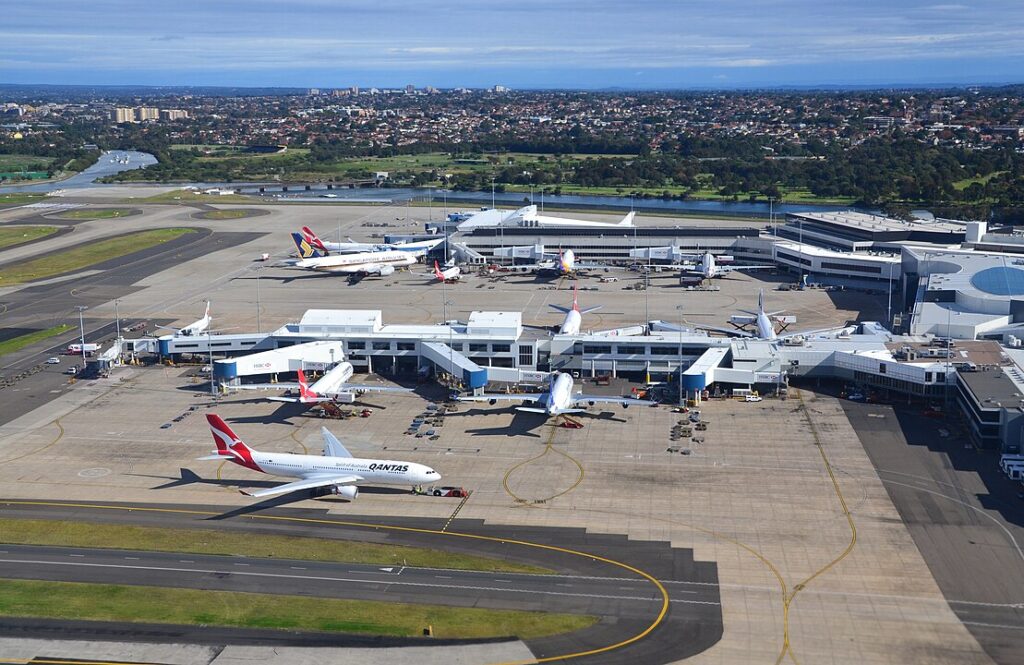
7. Sydney Airport (Australia)
Sydney Airport ranks seventh and serves as Australia’s busiest international gateway.
Its waterfront location and extensive airline network make it a vital hub connecting Oceania with Asia, Europe, and the Americas. Continuous infrastructure investments have improved passenger processing, terminal facilities, and transport connectivity.
Travellers appreciate the airport’s broad range of restaurants, duty-free shopping, and comfortable lounges. Customer service staff are regularly recognised for providing efficient assistance despite heavy passenger volumes.
Sydney continues balancing operational performance with a distinctly Australian sense of hospitality.

8. Toronto Pearson International Airport (Canada)
Toronto Pearson claims eighth place and remains Canada’s largest aviation hub.
Serving as the country’s principal gateway for international travel, Pearson connects passengers to destinations across six continents. Ongoing terminal enhancements have improved navigation, baggage systems, and passenger amenities.
Visitors frequently highlight the airport’s modern facilities, strong retail offerings, and professional staff. Investments in digital services and accessibility have also contributed to higher passenger satisfaction.
Toronto Pearson continues playing a crucial role in North American and transatlantic aviation.

9. Newark Liberty International Airport (United States)
Newark Liberty ranks ninth and serves as one of the key airports for the New York metropolitan area.
Major redevelopment projects have modernised terminal facilities, introducing brighter spaces, upgraded seating areas, improved dining options, and enhanced technology. These investments have significantly improved the passenger experience.
Travellers appreciate Newark’s extensive international connectivity and relatively straightforward layout compared with some other major metropolitan airports. Staff members work across busy operations to maintain efficient service levels.
Its strategic location near New York City ensures Newark remains an essential gateway for both domestic and overseas travel.
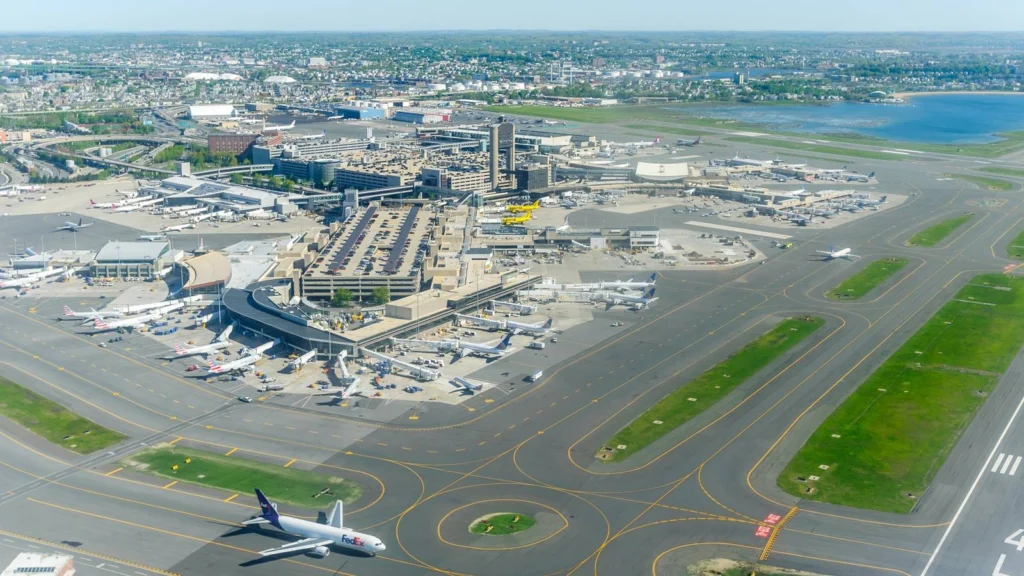
10. Boston Logan International Airport (United States)
Boston Logan completes the top ten and continues earning praise for its combination of efficiency and passenger comfort.
As New England’s principal international airport, Logan serves millions of travellers each year while offering modern terminals, strong airline connectivity, and high service standards. Renovation projects have expanded passenger facilities and improved sustainability initiatives.
Dining options highlight regional specialities alongside international cuisine, while lounges and retail areas provide additional convenience during layovers.
Friendly staff, reliable operations, and proximity to downtown Boston further strengthen Logan’s reputation among travellers.
Why These Airports Stand Out
The highest-ranked airports in the 40–50 million passenger category consistently excel in several areas:
- Efficient check-in and boarding procedures.
- High standards of cleanliness throughout terminals.
- Comfortable lounges and waiting areas.
- Diverse shopping and dining experiences.
- Helpful multilingual customer service staff.
- Reliable baggage handling systems.
- Excellent transport connections.
- Modern technology supports smoother passenger flows.
- Continuous infrastructure improvements.
- Strong commitment to passenger satisfaction.
These qualities enable them to accommodate millions of travellers without compromising service quality.
Trends Defining the 2026 Rankings
- Greater emphasis on customer experience – Airports increasingly focus on reducing travel stress through intuitive layouts, faster processing, and expanded passenger amenities.
- Sustainability initiatives – Many airports continue investing in energy-efficient buildings, carbon reduction strategies, and environmentally responsible operations.
- Digital transformation – Biometric verification, automated check-in, and smart baggage systems are becoming standard features that improve efficiency.
- Architectural innovation – New terminals increasingly combine striking design with practical functionality, creating memorable spaces that reflect local culture and identity.
Looking Ahead
As global passenger demand grows, airports handling between 40 and 50 million travellers annually will continue expanding capacity while embracing new technologies and sustainability measures.
Artificial intelligence, contactless travel solutions, predictive operations, and personalised passenger services are likely to shape the next generation of airport experiences. Investments in these areas will help maintain efficiency while improving comfort and convenience.
The airports featured in this ranking have already demonstrated their ability to adapt and innovate, positioning themselves strongly for the future of international aviation.

Bottom Line
The best airports handling between 40 and 50 million passengers in 2026 prove that outstanding service is not limited to the world’s largest mega hubs.
Together, these airports show how thoughtful design, continuous investment, and customer-focused operations can create memorable travel experiences for tens of millions of passengers every year.
Best Airports with 50 Million Passengers FAQs
Tokyo Narita International Airport holds the top position according to the Skytrax 2026 rankings for airports handling between 40 and 50 million annual passengers.
Grouping airports by annual traffic creates fairer comparisons among facilities facing similar operational challenges and passenger demands.
The ranking includes airports from Asia, Europe, North America, South America, and Australia.
Stay tuned with us. Further, follow us on social media for the latest updates.
Join us on Telegram Group for the Latest Aviation Updates. Subsequently, follow us on Google News
