

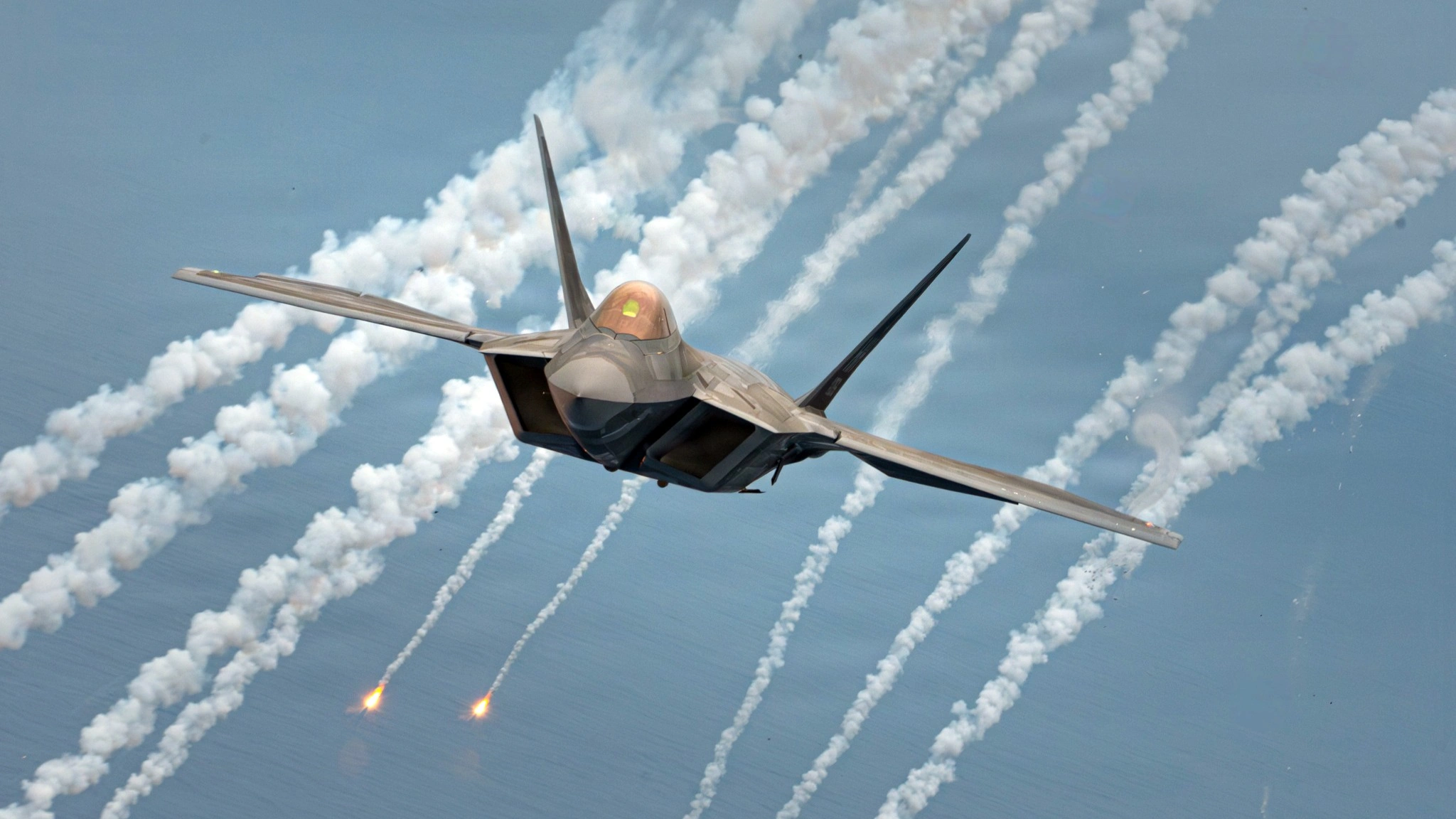
The paint applied to military aircraft serves far more than a cosmetic purpose.
While most aircraft rely on durable coatings for weather protection and corrosion resistance, advanced stealth fighters use highly specialized materials that directly contribute to combat survivability.
The difference becomes especially clear when comparing the Lockheed Martin F-22 Raptor and the Boeing B-52H Stratofortress.
Although both aircraft remain critical assets for the U.S. Air Force, the technologies behind their exterior finishes are dramatically different, resulting in vastly different maintenance requirements and operating costs.
F-22 Stealth Paint Maintenance
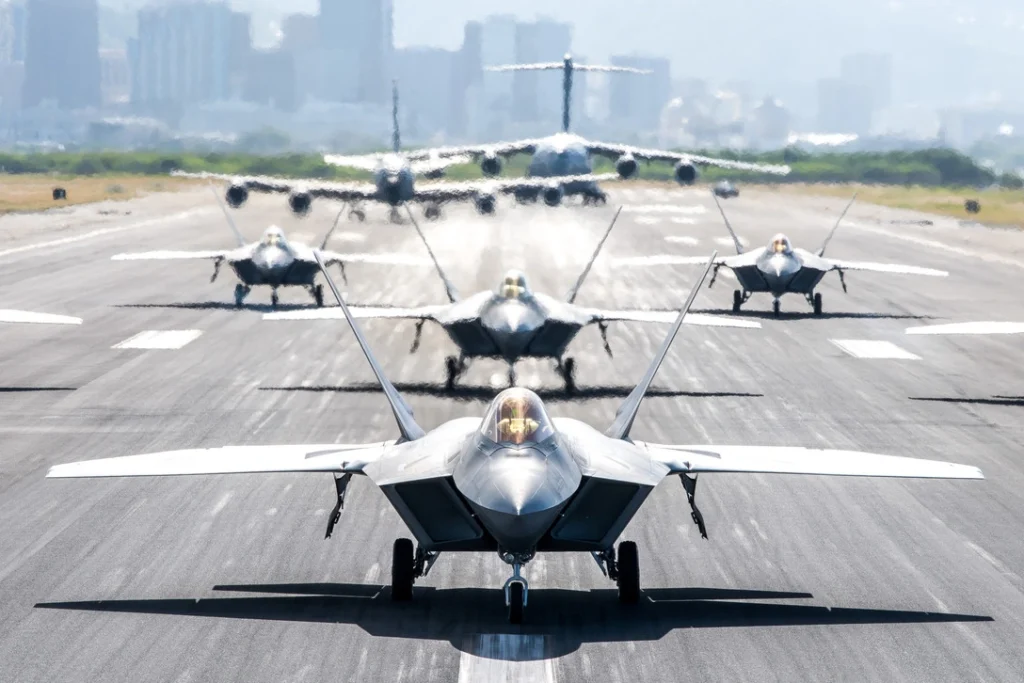
The F-22 Raptor represents one of the most sophisticated stealth fighters ever built. Its outer surface incorporates radar-absorbent materials designed to reduce radar reflections and help the aircraft avoid detection by enemy defense systems.
Unlike conventional military paint, the F-22’s coating forms part of the aircraft’s low-observable architecture. Even minor scratches, cracks, or surface imperfections can affect its stealth characteristics, requiring technicians to conduct frequent inspections and repairs.
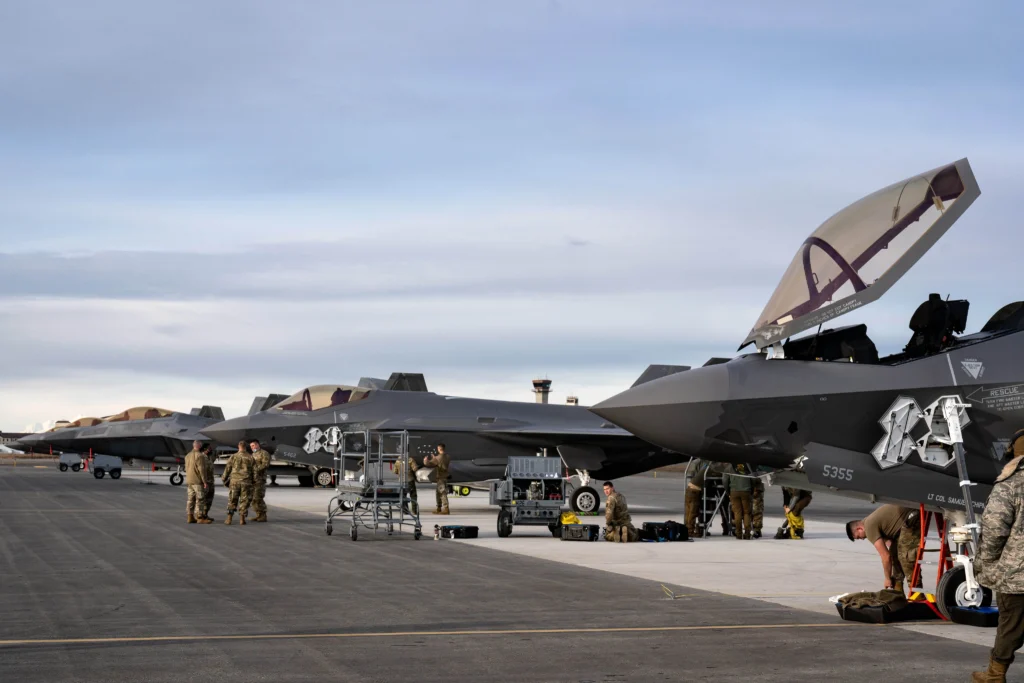
Maintaining this low-observable surface is a labor-intensive process. Ground crews spend approximately 30 hours performing maintenance for every hour the aircraft flies.
Around one-third of that effort focuses specifically on repairing, restoring, and curing the aircraft’s specialized stealth skin.
The challenge becomes even greater because the fighter can sustain supercruise speeds exceeding Mach 1.5 without using afterburners. Flying at such speeds generates significant aerodynamic heating along the aircraft’s leading edges.
Standard military paint would quickly deteriorate under these conditions. As a result, engineers developed advanced heat-resistant coatings capable of withstanding intense thermal stress while preserving stealth performance.
F-22’s High Operating Costs Explained
The complexity of the F-22’s stealth coating contributes significantly to its operating expenses. The radar-absorbent materials require controlled environmental conditions and careful handling to maintain effectiveness.
Unlike conventional paint systems, the stealth skin cannot simply be touched up using standard maintenance procedures. Specialized materials, trained personnel, and dedicated facilities are often required to perform repairs.
These requirements contribute to the aircraft’s estimated operating cost of approximately $85,000 per flight hour.
While many factors influence this figure, the maintenance burden associated with preserving the aircraft’s low-observable characteristics remains a major contributor.
The result is an aircraft capable of unmatched air superiority performance, but one that demands extensive resources to keep mission-ready.
B-52 Paint System And Durability
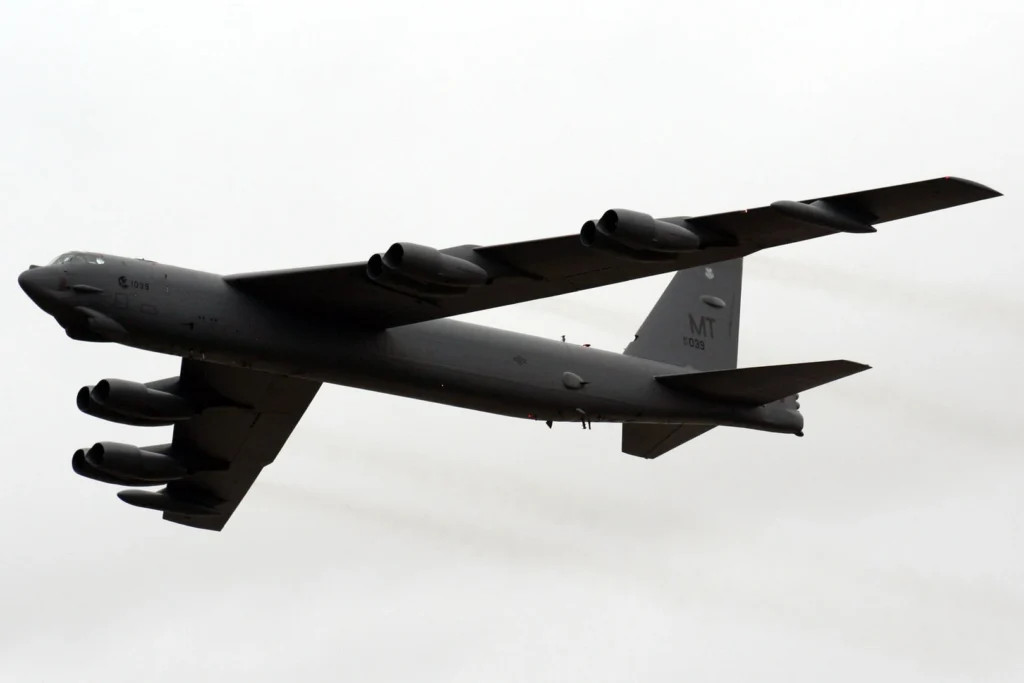
The Boeing B-52H Stratofortress follows a completely different design philosophy. Rather than relying on stealth, the bomber focuses on long-range strike capability, payload capacity, and operational endurance, Wion News reported
Because stealth is not a requirement, the B-52 uses conventional military polyurethane coatings. The aircraft typically receives two layers of durable paint designed primarily to protect against weather exposure and corrosion.
This coating system is considerably less expensive to maintain. Minor surface damage can often be repaired using standard procedures without specialized facilities or exotic materials.
Although the bomber undergoes major depot-level maintenance cycles approximately every four years, its exterior finish requires relatively little attention compared with modern stealth fighters.
This straightforward approach significantly reduces sustainment costs while allowing the aircraft to remain operational for decades.
The comparison highlights how stealth technology extends beyond aircraft design and directly influences long-term maintenance expenses.
While the F-22’s advanced coating enhances survivability in contested airspace, the B-52’s simpler paint system prioritizes durability, affordability, and ease of maintenance.
Stay tuned with us. Further, follow us on social media for the latest updates.
Join us on Telegram Group for the Latest Aviation Updates. Subsequently, follow us on Google News
