

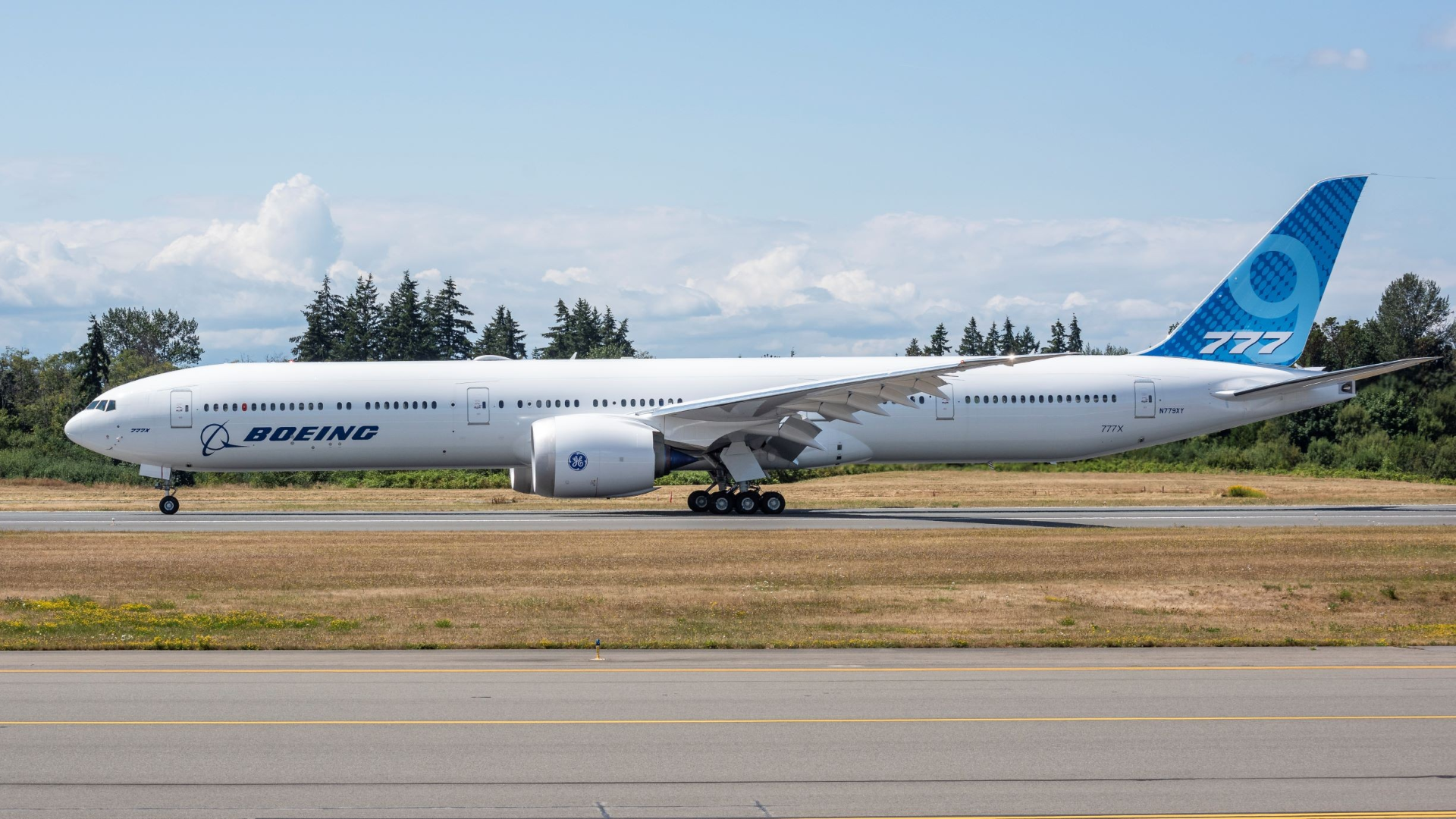
ARLINGTON— Boeing is preparing to send the first production Boeing 777-9 on a long-duration test flight toward the North Pole. The aircraft, registered N20080 and built for Lufthansa (LH), will depart Snohomish County Airport (PAE) in Washington and fly as far north as 85°N.
The mission is expected to last around 11 hours and 14 minutes, reaching a point roughly 300 nautical miles (556km) from the geographic North Pole. It marks one of the most extensive flight profiles flown by a production-standard aircraft in the 777X program.
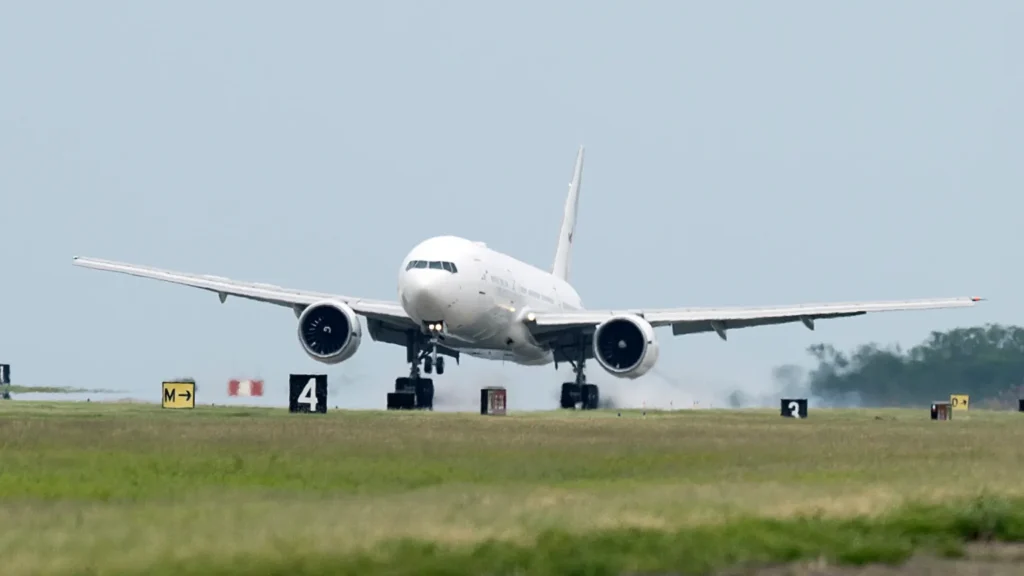
Boeing Production 777-9 Joins The Test Effort
N20080, designated WH128, is the first production-standard 777-9 built in airline configuration. Unlike Boeing’s dedicated flight-test prototypes, this aircraft was manufactured for Lufthansa and recently completed its first flight before joining the certification and validation campaign.
The aircraft is the sixth 777-9 airframe to fly, but the first produced to customer delivery standard. This distinction matters because certification programs typically shift from dedicated engineering aircraft toward production examples as they approach final validation.
Production airplanes allow Boeing to confirm systems in a configuration that closely matches delivered aircraft.
Boeing has stated that N20080 carries Lufthansa’s passenger cabin rather than a dedicated test interior.
The airplane features fully installed airline seating and in-flight systems instead of engineering test hardware. Future testing on the aircraft will emphasize cabin systems and connectivity alongside broader certification work.
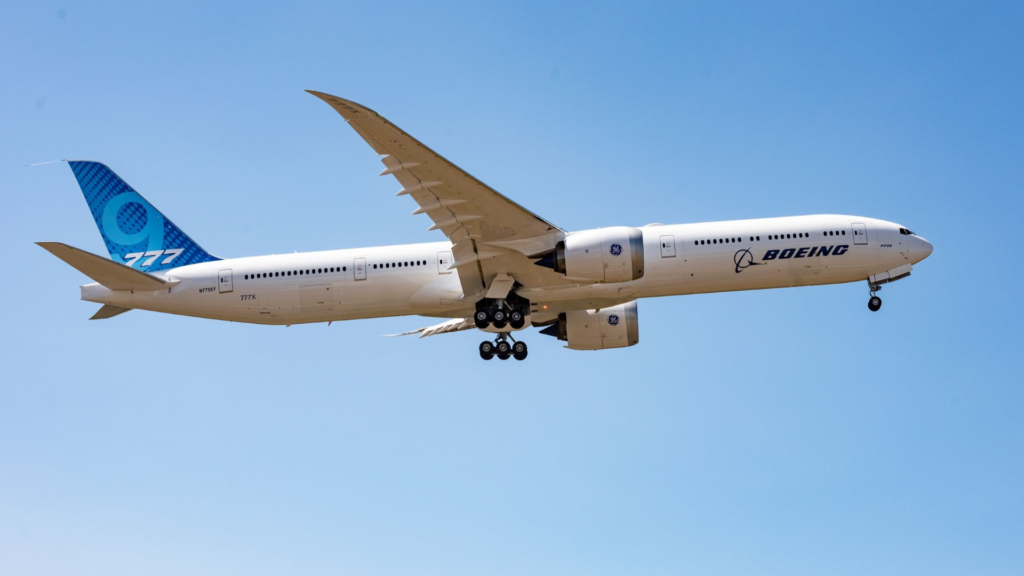
Operating In Extreme Northern Latitudes
Flights at very high northern latitudes differ from conventional long-haul operations because the operating environment changes as aircraft approach the polar region. Navigation systems, communications architecture, and route planning all face conditions that differ from lower-latitude flying.
Near the poles, magnetic references become less reliable because the Earth’s magnetic field lines converge and magnetic variation increases sharply. Modern transport aircraft instead use inertial reference systems and true-heading calculations to maintain accurate navigation.
At 85°N, the aircraft operates only about five degrees from the geographic North Pole, placing it deep within the high-Arctic environment.
Communications and operational infrastructure can also change across remote northern regions. Long-duration polar flights give operators and manufacturers a chance to observe aircraft systems over extended periods and across shifting operating conditions, Simple Flying reported.
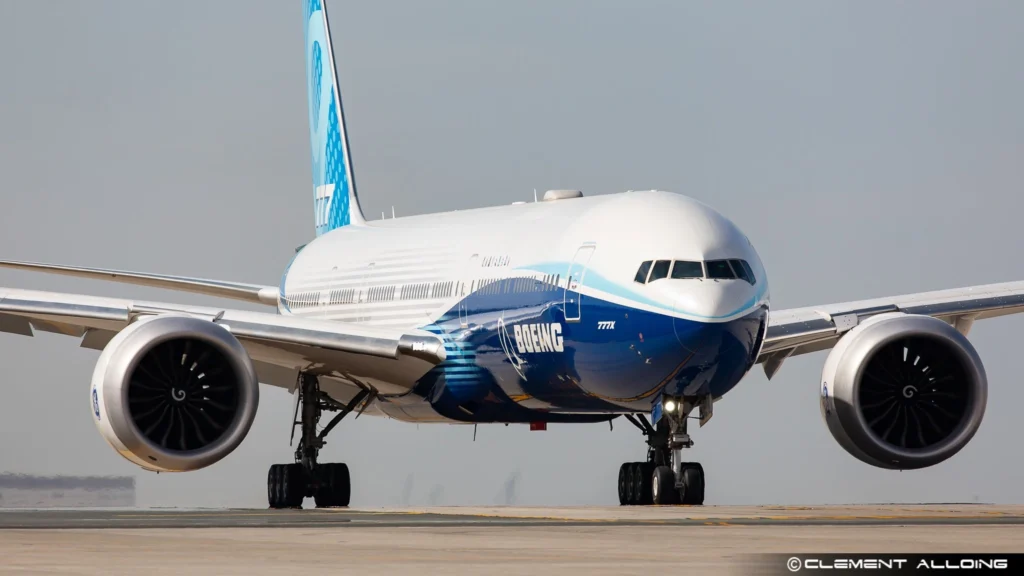
Where The 777-9 Certification Program Stands
The 777-9 has progressed through multiple stages of flight and ground testing since its first flight in January 2020.
Boeing’s certification effort combines dedicated test aircraft with production-standard examples in activities required for regulatory approval.
The broader campaign covers aircraft systems, operational performance, avionics, and handling characteristics.
According to Boeing, the 777-9 test fleet has accumulated more than 4,700 flight-test hours, while the 777X family has secured more than 620 orders.
In June, Boeing confirmed approval for TIA Phase 4B, which company executives described as one of the largest remaining portions of FAA-supervised testing. That approval lets Boeing proceed with additional certification activities under regulatory oversight.
Boeing has publicly maintained a target of first deliveries in 2027. ETOPS-related work also remains part of the certification effort before entry into service.
Production aircraft such as N20080 form part of that broader process as Boeing works toward completing certification and preparing the 777-9 for customer introduction.
Stay tuned with us. Further, follow us on social media for the latest updates.
Join us on Telegram Group for the Latest Aviation Updates. Subsequently, follow us on Google News
