

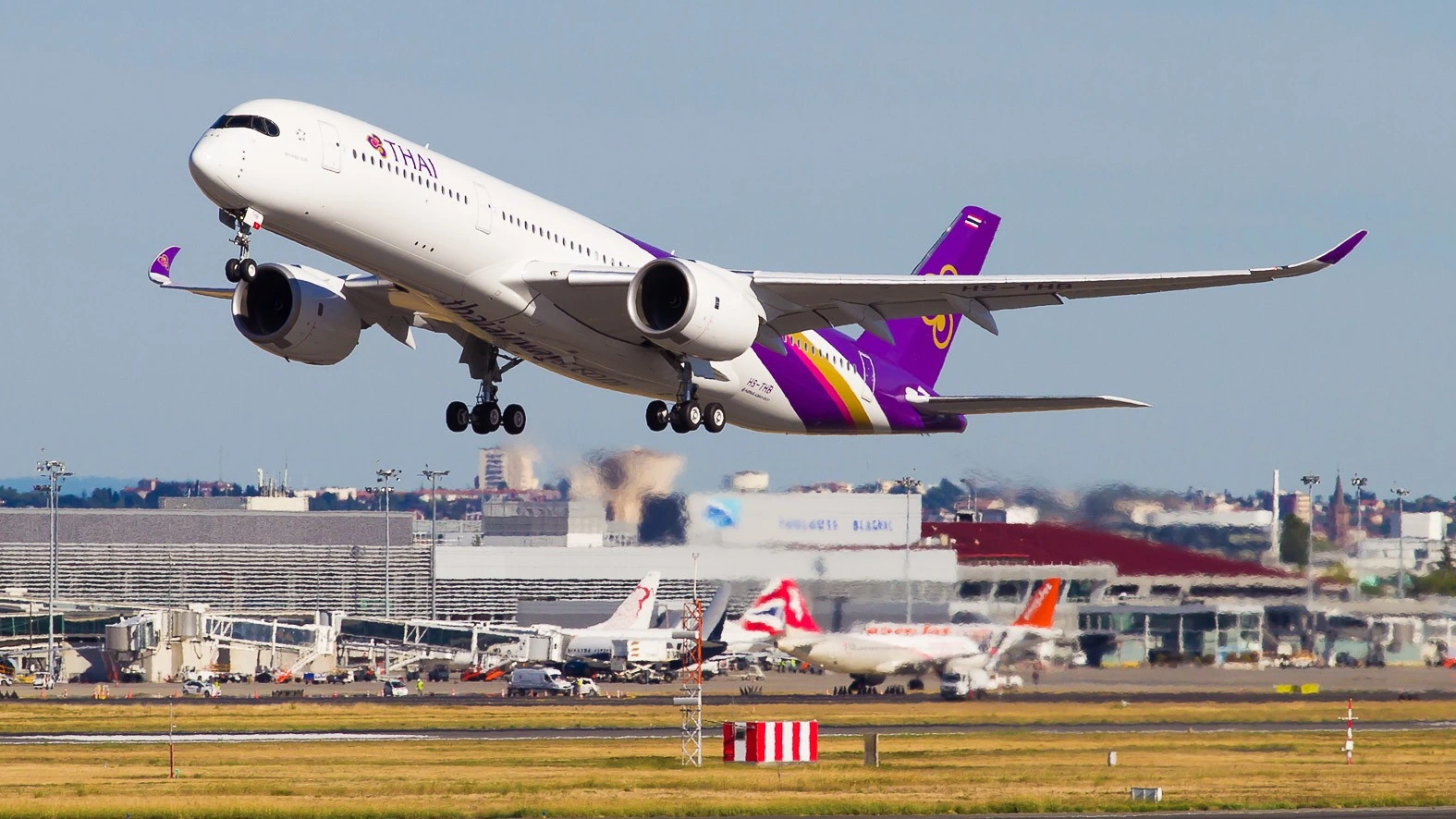
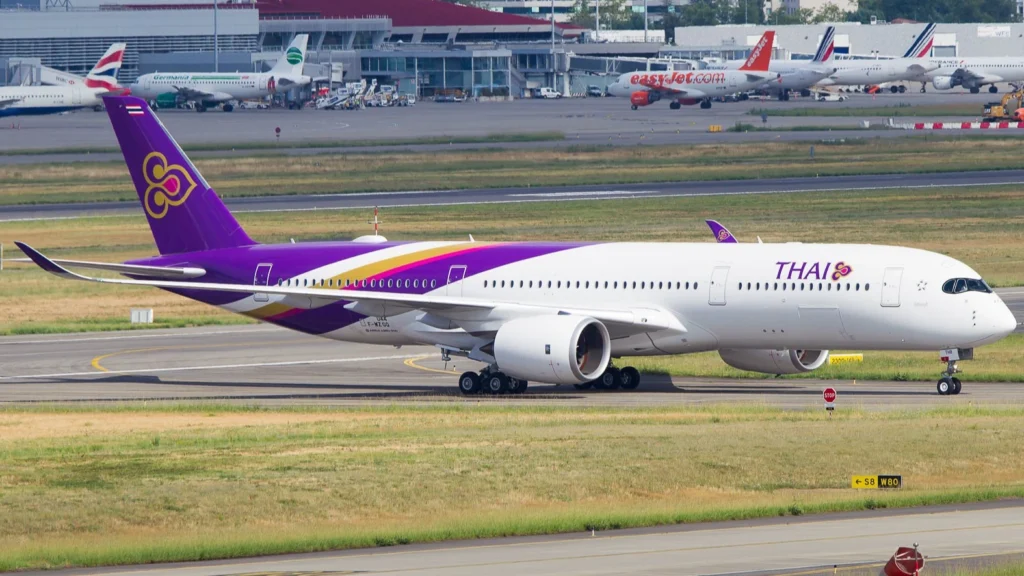
BANGKOK- A veteran frequent flyer alleges that he and his wife lost $3,500 in cash from their carry-on bags while they slept aboard Thai Airways (TG) flight TG900 from Bangkok (BKK) to Istanbul (IST).
He collapsed outside the airport police station hours later and was diagnosed with a brain bleed. He believes passengers on the Thai Airways service were drugged and that airline employees worked with the thieves, though neither claim has been substantiated.
Inside Thai Airways Flight Theft Claim
The passenger, identified as Scott, is an original FlyerTalk member known to the blogger who published his account for nearly 25 years. He has logged more than 5,000 flights and has been recognized within the frequent flyer community for decades.
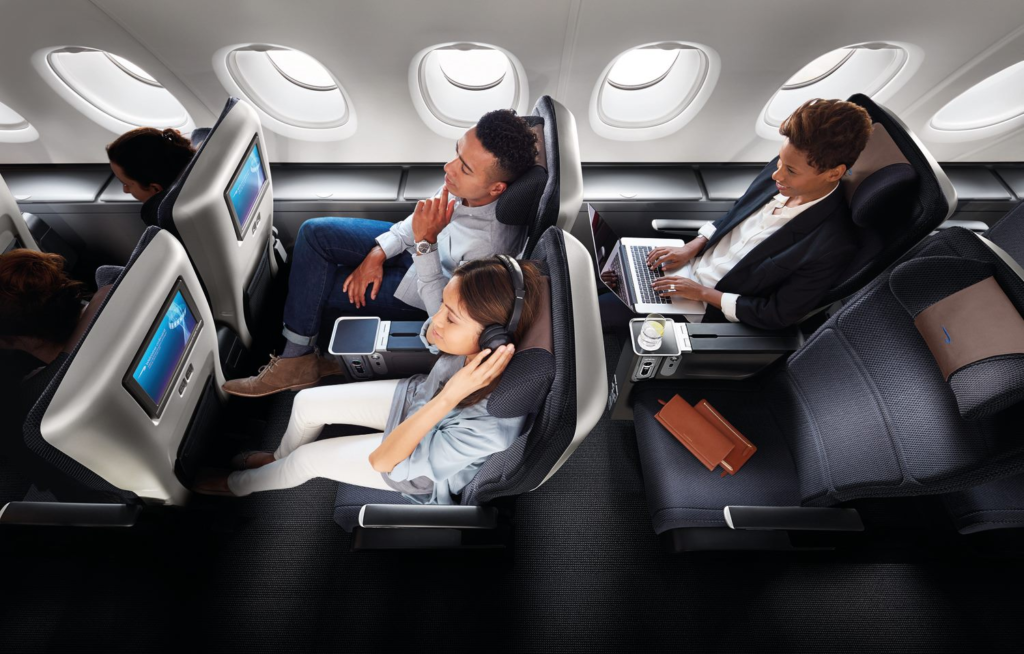
His family was traveling home from Bangkok to Istanbul last month in economy class. According to his account, a female flight attendant began aggressively warning passengers in the surrounding rows against leaving valuables in the overhead bins. When one woman did not comply, the crewmember demanded, “Show me your valuables.”
The warning appeared genuine at first. Overhead bin theft has been reported repeatedly on Thai Airways, including on this exact flight number, and on other carriers.
View from the Wing, which published the account, raises the possibility that the exchange instead served to identify which passengers carried valuables and where they stored them. No evidence has been presented to support that reading.
The family then fell asleep, which they described as unusual because they almost never sleep in flight, even on ultra-long-haul sectors.
Cash Discovered Missing at the Gate
When the aircraft reached Istanbul and the door opened, an Australian couple seated across the aisle found cash gone from a bag stored overhead. They protested loudly and asked the crew to stop passengers from leaving and to summon police.
Scott says the flight attendant refused and continued urging passengers off the aircraft.
He needed the restroom immediately after deplaning. While his family waited, his wife and son found approximately $1,500 in US currency missing from her belongings. He searched his own bag and found another $2,000 gone.
Turkish Police Point to a Pattern
The family reported the theft at the airport police station, where his wife spoke to officers in Turkish. Police told her that flight TG900 was repeatedly associated with similar complaints.
“This flight is always a problem,” officers said, adding, “Thai does not cooperate with us.”
Police also explained that little could be done without direct evidence.
Medical Emergency After Flight
Scott suddenly lost his balance and began losing sensation along the left side of his body. He was rushed to hospital with blood pressure recorded at 220 over 190.
Doctors diagnosed a brain bleed measuring approximately 21 millimeters. He spent several days in intensive care, followed by another 10 days in hospital. Medical bills exceeded 800,000 Turkish lira, or roughly $17,000. The hemorrhage has since shrunk by half, though he continues to experience after-effects.
His wife said she felt as though she had been “run over by a truck” after the flight, and both children suffered gastrointestinal symptoms. The family believes they were drugged. Because their care focused on keeping him alive, no timely toxicological testing was carried out, so no medical evidence supports the claim.
Scott says he has contacted Thai Airways offices in Istanbul and Bangkok, airline executives, whistleblower addresses, the Thai Embassy, tourism officials, and the Royal Thai Police. He says none have acknowledged his complaints.
Organized Cabin Theft Is Expanding
Organized groups board commercial flights, wait for passengers to fall asleep, search overhead bags, remove cash, cards, and other valuables, then return the bags before anyone notices.
IATA held a closed in-flight theft workshop in Doha in December 2025. Participating airlines concluded that the theft is often organized and transnational, involving coordinated groups whose behavior follows identifiable patterns at the airport, the gate, and onboard.
Attendees discussed crew training, behavioral detection, passenger warnings, better post-incident procedures, and improved reporting. They also identified major legal obstacles to prosecution, since the flight, the airline, the victim, and the suspect may each be connected to a different country.
Hong Kong Data Shows Scale
Hong Kong reported 169 thefts aboard inbound flights during the first ten months of 2024, involving approximately HK$4.32 million in property.
Seventy percent occurred on flights from Southeast Asia, including Thailand. Another 20 percent came from Middle Eastern points including Dubai, Turkey, and Doha.
The stolen property was primarily cash, jewelry, watches, and credit cards. Hong Kong police have developed suspect databases and share information with airlines about higher-risk routes and times.
Earlier Thai Airways Cases
Several reported cases involve Thai Airways directly.
In March 2025, a passenger on flight TG600 from Bangkok to Hong Kong (HKG) had cash taken from a backpack in an overhead bin while he slept. His niece reportedly saw another passenger searching the bag. Police arrested and charged a 58-year-old man.
In April 2026, passengers reported cash missing aboard flight TG571 from Laos to Bangkok. Crew had seen a passenger searching overhead luggage. Police met the flight, recovered the cash, and arrested the suspect.
Another traveler posted an account of theft aboard TG900 in May 2025, saying roughly €500 was removed from his bag while he slept on the Bangkok to Istanbul flight, after which the bag was returned.
The TG571 arrest this spring shows that an effective response is sometimes possible on Thai Airways flights.
What Remains Unproven
There is no proof of drugging in this case beyond the reported health scares, and no proof that the flight attendant was identifying targets for criminals. Scott suspects specific passengers who remained awake, moved through the cabin, and behaved oddly, but no arrests have linked anyone to the reported theft.
He also points to the death of another passenger aboard an earlier TG900 flight. In that case, the passenger reportedly had health problems before departure, and no connection to theft or drugging is known.
While Thai Airways appears in several reports, the Hong Kong and IATA data support the finding that organized cabin theft affects numerous airlines and routes.
Stay tuned with us. Further, follow us on social media for the latest updates.
Join us on Telegram Group for the Latest Aviation Updates. Subsequently, follow us on Google News
