

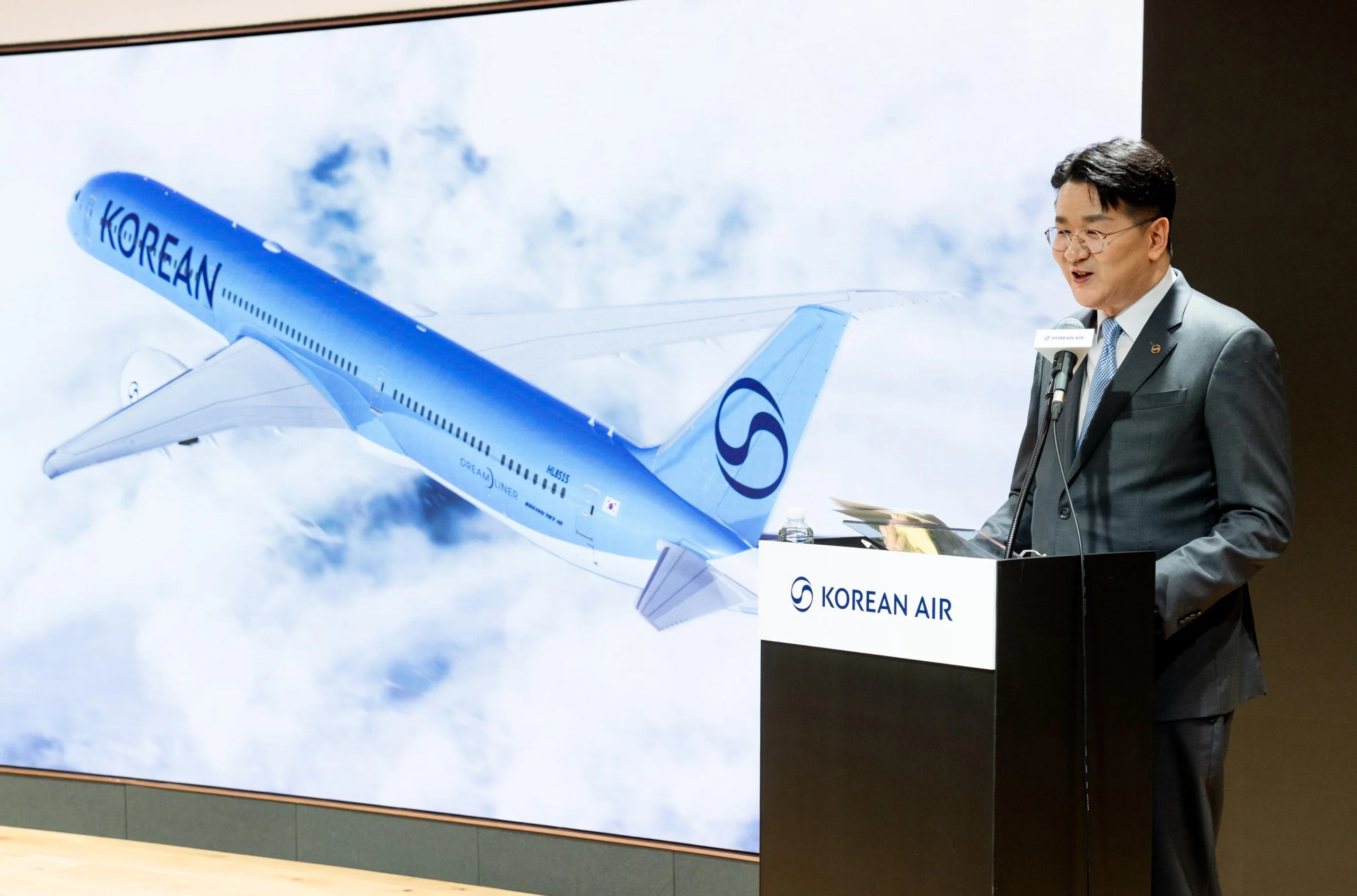
Korean Air (KE) stands as South Korea’s largest airline and one of Asia’s most influential full-service carriers, operating an extensive global network from its hub in Seoul. Supported by strong cargo operations and a dominant domestic position, the airline has emerged from the pandemic in a relatively strong financial position.
A major turning point has been its ongoing integration of Asiana Airlines, which is set to reshape the South Korean aviation market. Leading this transformation is Chairman and CEO Cho Won-tae, whose compensation reflects both corporate performance and the scale of responsibility involved in managing one of Asia’s largest airline groups.

Who is Korean Air CEO Cho Won-tae?
Cho Won-tae, also known as Walter Cho, has been Chairman and CEO of Korean Air since 2019 and is part of the founding family behind the Hanjin Group. He is the son of former chairman Cho Yang-ho and represents the third generation of leadership within the conglomerate.
Educated in the United States, Cho studied economics and has built his career within the Hanjin Group, gaining experience across various divisions, including cargo, passenger operations, and corporate strategy. Before becoming CEO, he held several senior roles within Korean Air, which gave him deep exposure to both operational and commercial aspects of the airline.
Since taking over, Cho has focused on stabilising governance, improving financial performance, and pushing forward the integration of Asiana Airlines. His leadership style is often described as pragmatic and performance-focused, with an emphasis on long-term growth and operational discipline.
ALSO READ: Qantas Airways CEO Salary in 2026
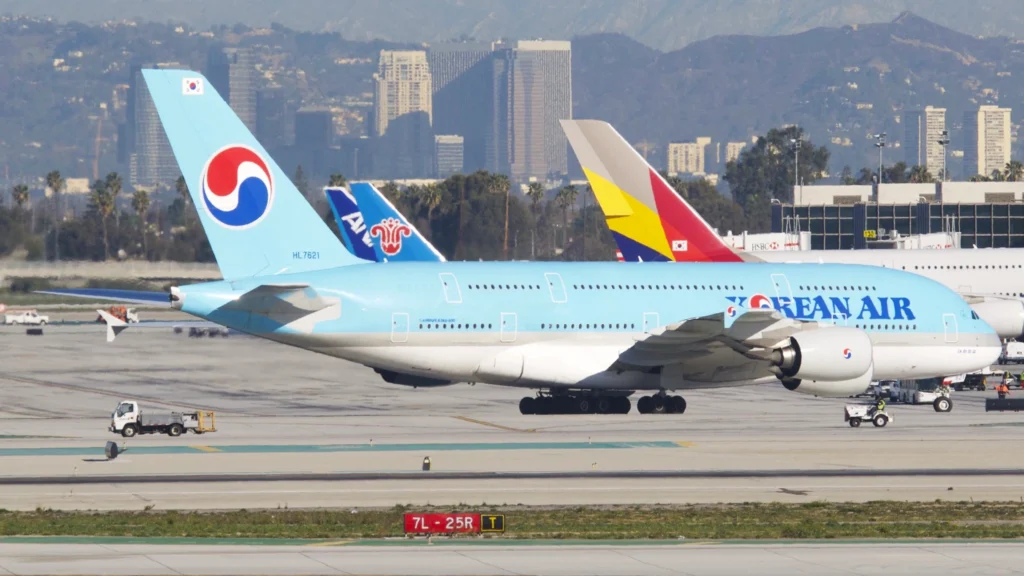
Cho Won-tae’s Salary and Compensation in 2026
Executive compensation in South Korea tends to be more conservative than in the United States, but can still reach substantial levels at large conglomerates. For 2026, Cho Won-tae’s estimated compensation is as follows:
- Base salary: approximately KRW 3.5–4.0 billion
- Annual performance bonus: around KRW 2.5–3.0 billion
- Long-term incentives and share-linked awards: roughly KRW 1.5–2.0 billion
- Other benefits and allowances: about KRW 0.5–1.0 billion
This places his total estimated compensation at KRW 8–10 billion, equivalent to roughly US$6–7.5 million in 2026.
A large portion of this package is performance-driven, meaning actual earnings depend on profitability, operational results, and the successful integration of Asiana Airlines.
Peer Comparison
To better understand Cho Won-tae’s estimated KRW 8–10 billion (US$6–7.5 million) compensation, it is useful to compare it with that of other major full-service carriers in Asia.
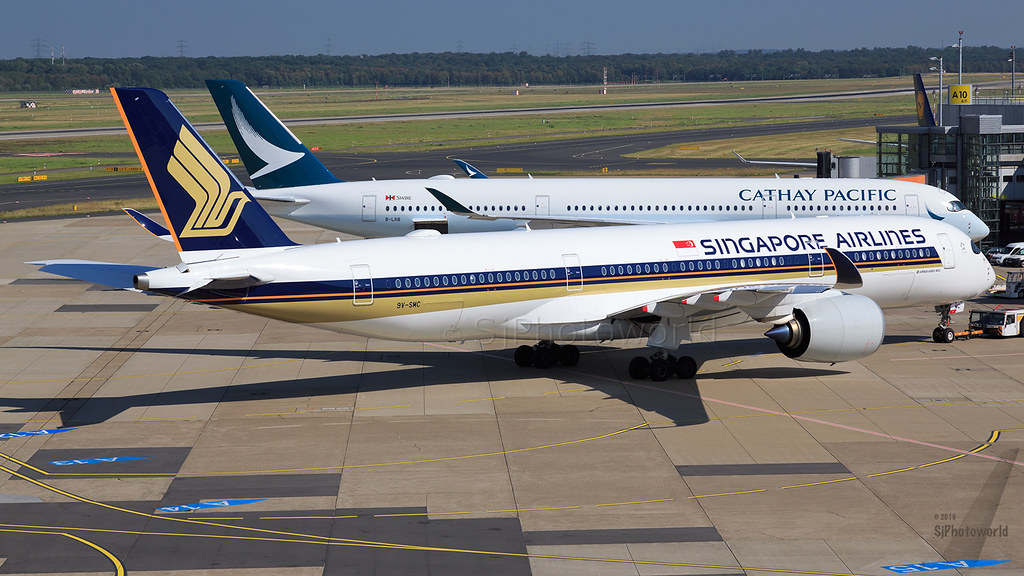
At Singapore Airlines, CEO Goh Choon Phong leads one of the most profitable and premium-focused airlines globally. His total compensation in 2026 is estimated at around SGD 9–11 million (US$6.5–7.9 million), reflecting strong financial performance and consistent profitability.
Meanwhile, at Cathay Pacific, CEO Ronald Lam earns a more moderate package, estimated at HKD 17–22 million (US$2.2–2.8 million). Cathay’s compensation remains comparatively restrained due to governance norms and its ongoing recovery phase.
Compared with these peers, Cho’s compensation sits at the upper end of the Asian airline CEO spectrum, broadly aligned with Singapore Airlines and significantly higher than Cathay Pacific.
ALSO READ: Japan Airlines CEO Salary in 2026
Strategic Focus for Korean Air in 2026
Under Cho’s leadership, Korean Air’s strategy in 2026 revolves around consolidation, growth, and efficiency.
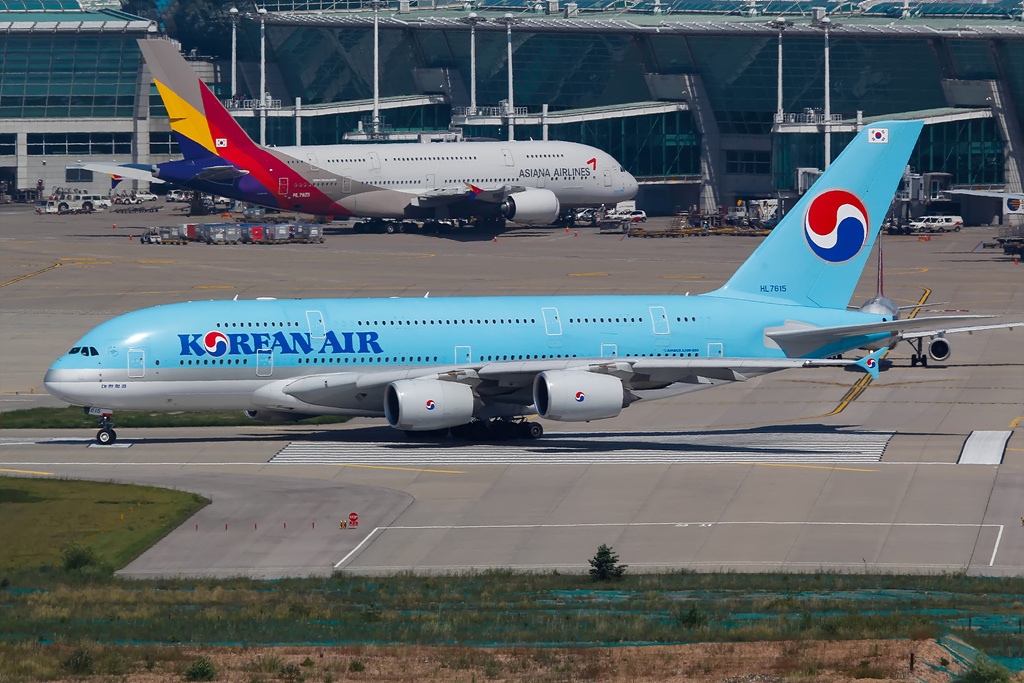
A key priority is the integration of Asiana Airlines, which will create a more dominant national carrier and improve economies of scale. Successfully merging operations, fleets, and corporate structures remains one of the most critical challenges.
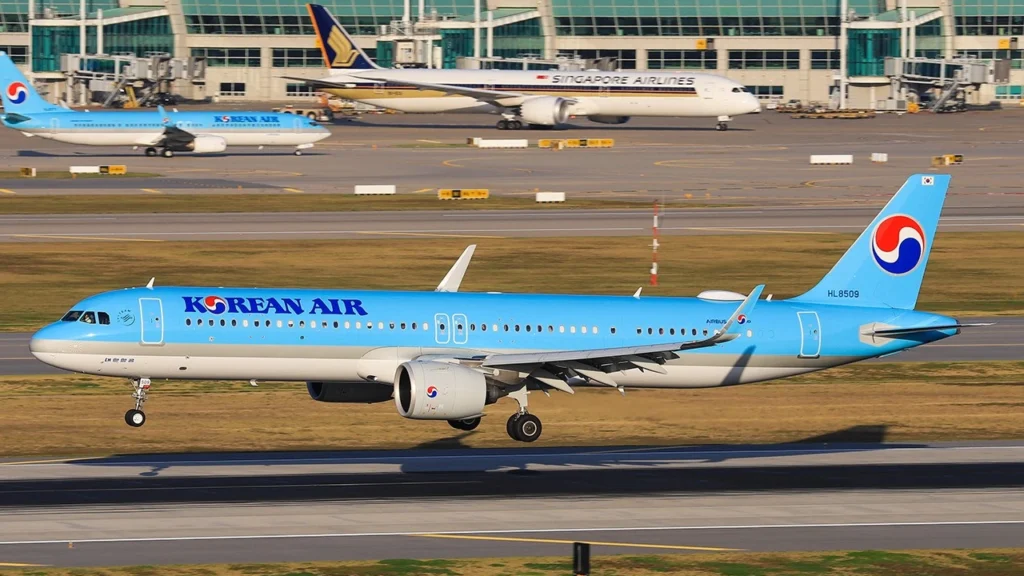
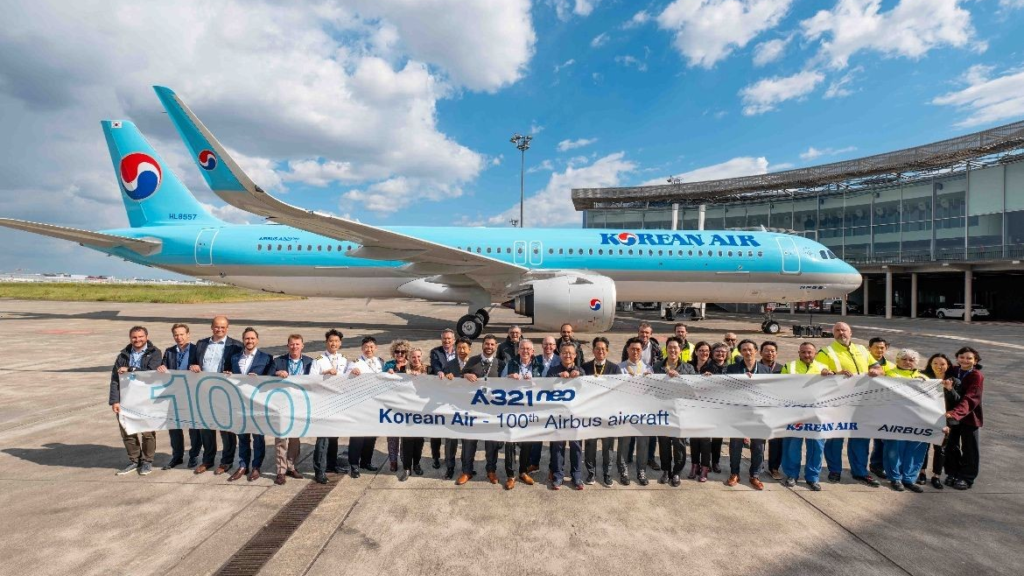
The airline is also focused on fleet modernisation, introducing newer aircraft to improve fuel efficiency and reduce operating costs. This aligns with broader sustainability goals and long-term profitability.
Another major area is cargo expansion, where Korean Air has built a strong competitive advantage. Continued investment in cargo operations ensures diversification beyond passenger revenue.
Additionally, network optimisation and premium service upgrades remain central. The airline is refining its global route network while enhancing customer experience to remain competitive against other Asian and Middle Eastern carriers.
Bottom Line
Cho Won-tae’s estimated KRW 8–10 billion (US$6–7.5 million) compensation in 2026 reflects the scale and complexity of leading one of Asia’s largest airline groups.
While broadly aligned with top-tier Asian peers like Singapore Airlines, his pay remains significantly higher than that of some regional competitors such as Cathay Pacific, highlighting differences in profitability and corporate structure.
Ultimately, his compensation is heavily tied to performance, particularly the successful integration of Asiana Airlines, making it closely linked to Korean Air’s long-term strategic success.
Korean Air CEO Salary FAQs
His total estimated compensation is around KRW 8–10 billion annually.
Yes, a large portion depends on financial results and strategic milestones.
It is broadly similar, with both earning in the US$6–7+ million range.
Stay tuned with us. Further, follow us on social media for the latest updates.
Join us on Telegram Group for the Latest Aviation Updates. Subsequently, follow us on Google News
