


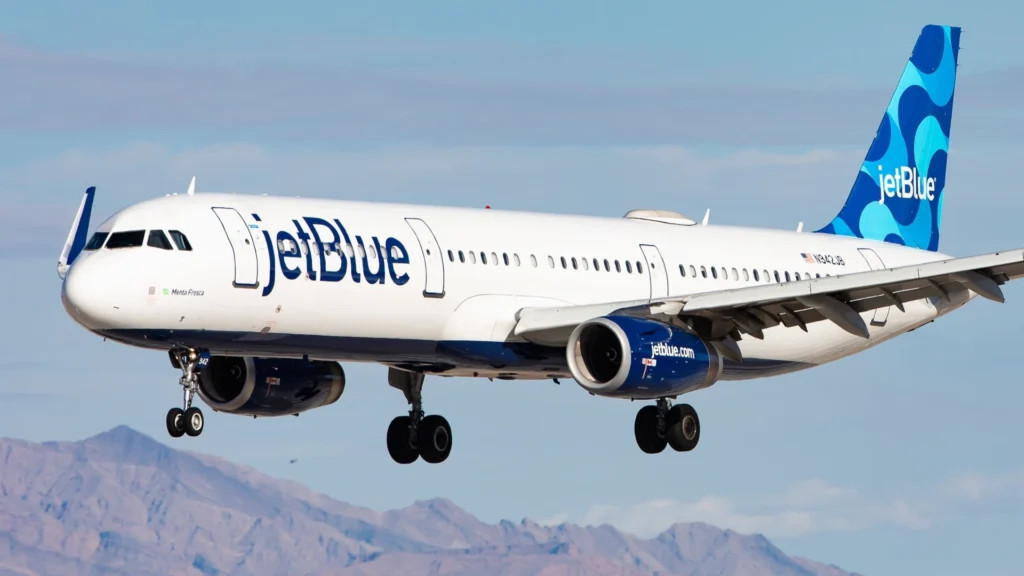
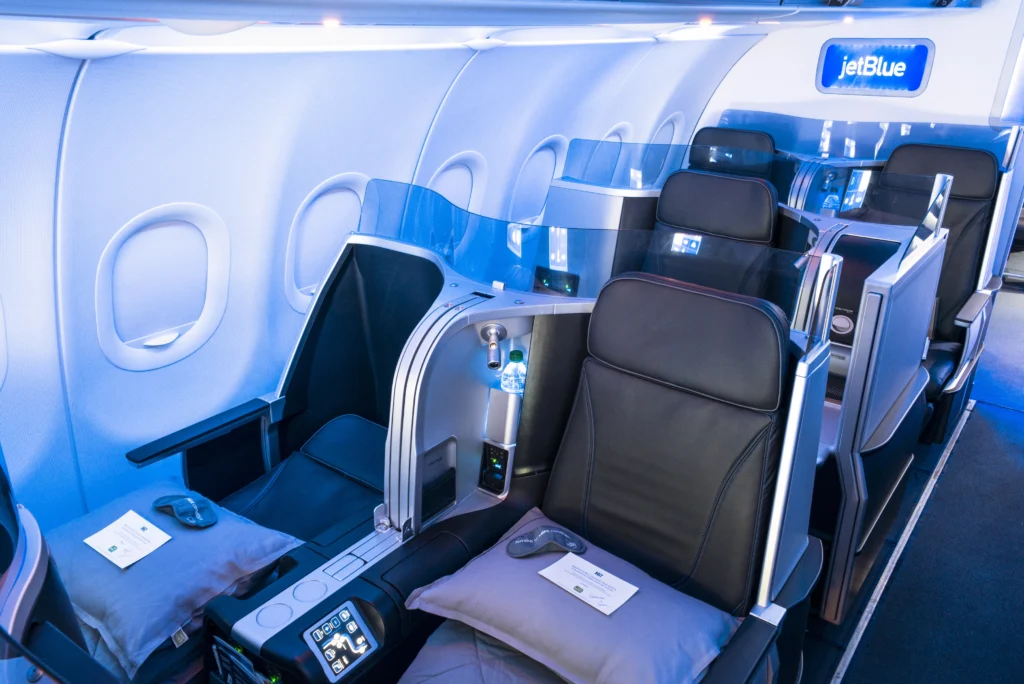
LONG ISLAND CITY- JetBlue Airways (B6) issued a public apology after a passenger traveling in its premium Mint cabin posted a video that appeared to show a rat moving through the lighted panels above the overhead bins during a flight. The airline responded directly in the comment section of the Instagram post.
The sighting raised concerns about cabin hygiene and aircraft safety, since rodents can chew through wiring and trigger serious maintenance problems. JetBlue, which operates its Mint service from John F. Kennedy International Airport (JFK), asked the passenger to share booking details so it could identify the exact aircraft and flight involved, Simple Flying flagged.
JetBlue Passenger Spots Rat in Flight
A passenger using the username brittneynicole291 on Instagram shared a video that appeared to show a rat crawling through the illuminated overhead bin panels while the aircraft was in flight.
JetBlue replied publicly, stating that it was sorry to see the post and asking the passenger to send the confirmation code, the name on the reservation, and the date of birth.
Reactions to the video were mixed, with shock over the cleanliness issue and concern that the passenger may not have alerted the cabin crew during the flight.
Reporting the sighting matters, because crew members can begin the removal process only once they know a rodent is on board. Knowing the specific aircraft and flight also allows the airline to inspect for damage before the rat causes lasting harm.
Why A Loose Rat On Board Is A Serious Problem
A commercial aircraft cannot fly with a confirmed rodent loose on board. Rats can completely sever wires, which may lead to the loss of secondary backup systems, instrument failures, or inaccurate sensor readings.
The risk comes from rodent biology. Rat teeth grow constantly, which forces the animals to gnaw on hard surfaces such as wire insulation to wear them down.
Rodent urine is highly corrosive to aircraft metal, and accumulated droppings trap moisture that accelerates structural corrosion over time.
How Airlines Remove Rodents From Aircraft
Once a rat is confirmed, maintenance crews usually take the aircraft out of service to deal with it. Technicians often apply tracking powders to locate where the rodent has moved inside the airframe before setting traps.
After the rat is caught, the heavier work begins. Technicians remove interior paneling along the entire path the rodent may have traveled and physically trace the aircraft’s critical wiring bundles.
Because rodents can slip into small panels through very narrow gaps, an extensive inspection is required to confirm that no wiring has been damaged.
Keeping Pests Off The Aircraft
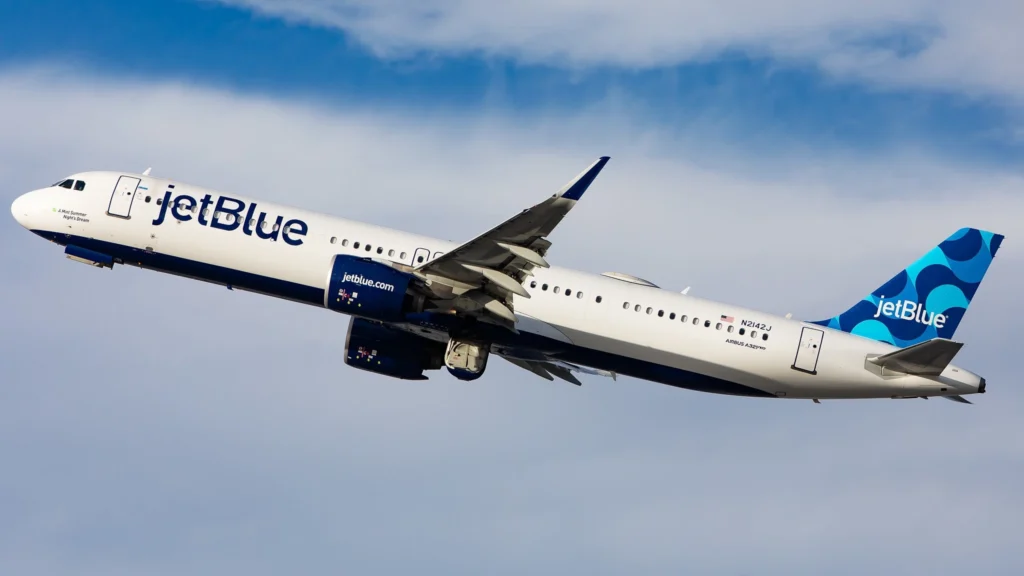
Airports serve as the first line of defense against pests boarding commercial aircraft. Air curtains on the passenger boarding bridge use a continuous flow of air to block rats and flying insects from entering.
Overlapping layers of rubber and canvas seal the gap between the aircraft and the jet bridge during boarding and deplaning, and crews inspect these routinely for tears or gaps.
Rodents most commonly access aircraft through the jetway while the plane is parked between flights, which is why pest control is built into scheduled maintenance at regular intervals. Many airports also check wheel wells for rats or snakes, depending on the location and how often sightings are reported.
Countries with strict biosecurity rules, such as Australia, require aerosol spraying in the wheel wells and other areas, sometimes including the aisles.
What Passengers Should Do
The recommended response to spotting a rat in flight is to notify the cabin crew as soon as possible. Passengers should avoid shouting or making a scene, since that can disturb others or cause panic.
Using the flight attendant call button and giving the exact seat or location of the sighting helps the crew respond quickly.
Flight attendants then alert the pilots so maintenance can address the pest control issue on landing. If seats are available, passengers can be moved away from the affected area. Crews typically do not try to chase or trap a rodent in flight, as that often creates more problems than it solves.
Stay tuned with us. Further, follow us on social media for the latest updates.
Join us on Telegram Group for the Latest Aviation Updates. Subsequently, follow us on Google News
