

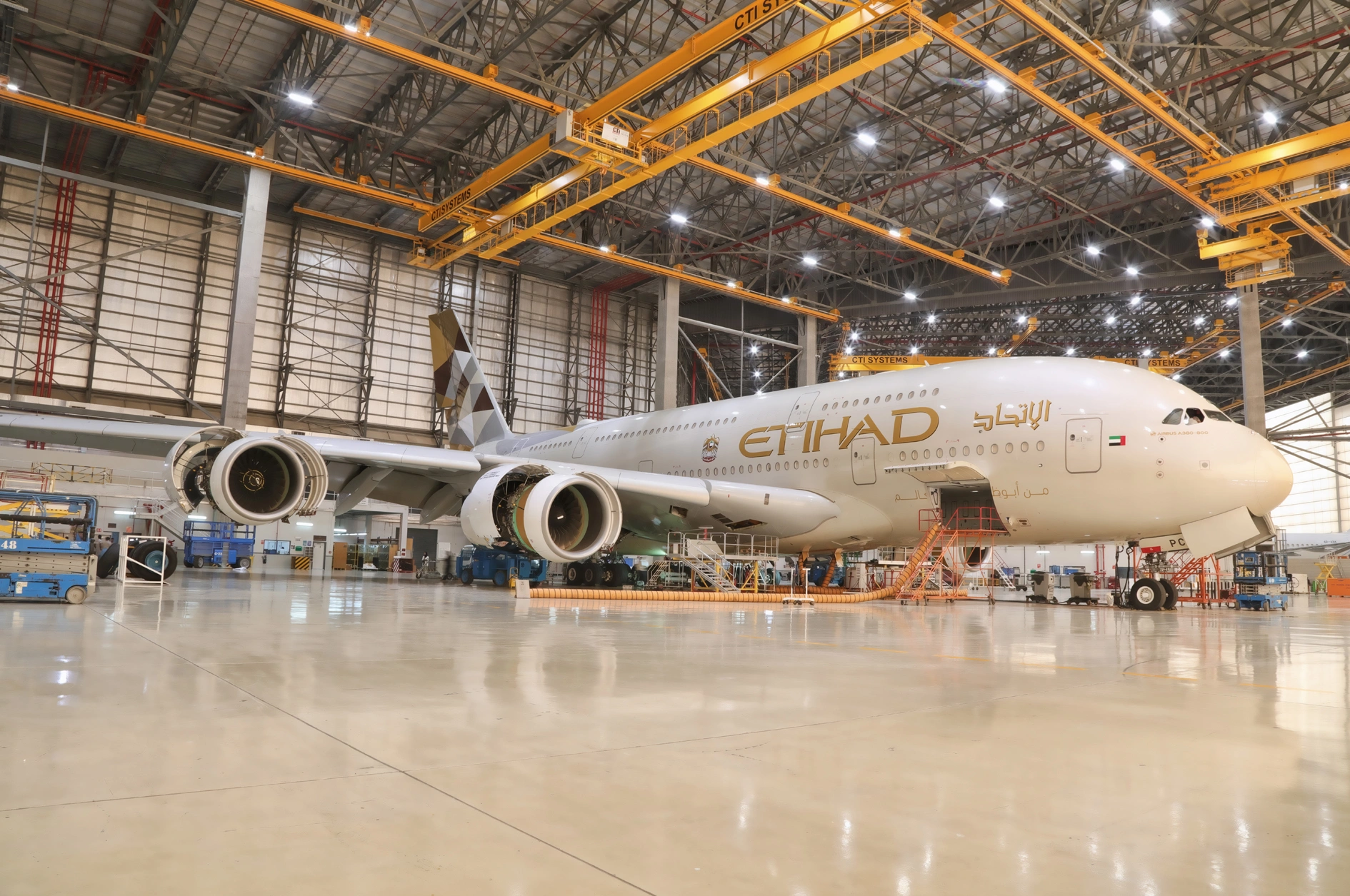
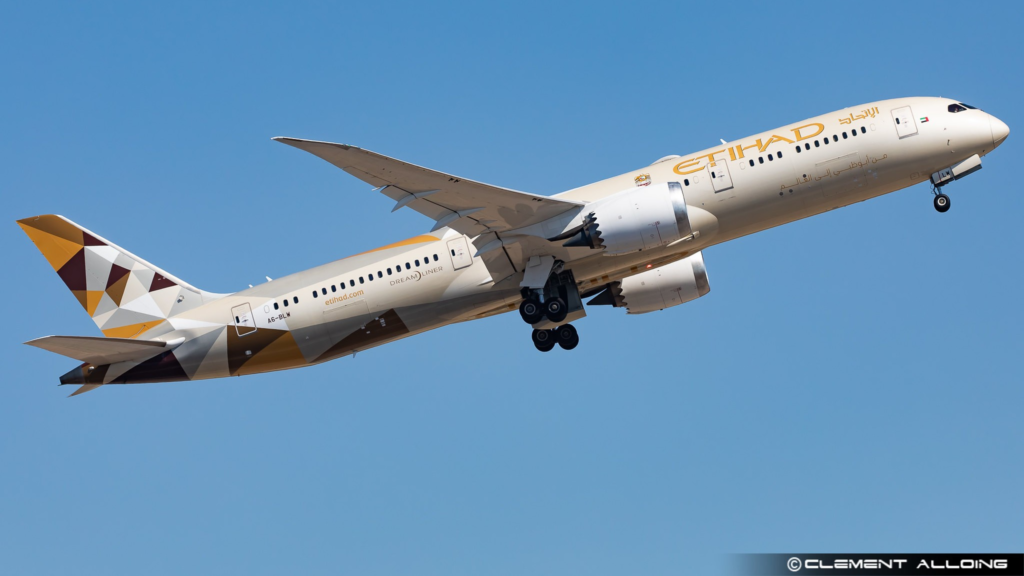
Etihad Airways (EY) has built its name as Abu Dhabi’s premium global carrier, known for modern cabins, ambitious fleet plans, and a strong long-haul network.
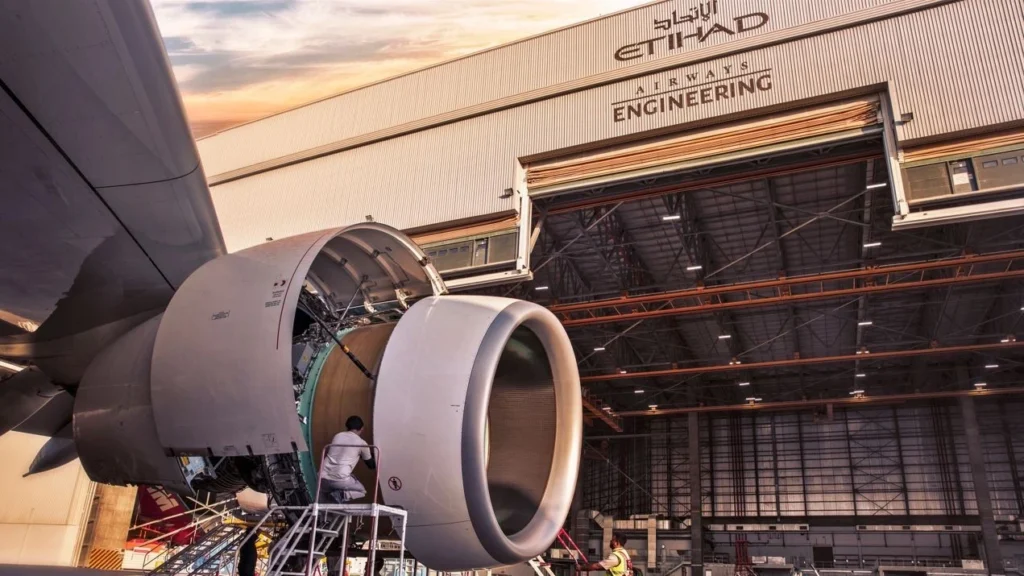
While passengers usually notice the luxury side of the airline first, much of Etihad’s real strength comes from what happens in hangars, workshops, and on the ramp.
The airline operates aircraft such as the Airbus A320 family, A350, A380, Boeing 777, and 787 Dreamliner, which means its engineering teams deal with a wide mix of narrowbody and widebody aircraft. That variety alone makes the job attractive for many aviation professionals.
For engineers and technicians, Etihad is often seen as a chance to earn strong Gulf-market pay, gain experience on advanced fleets, and build an international career in a serious airline environment.

What Do Aircraft Engineers and Technicians Do?
Both roles are part of maintenance operations, but the level of responsibility is very different.
Aircraft Engineer
An Aircraft Engineer is the licensed person trusted to decide whether an aircraft can safely return to service after maintenance.
That usually means:
- Investigating technical defects
- Supervising repairs and inspections
- Reviewing completed maintenance tasks
- Signing aircraft release paperwork
- Ensuring regulatory compliance and safety standards
At busy airlines, engineers also balance time pressure with zero room for error.
Aircraft Technician
Technicians handle much of the physical maintenance work and support engineers during day-to-day operations.
Typical duties include:
- Component replacements
- Routine inspections and servicing
- Cabin and system rectifications
- Mechanical and electrical maintenance tasks
- Tool control and documentation support
It can be physically demanding work, especially in heat, shift patterns, and operational time pressure.
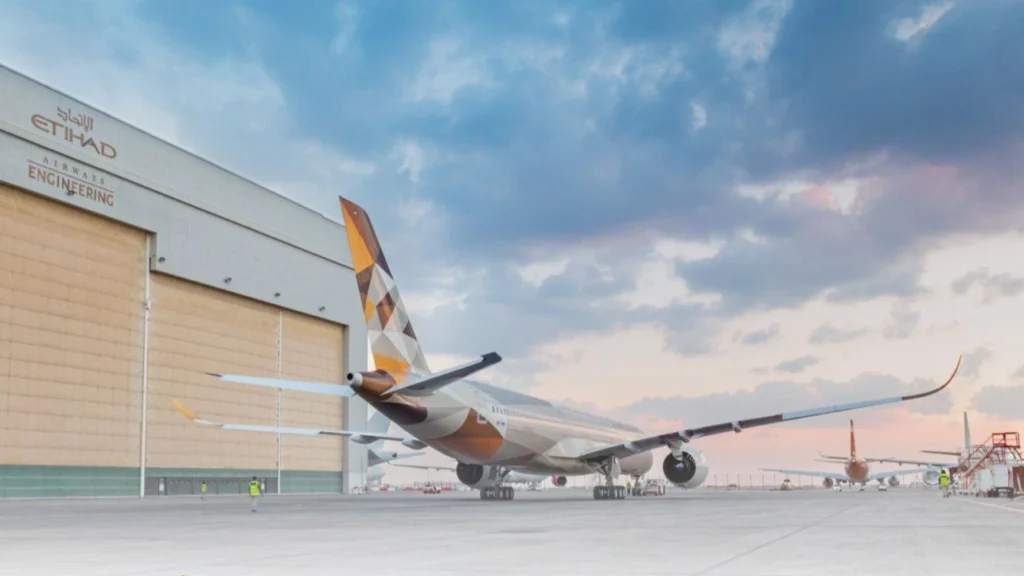
Requirements to Join Etihad Airways as an Engineer or Technician
Etihad generally looks for experienced candidates, especially for licensed roles.
Basic Requirements
- Technical diploma or engineering qualification
- Strong aircraft systems knowledge
- Good English communication skills
- Ability to work rotating shifts
- Safety-focused mindset
For Aircraft Engineers
Etihad’s recent hiring criteria for Licensed Aircraft Engineers included:
- Valid GCAA / EASA Part-66 / convertible ICAO licence
- Around 7–10 years of maintenance experience
- Several years of certifying experience
- Experience on aircraft such as A320, A350, A380, B777 or B787
This shows Etihad usually prefers proven people rather than complete newcomers for certifying positions.
For Aircraft Technicians
Typical expectations include:
- Aircraft maintenance training or a diploma
- Hands-on maintenance experience
- Good practical troubleshooting ability
- Willingness to work line or base maintenance shifts
Many technicians later work toward engineering licences.
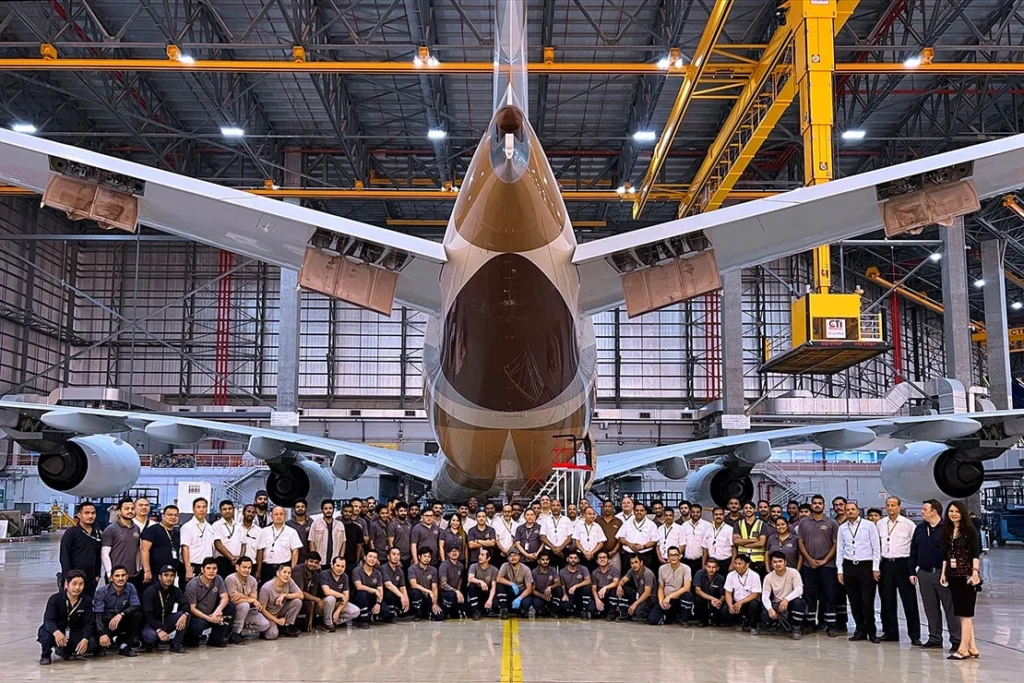
Etihad Airways Aircraft Engineer and Technician Salary in 2026
Etihad usually attracts applicants because UAE aviation salaries can be stronger than those in many Asian and European markets, especially once allowances and take-home value are considered.
The trade-off, of course, is a demanding roster and a performance-driven environment.
For Aircraft Engineers, current salary estimates place Etihad’s total compensation broadly around AED 9,000 to AED 35,000 per month, with an average near AED 16,000 monthly, based on shared reports.
In reality, that wide range reflects career stage.
A relatively junior licensed engineer or newer certifying hire may sit closer to AED 12,000 to AED 18,000 per month. Engineers with stronger type ratings, widebody experience, and established internal approvals often move into the AED 20,000 to AED 28,000 zone.
Senior long-serving certifying engineers or those in lead positions can climb beyond AED 30,000 monthly, particularly when allowances and specialist responsibility are involved.
Across a year, many engineers may therefore fall somewhere between AED 180,000 and AED 420,000+, depending on level and role.
Technicians earn less, but still often better than equivalent roles in several other regions.
Recent estimates for Aircraft Maintenance Technicians at Etihad place total yearly pay around AED 99,000 to AED 200,000, which is roughly AED 8,000 to AED 16,500 per month.
A newer technician may begin around AED 8,000 to AED 10,000 monthly. Someone with solid practical experience can move closer to AED 11,000 to AED 14,000.
Experienced technicians in specialised teams or demanding rosters may reach the mid-AED 15,000+ range, though the biggest jump usually comes from moving into licensed engineer positions.
So the overall picture looks like this:
- Aircraft Engineers: roughly AED 12,000 to AED 35,000+ per month
- Aircraft Technicians: roughly AED 8,000 to AED 16,500 per month
Etihad can therefore be a strong stepping-stone for ambitious technicians wanting to move into certification roles later.
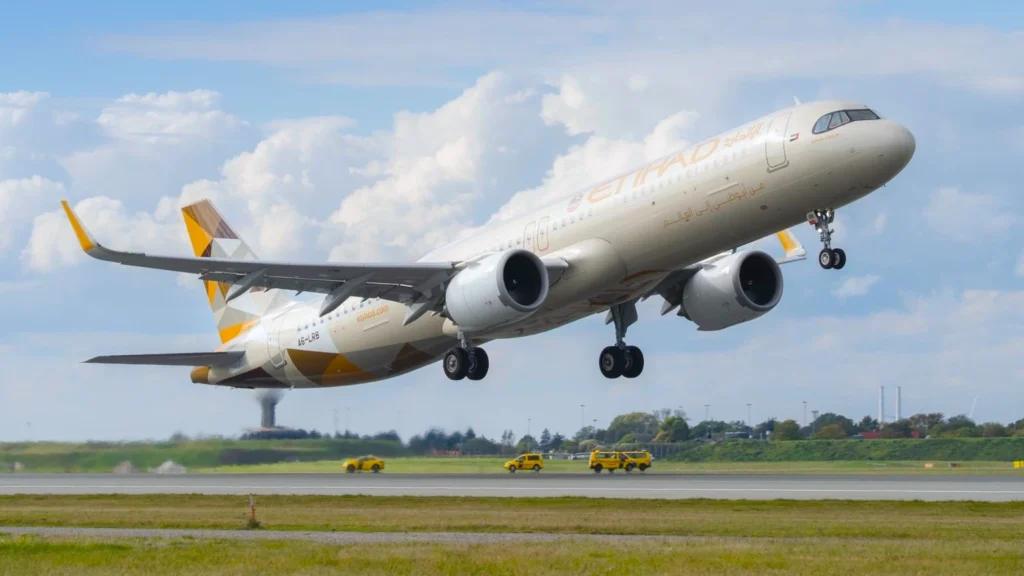
Benefits and Perks at Etihad Engineering
Beyond salary, employees often value the wider package.
Typical benefits may include:
- Staff travel concessions
- Medical coverage
- Annual leave
- Training on modern fleets
- International work environment
- Career exposure within a premium airline brand
- Potential progression into senior technical roles
For expats, that overall package can matter as much as the headline pay.
Bottom Line
Working as an Aircraft Engineer or Technician at Etihad Airways in 2026 can be financially attractive and professionally valuable, especially for those wanting Gulf experience on advanced aircraft types.
Engineers are paid substantially more because they carry the legal authority and pressure of releasing aircraft to service. Technicians earn solidly, too, but usually see the biggest future upside by gaining licences and progressing upward.
This is not usually an easy lifestyle job. Rosters can be intense, standards are high, and performance matters. But for many aviation professionals, the combination of fleet quality, earnings potential, and international exposure makes Etihad a serious option.
Etihad AME and Technician Salary FAQs
Engineers hold certification authority to release aircraft after maintenance, while technicians carry out practical maintenance tasks under approved supervision.
Yes. Many technicians progress by gaining recognised licences, relevant aircraft experience, and internal approvals.
Usually, senior certifying engineers with multiple type ratings, widebody fleet experience, and leadership responsibilities earn the strongest packages.
Stay tuned with us. Further, follow us on social media for the latest updates.
Join us on Telegram Group for the Latest Aviation Updates. Subsequently, follow us on Google News
