

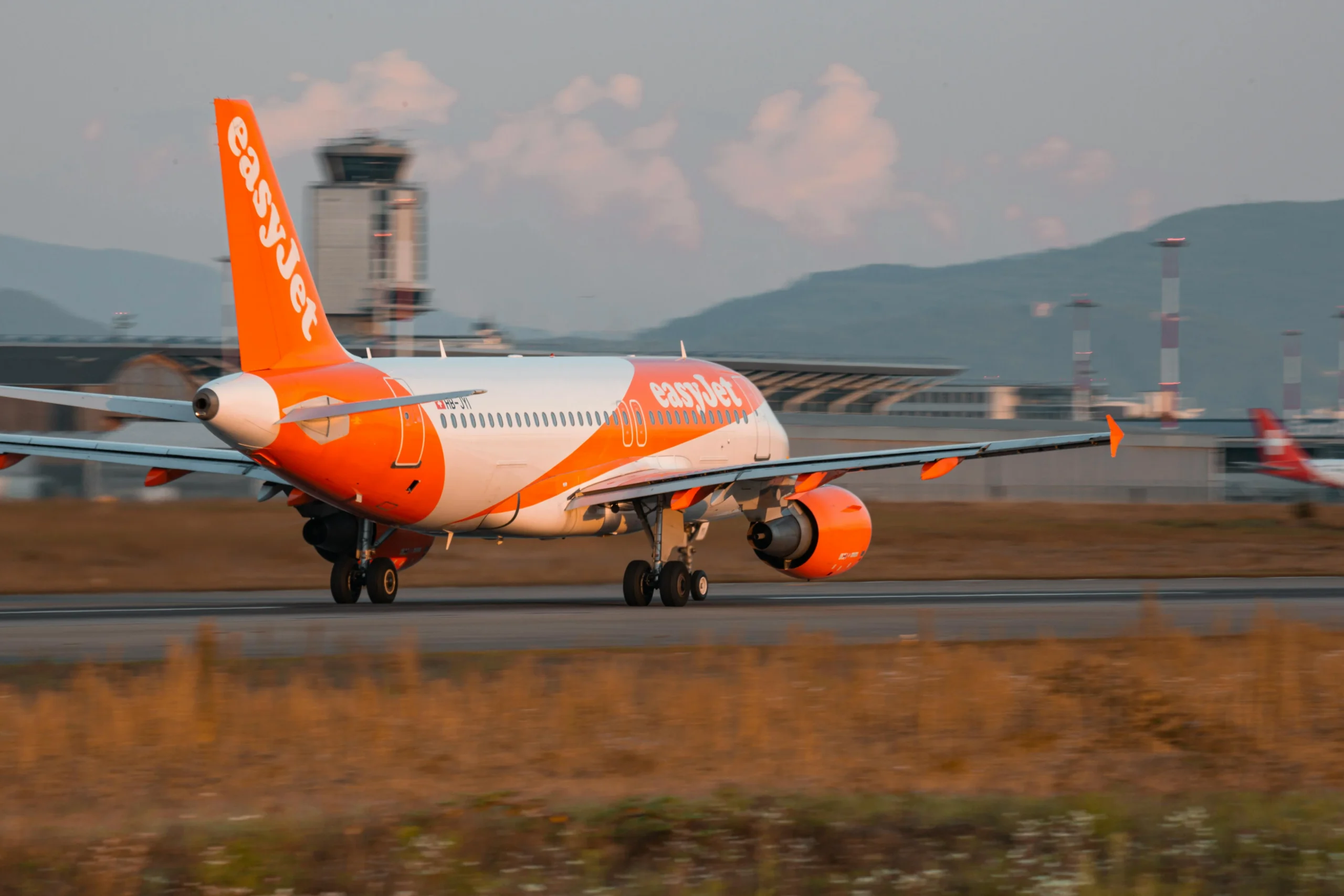
LUTON- Two easyJet (U2) flights departed from incorrect runway positions at London Luton Airport (LTN) and Manchester Airport (MAN) during the peak summer travel season in 2025, according to a new Air Accidents Investigation Branch (AAIB) report.
The incidents involved Flight EZY2335 from London Luton Airport (LTN) to Málaga Costa del Sol Airport (AGP) and an easyJet (U2) flight from Manchester Airport (MAN) to Kos International Airport (KGS).
Both flights landed safely, but investigators identified the events as significant safety occurrences that could have had more serious consequences under different circumstances.
Two easyJet Wrong Runway Entry
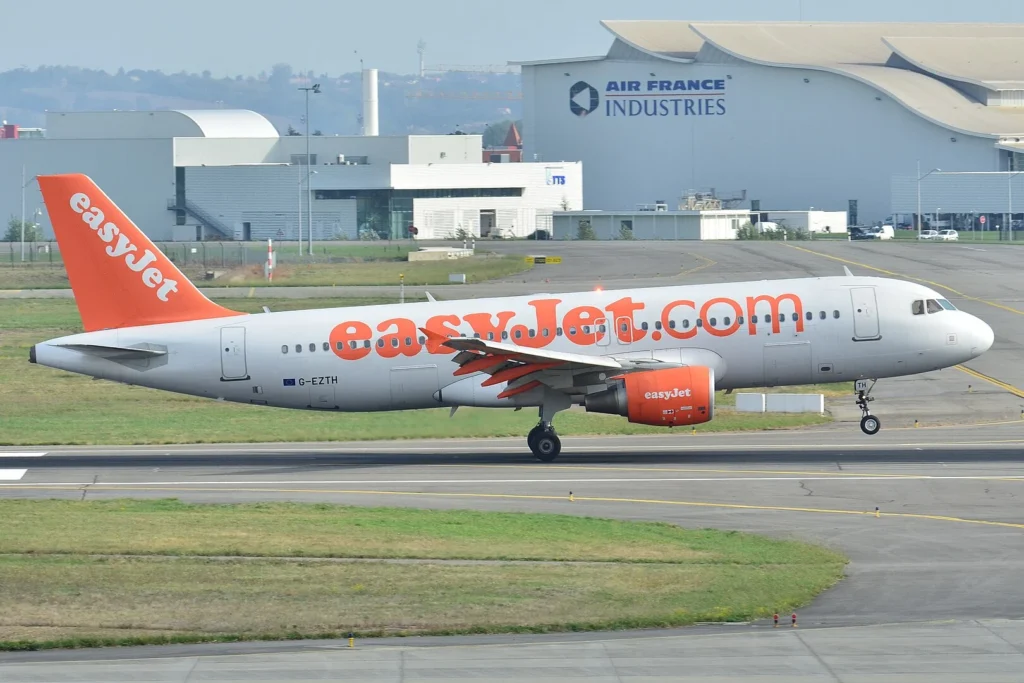
The UK Air Accidents Investigation Branch has revealed that two easyJet Airbus A320 aircraft departed from incorrect runway entry positions within weeks of each other during one of the busiest travel periods of the year.
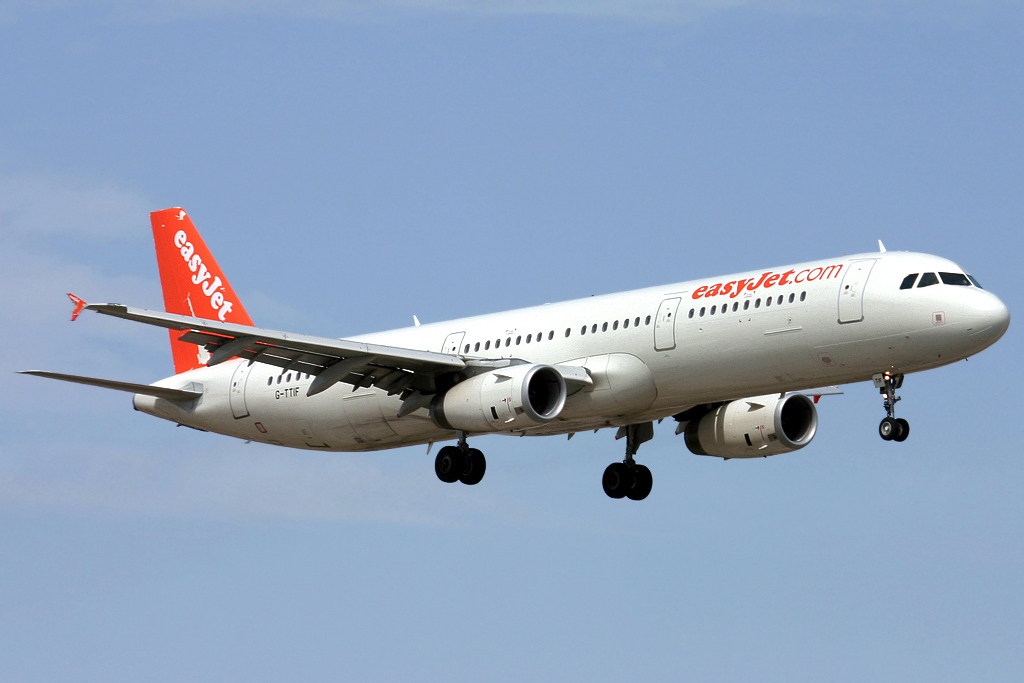
The first incident occurred on 13 June 2025 when an Airbus A320-214 operating Flight EZY2335 departed from London Luton Airport. Investigators found that the aircraft began its take-off roll from a position further down the runway than the flight crew had planned.
The aircraft was carrying 180 passengers and six crew members on a scheduled service to Málaga Costa del Sol Airport.
According to the AAIB, the aircraft cleared the end of the runway at a height of just 65 feet (19 metres).
The error was not identified immediately. After completing the flight to Málaga and returning to London Luton later the same day, the captain realized that the aircraft had departed from the wrong take-off point.
Second Incident Occurred at Manchester Airport
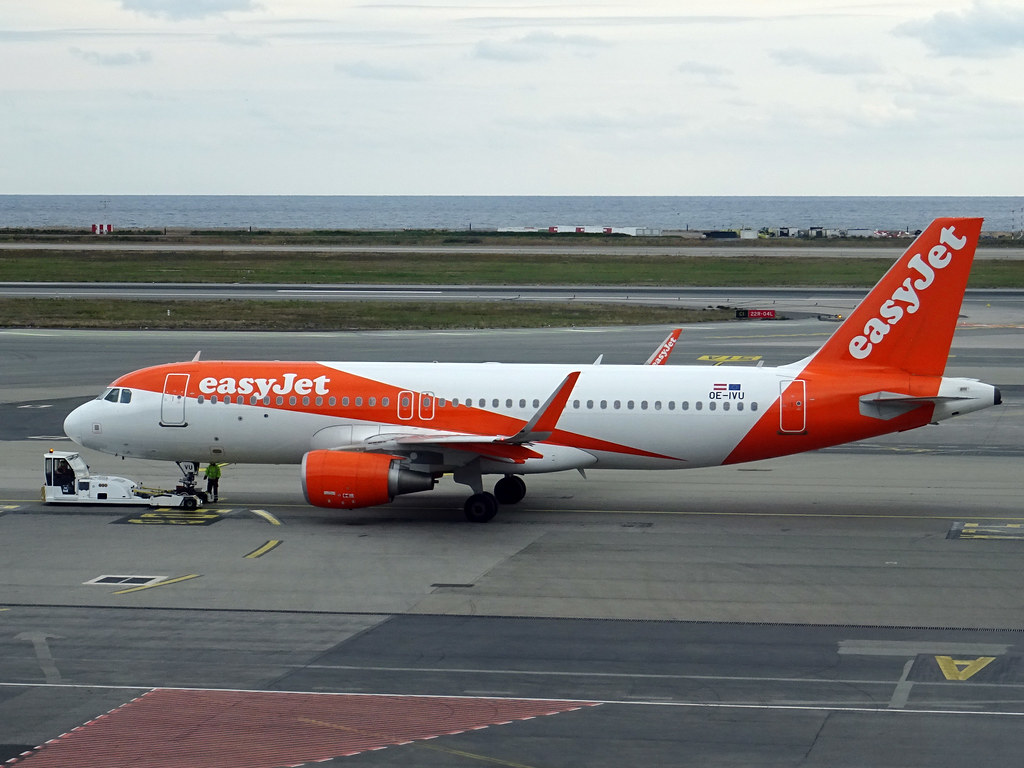
A second runway positioning error occurred on 6 July 2025 when another easyJet Airbus A320 departed from Manchester Airport for Kos International Airport in Greece.
The aircraft continued its journey without further operational issues and landed safely at its destination. However, investigators classified the occurrence as a serious safety event because it could have had more significant consequences under different circumstances.
According to Metro.co.uk, the two incidents highlight the importance of strict runway entry verification procedures and pilot situational awareness, particularly during periods of heavy air traffic and high operational demand.
Why Correct Runway Positions Are Critical
Commercial aircraft performance calculations are based on several factors, including runway length, aircraft weight, weather conditions, wind direction, and obstacle clearance requirements.
Pilots calculate take-off performance using a specific runway entry point. If an aircraft begins its take-off roll from a position further along the runway than intended, the available distance for acceleration is reduced. This can decrease performance margins and increase operational risk.
For this reason, runway entry verification remains a critical part of standard airline operating procedures.
Aviation investigators monitor such occurrences closely because even small errors during take-off can create significant safety concerns. easyJet confirmed that it fully assisted the AAIB during its investigation and has completed a review of its take-off operating procedures following the incidents.
The airline stated that it will continue taking action to maintain the highest safety standards and emphasized that safety remains its highest priority.
easyJet also noted that its pilots are trained to industry-leading standards and that the wellbeing of passengers and crew remains central to its operations.
Recent Incident
Earlier in 2026, easyJet attracted attention for a separate operational issue involving aircraft performance limitations.
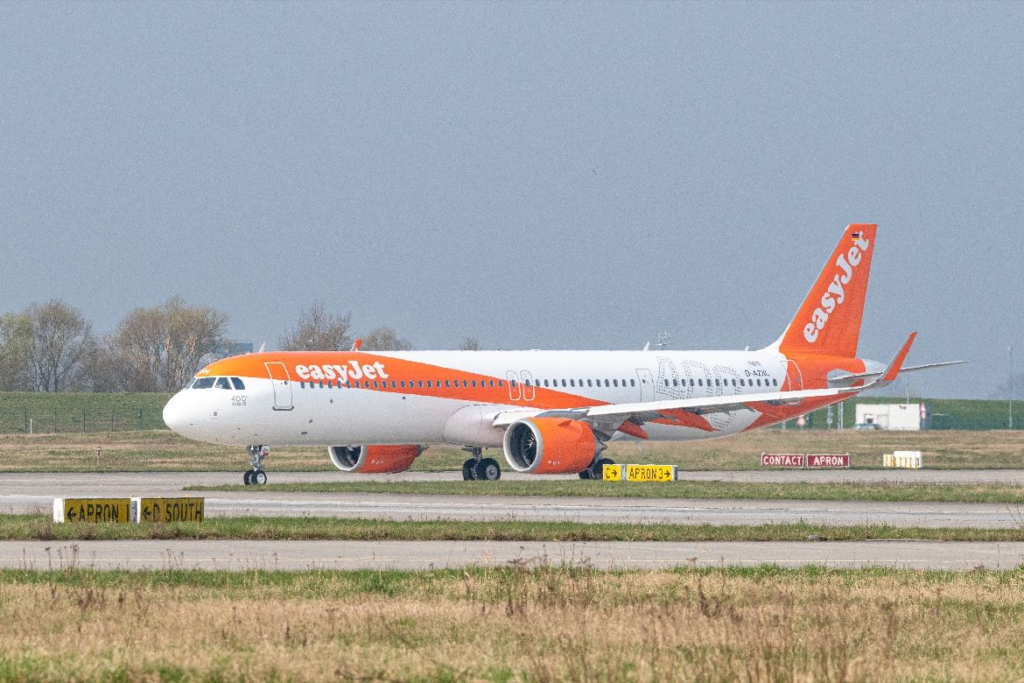
On 11 April 2026, five passengers were asked to leave an easyJet flight departing London Southend Airport (SEN) for Málaga Costa del Sol Airport after final calculations showed the aircraft exceeded safe take-off limits under prevailing wind conditions.
Airport officials noted that this was not the first time passengers had been required to disembark because of aircraft performance requirements.
Reports from the BBC indicated that a combination of Southend Airport’s relatively short runway and unfavorable wind conditions reduced the aircraft’s ability to generate sufficient lift at its planned operating weight.
How Runway Length Affects Aircraft Performance
One way to address performance limitations is to allow an aircraft additional runway distance to accelerate and reach the speed required for take-off.
At London Southend Airport, this option is more limited because the runway measures approximately 1,856 metres (6,089 feet), despite being extended in 2012.
For comparison, London Luton Airport has a runway length of approximately 2,162 metres (7,093 feet), while Stansted Airport’s runway extends to approximately 3,049 metres (10,003 feet).
Longer runways provide aircraft with greater acceleration distance and can improve operational flexibility during challenging weather conditions or when aircraft are operating at higher weights.
Aviation Safety Lessons
The two easyJet runway entry errors demonstrate the importance of procedural accuracy during one of the most critical phases of flight.
Although both aircraft completed their journeys safely, the AAIB’s findings show how incorrect runway positioning can reduce available safety margins.
The investigations also reinforce the need for continuous monitoring, training, and procedural reviews to maintain safety standards across commercial airline operations.
Stay tuned with us. Further, follow us on social media for the latest updates.
Join us on Telegram Group for the Latest Aviation Updates. Subsequently, follow us on Google News
