

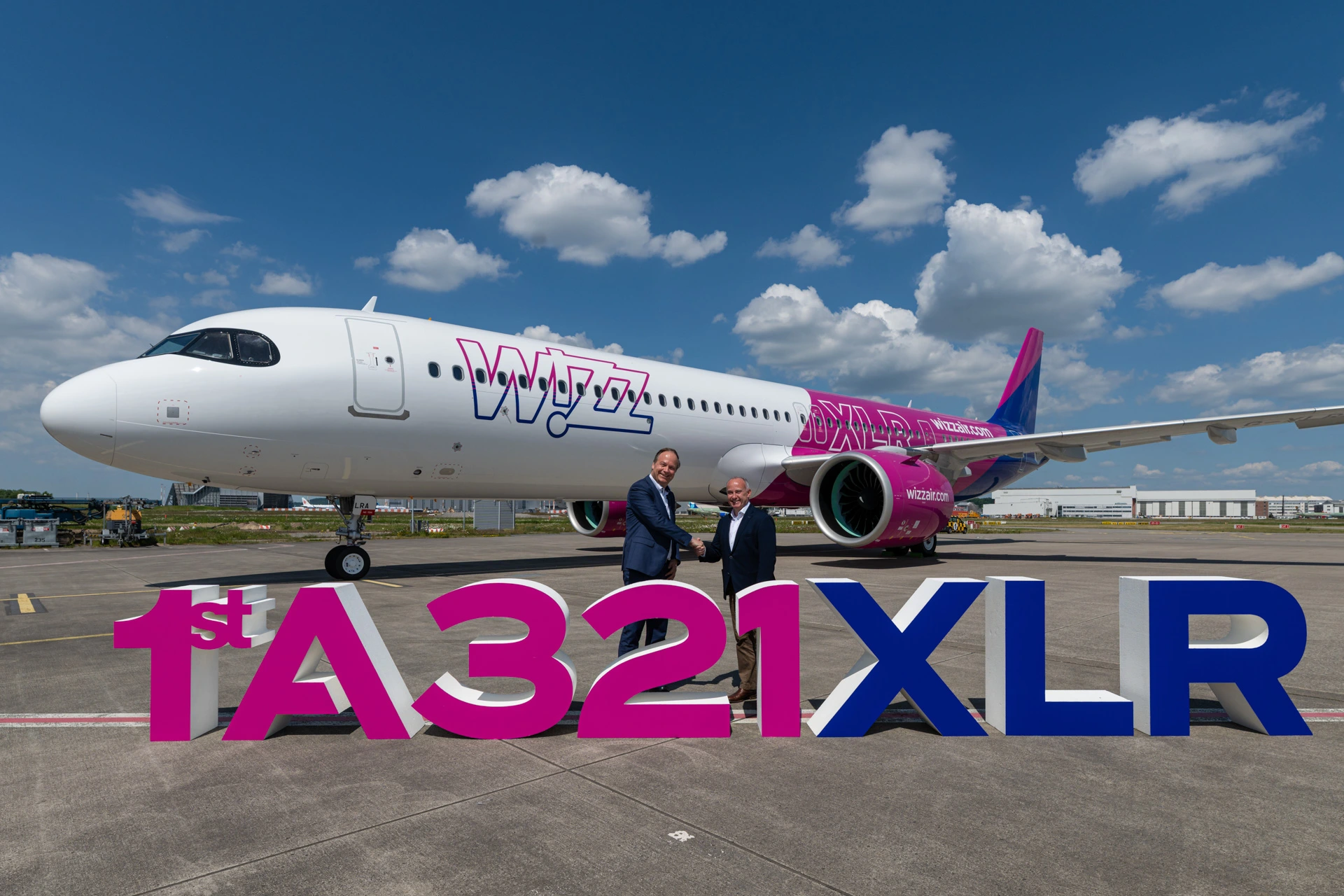
BUDAPEST— Wizz Air (W6) has confirmed that it will retain all 11 Airbus A321XLR aircraft in its fleet, ending earlier discussions about transferring some of the long-range narrowbody jets to other operators.
The decision reflects the airline’s strategy to strengthen its own network and improve connectivity across longer-distance routes within Europe and nearby markets.
The Central European low-cost carrier had previously reduced its Airbus A321XLR commitment after withdrawing from its Abu Dhabi venture. Earlier this year, the airline disclosed that it was exploring options to transfer its remaining undelivered aircraft.
However, management has now decided to deploy the entire A321XLR fleet across its own operations, supporting future growth and route development.
Wizz Air A321XLR Fleet Strategy Optimization
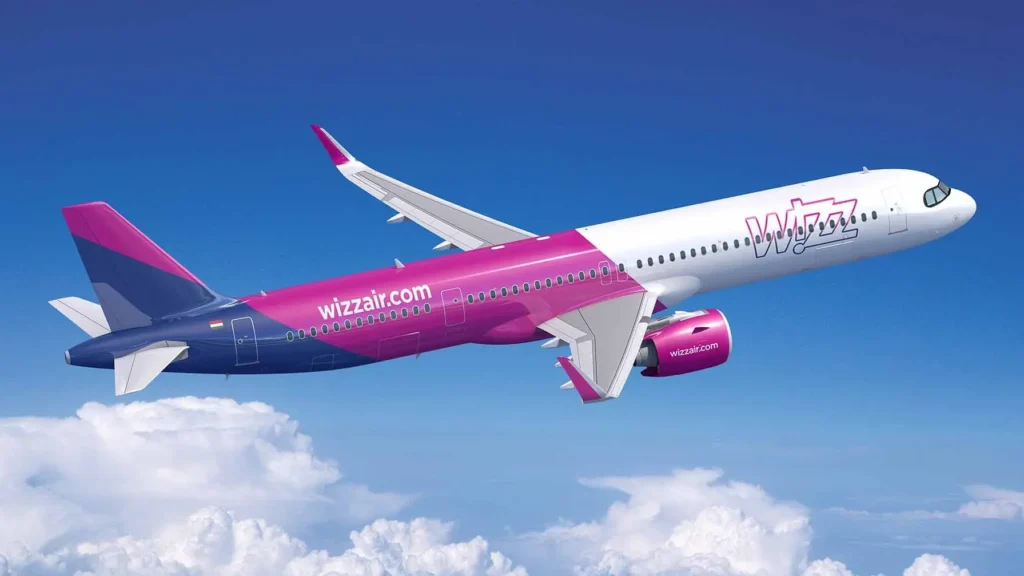
Wizz Air currently operates seven Airbus A321XLR aircraft, with four additional jets scheduled for delivery during the 2026-27 financial year.
The carrier originally ordered 47 aircraft of the type before revising its plans and reducing the commitment to 11 units.
The airline believes the A321XLR offers greater flexibility for serving longer routes while maintaining the efficiency of a single-aisle aircraft.
By keeping all 11 jets, Wizz Air gains additional opportunities to open new destinations and strengthen existing services across its network.
The decision also marks the end of discussions with potential operators interested in acquiring the remaining aircraft. Instead, the airline plans to fully integrate the fleet into its long-term operational strategy.
European Route Expansion Plans
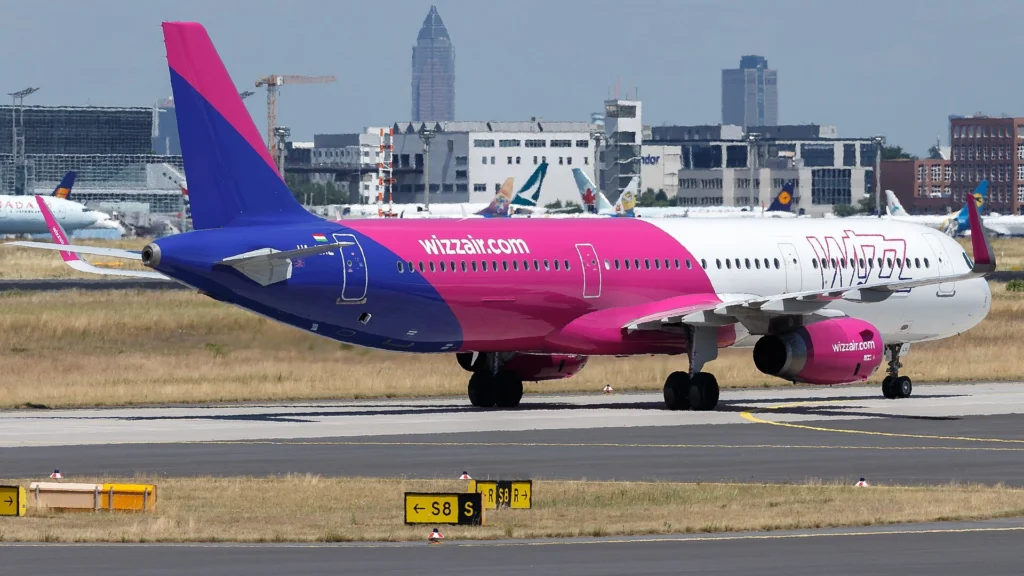
The A321XLR will play an important role in Wizz Air’s ongoing network restructuring.
Over the past year, the carrier has adjusted capacity across several European markets and redirected resources toward regions where it expects stronger returns.
The airline has increased aircraft allocations in countries including Poland, Romania, Hungary, Moldova, Bulgaria, North Macedonia, Italy, and the United Kingdom.
It has also launched new bases in selected Eastern European cities to support future growth.
At the same time, Wizz Air has initiated the closure of its Vienna base as part of broader efforts to optimize its network. The airline says these changes will strengthen its market position and improve long-term profitability.
Fleet And Financial Outlook: Improved Operational Stability
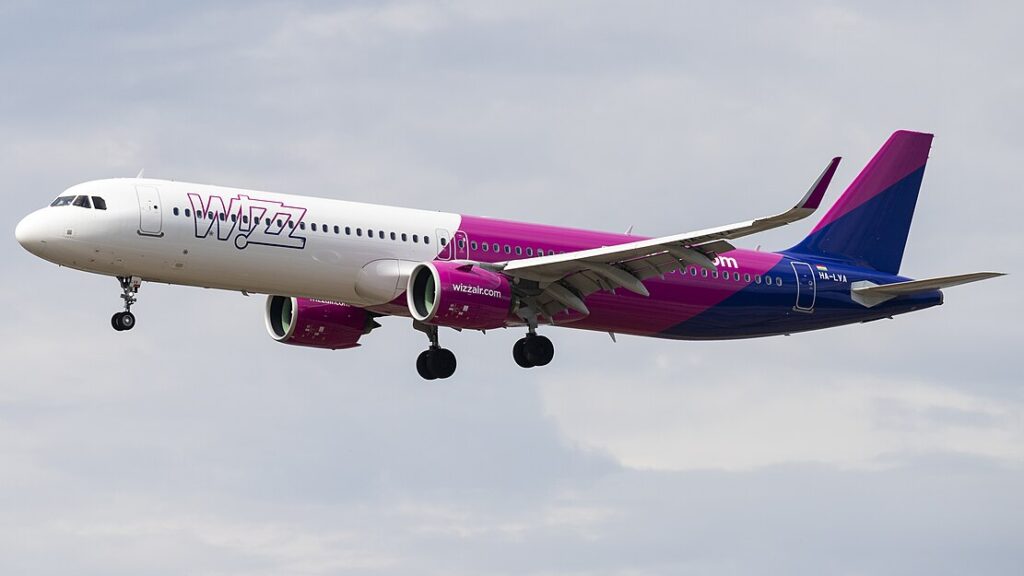
During the 2025-26 financial year, Wizz Air added 39 Airbus A321neo aircraft to its fleet while retiring 12 older jets.
The airline ended the period with 262 aircraft in service, highlighting continued fleet modernization despite industry challenges.
Financially, the carrier reported a modest net profit of €1.3 million, significantly lower than the previous year’s result, Flight Global flagged.
However, management noted that underlying business performance remained resilient despite operational disruptions and geopolitical uncertainty.
One of the airline’s major challenges remains the Pratt & Whitney GTF engine inspection program, which left 30 aircraft grounded at the end of March 2026.
Wizz Air expects that figure to decline steadily over the next two years, with all affected aircraft returning to service by the end of 2027.
Stay tuned with us. Further, follow us on social media for the latest updates.
Join us on Telegram Group for the Latest Aviation Updates. Subsequently, follow us on Google News
