

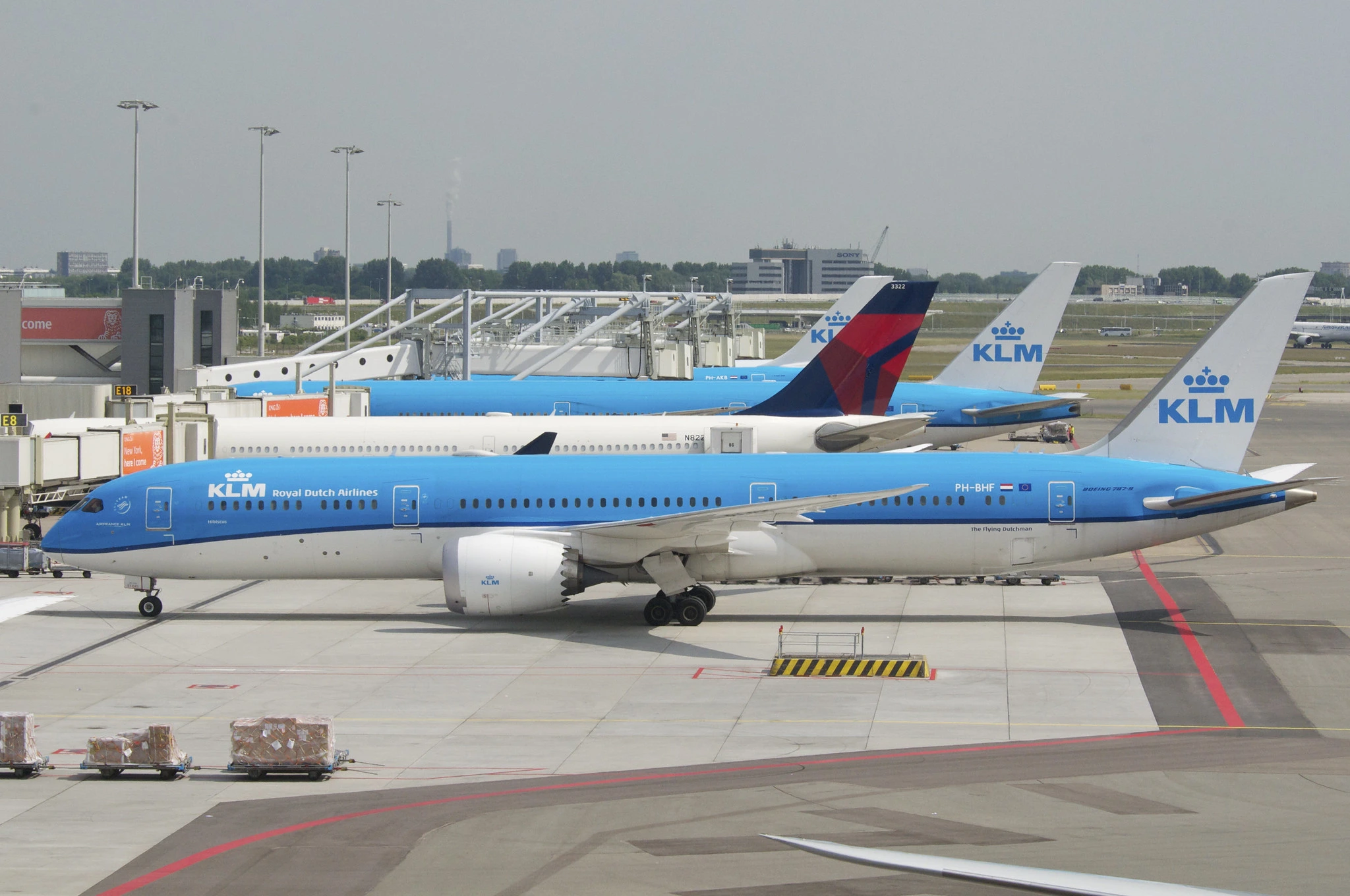
AMSTERDAM— KLM Royal Dutch Airlines (KL) is preparing to accelerate the retirement of its aging Airbus A330-200 fleet as it moves closer to receiving its first Airbus A350 passenger aircraft later this year.
The airline’s leadership sees the new-generation widebody as a key part of its long-term fleet modernization strategy.
Speaking during the International Air Transport Association annual meeting in Rio de Janeiro, KLM Chief Executive Marjan Rintel confirmed with Flight Global that the carrier expects its first Airbus A350 to arrive around August or September.
The aircraft will initially replace older Airbus A330-200 jets, helping improve efficiency and reduce operating costs at the airline’s hub at Amsterdam Schiphol Airport (AMS).

KLM A350 Deliveries Expansion Plan
KLM has already begun reducing its Airbus A330-200 fleet. According to Rintel, the airline has removed its first A330-200 from service and plans to retire another aircraft once the first A350s enter the fleet.
The carrier expects to receive two to three Airbus A350s before the end of this year or in early 2027. While KLM is still evaluating the aircraft’s initial routes, management has made it clear that replacing the A330 fleet remains the immediate priority.
The Airbus A350 offers significant advantages in fuel efficiency, passenger comfort, and environmental performance. These improvements align with KLM’s broader efforts to modernize operations while meeting increasingly strict environmental requirements across Europe.
A350F Delay Impact Analysis Report
While passenger A350 deliveries are approaching, KLM remains frustrated by delays affecting the Airbus A350F freighter program. The airline had originally expected the cargo aircraft to arrive in 2026, but deliveries have now slipped into 2027.
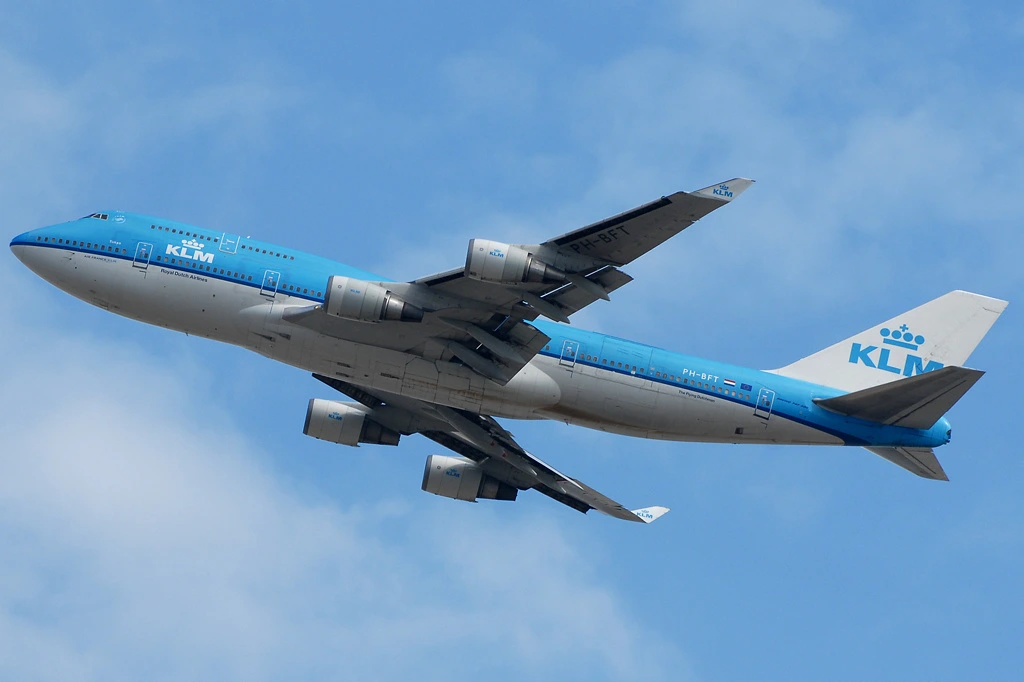
The delay creates operational challenges because KLM’s cargo subsidiary Martinair continues to rely on Boeing 747-400 freighters. These older aircraft generate higher noise levels and face increasing restrictions at Amsterdam Schiphol Airport.
Rintel noted that the delay significantly affects fleet planning. Schiphol continues to enforce noise and capacity limitations, making it more difficult for airlines to operate older aircraft efficiently.
The postponed arrival of quieter and more efficient A350Fs forces KLM and Martinair to maintain aging freighters longer than originally planned.
Air France-KLM previously adjusted its A350F order book, reducing the combined commitment from eight aircraft to six. Three of those freighters are currently allocated to Martinair.
Fleet And Operations Update
Beyond fleet concerns, KLM remains focused on improving operational reliability after experiencing disruptions during previous winter seasons. Rintel said the airline has steadily improved performance over recent months and achieved key operational targets.
The carrier has reported stronger operational results compared with the same period last year. However, rising fuel costs linked to geopolitical tensions in the Middle East continue to pressure airline finances.
Despite current challenges, KLM believes passenger demand remains resilient. The airline expects travel demand through the Middle East to recover quickly once regional conditions stabilize, citing historical passenger behavior and strong long-term demand for international travel.
Rintel also emphasized the importance of maintaining strong airline brands within the Air France-KLM Group.
She highlighted KLM, Air France, Transavia, and SAS as key customer-facing brands that continue to drive the group’s market presence while broader corporate discussions continue behind the scenes.
As Airbus A350 deliveries draw closer, KLM’s fleet transition is entering a crucial phase.
The successful retirement of older aircraft and the eventual arrival of delayed A350 freighters will play an important role in the airline’s operational efficiency, environmental goals, and future growth strategy.
Stay tuned with us. Further, follow us on social media for the latest updates.
Join us on Telegram Group for the Latest Aviation Updates. Subsequently, follow us on Google News

