

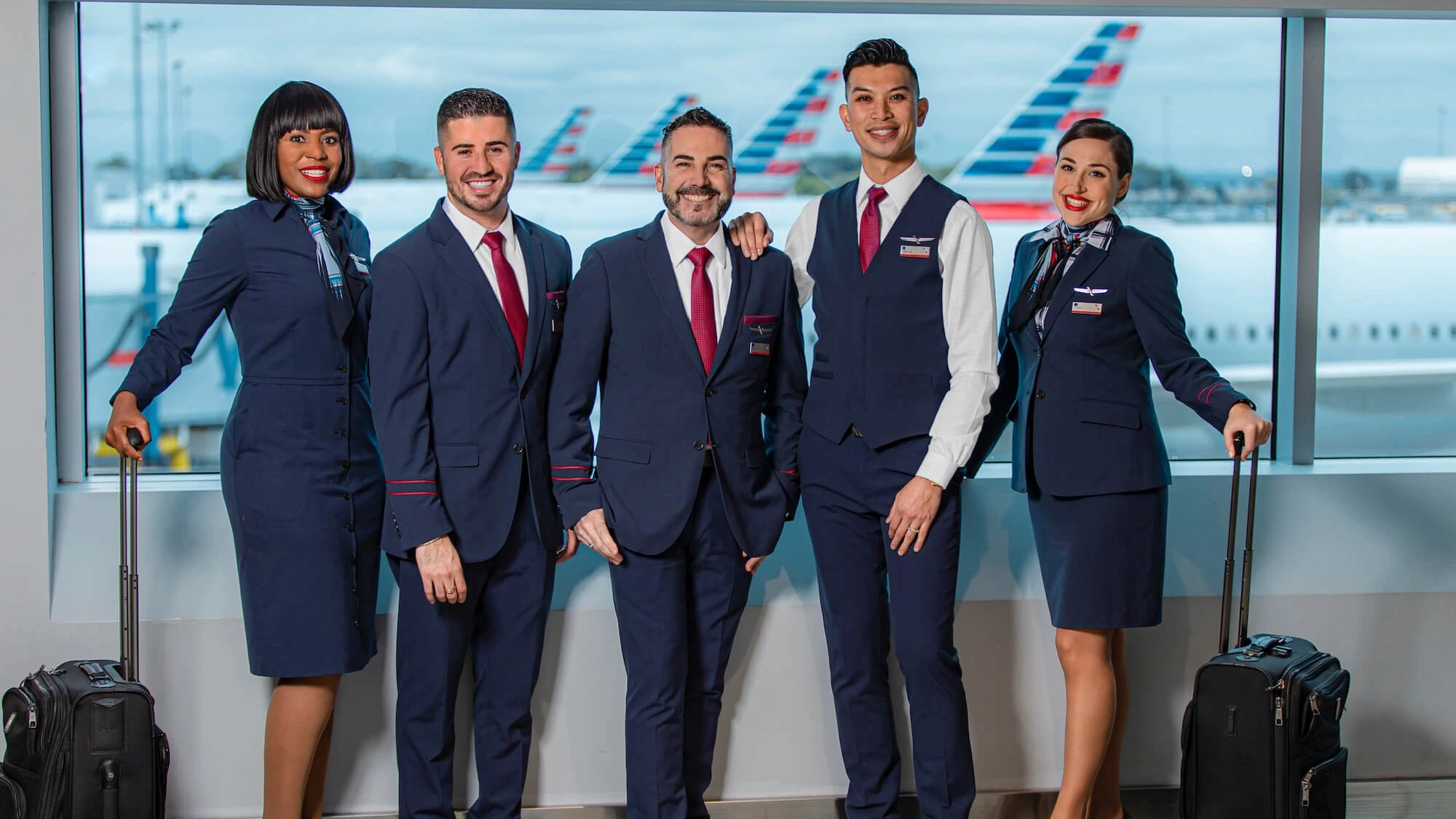
FORT WORTH- American Airlines (AA) flight attendants are challenging the airline’s claim that mandatory annual Computer-Based Training (CBT) modules can be completed within eight hours.
The dispute has escalated to arbitration after the carrier declined to provide data showing actual training completion times.
American Airlines and its main training operations in Dallas are at the center of a disagreement with the Association of Professional Flight Attendants (APFA).
The union argues that flight attendants routinely spend more time completing CBT requirements than the airline’s paid allowance covers.
American Airlines Attendants Dispute CBT Training
Mandatory Computer-Based Training is a common requirement across many industries, but airline employees often face additional regulatory and operational training obligations.
For flight attendants, these annual requirements must be completed to remain qualified for active flying duties.
At American Airlines, flight attendants are required to complete annual Continuing Qualification (CQ) training. Failure to complete mandatory training requirements, including CBT modules, is considered a disciplinary matter and could ultimately result in termination.
Under the current contract, flight attendants must complete three days of CQ training each year. Two days are conducted in person at the airline’s primary training center in Dallas, where crew members demonstrate proficiency in aircraft door operations, emergency evacuation procedures, and annual first aid refresher training.
Flight attendants receive $150 per day for each day of in-person CQ training. They also receive an additional $150 to complete the annual CBT syllabus.
American Airlines maintains that the CBT package should take no more than 8 hours to complete. The additional $150 payment is based on that estimated completion time.
Union Questions Airline’s 8 Hour Estimate
The Association of Professional Flight Attendants argues that the airline’s estimate does not reflect the reality experienced by many crew members.
According to the union, the expanding number of annual CBT modules means that flight attendants frequently spend more than eight hours completing all required coursework. APFA believes employees should receive a remedy when the training exceeds the timeframe covered by existing compensation.
The disagreement has become increasingly contentious because American Airlines possesses systems capable of tracking training activity.
CBT platforms record user interactions and completion times, making it possible to determine how long participants spend on individual modules and the overall training package.
APFA requested access to data that could show the average time flight attendants require to complete the annual syllabus. However, American Airlines declined to provide the information sought by the union.
Arbitration Outcome
After failing to reach a resolution with the airline, APFA moved the dispute to independent arbitration.
The union is seeking a remedy for flight attendants who spend more than the compensated eight-hour limit completing their annual CBT requirements. According to PYOK, the dispute now hinges on whether evidence can demonstrate that the training package consistently requires more time than the airline’s estimate.
American Airlines may present its own evidence during arbitration to support its position that the training can be completed within eight hours or less.
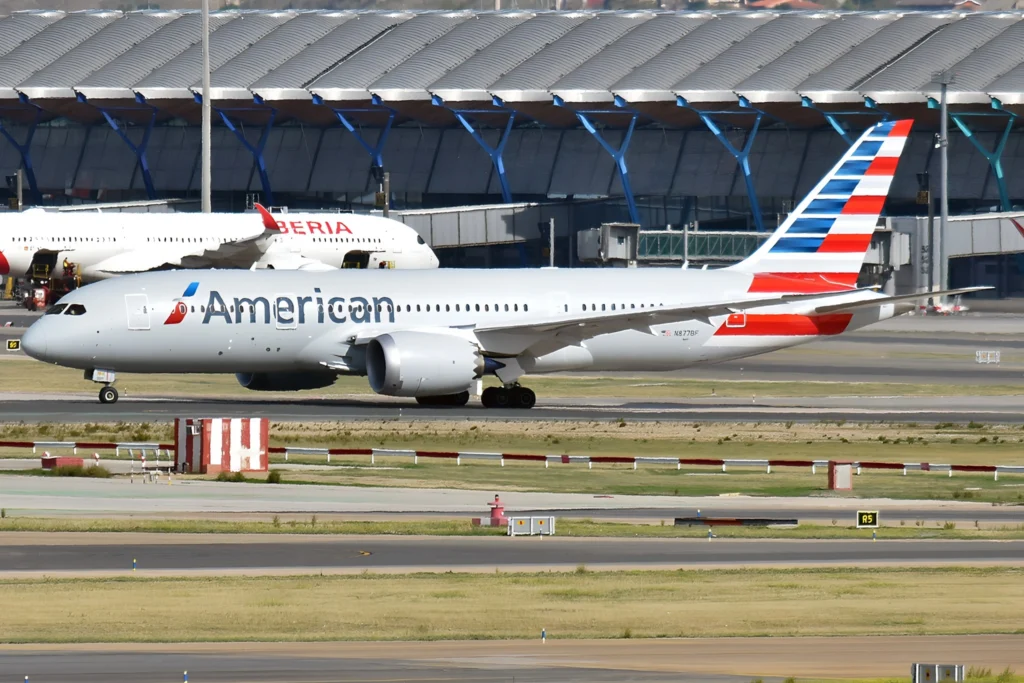
Training Records
Although the airline has not provided the requested completion-time data to APFA, flight attendants can reportedly download their own training transcripts. These records may help establish how long employees spend completing mandatory CBT modules.
Those transcripts could become important evidence during arbitration, particularly if they reveal completion times that regularly exceed the airline’s benchmark.
Some observers could argue that employees might take longer than necessary to complete training in order to support the union’s position. However, the original dispute centers on whether the workload itself has expanded beyond the timeframe used to calculate compensation.
The arbitrator will ultimately review evidence from both sides before determining whether APFA’s claims are supported. No hearing date has been publicly announced.
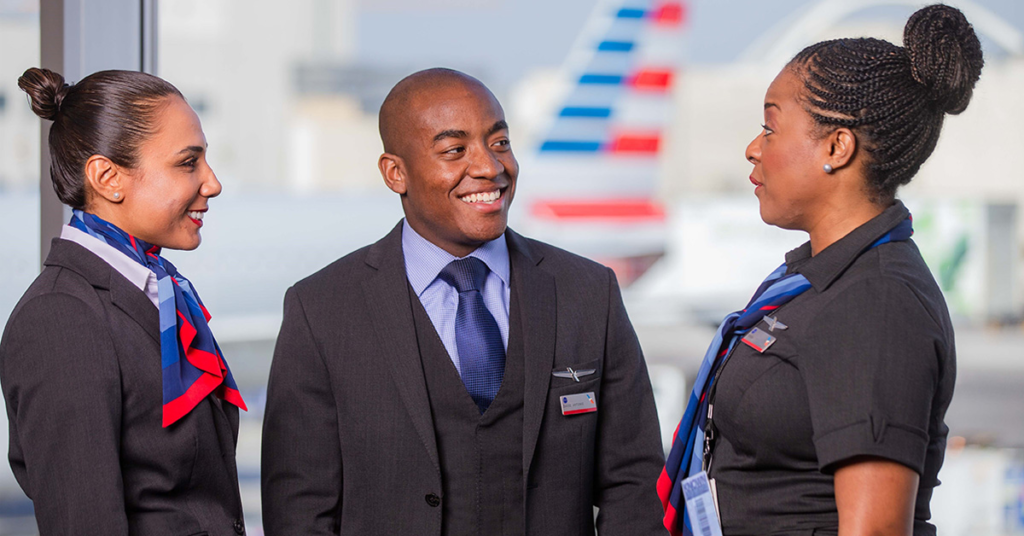
Why Dispute Matters
The outcome of the arbitration could affect how training time is measured and compensated for thousands of American Airlines flight attendants.
The case also highlights a broader issue within the airline industry, where mandatory recurrent training requirements continue to expand while employee compensation models often remain tied to fixed completion estimates.
Stay tuned with us. Further, follow us on social media for the latest updates.
Join us on Telegram Group for the Latest Aviation Updates. Subsequently, follow us on Google News
