

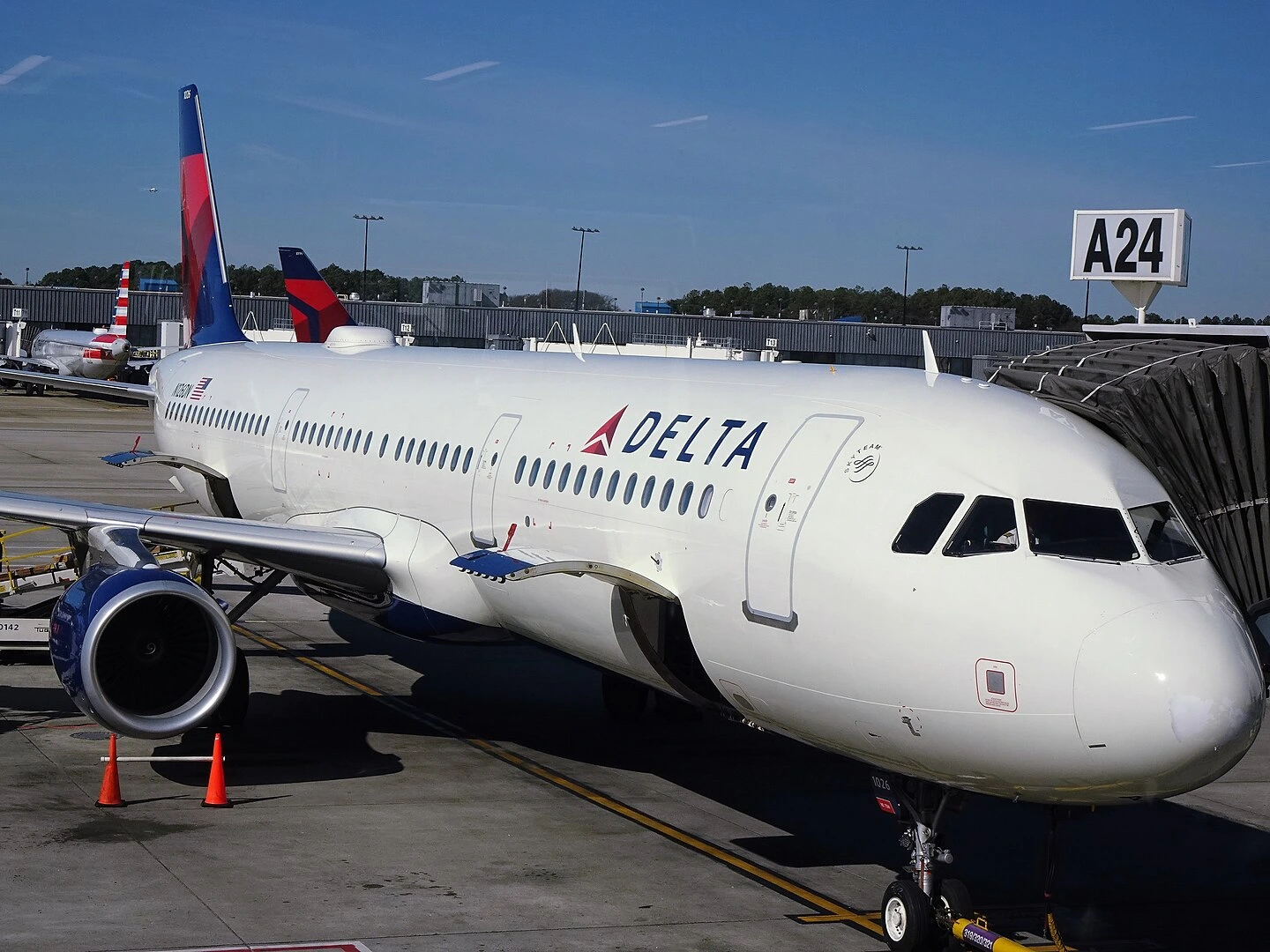
ATLANTA- Delta Air Lines (DL) Flight DL800 from Fort Lauderdale (FLL) to Los Angeles (LAX) diverted to Hartsfield-Jackson Atlanta International Airport (ATL) after a passenger was accused of slapping a female flight attendant during inflight beverage service.
The incident resulted in federal charges against the passenger, who is accused of interfering with flight crew members. The offense carries a maximum penalty of 20 years in prison and a fine of up to $250,000 under US federal law.
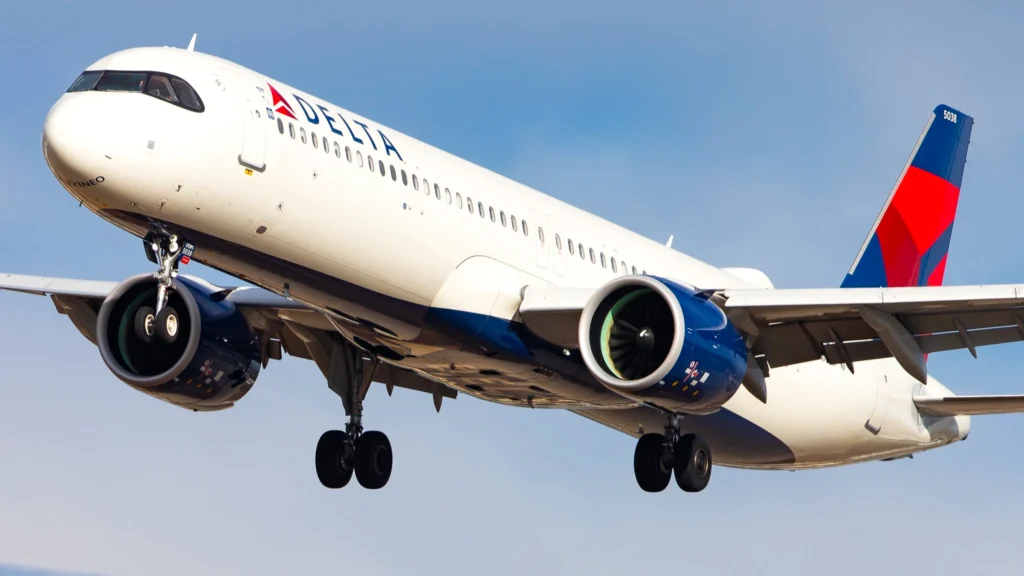
Delta Flight Diverts to Atlanta
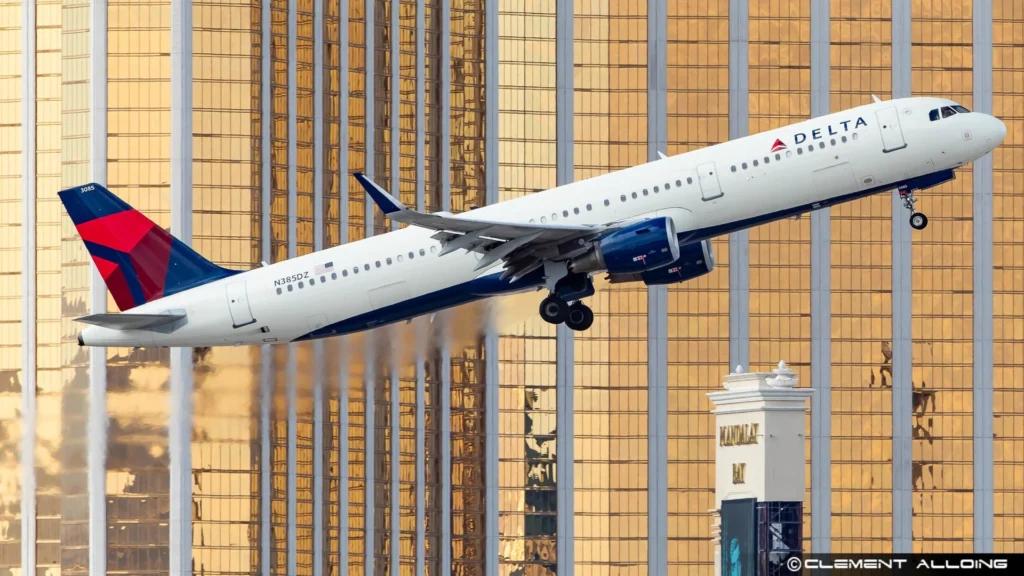
Delta Flight DL800 departed Fort Lauderdale-Hollywood International Airport at approximately 7:50 AM on May 9 for what was scheduled to be a five and a half hour flight to Los Angeles International Airport.
The Airbus A321 was operating normally when a female flight attendant, identified in court documents as P.L.L., completed a buy-on-board service and began the complimentary beverage service.
According to investigators, the flight attendant was facing toward the rear of the aircraft and moving row by row, asking passengers what they wanted to drink.
When she reached the row occupied by passenger Cody James Maluck, she believed he was sleeping and continued serving passengers seated behind him.
Investigators allege that moments later, the flight attendant felt a forceful slap on her buttock.
She later told an FBI investigator that the impact was strong enough to cause her entire body to jolt forward.
The flight attendant immediately turned around and saw Maluck with his hands raised, who reportedly said, “I didn’t do anything.”
The crew member then removed herself from the area and informed the lead flight attendant, who subsequently notified the flight deck crew.
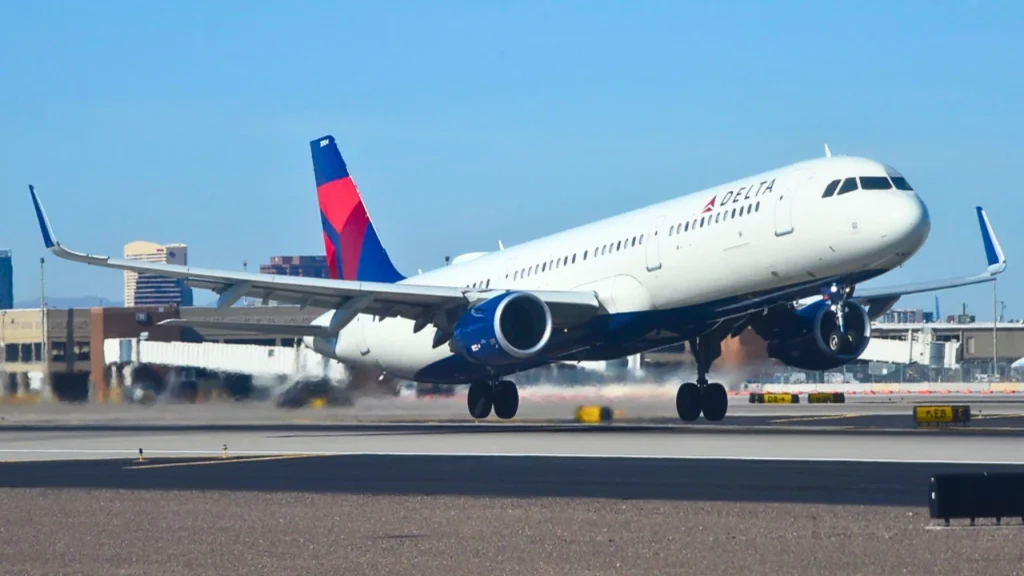
Captain Orders Diversion to Atlanta
After being briefed on the alleged incident, the captain determined that diverting the aircraft was in the best interest of safety and security.
The flight was subsequently rerouted to Atlanta, where law enforcement officers met the aircraft upon arrival at Hartsfield-Jackson Atlanta International Airport.
Maluck was removed from the aircraft by authorities and was read his Miranda Rights before being questioned by investigators.
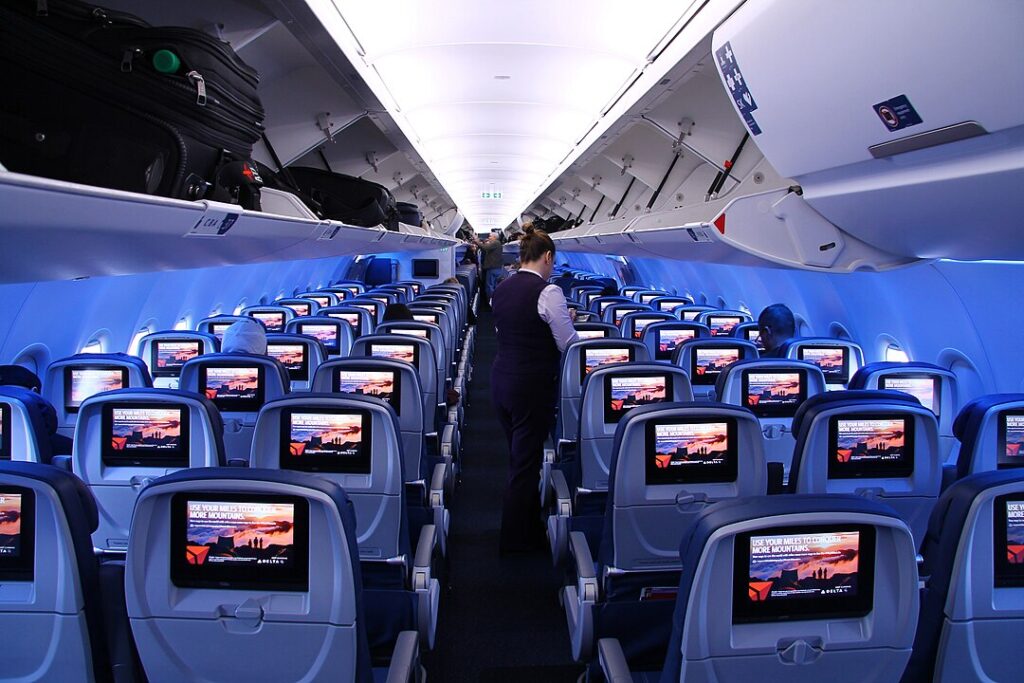
Passenger Faces Crew Interference Charge
A Georgia Grand Jury later charged Maluck with interference with flight crew members and attendants, a federal offense that carries severe penalties.
According to investigators, Maluck admitted that he had been wearing headphones and did not hear the flight attendant when she offered beverages to passengers. He stated that he was not asleep but acknowledged that the flight attendant had skipped his row during service.
Maluck reportedly admitted to touching the flight attendant’s buttock area but denied slapping her.
He also told investigators that it was not his intention to harm or disrespect the crew member and claimed he was attempting to get her attention after being missed during beverage service.
At the time of his arraignment, Maluck remained in custody awaiting trial.
Ongoing Challenges
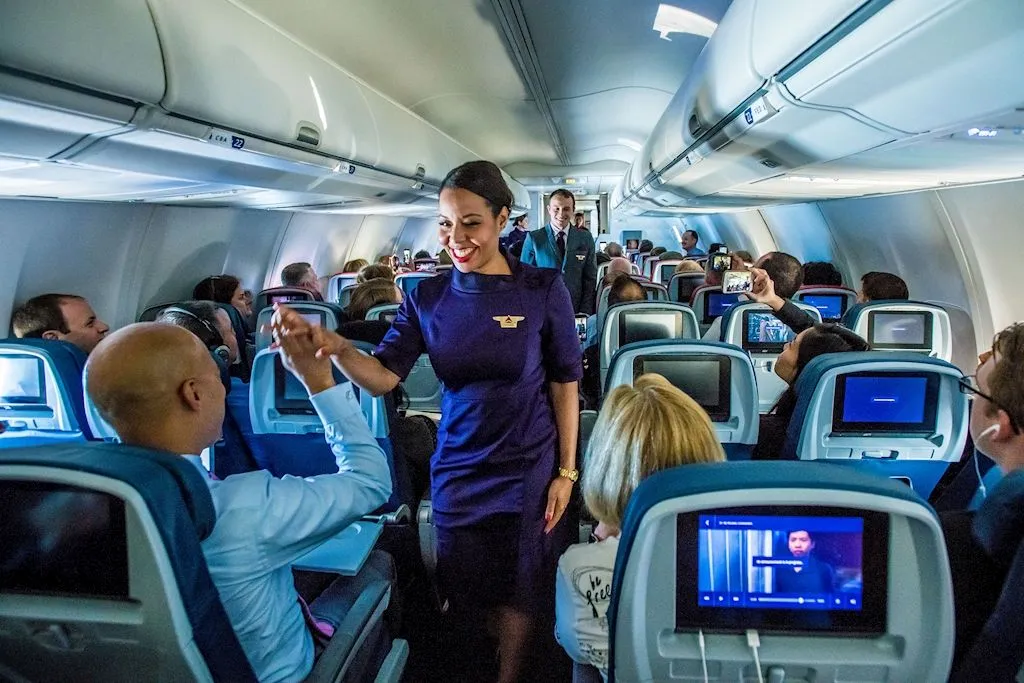
The case has renewed attention on how passengers interact with flight attendants during flights.
According to PYOK, the incident comes amid broader discussions within the aviation industry regarding unwanted physical contact directed at cabin crew members.
The issue gained widespread attention after a Washington Post report examined how flight attendants frequently experience passengers touching, poking, or grabbing them to gain attention.
Some flight attendants have responded by creating custom badges and signs requesting that passengers avoid touching them and instead use verbal communication when assistance is needed.
Industry observers note that while some passengers may not intend any harm when attempting to get a crew member’s attention, physical contact can be viewed as inappropriate, disrespectful, or threatening depending on the circumstances.
Strict Passenger Conduct Rules
Airlines and regulators maintain strict policies regarding passenger behavior, particularly when incidents involve cabin crew members responsible for onboard safety.
Allegations involving interference with flight attendants are treated seriously because crew members play a critical role in maintaining order and responding to emergencies.
Incidents that lead to diversions can also result in operational disruptions, additional costs, law enforcement involvement, and potential criminal prosecution.
The Delta Flight DL800 case serves as another reminder that interactions between passengers and crew members can carry significant legal consequences when onboard safety or security is affected.
Stay tuned with us. Further, follow us on social media for the latest updates.
Join us on Telegram Group for the Latest Aviation Updates. Subsequently, follow us on Google News
