


BALI— Indonesian authorities have intensified enforcement against foreign influencers working on tourist visas, resulting in dozens of detentions, deportations, and entry bans in one of the world’s most popular travel destinations.
The crackdown comes as Bali continues to attract content creators, digital nomads, and social media influencers who use the island as a backdrop for brand partnerships, sponsored posts, and promotional campaigns.
Officials now classify many of those activities as work, even when visitors are not directly paid by local businesses.
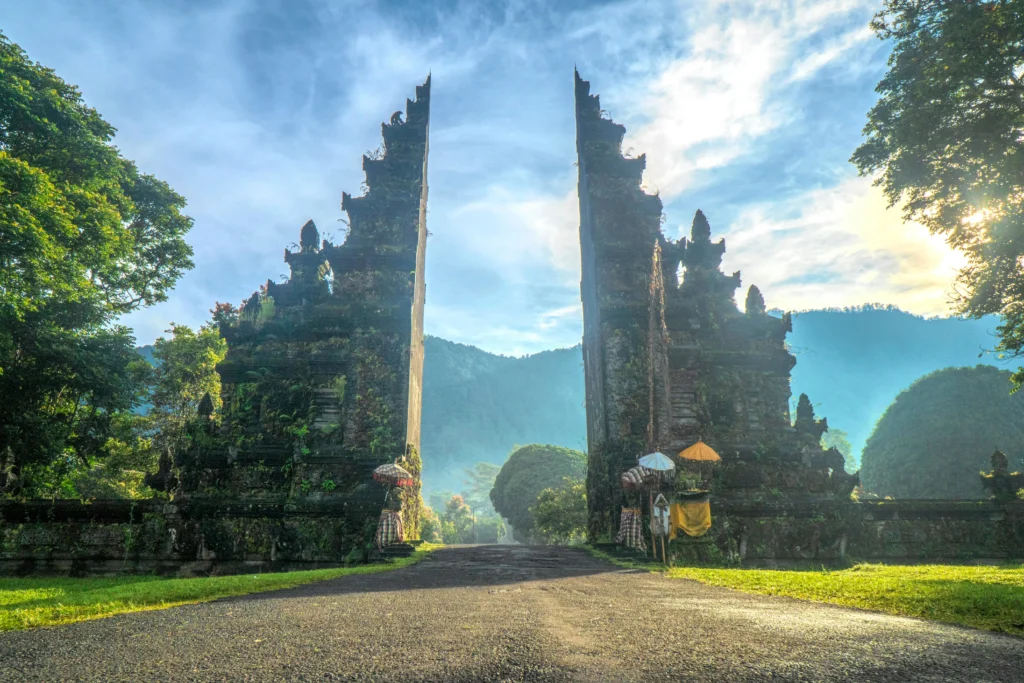
Bali Visa Rules
Indonesian immigration authorities have adopted a broad definition of work that extends beyond traditional employment.
Under the current policy, activities such as sponsored social media content, brand collaborations, promotional photography projects, and accommodation exchanges for content creation may require a work visa or a remote worker permit.
Authorities argue that these activities generate economic value and therefore fall outside the scope of a standard tourist visa.
Officials have emphasized that the absence of direct local payment does not exempt foreign nationals from work permit requirements, OMAAT flagged.
The stricter interpretation reflects Bali’s growing concerns about the rapid expansion of influencer-driven tourism and commercial content production on the island.

Influencer Deportations Rise
To enforce the regulations, Indonesian authorities established the Dharma Dewata Immigration Patrol Task Force in April 2026.
The task force has focused its efforts on areas popular with influencers while also monitoring public social media activity.
According to reports, enforcement teams have actively investigated content creators suspected of conducting commercial activities without the appropriate visa authorization.
Within weeks of the task force’s launch, authorities detained 62 influencers. Several individuals reportedly received fines, deportation orders, or both, while some also face multi-year bans from re-entering Indonesia.
The enforcement campaign marks one of the most aggressive efforts by a tourism-dependent destination to regulate influencer-related commercial activity.
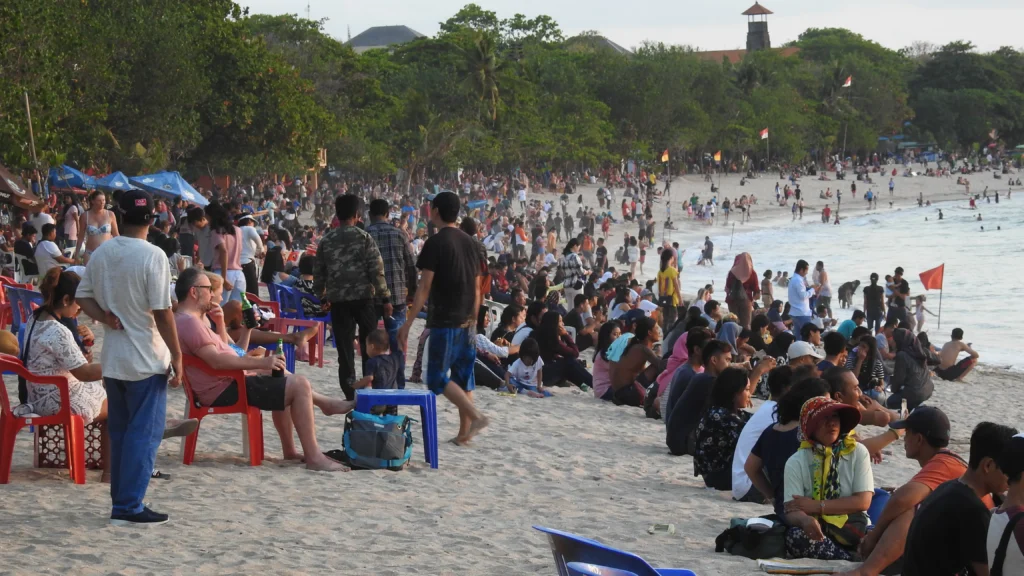
Debate on Tourism Impact in Bali
The policy has sparked debate among travelers, digital creators, and tourism industry observers.
Supporters argue that Bali is simply enforcing immigration laws and ensuring that individuals generating income or business value contribute through the correct visa channels.
They also note that Indonesia offers visa options designed for remote workers and longer-term professional activities.
Critics, however, contend that the rules may create confusion because the definition of work can extend to activities that many travelers would not traditionally consider employment.
Questions remain about where authorities draw the line between personal social media use and content that creates economic value.
Despite differing opinions, Indonesian officials have shown little indication that enforcement will slow. Instead, authorities appear committed to expanding oversight as Bali continues balancing its tourism economy with immigration compliance requirements.
For travelers, influencers, and digital nomads, the message is increasingly clear: activities that generate commercial value in Bali may require more than a tourist visa.
Stay tuned with us. Further, follow us on social media for the latest updates.
Join us on Telegram Group for the Latest Aviation Updates. Subsequently, follow us on Google News
