

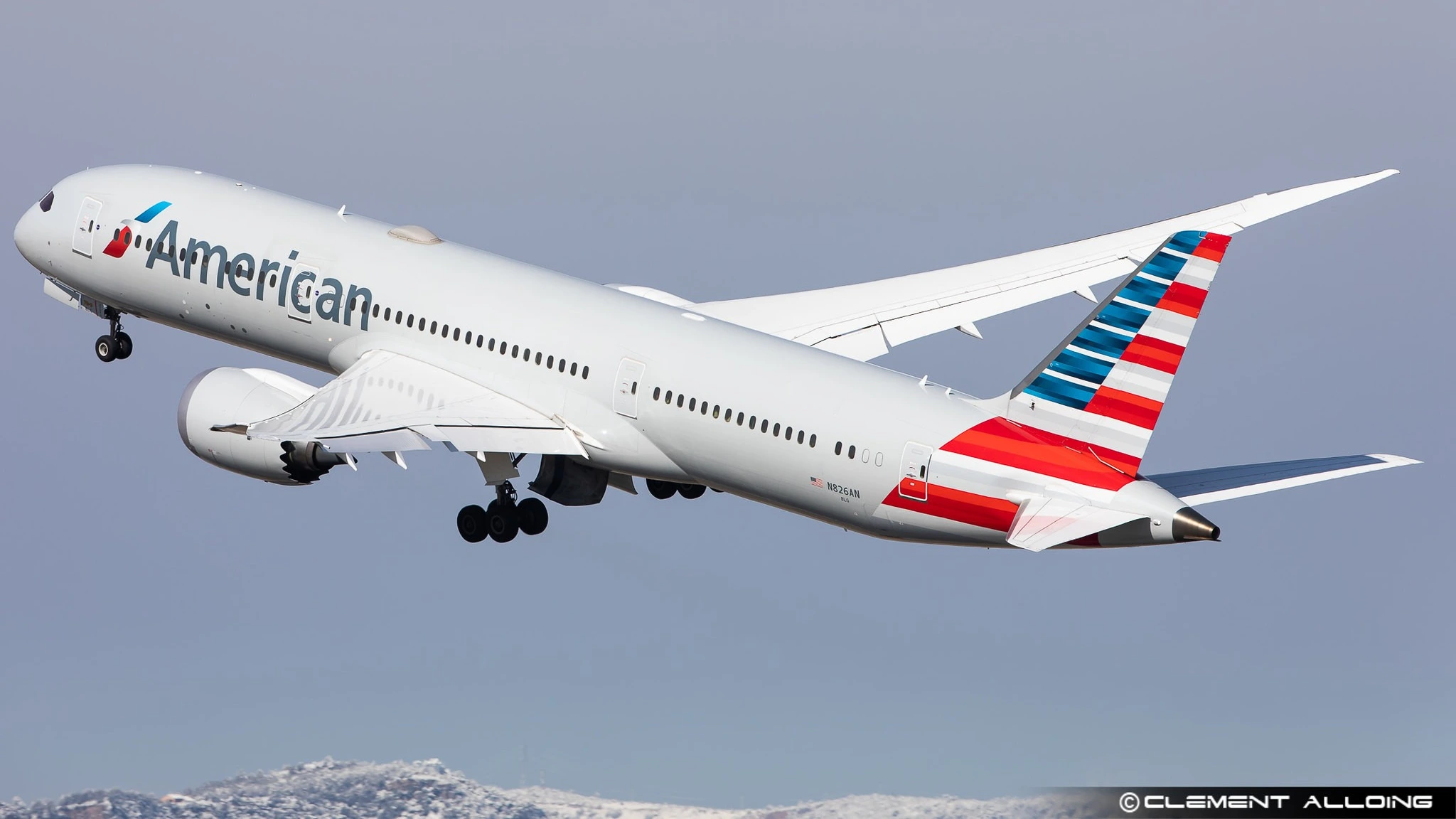
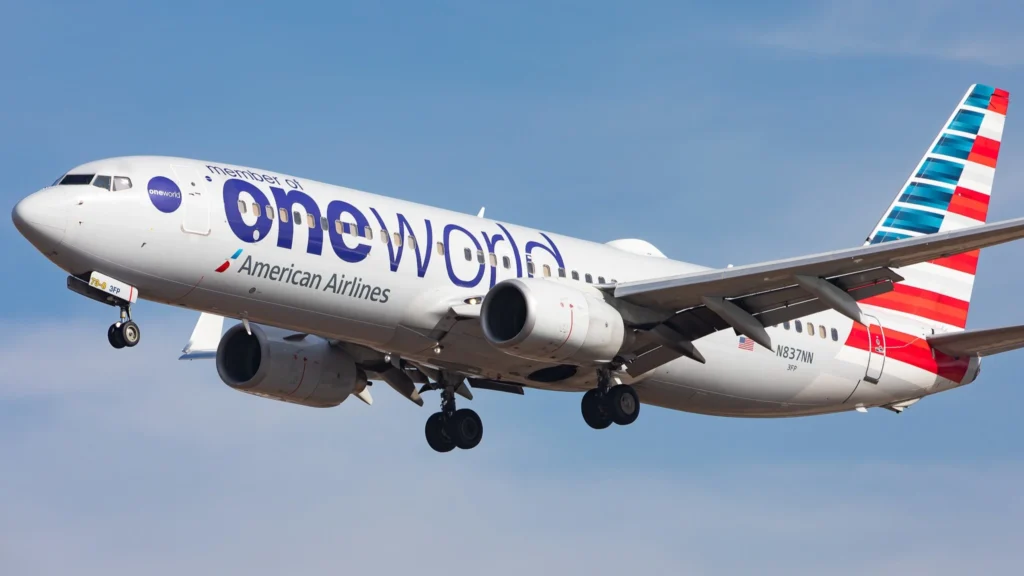
FORT WORTH- Speculation about American Airlines (AA) launching flights to Manila, Philippines (MNL) has increased following Philippine Airlines’ (PR) upcoming entry into the oneworld alliance in 2027.
The discussion has gained further momentum after American announced plans to discontinue flights to Doha, Qatar (DOH), and allocate aircraft to a new international destination.
While a Manila route appears strategically attractive due to alliance connectivity and growing US-Philippines demand, several operational, competitive, and financial challenges suggest that such a move may be difficult to justify under American Airlines’ current network strategy.
Why Manila Speculation Is Gaining Ground
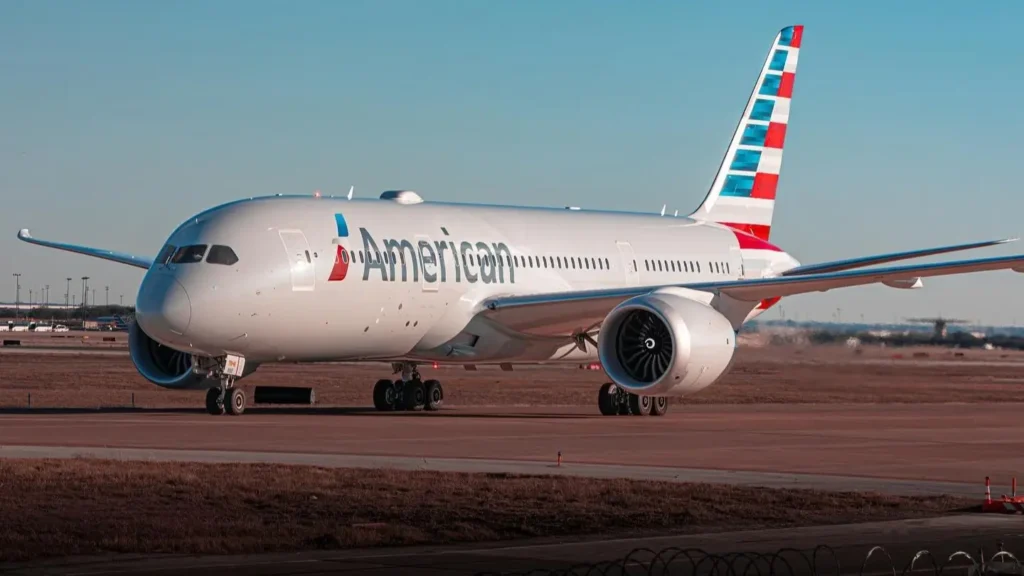
The rumor rests on a few connected developments. Philippine Airlines will join oneworld in 2027, and the move arrived without a credible warning beforehand. Even so, it fits a pattern.
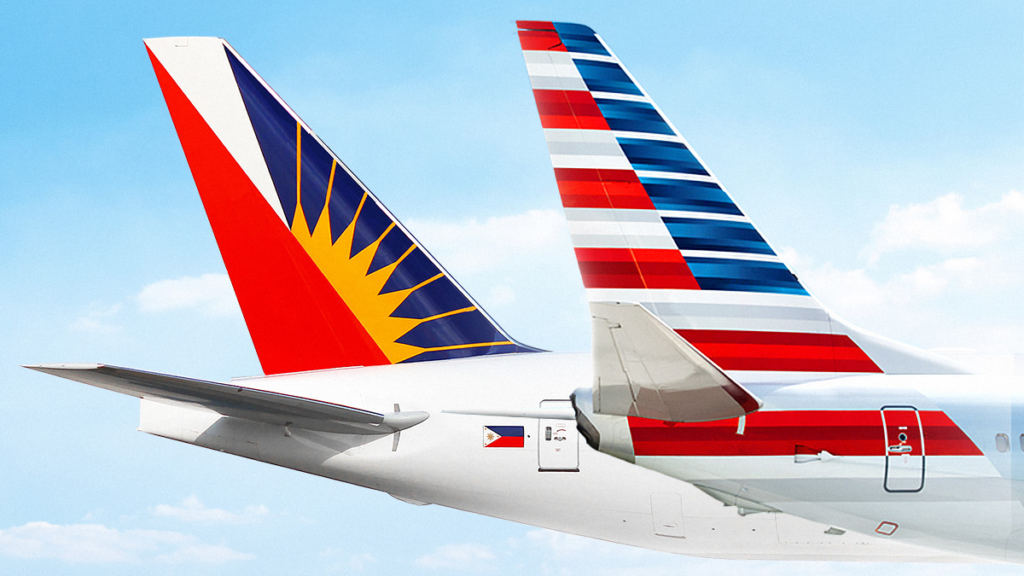
Philippine Airlines has increasingly partnered with oneworld carriers, ranging from Alaska Airlines (AS) to American Airlines to Qatar Airways (QR) and beyond.
A second trigger came when American Airlines revealed it would cancel its Doha (DOH) service and launch a new destination in its place.
The combination of an open long-haul slot and a soon-to-be partner hub in Manila led many to connect the dots.
The case in favor is straightforward. A Manila link would give American Airlines connectivity at a partner hub, opening new one-stop service across the region with American Airlines operating the long-haul leg.
There is a competitive angle, too. United Airlines added Manila service in late 2023 and appears to have found success, adding more service since launch, while Delta Air Lines plans to begin flying to Manila in 2027.
Strategic Problems With the AA Manila Route
Despite the surface logic, the route faces serious obstacles within American Airlines’ current strategy.
The carrier does not always act rationally, which is part of how it has reached a point where it is barely profitable, so commercial merit and actual execution remain separate questions.
The first problem is the hub. American Airlines operates only one West Coast hub, Los Angeles (LAX). The airline has tried before to build Los Angeles into a transpacific gateway and ultimately retreated.
With Delta Air Lines now planning growth at Los Angeles, matching that expansion would be a difficult strategy to defend.
A Los Angeles to Manila route would place American Airlines directly against Delta Air Lines and multiple daily Philippine Airlines flights. American Airlines also carries a significant cost disadvantage relative to Philippine Airlines, which makes the economics hard to justify.
The carrier would struggle to command a revenue premium on the route, especially with Delta Air Lines active in the same market.
Dallas Distance Problem And Joint Venture Factor
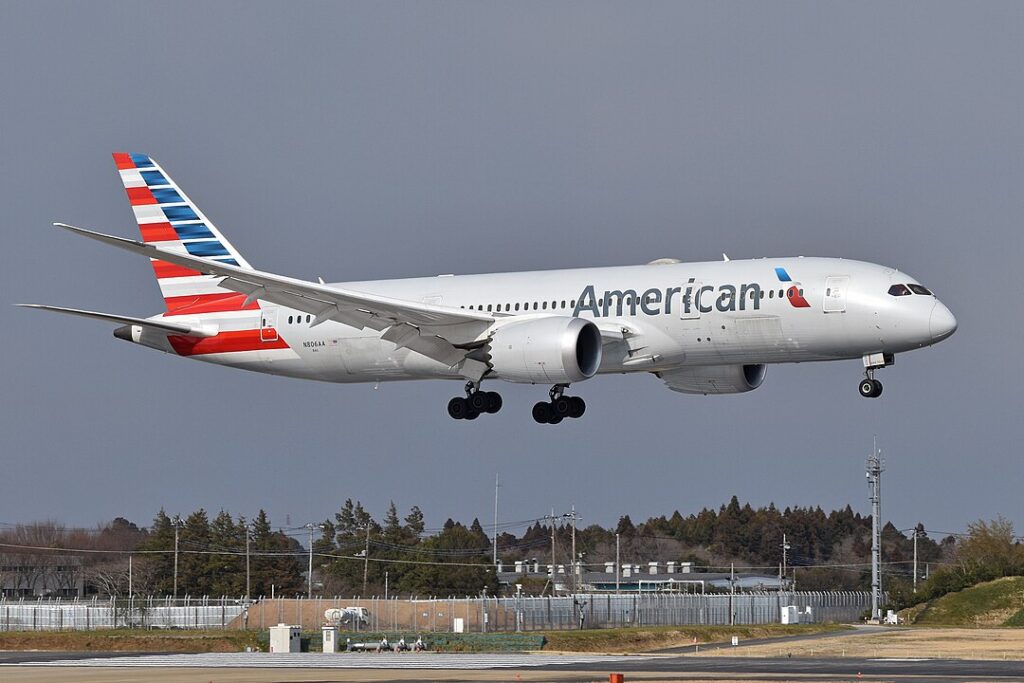
American Airlines could, in theory, operate the route from its Dallas-Fort Worth (DFW) mega hub. That option introduces a different challenge.
The flight would cover roughly 8,320 miles, making it the longest route in American Airlines’ network.
The cost of operating an ultra-long-haul flight of that length raises real doubts about whether revenue performance could justify it.
There is also the transpacific joint venture between American Airlines and Japan Airlines (JL).
The partnership gives American Airlines an incentive to route Asia-bound traffic through Tokyo, though that approach is not always valuable for secondary Southeast Asian destinations.
A comparison reinforces the skepticism. American Airlines no longer flies to Hong Kong (HKG) despite its partnership with Cathay Pacific (CX), and that route is shorter than Manila would be.
According to OMAAT, if the carrier could not sustain Hong Kong, expecting it to make Manila work appears optimistic.
Bottom Line
A Manila route could make sense if American Airlines were pursuing a genuine global expansion, where the destination would fit into a broader route portfolio.
As a standalone move, the strategic case is weak. The hub limitations, cost disadvantage, distance, and existing joint venture all point away from a near-term launch.
Stay tuned with us. Further, follow us on social media for the latest updates.
Join us on Telegram Group for the Latest Aviation Updates. Subsequently, follow us on Google News
